




- Quick verdict: CBD oil suits those seeking wellness benefits without intoxication and without needing dispensary access; cannabis is better for stronger therapeutic relief and recreational use where legal.
- Key similarity: Both come from the Cannabis sativa plant family and interact with the body’s endocannabinoid system.
- Key difference: Cannabis products typically contain THC and produce psychoactive effects; hemp-derived CBD oil does not.
- Entourage effect: Full-plant cannabis delivers the strongest entourage effect; broad-spectrum CBD oil provides a partial version; CBD isolate provides none.
- Drug test risk: Cannabis creates high drug test risk; full-spectrum CBD oil carries low-to-moderate risk with heavy use; CBD isolate is essentially risk-free.
- Legality: Hemp-derived CBD is federally legal in the US; cannabis remains federally illegal but is legal in 24+ states for adult use.
- Cost: CBD oil runs $30–$120/month; cannabis $50–$300+/month depending on frequency and form.
Overview: What Exactly Are We Comparing?
Walk into any dispensary or wellness store and you’ll encounter two broad categories of cannabis-derived products: traditional cannabis (marijuana) and CBD oil. For many consumers — whether motivated by curiosity, health goals, or simply wanting to understand what they’re putting in their bodies — the distinction between these two can be genuinely confusing. Both come from plants in the Cannabis sativa family. Both interact with the human body’s endocannabinoid system. And both are marketed for many of the same wellness purposes: stress relief, pain management, better sleep, and reduced inflammation.
But the similarities largely end there. Understanding the differences isn’t just about chemistry — it’s about knowing what experience you’ll have, what’s legal where you live, whether you’ll pass a drug test, and whether the product will address your specific needs. This guide breaks it all down with evidence-based information. When we say “cannabis”, we mean whole-plant marijuana products — flower, concentrates, edibles, tinctures — derived from THC-rich plants and sold at state-licensed dispensaries. When we say “CBD oil,” we mean hemp-derived cannabidiol products containing less than 0.3% THC, sold widely online and in retail stores.
For deeper background on how cannabinoids work in the body, see our cannabinoid explainers. For state-by-state legal breakdowns, visit our state cannabis guides.
Side-by-Side Comparison
| Criteria | Cannabis (Marijuana) | CBD Oil (Hemp-Derived) |
|---|---|---|
| Primary Cannabinoids | THC + CBD + 100+ cannabinoids | CBD dominant, <0.3% THC |
| Psychoactive Effect | Yes — produces a “high” from THC | No — non-intoxicating |
| Federal Legal Status (USA) | Schedule I controlled substance | Legal under 2018 Farm Bill |
| State Legal Status (USA) | Legal in 24+ states (recreational); 38+ states (medical) | Legal in all 50 states (hemp-derived) |
| Drug Test Risk | High — THC detectable for 3–30 days | Low — trace THC may accumulate with heavy full-spectrum use |
| Common Forms | Flower, edibles, concentrates, tinctures, vapes | Tincture oils, capsules, gummies, topicals, isolates |
| Therapeutic Applications | Pain, nausea, appetite, anxiety, PTSD, sleep, glaucoma | Anxiety, inflammation, epilepsy, mild pain, sleep |
| FDA-Approved Medicines | Dronabinol, Nabilone (synthetic THC) | Epidiolex (CBD for epilepsy) |
| Entourage Effect | Strong — full spectrum of cannabinoids and terpenes | Partial (full-spectrum) or absent (isolate) |
| Addiction Potential | Moderate — approximately 9% of users develop dependence | Very low — no known dependence liability |
| Monthly Cost (Typical) | $50–$300+ depending on form and frequency | $30–$120 for a quality tincture |
| Where to Buy | Licensed dispensaries (legal states only) | Online, health stores, pharmacies |
The Entourage Effect: Why It Matters for This Comparison
One of the most important concepts for understanding the cannabis vs CBD oil comparison is the entourage effect — the widely studied phenomenon in which the therapeutic and psychoactive properties of cannabis are enhanced when multiple cannabinoids, terpenes, and flavonoids work together synergistically rather than in isolation. A 2011 review by Dr. Ethan Russo in the British Journal of Pharmacology laid out the evidence for cannabinoid-terpene interactions producing effects greater than isolated compounds, and this foundational concept has driven significant interest in full-spectrum and broad-spectrum products.
Full-plant cannabis delivers the maximum entourage effect — THC, CBD, minor cannabinoids like CBG, CBN, and THCV, plus dozens of aromatic terpenes like myrcene, limonene, and linalool, all working in concert. Full-spectrum CBD oil preserves some of this synergy while keeping THC below the 0.3% intoxication threshold. Broad-spectrum CBD oil removes almost all THC while retaining other cannabinoids and terpenes. CBD isolate — pure CBD with nothing else — provides no entourage effect at all. For consumers making a decision between cannabis and CBD oil with therapeutic goals in mind, understanding where each product falls on this spectrum is essential.
Deep Dive: Cannabis (Marijuana)
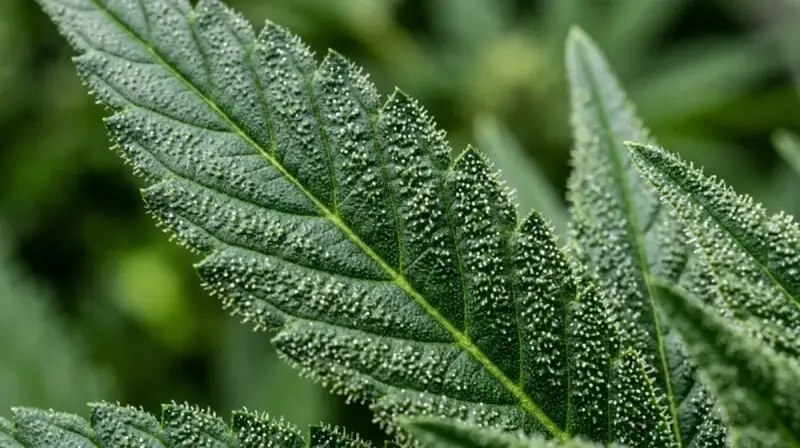
Cannabis delivers what researchers call the entourage effect — the synergistic interaction of THC, CBD, minor cannabinoids like CBG and CBN, and dozens of aromatic terpenes. This full-spectrum activity is believed to produce stronger, more nuanced therapeutic effects than any single isolated compound. For patients with severe chronic pain, treatment-resistant nausea from chemotherapy, PTSD, or significant appetite loss, cannabis with THC has demonstrated meaningful clinical efficacy in ways that CBD alone often cannot match.
THC has well-documented analgesic, antiemetic, and neuroprotective properties. Multiple states have approved cannabis for medical use to treat conditions including cancer-related pain, multiple sclerosis spasticity, HIV/AIDS-related wasting, and severe epilepsy. The psychoactive experience itself — though undesirable for some — can provide rapid relief from acute pain episodes and intrusive PTSD symptoms.
Medical Applications of Cannabis
| Condition | Cannabis Evidence Level | CBD Oil Evidence Level |
|---|---|---|
| Chronic Neuropathic Pain | Strong — multiple RCTs support THC+CBD | Moderate — CBD alone shows benefit for inflammation |
| Nausea/Chemotherapy | Strong — FDA-approved synthetic THC (Dronabinol) | Limited evidence for CBD alone |
| PTSD | Moderate — THC reduces nightmare frequency in studies | Emerging — CBD shows anxiolytic potential |
| Epilepsy (Dravet/LGS) | Moderate — full-spectrum products used in research | Strong — FDA-approved Epidiolex is pure CBD |
| Anxiety (Generalized) | Mixed — low-dose THC helpful; high-dose may worsen | Good — CBD has robust anxiolytic evidence |
| Sleep Disorders | Good — THC reduces sleep onset, increases slow-wave | Moderate — CBD may improve REM behavior |
| Multiple Sclerosis Spasticity | Strong — Nabiximols (THC:CBD) approved in UK/EU | Moderate |
| Appetite Stimulation | Strong — THC is highly effective for cachexia | Limited evidence |
Strengths of Cannabis
- Full entourage effect: The complete cannabinoid and terpene matrix produces stronger, more nuanced therapeutic effects than any isolated compound.
- Broad therapeutic applications: THC’s analgesic, antiemetic, and appetite-stimulating properties cover conditions where CBD oil has limited effectiveness.
- Wide product variety: Flower, concentrates, edibles, tinctures, and topicals available in licensed dispensaries allow precise format selection for different needs.
- Rapid onset options: Inhalation and sublingual tinctures provide fast-acting relief unavailable through oral CBD products alone.
Weaknesses of Cannabis
- THC side effects: Anxiety, paranoia, impaired memory, increased heart rate, and impaired coordination are possible at high doses or in sensitive individuals.
- Legal restrictions: Federal Schedule I status creates employment, housing, travel, and banking complications even in legal states.
- High drug test detectability: THC metabolites remain detectable for days to weeks, incompatible with many employment situations.
- Dependence risk: Approximately 9% of users develop cannabis use disorder — higher with early initiation and high-frequency heavy use.
Deep Dive: CBD Oil (Hemp-Derived)
CBD oil has undergone a remarkable rise from obscure supplement to mainstream wellness product in less than a decade. The 2018 Farm Bill federally legalized hemp-derived CBD products containing less than 0.3% THC, opening the floodgates for an industry now worth billions annually. But with rapid growth has come enormous variation in product quality, labeling accuracy, and consumer education — making an informed approach to purchasing CBD oil more important than ever.
Strengths of CBD Oil
CBD’s defining advantage is its accessibility — both legally and experientially. You can purchase high-quality hemp CBD oil online and ship it to all 50 states without concern about state law variations. It requires no dispensary access, no medical card. For first-time users or those who need to maintain full cognitive clarity (parents, professionals, drivers), CBD offers a compelling entry point into cannabinoid wellness without intoxication risk.
Therapeutically, CBD has its strongest evidence base in anxiety reduction, inflammation modulation, and seizure reduction. The FDA-approved drug Epidiolex — a pharmaceutical-grade CBD product — is prescribed for Dravet syndrome and Lennox-Gastaut syndrome. CBD interacts with serotonin receptors, TRPV1 pain receptors, and the adenosine system, giving it plausible mechanisms beyond just the endocannabinoid system. Explore more about how these cannabinoid effects work in our dedicated section.
Weaknesses of CBD Oil
The CBD market is notoriously under-regulated. A Penn Medicine study found that nearly 70% of CBD products sold online were mislabeled — some containing more THC than advertised, others far less CBD than claimed. Without consistent FDA oversight, consumers must rely on third-party lab testing (Certificates of Analysis) to verify potency and purity. Additionally, CBD’s effects are often subtler than cannabis, which can frustrate users expecting dramatic results. High-quality CBD oil is also not cheap — effective therapeutic doses often require 25–75mg per day.
Legality by Country: Key Markets
| Country | Cannabis (THC) | CBD Oil (Hemp) |
|---|---|---|
| United States | Federal: illegal. State: legal in 24+ states for adult use | Federally legal under 2018 Farm Bill (<0.3% THC) |
| Canada | Fully legal nationwide since October 2018 | Legal — regulated under Cannabis Act |
| Germany | Legal for recreational adults since April 2024 (limited) | Legal with <0.2% THC |
| United Kingdom | Class B controlled substance | Legal with <0.2% THC; novel food regulations apply |
| Netherlands | Tolerated under gedoogbeleid in licensed coffee shops | Legal with <0.2% THC |
| Australia | Medical only (TGA-approved); state-by-state adult-use varies | OTC low-dose CBD approved by TGA |
Use Case Guide: Which Should You Choose?
| Your Situation | Recommended Choice |
|---|---|
| First-time cannabinoid user | CBD oil — no intoxication risk, federally legal |
| Anxiety (mild to moderate) | CBD oil or low-dose balanced cannabis (1:1 THC:CBD) |
| Chronic severe pain | Cannabis — THC+CBD combination has strongest clinical evidence |
| Subject to drug testing | CBD isolate only — zero THC risk |
| Cannabis is illegal in your state | Hemp-derived CBD oil — federally legal in all 50 states |
| PTSD treatment support | Cannabis — THC has the strongest evidence for PTSD symptom reduction |
| Epilepsy management | Consult a neurologist — CBD (Epidiolex) has FDA approval for specific syndromes |
| Recreational relaxation | Cannabis — CBD oil does not produce a recreational high |
| Parent or professional needing full cognitive function | CBD oil — non-intoxicating, no impairment |
| Long-term daily wellness supplement | CBD oil — lower dependence risk, no tolerance buildup |
Frequently Asked Questions
Can I take CBD oil and use cannabis at the same time?
Many consumers and medical patients use both strategically — CBD oil as a daily wellness supplement and cannabis for specific therapeutic needs or recreational use. CBD may actually modulate some of THC’s effects, particularly the anxiety and paranoia that some users experience at high doses. If you’re considering combining both, start with low doses of each and pay attention to how the combination affects you personally. Always consult a healthcare professional if you’re using cannabis products for medical purposes.
How do I verify the quality of a CBD oil product?
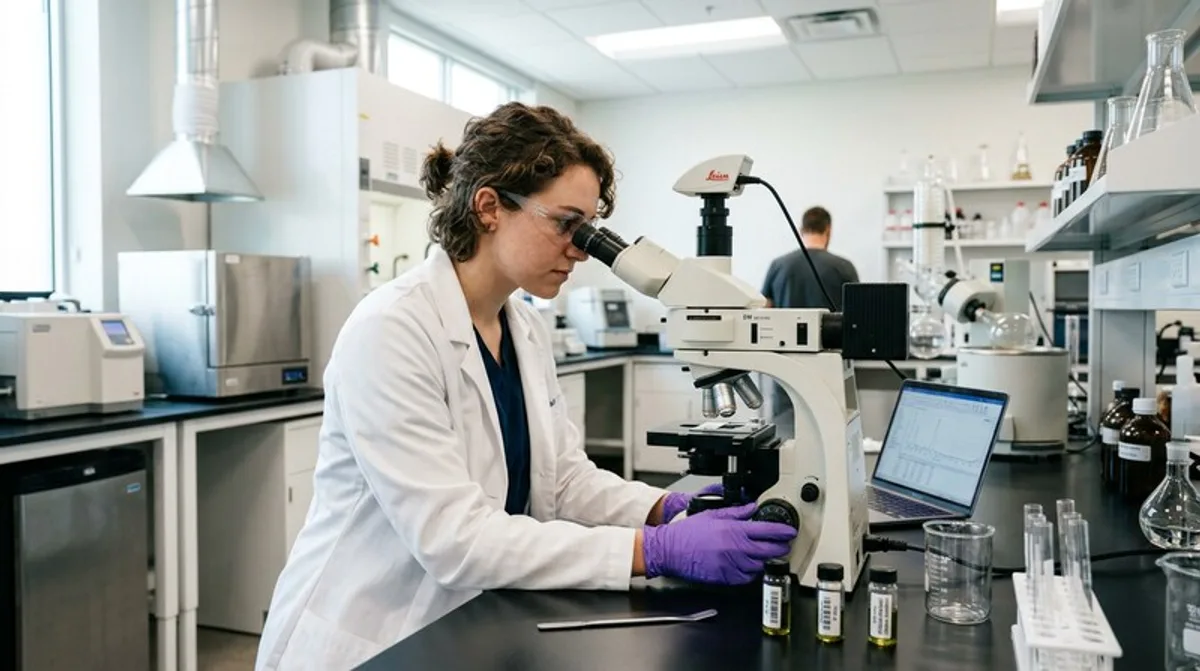
Always look for a Certificate of Analysis (COA) from an accredited third-party laboratory. The COA should confirm the CBD content matches the label, THC is below 0.3%, and the product is free from pesticides, heavy metals, residual solvents, and microbial contaminants. Reputable brands make their COAs easily accessible on their websites or via QR code on the packaging. Avoid any product that cannot provide current, batch-specific lab documentation.