Cannabis travel is legal and enjoyable in a growing number of jurisdictions worldwide — but only if you know the local rules before you arrive. Laws vary dramatically between countries, states, and even cities. This guide covers what you need to know for every major cannabis-friendly destination, plus the absolute rules that apply everywhere.
Universal Rules — These Apply Everywhere:
- Never bring cannabis to airports or onto aircraft — federal crime in the US, criminal offense internationally
- Never cross state or country borders with cannabis — even between two legal jurisdictions
- No consumption on federal land (national parks, monuments, military bases) regardless of state law
- Most hotels prohibit cannabis consumption; violating this can result in removal and property bans
- Always keep receipts from licensed dispensaries; they are your proof of legal purchase
US Cannabis Tourism: 24+ Recreational States
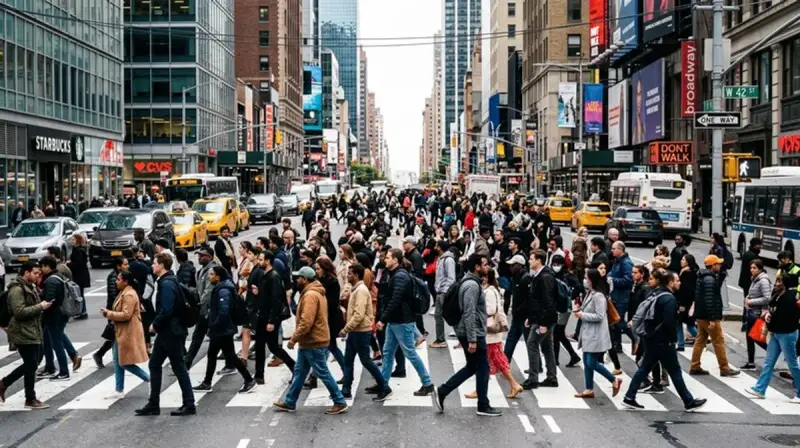
The United States has the world’s largest legal cannabis market. Adults 21+ can purchase from licensed dispensaries in recreational states without a medical card or prior registration. Show government-issued photo ID. Most states limit purchase to 1 ounce per transaction. Consumption rules vary: most states prohibit public consumption; some have licensed consumption lounges.
Top US Cannabis Destinations
| City |
State |
Why It Stands Out |
Key Rule |
| Denver |
Colorado |
First legal rec market, Cannabis Cup history, consumption lounges |
No public consumption; social clubs exist |
| Portland |
Oregon |
Widest strain selection, lowest prices in the US |
Private property consumption only |
| Las Vegas |
Nevada |
Most dispensaries per tourist; 24-hr dispensaries on Strip |
Strictly no public consumption; hotel rooms usually banned |
| Los Angeles |
California |
Largest market, delivery services, drive-through dispensaries |
No public consumption; city has licensed lounges |
| San Francisco |
California |
Haight-Ashbury history, strong CBD and wellness scene |
Designated areas only; no parks or near schools |
| Seattle |
Washington |
Mature market since 2014, wide product variety |
Private property consumption; no lounges |
| Ann Arbor |
Michigan |
University city, progressive culture, competitive prices |
Private consumption; parks not permitted |
| New York City |
New York |
Legal since 2021; fast-growing dispensary scene |
Outdoor public use where tobacco is allowed; lounges launching |
International Cannabis Destinations
Outside the United States, a handful of countries and cities offer viable cannabis tourism experiences. Each has a distinct legal framework with different rules on possession, purchase, and consumption.
| Destination |
Legal Status |
Where to Buy |
Key Rules |
Risk Level |
| Amsterdam |
Decriminalized (tolerance policy) |
Licensed coffeeshops (700+ in NL) |
18+, max 5g per visit, no alcohol mix |
Low |
| Barcelona |
Private social clubs (legal grey area) |
Cannabis social clubs (membership required) |
Private premises only; no tourist sales |
Medium |
| Berlin |
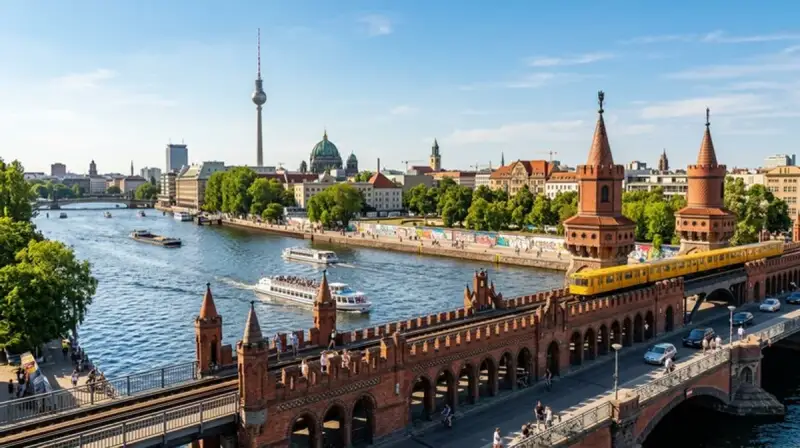
Legal for adults (CanG 2024) |
Cannabis Social Clubs (CSC) |
No public consumption near schools/playgrounds; clubs only |
Low |
| Vancouver |
Fully legal (federal, 2018) |
Provincial licensed stores (BC Cannabis Stores) |
19+; public spaces allowed where tobacco is; no near schools |
Very Low |
| Toronto |
Fully legal (federal, 2018) |
Ontario Cannabis Store, private retailers |
19+; outdoor public use permitted; no vehicles |
Very Low |
| Chiang Mai |
Partially reformed (2022, reversal possible) |
Licensed CBD/cannabis shops |
Rules changing rapidly; verify current law before travel |
Medium — verify |
| Montevideo |
Fully legal (Uruguay, 2013) |
Licensed pharmacies (residents only) |
Tourists cannot legally purchase; possession tolerated |
Low — purchase restricted |
Amsterdam: Coffeeshops and What to Expect
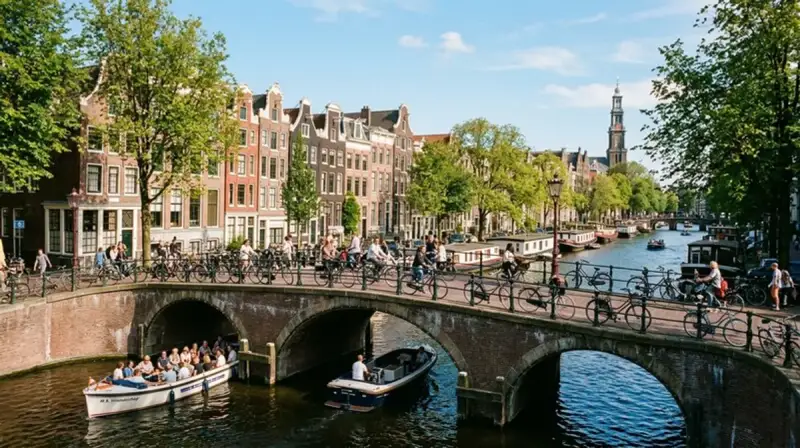
Amsterdam’s coffeeshop system operates under a formal tolerance policy (gedoogbeleid). Cannabis is technically illegal but possession up to 5 grams and licensed sale through coffeeshops is not prosecuted. There are around 160 coffeeshops in Amsterdam and roughly 700 across the Netherlands. Each shop can hold up to 500 grams in stock and sell maximum 5 grams per person per visit.
As of recent regulatory changes, some Dutch municipalities including Amsterdam have moved toward restricting coffeeshop entry to Dutch residents only (wietpas policy). Verify the current status before travel — this rule has been applied inconsistently. Coffeeshops cannot sell alcohol; most sell soft drinks, coffee, and cannabis products. No hard drugs permitted on premises.
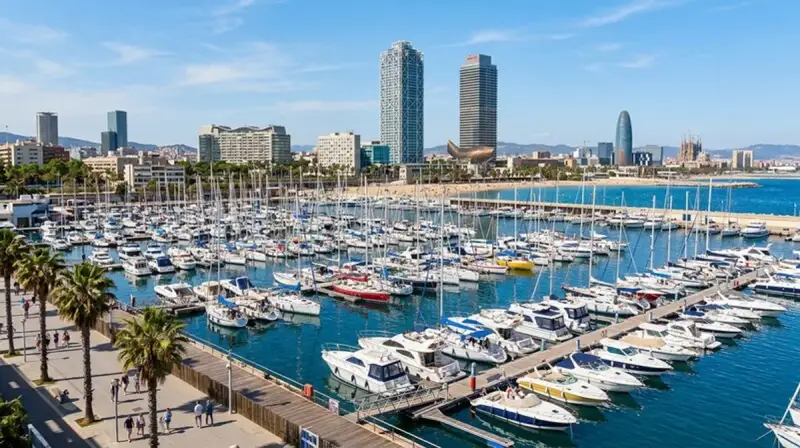
Barcelona: Cannabis Social Clubs
Barcelona’s cannabis social clubs operate in a legal grey area. They are private membership associations where members collectively grow and share cannabis — technically not a sale. Membership requires being introduced by an existing member. Tourist-facing “clubs” advertised online are frequently operating illegally and should be avoided: they expose you to poor-quality product and police risk.
Genuine clubs require a Spanish address, member referral, and membership registration. Public consumption is illegal. The Catalan government has repeatedly attempted to regulate and close unlicensed operations. This destination requires more due diligence than Amsterdam or Canadian cities.
Canada: The Cleanest Legal Framework for Travelers
Canada federally legalized cannabis in October 2018 — the first G7 country to do so. Adults 18+ (19+ in most provinces) can purchase from licensed provincial retailers with no membership, referral, or medical justification required. Products are regulated for potency and safety. Labels list THC/CBD content, production date, and licensed producer information.
Each province controls its own retail model: BC and Ontario have large networks of private and government stores; Quebec limits sales to provincial stores with strict advertising rules. You can bring up to 30 grams in public. Consumption rules follow tobacco rules in most provinces — allowed outdoors in most public spaces, prohibited near schools, playgrounds, and in vehicles.
Note: Do not bring Canadian cannabis into the US or any other country. Despite full legal status within Canada, international export is illegal under international drug conventions.
Harm Reduction for Cannabis Travelers
- Edibles abroad: go extremely slow. Edibles in unfamiliar settings with unknown potency and tolerance from travel stress are the most common cause of bad experiences. Start with 2.5–5mg and wait 2 hours before taking more.
- Keep receipts and packaging. Proof of legal purchase from a licensed dispensary is your best protection in any encounter with law enforcement.
- Know the local emergency number and nearest hospital before you consume in any new location.
- Use official state or regulatory websites to find licensed dispensaries — not just Google Maps or Weedmaps, which include unlicensed operations in some markets.
- Don’t mix with alcohol or other substances especially in unfamiliar environments where you have less control over your surroundings.
- Check laws annually — cannabis regulations change faster than any other drug policy area. A country that was legal last year may have reversed course.
Browse All Travel Guides by Region
United States
Europe
United Kingdom
Canada
Latin America & Caribbean
Africa & Middle East
Asia & Pacific