








Overview: Cannabis vs. Tobacco
Cannabis and tobacco are the two most commonly smoked plants on Earth, but their pharmacology, public health footprint, and long-term risk profiles diverge sharply. Comparing them honestly requires separating cultural baggage from biomedical evidence. The plants share one major problem — combustion produces tar and irritants regardless of what is burning — but almost everything else about how they affect the human body is different.
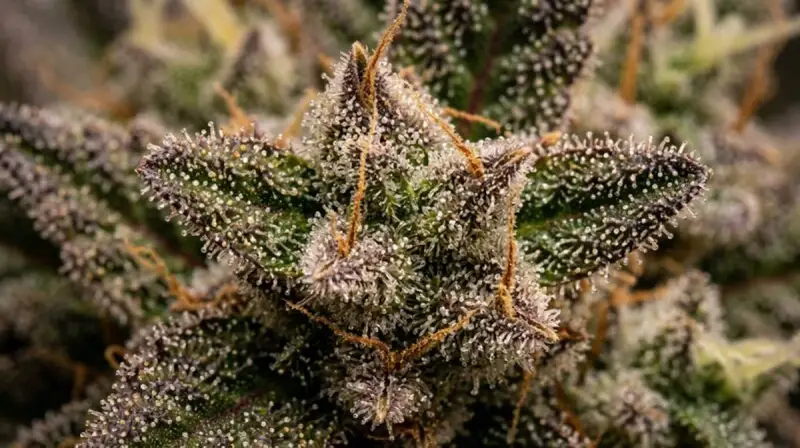
Cannabis (Cannabis sativa) contains over 400 distinct chemical compounds, including more than 100 cannabinoids such as THC and CBD, plus terpenes and flavonoids. Its primary psychoactive action occurs through the endocannabinoid system, which has no concentration of receptors in the brainstem — the anatomical reason why a respiratory-suppression overdose, like those seen with opioids, is essentially impossible. Cannabis has not been definitively linked to lung cancer in major cohort studies, and heavy users do not show the same accelerated mortality curves seen in tobacco smokers.
Tobacco (Nicotiana tabacum) tells a very different story. Cured tobacco leaf delivers nicotine, one of the most reinforcing legal psychoactive substances known, alongside a chemical cocktail of more than 7,000 compounds when combusted. Of those, the US Surgeon General has identified at least 70 as known carcinogens, including tobacco-specific nitrosamines (TSNAs) formed during curing, polycyclic aromatic hydrocarbons, formaldehyde, benzene, and radioactive polonium-210. Tobacco use kills roughly 8 million people globally each year and remains the single largest preventable cause of death worldwide.
Side-by-Side Comparison Table
Effects / Uses Comparison
Both substances are recreationally consumed, but their use cases barely overlap. Tobacco is overwhelmingly a stimulant habit pattern driven by nicotine reinforcement — users describe it as calming, but pharmacologically it raises heart rate, blood pressure, and alertness. Cannabis is a multi-modal substance that ranges from sedating indica-dominant chemovars to stimulating sativa-leaning ones, with documented therapeutic applications in chronic pain, chemotherapy-induced nausea, multiple sclerosis spasticity, and certain forms of epilepsy.
In a harm-reduction framework, the route of administration matters more than the plant itself. A combusted joint and a combusted cigarette share many of the same respiratory irritants. Switch either one to a properly heated vaporiser, and inhaled toxicant exposure drops dramatically. Switch to an oral product — edibles, tinctures, nicotine pouches — and combustion harms approach zero.
More stars = stronger expression of the attribute (e.g. more addictive, more therapeutic, more lung impact).
Lung Damage: What the Science Actually Says
The most widely cited piece of evidence here is the 2012 Pletcher et al. study published in JAMA, which followed more than 5,000 adults over 20 years. The researchers found that occasional and even moderate cannabis smoking did not produce measurable declines in lung function (FEV1 and FVC). Tobacco smokers, by contrast, showed the expected dose-dependent loss of pulmonary capacity. This finding has been replicated in subsequent cohorts, though heavy daily cannabis smokers do show elevated rates of chronic bronchitis symptoms — cough, sputum, wheeze — that typically resolve after cessation.
Crucially, no large prospective study has established cannabis smoking as an independent cause of lung cancer once tobacco use is controlled for. The reasons are debated: lower lifetime smoke exposure (cannabis users typically smoke fewer total grams), the absence of tobacco-specific nitrosamines, the antitumor activity of certain cannabinoids in laboratory models, or some combination. This does not mean inhaled smoke is safe — it means cannabis smoke does not appear to share tobacco’s extreme oncogenic profile.
Addiction Pharmacology Compared
Nicotine and THC are simply not in the same league. Nicotine reaches the brain in roughly seven seconds after inhalation, triggers rapid dopamine release in the nucleus accumbens, and clears the body quickly — producing dozens of micro-withdrawal episodes per day in dependent smokers. This rapid cycling is the engine of tobacco addiction. THC, by contrast, is highly lipophilic, accumulates in adipose tissue, and clears slowly. The reinforcement cycle is far less aggressive.
Lifetime dependence rates, drawn from NIDA and DSM-based epidemiological surveys, are roughly 32% for tobacco and 9% for cannabis. Cannabis Use Disorder (CUD) is real and clinically meaningful — particularly with high-potency concentrates and daily adolescent use — but its severity distribution sits well below tobacco use disorder. Withdrawal from cannabis includes irritability, sleep disturbance, and reduced appetite; withdrawal from nicotine adds intense cravings, cognitive impairment, and mood disturbance that can persist for weeks.
When to Choose Cannabis vs. Tobacco
From a pure harm-reduction standpoint, this comparison is genuinely lopsided. If the choice is between regular tobacco use and regular cannabis use, the evidence overwhelmingly favours cannabis as the less harmful option — particularly when consumed via vaporiser, edibles, or tinctures rather than combustion. There is no realistic scenario where starting tobacco use makes sense as a recreational choice given its mortality footprint.
That said, “less harmful” is not the same as “harmless.” Cannabis carries real risks: cognitive impairment during use, dependency potential, exacerbation of latent psychiatric conditions in vulnerable individuals, impaired driving, and chronic bronchitis from heavy smoking. Choosing cannabis over tobacco is a meaningful harm-reduction step, but choosing non-combusted cannabis over smoked cannabis is a further upgrade, and choosing moderation over daily use is upgrade beyond that.
For current tobacco smokers, evidence-based cessation tools — nicotine replacement therapy, varenicline, behavioural support — remain the gold standard. Some users do report that cannabis helps them taper off cigarettes, but the European pattern of mixing tobacco into joints can actually preserve nicotine dependence. If you are trying to quit tobacco using cannabis, eliminate tobacco from the joint entirely.
Bottom Line
Cannabis is not safe, but it is dramatically safer than tobacco on almost every measurable axis — addiction rate, carcinogen load, lung cancer linkage, and mortality. The biggest single harm-reduction step any smoker can take is to stop combusting plant material. Vaporise, eat, or apply topically. If you must choose between the two plants, the science is clear: tobacco is the more dangerous one, by a wide margin.
Jordan covers cannabis pharmacology, public health policy, and evidence-based harm reduction. His work draws on peer-reviewed research from NIDA, the WHO, and major longitudinal cohort studies.
Frequently Asked Questions
Is cannabis safer than tobacco for your lungs?
Most epidemiological evidence suggests cannabis smoke causes less long-term lung damage than tobacco smoke at comparable exposure levels, and large studies have not consistently linked moderate cannabis use to lung cancer or COPD. However, smoking anything produces harmful combustion byproducts, and heavy chronic cannabis smoking can still cause chronic bronchitis symptoms.
Which is more addictive, cannabis or tobacco?
Tobacco is significantly more addictive. Roughly 32% of tobacco users develop dependence compared to about 9% of cannabis users, according to long-running NIDA data. Nicotine produces faster, more intense reinforcement cycles than THC, and tobacco withdrawal is generally more severe.
Does cannabis contain the same carcinogens as tobacco?
Cannabis smoke and tobacco smoke share many combustion byproducts including tar, benzene, and polycyclic aromatic hydrocarbons. However, cannabis lacks nicotine and the tobacco-specific nitrosamines that drive much of cigarette-related cancer risk. Vaporising or using edibles eliminates most combustion exposure entirely.
Can switching from tobacco to cannabis reduce harm?
Replacing combusted tobacco with vaporised or non-inhaled cannabis can reduce exposure to many combustion toxins and eliminates nicotine dependence risk. However, substituting tobacco with mixed joints (tobacco plus cannabis, common in Europe) does not reduce harm and may compound it.