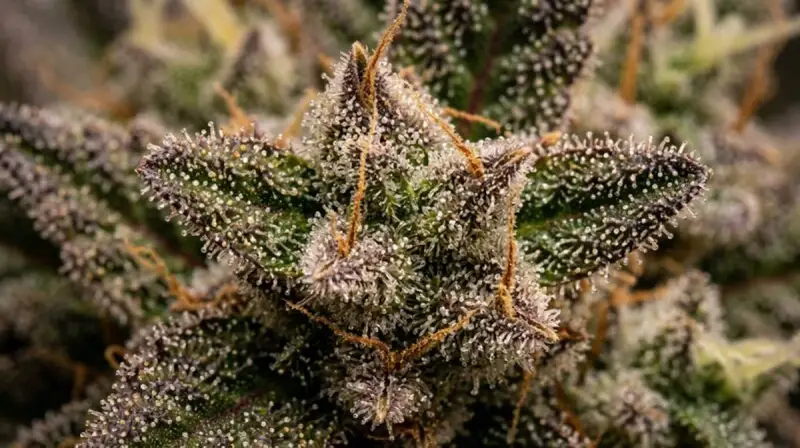
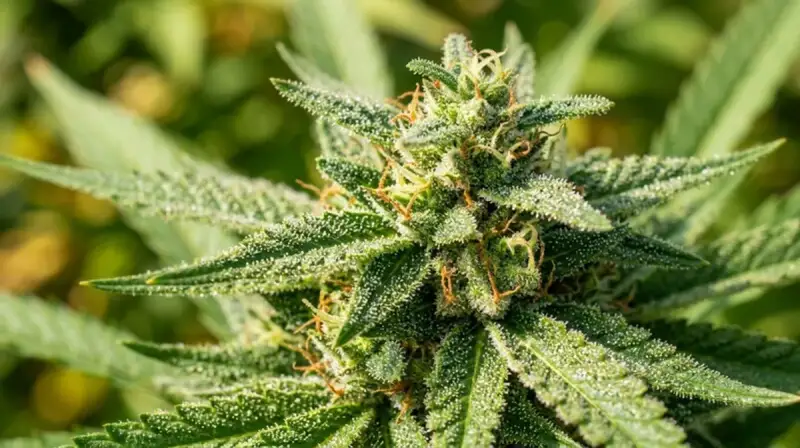
Two of the most legendary strains in cannabis history — possibly parent and offspring — face off in a complete head-to-head analysis.
20–24%
Chemdawg THC
19–26%
OG Kush THC
Mystery
Chemdawg Origins
1990s
OG Kush Era
Quick Comparison: Key Findings
Chemdawg
OG Kush
Diesel, pine, chemical, pungent
Lemon, pine, fuel, earthy
Intense cerebral, heavy-bodied
Euphoric, uplifting, stress-obliterating
20–24% THC / ~0.1% CBD
19–26% THC / ~0.3% CBD
Unknown origins (Grateful Dead lore)
Hindu Kush x Chemdawg genetics
Hybrid, sativa-leaning phenotypes
Hybrid, indica-leaning phenotypes
Best for: introspection, creativity, pain
Best for: stress, social euphoria, mood
Strain Overviews
Chemdawg — sometimes spelled Chemdog — occupies a unique position in cannabis history as a strain of genuinely mysterious provenance. The most widely accepted origin story traces its lineage to a bag of seeds purchased at a Grateful Dead concert in 1991, subsequently grown and shared between underground breeders. What emerged was a strain of startling potency and chemical complexity that would go on to father some of the most important modern cultivars in existence: Sour Diesel, OG Kush, and countless others carry Chemdawg genetics. Its aroma is aggressively chemical — diesel, pine, and an almost metallic pungency that sophisticated cannabis consumers find instantly recognizable. Its effects are some of the most cerebrally intense in the hybrid category, producing an experience that leans heavily psychoactive with significant body heaviness following closely behind.
OG Kush needs little introduction to anyone familiar with American cannabis culture. Originating in Florida in the early 1990s before achieving its iconic status on the West Coast — particularly in Los Angeles — OG Kush became the foundation of the entire Kush family and the progenitor of countless premium strains. Its exact genetics remain debated, but the most credible accounts point to a cross of Hindu Kush with Chemdawg or Lemon Thai origins. The strain is celebrated for a distinctive aroma that combines sharp lemon zest with pine resin and fuel undertones, and an effect profile that delivers strong euphoria, mood elevation, and genuine stress-dissolving properties. It is the benchmark against which much of modern hybrid cannabis is still measured.
The relationship between these strains is almost certainly one of direct lineage — Chemdawg as progenitor, OG Kush as descendant — which makes comparing them a fascinating exercise in how selective breeding can amplify certain qualities (euphoria, aroma complexity) while tempering others (intensity, disorientation). Both remain essential selections in any serious cannabis enthusiast’s collection.
Side-by-Side Cannabinoid & Terpene Profile
The chemical profiles of Chemdawg and OG Kush reveal significant overlap in their terpene architecture, which reinforces the genetic connection. Differences in specific terpene ratios and secondary cannabinoids account for the experiential divergence between parent and possible offspring.
Property
Chemdawg
OG Kush
THC Range
20–24%
19–26%
CBD Range
0.05–0.2%
0.1–0.4%
CBN
Low
Low-Moderate
#1 Terpene
Myrcene
Myrcene
#2 Terpene
Caryophyllene
Limonene
#3 Terpene
Limonene
Caryophyllene
Aroma Signature
Chemical diesel
Lemon pine fuel
Entourage Profile
Intense, amplified
Euphoric, rounded
Effects Comparison
Chemdawg’s effects are characteristically described as powerful, fast-acting, and somewhat disorienting for the uninitiated. The high arrives quickly, hitting the frontal cortex with an almost electric jolt of cerebral activity. Thoughts race, sensory perception heightens, and there is a heavy, sometimes paranoia-adjacent intensity that experienced users navigate skillfully but beginners may find challenging. The body component is substantial — muscles loosen, physical tension melts — and the overall experience combines heavy psychoactivity with progressive physical sedation that deepens over time.
OG Kush delivers a more refined, consumer-friendly version of potent hybrid euphoria. Its signature effect is a rapid and substantial mood lift — a warm, sunny euphoria that makes problems feel small and ordinary moments feel enjoyable. Physical relaxation follows the initial head rush but rarely reaches the level of immobilization that Chemdawg can produce at equivalent doses. OG Kush is deeply social at lower doses and transitions gracefully into couch-lock at higher consumption levels, making it versatile across a range of consumption contexts.
Effect Category
Chemdawg
OG Kush
Euphoria Intensity
Body Heaviness
Anxiety/Paranoia Risk
High
Moderate
Stress Relief
Social Use
Duration
2–3 hours
2–3 hours
Flavor & Aroma Comparison
The aromatic lineage connecting Chemdawg and OG Kush is clear upon first encounter. Both strains share a diesel-and-pine foundation that is the genetic signature of the Chemdawg family, but the two strains diverge meaningfully in their secondary notes and overall character.
Chemdawg’s aroma is raw and aggressive: an almost petroleum-like chemical pungency that hits immediately upon opening the jar, with pine resin and a subtle sulfurous note that some find overwhelming and others find thrillingly complex. It is not a strain for those who prefer delicate or sweet cannabis aromas. On the smoke, the chemical character softens slightly, revealing more pine and earthy tones with a diesel finish.
Chemdawg Flavor Notes
Chemical diesel (dominant)
Pine resin
Petroleum / rubber undertone
Earthy, musky base
Acrid, expansive smoke
OG Kush Flavor Notes
Lemon citrus (prominent)
Pine / wood resin
Gasoline / fuel layer
Earthy, spicy depth
Complex, layered exhale
Medical Uses Comparison
Both strains have significant medical cannabis histories. Chemdawg’s potent psychoactivity makes it particularly useful for breakthrough pain and severe nausea, as well as for patients who have developed high tolerance to milder strains. OG Kush’s broad spectrum of effects — euphoria, relaxation, and mild analgesic properties — makes it one of the most versatile medical strains available.
Medical Condition
Chemdawg
OG Kush
Chronic Pain
Excellent
Excellent
Stress & Tension
Good
Excellent
Depression
Good
Excellent
Insomnia
Good
Good
Nausea
Excellent
Good
PTSD
Moderate
Good
Growing Comparison
Both Chemdawg and OG Kush are considered challenging cultivars that reward experienced growers. Chemdawg grows tall and branchy with a strong tendency to stretch during flowering, requiring significant training to manage canopy height in indoor environments. Its powerful aroma during bloom demands carbon filter ventilation as an absolute necessity. Flowering concludes in approximately 9–10 weeks, producing dense buds coated in resin that reflect its status as a foundation breeding strain.
OG Kush presents its own challenges: it is particularly sensitive to pH fluctuations, magnesium deficiencies, and overwatering. Experienced growers consistently warn that OG Kush punishes careless cultivation practices but rewards careful growers with extraordinary bag appeal. Its compact, dense buds are trichome-rich and command premium prices in dispensaries. Flowering completes in 8–9 weeks.
Growing Factor
Chemdawg
OG Kush
Difficulty
Advanced
Advanced
Flowering Time
9–10 weeks
8–9 weeks
Indoor Yield
350–450 g/m²
400–500 g/m²
Height (indoor)
120–180 cm
90–130 cm
pH Sensitivity
Moderate
Very High
Odor Control Needed
Critical
Critical
When to Choose Chemdawg vs OG Kush
Choose Chemdawg when: you want maximum psychoactive intensity and are an experienced consumer who appreciates heavily cerebral, complex cannabis. Chemdawg is also the superior choice for patients needing powerful pain relief or severe nausea management, particularly when tolerance has rendered milder strains ineffective. Cultivators and breeders seeking a foundation strain for creating new genetics should absolutely have Chemdawg in their collection — its contribution to modern cannabis breeding cannot be overstated.
Choose OG Kush when: you want world-class stress relief and mood elevation packaged in one of the most recognizable and culturally significant strains ever produced. OG Kush is more approachable than Chemdawg for a wider range of consumers, more versatile across situations from social to solo use, and more consistently pleasant in its effect profile. For medical patients primarily targeting stress, depression, or general wellbeing, OG Kush delivers reliably and elegantly.
Bottom Line:
Chemdawg = maximum potency, intense psychoactivity, chemical complexity. OG Kush = euphoric stress relief, versatile, culturally essential. Both are all-time greats. OG Kush is more accessible; Chemdawg is for power users. Try both — their genetic relationship makes the comparison fascinating.
JP
Jordan Price
Cannabis Educator & Cultivar Specialist — 12 years studying cannabis genetics, terpene science, and medical applications across legal markets in North America and Europe.
Frequently Asked Questions
What is the difference between Chemdawg and OG Kush?
Chemdawg has mysterious origins and delivers a heavier, more disorienting cerebral effect alongside significant body heaviness. OG Kush, which likely derives partly from Chemdawg genetics, is more euphoric and mood-elevating with a recognizable lemon-pine-fuel aroma. OG Kush is considered more recreational and social; Chemdawg is more introspective and intensely psychoactive.
Is Chemdawg the parent of OG Kush?
Almost certainly, yes. OG Kush is widely believed to descend from Chemdawg genetics crossed with Hindu Kush and possibly a Lemon Thai. This explains the overlapping diesel and pine notes in both strains, as well as their similar hybrid effect profiles. Chemdawg is considered one of the most influential parent strains in North American cannabis history.
Which is stronger, Chemdawg or OG Kush?
Chemdawg and OG Kush are closely matched in potency. Chemdawg tests at 20–24% THC while OG Kush ranges 19–26%. Some OG Kush phenotypes edge higher, but Chemdawg’s effect weight often feels disproportionate to its THC number, suggesting the full terpene profile amplifies the psychoactive experience significantly.
Which is better for stress relief, Chemdawg or OG Kush?
OG Kush is consistently ranked among the best strains for stress relief due to its euphoric, mood-elevating properties and the sense of physical wellbeing it produces. Chemdawg provides stress relief as well, but its more intense cerebral effects can sometimes feel overwhelming under high-stress mental states. For straightforward stress management, OG Kush is generally the safer and more reliably enjoyable choice.