






Quick Comparison: Key Findings
- Onset: 30–120 minutes
- Duration: 4–8 hours
- Bioavailability: 4–12% (hepatic first-pass)
- Dosing precision: Fixed per piece
- Discretion: Very high
- Taste: Flavored, no cannabis taste
- Sugar content: Usually yes
- Travel friendliness: High
- Onset: 15–45 minutes (sublingual)
- Duration: 2–4 hours
- Bioavailability: 20–35% (sublingual)
- Dosing precision: Very high (by drop)
- Discretion: High
- Taste: Earthy, herbal (or flavored)
- Sugar content: Usually none
- Travel friendliness: High
Understanding Each Format
Cannabis Gummies: The Modern Edible Standard
Cannabis gummies have become the dominant form of cannabis edibles in legal markets worldwide. They offer a familiar, candy-like format that completely masks the taste and smell of cannabis, making them accessible to a broad audience including those who dislike the traditional cannabis flavor. Each gummy contains a standardized dose — typically 5mg, 10mg, or 25mg of THC and/or CBD — eliminating the guesswork of homemade edibles.
After ingestion, gummies are processed through the digestive system. THC is absorbed in the intestines and then metabolized by the liver (the first-pass effect), where delta-9-THC is converted to 11-hydroxy-THC — a more potent metabolite that crosses the blood-brain barrier more effectively than delta-9. This metabolic conversion is why edibles often produce a more intense and longer-lasting effect than inhaled cannabis at equivalent doses.
The primary challenges with gummies are the slow, unpredictable onset (which leads many users to accidentally over-consume while waiting for effects) and the relatively low bioavailability (4–12%) due to the digestive process and first-pass metabolism. Variables like stomach contents, individual metabolism, and fat content of the gummy all affect how and when the effects are felt.
Cannabis Tinctures: The Precision Tool
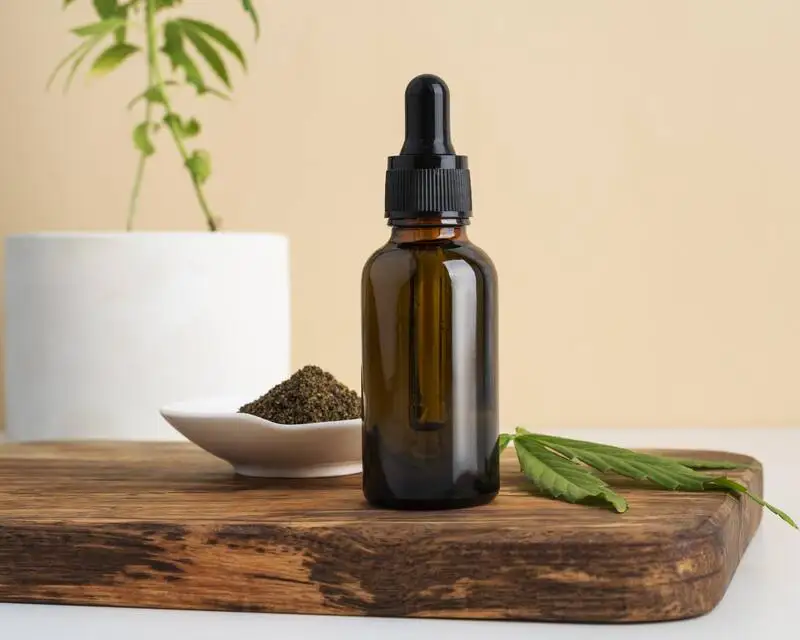
Cannabis tinctures are concentrated liquid extracts of cannabis, typically in an alcohol (ethanol) or carrier oil (MCT/coconut oil) base. They are administered sublingually — a few drops held under the tongue for 60–90 seconds before swallowing. This sublingual route allows cannabinoids to be directly absorbed through the mucous membrane into the bloodstream, bypassing the lengthy digestive process.
The sublingual route delivers significantly higher bioavailability (20–35%) compared to edibles and produces faster onset — typically 15–45 minutes vs 30–120 minutes for gummies. The effects also tend to be shorter-lasting (2–4 hours) and more predictable in intensity, making tinctures the preferred choice for medical cannabis patients who need consistent, titrated dosing.
Modern tinctures come in a wide range of formulations: full-spectrum (containing all cannabinoids and terpenes), broad-spectrum (THC removed), CBD isolate, and precise THC:CBD ratios. The dropper bottle format allows users to start with very small doses (0.25ml) and gradually increase, making tinctures the most dose-adjustable form of cannabis available outside of inhalation.
Bioavailability & Pharmacokinetics Comparison
| Metric | Gummies (Oral) | Tinctures (Sublingual) |
|---|---|---|
| Bioavailability | 4–12% | 20–35% |
| Onset Time | 30–120 min | 15–45 min |
| Peak Effect | 2–3 hours post-ingestion | 45–90 min after dose |
| Duration | 4–8 hours | 2–4 hours |
| Metabolism Route | Hepatic (liver) | Mucous membrane → blood |
| Main Metabolite | 11-hydroxy-THC | Delta-9-THC (primarily) |
| Effect Predictability | Low–Moderate | High |
| Affected by Food? | Yes, significantly | Minimally |
Important: The lower bioavailability of gummies doesn’t mean they’re weaker — it means more cannabinoids are needed to achieve the same effect. The 11-hydroxy-THC produced by liver metabolism is actually more potent and longer-lasting than delta-9-THC, which is why edibles can feel significantly stronger than expected even at equivalent mg doses.
Effects Experience: Gummies vs Tinctures
The subjective effect experience differs significantly between these two formats, even when the same strain and cannabinoid content is used.
Gummies produce a wave-like experience. There’s a long waiting period followed by a gradual onset, then a peak that can feel surprisingly intense — often more body-heavy and longer-lasting than inhaled or sublingual cannabis. Because 11-hydroxy-THC is the primary active metabolite, the effect often has a deeper, more sedating quality. This makes gummies excellent for sleep, chronic pain, and situations requiring prolonged relief.
Tinctures held under the tongue for 60+ seconds produce effects that more closely resemble inhalation in terms of onset speed — though still slower. The effect is crisper, more predictable, and generally easier to modulate. If you take too little, you can add more relatively quickly; if you take a bit much, the effects subside faster than with a gummy. This titration ability is invaluable for medical users or those dialing in their ideal dose.
- Deep, heavy body relaxation
- Prolonged duration (4–8h)
- Sleep-promoting at higher doses
- More intense sedation
- Variable intensity (food-dependent)
- Harder to reverse if overdone
- Cleaner, more cerebral high
- Shorter, more manageable duration
- Easier to dose precisely
- Effects resemble inhalation
- Consistent regardless of meals
- Easier dose correction
Video: How to Choose Between Gummies and Tinctures
A practical guide to picking the right cannabis format for your lifestyle and health goals.
Taste, Ingredients & Dietary Considerations
For many users, especially those new to cannabis or seeking a discreet option, taste is a major deciding factor. Gummies taste like candy — fruit-flavored, sweet, and completely masking any cannabis flavor. This makes them highly accessible and enjoyable as a standalone product. However, most commercial gummies contain sugar, corn syrup, gelatin (not vegan), or artificial colors and flavors. Vegan, sugar-free, and organic options exist but are premium-priced.
Tinctures have a more acquired taste — earthy, herbal, and sometimes bitter, depending on whether they use an alcohol (sharper, faster absorption) or MCT oil (smoother, slightly slower) base. Many brands offer flavored tinctures (peppermint, citrus, berry) that significantly improve palatability. For people avoiding sugar, gelatin, or artificial additives, tinctures are the healthier option.
| Consideration | Gummies | Tinctures |
|---|---|---|
| Cannabis Taste | Masked (fruity) | Noticeable (herbal) |
| Sugar Content | Usually yes | Usually none |
| Vegan-Friendly | Often not (gelatin) | Yes |
| Gluten-Free | Usually yes | Yes |
| Shelf Life | 6–12 months | 12–24 months |
Medical Uses & Clinical Applications
From a clinical perspective, tinctures are the preferred format for most medical cannabis applications due to their dose flexibility, faster onset, and predictability. Physicians who recommend cannabis typically favor tinctures because dosing can be adjusted in small increments to find the therapeutic window without the risk of overshooting that comes with fixed-dose gummies.
Where gummies excel medically: Sleep disorders and chronic pain benefit greatly from gummies’ long duration of action. A 10mg THC gummy taken 1–2 hours before bed can provide the full night’s pain relief and sleep promotion that would require multiple doses of a tincture.
Where tinctures excel medically: Anxiety disorders, nausea management, and breakthrough pain require faster onset and precise control. Tinctures allow patients to respond quickly to acute symptoms without waiting 1–2 hours for a gummy to kick in. For cancer patients managing chemotherapy-induced nausea, tinctures can be administered quickly and take effect before symptoms worsen.
- Insomnia & sleep disorders
- Chronic pain (sustained relief)
- Appetite stimulation
- Inflammatory conditions
- Long-haul travel discomfort
- Anxiety & acute stress
- Nausea (rapid relief)
- Breakthrough pain
- Epilepsy (CBD tinctures)
- Dose-sensitive conditions
Cost, Shelf Life & Practical Comparison
| Factor | Gummies | Tinctures |
|---|---|---|
| Average Cost (10mg dose) | $1–$4 per piece | $0.50–$2 per serving |
| Shelf Life (unopened) | 6–12 months | 12–24 months |
| Portability | Excellent | Good |
| Dose Adjustability | Fixed per piece | Fully adjustable |
| Micro-dosing Suitability | Moderate (cut gummies) | Excellent |
| Child-Safety Risk | High (looks like candy) | Lower (dropper bottle) |
Safety Note: Cannabis gummies pose a significant accidental ingestion risk for children due to their candy-like appearance. Always store in child-proof, locked containers away from areas accessible to children. This is one area where tinctures have a clear safety advantage.
When to Choose Each Format
- Maximum discretion and convenience
- Long-lasting effects for sleep or chronic pain
- No cannabis taste whatsoever
- Simple, pre-measured dosing
- A shared social cannabis experience
- A familiar, candy-format product
- Faster onset for acute symptoms
- Precise dose control for medical use
- Micro-dosing flexibility
- Sugar-free, clean-label option
- Longer shelf life
- Better cost per mg of cannabinoid
Jordan Price has spent over a decade researching cannabis pharmacology, consumption methods, and patient education. With expertise in cannabinoid bioavailability and dosing protocols, Jordan helps both new and experienced users make informed, safe choices about their cannabis consumption.
Frequently Asked Questions
Gummies are metabolized by the liver, which converts delta-9-THC into 11-hydroxy-THC — a more potent metabolite that crosses the blood-brain barrier more effectively. This is why even relatively modest doses of edibles (10–15mg) can produce more intense effects than equivalent sublingual doses. Tinctures primarily deliver delta-9-THC directly into the bloodstream, which is potent but doesn’t produce the same metabolic amplification.
For maximum sublingual absorption, hold the tincture under your tongue for 60–90 seconds before swallowing. This allows cannabinoids to be absorbed directly through the sublingual mucosa into the bloodstream. If you swallow immediately, the tincture is processed like an edible — slower onset and lower bioavailability. Alcohol-based tinctures are absorbed somewhat faster than oil-based ones due to the alcohol’s ability to permeate mucous membranes more readily.
Technically yes, but it requires careful dose management. The different onset times mean you could experience additive effects with a significant time delay — the tincture will hit first (15–45 min) and then the gummy effects will layer on top (30–120 min later). This is sometimes done intentionally for sustained pain relief, but inexperienced users risk over-consuming by not waiting to feel the combined effect. Start with much lower doses of each if combining.
Gummies are generally better for sleep due to their longer duration and the sedating quality of 11-hydroxy-THC. A THC gummy (5–10mg) or a THC+CBN gummy taken 1–2 hours before bed can provide sleep onset assistance and sustained sleep maintenance throughout the night. Tinctures may also help but their shorter duration means effects may wear off mid-sleep. For insomnia patients, tinctures with high CBN content are a viable alternative that balances faster onset with sleep-promoting effects.