



Quick Comparison: Key Findings
- THC: 18–22%
- CBD: <1%
- Flavor: Berry, citrus, earthy, spicy
- Effect: Psychedelic, cerebral, euphoric
- Best for: Creative sessions, morning use
- Onset: Fast, intense
- Duration: 2–3 hours
- Difficulty: Moderate to grow
- THC: 17–24%
- CBD: 0.1–2%
- Flavor: Blueberry, sweet, vanilla, earthy
- Effect: Balanced, calming, creative
- Best for: Daytime, socializing, stress
- Onset: Gradual, smooth
- Duration: 2–4 hours
- Difficulty: Easy, beginner-friendly
Strain Overviews: Heritage and Legacy
Purple Haze: The Hendrix Strain
Purple Haze is one of the most culturally iconic cannabis strains ever created. Born from a cross between Haze and Purple Thai — two landrace-influenced genetics — Purple Haze carries a lineage rooted in the psychedelic cannabis culture of the late 1960s and 70s. The name is famously associated with Jimi Hendrix’s 1967 song, and the strain lives up to its legendary status with an unmistakable cerebral effect that borders on the psychedelic.
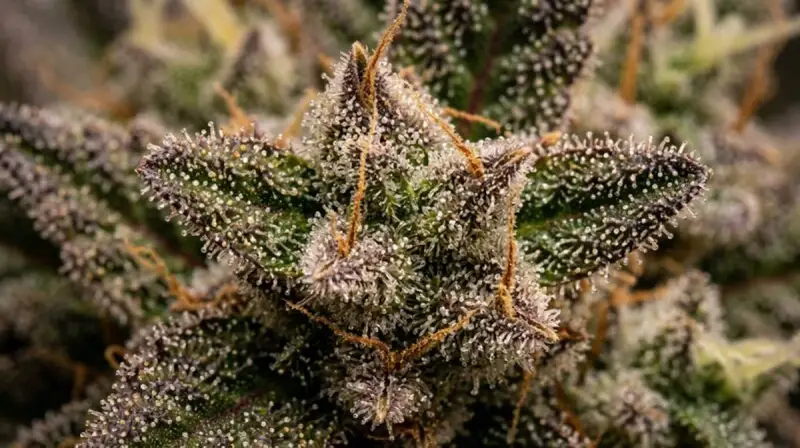
Visually, Purple Haze is stunning. Its buds exhibit deep purple and violet hues, especially when grown in cooler temperatures, with orange pistils weaving through frosted trichomes. The aroma profile is complex: a mix of berry sweetness, citrus zest, and a spicy, earthy earthiness that becomes unmistakable once you’ve experienced it.
The THC content sits comfortably in the 18–22% range, making it potent but not overwhelming. The sativa dominance (approximately 60–70% sativa) means the high is primarily cerebral — energizing, thought-provoking, and sometimes accompanied by mild visual enhancement and heightened sensory perception.
Blue Dream: America’s Favorite Hybrid
Blue Dream has spent years as one of the best-selling cannabis strains across legal markets in the United States. A cross between DJ Short’s legendary Blueberry and a Santa Cruz Haze phenotype, Blue Dream occupies a unique space: sativa-dominant enough to provide uplifting energy, but with enough indica influence to offer bodily relaxation and stress relief.
The flavor profile is immediately recognizable — a rich blueberry sweetness with vanilla undertones and a herbal Haze finish. It’s the kind of strain that’s hard not to enjoy. THC levels typically range from 17 to 24%, with occasional phenotypes pushing even higher, while CBD content sits just above zero (0.1–2%), which contributes to its smooth, anxiety-minimizing effect profile.
Where Purple Haze launches you into a psychedelic orbit, Blue Dream eases you into a gentle, creative uplift. It’s a workhorse strain — reliable, pleasant, and approachable for both new and experienced users.
Cannabinoid & Terpene Profile Comparison
| Compound | Purple Haze | Blue Dream |
|---|---|---|
| THC Content | 18–22% | 17–24% |
| CBD Content | <1% | 0.1–2% |
| CBG | 0.5–1% | 0.3–0.8% |
| Primary Terpene | Terpinolene | Myrcene |
| Secondary Terpene | Ocimene | Caryophyllene |
| Tertiary Terpene | Myrcene | Pinene |
| Genetics | Haze × Purple Thai | Blueberry × Haze |
| Sativa/Indica Ratio | 65% S / 35% I | 60% S / 40% I |
Effects Comparison: What to Expect
The effects of these two strains diverge significantly despite sharing Haze genetics. Purple Haze hits with an immediate, intense head rush. Within minutes of consumption, users typically notice heightened sensory awareness, a buzzing energy behind the eyes, and a surge of creative, sometimes disorganized thought. The psychedelic quality isn’t hallucination-level, but it’s more pronounced than most modern strains — colors may appear more vivid, music sounds richer, and ordinary activities take on a new dimension.
Blue Dream comes on more gradually. The onset is smooth, often described as a gentle wave washing over the mind before settling into the body. Rather than Purple Haze’s intensity, Blue Dream provides a pleasant, functional uplift — mentally clear, motivated, and sociable without the anxiety risk that can come with higher-THC sativas.
- Intense cerebral euphoria
- Psychedelic sensory enhancement
- Creative and introspective thinking
- Energizing, active buzz
- Mild body relaxation
- Can cause anxiety in high doses
- Strong appetite stimulation
- Smooth, balanced euphoria
- Gentle mental clarity
- Motivating, focused energy
- Light body relaxation
- Sociable, conversational
- Low anxiety profile
- Mild pain relief
Both strains share the uplifting, happy quality that characterizes good sativa genetics. However, the differences in intensity make them suited for different contexts. Purple Haze is better reserved for intentional sessions — art projects, music, solo exploration — while Blue Dream shines in social settings, daytime productivity, and moments when you need enhancement without impairment.
Video: Purple Haze vs Blue Dream Deep Dive
A visual walkthrough of both strains’ characteristics, effects, and growing profiles.
Flavor & Aroma Comparison
Flavor is where these strains diverge most dramatically. Purple Haze is earthy and complex — the aroma has a distinct grape-berry sweetness overlaid with spicy, herbal notes and a hint of citrus. On the exhale, experienced users often detect a slight metallic or floral note that’s characteristic of Haze-dominant genetics. The terpene profile, led by terpinolene and ocimene, creates a flavor experience that’s both fruity and herbaceous — unmistakably cannabis, but with a layered complexity.
Blue Dream’s flavor is considerably more approachable. The Blueberry parentage comes through strongly — ripe, juicy blueberries with a sweet vanilla undertone that smooths out any harshness. The Haze genetics add a floral, slightly spicy complexity that keeps it interesting without overwhelming the fruity base. Myrcene and caryophyllene work together to create a more rounded, full-bodied flavor that most users find immediately pleasant.
| Flavor Note | Purple Haze | Blue Dream |
|---|---|---|
| Primary Flavor | Berry & Earthy | Blueberry & Sweet |
| Secondary Flavor | Spicy, Citrus | Vanilla, Herbal |
| Aroma Intensity | Strong | Moderate-Strong |
| Smoke Quality | Smooth to sharp | Very smooth |
Medical Uses & Therapeutic Potential
Both strains have well-documented therapeutic applications, though they serve different patient needs due to their effect profiles.
Purple Haze is particularly valued by medical users for its potent anti-depressant and mood-elevating properties. The intense cerebral stimulation can break through mental fog associated with depression, ADD/ADHD, and chronic fatigue. Patients with PTSD sometimes use it for its ability to shift mental states rapidly. However, the psychedelic intensity means it’s not ideal for patients prone to anxiety or paranoia.
Blue Dream has broader medical applicability thanks to its balanced profile. It’s commonly used for chronic stress, mild-to-moderate pain, depression, nausea, and fatigue. The slight CBD content and myrcene-dominant terpene profile contribute mild anti-inflammatory effects. Its low anxiety profile makes it accessible for a wider range of patients, including those newer to cannabis medicine.
- Depression & mood disorders
- ADD/ADHD focus support
- Chronic fatigue
- Creative blocks / mental fog
- Appetite stimulation
- Stress & anxiety relief
- Chronic pain management
- Depression
- Nausea (chemo support)
- Headaches & migraines
Growing Comparison
For home growers, the choice between these strains involves trade-offs in yield, difficulty, and flowering time.
| Grow Factor | Purple Haze | Blue Dream |
|---|---|---|
| Difficulty | Moderate | Easy |
| Flowering Time | 9–10 weeks | 9–10 weeks |
| Indoor Yield | 350–450g/m² | 400–500g/m² |
| Outdoor Yield | 450–550g/plant | 500–700g/plant |
| Height | Tall (120–180cm) | Very tall (150–200cm) |
| Mold Resistance | Moderate | Good |
| Best Climate | Warm, Mediterranean | Warm, tolerates variation |
Blue Dream is generally recommended for beginner growers due to its vigorous growth, resistance to common stresses, and forgiving nature. Purple Haze requires more attention — particularly managing its tall, lanky growth pattern and ensuring adequate temperature drops late in flower to coax out the iconic purple coloration.
When to Choose Each Strain
- A genuine psychedelic cannabis experience
- Intense creative inspiration
- A classic, historic strain with character
- Strong mood elevation for depression
- A conversation-starting grow with purple buds
- Unique flavor complexity
- All-day functional use without impairment
- Social, approachable effects for any setting
- A reliable, easy-to-grow high-yielder
- Balanced stress and pain relief
- A beginner-friendly but high-quality experience
- Smooth, universally pleasant flavor
Jordan Price has spent over a decade studying cannabis genetics, cultivation, and therapeutic applications. With hands-on experience growing dozens of classic strains and a background in plant biology, Jordan brings both scientific rigor and practical grower’s insight to every comparison on ZenWeedGuide.
Frequently Asked Questions
In terms of subjective intensity, Purple Haze feels stronger for most users because of its psychedelic, cerebral nature — even though Blue Dream can have higher THC percentages (up to 24%). THC percentage alone doesn’t determine intensity; terpene profile and genetic heritage play major roles. Purple Haze’s terpinolene-dominant profile amplifies the psychoactive experience in a way that feels more intense than Blue Dream’s myrcene-led high.
Blue Dream is significantly better suited for anxiety-prone users. Its myrcene-dominant terpene profile, trace CBD content, and balanced sativa-indica ratio all contribute to a calmer experience. Purple Haze’s intense cerebral stimulation can trigger or worsen anxiety in sensitive individuals, especially at higher doses. For medical anxiety management, Blue Dream is the clear choice between these two strains.
Yes, but Purple Haze requires significant height management indoors. The plants can stretch dramatically during flowering — often doubling in height. LST (low-stress training), topping, and SCROGs are commonly used to manage canopy height. Indoor growers should also note that achieving the iconic purple coloration requires intentional temperature drops (to around 50°F/10°C at night) during the final weeks of flowering.
They share Haze ancestry, which explains some similarities in their cerebral effect profiles. However, their other parent genetics are very different — Purple Haze descends from Purple Thai landrace genetics, while Blue Dream comes from DJ Short’s Blueberry strain. This divergence in parentage is what creates their distinct flavor profiles, growth characteristics, and effect nuances despite the shared Haze backbone.