






- Quick verdict: Wax is softer, easier to handle, and better for beginners; shatter is more shelf-stable and preferred by experienced dabbers seeking maximum potency.
- Shared process: Both are BHO (butane hash oil) extracts — the only meaningful difference is the post-extraction finishing technique.
- Texture difference: Wax is soft, opaque, and malleable; shatter is hard, translucent, and glass-like. This affects handling, storage, and dosing precision.
- Terpene preservation: Wax often retains more volatile terpenes due to lower-temperature purging; shatter’s extended heat purge can reduce aromatic complexity.
- Shelf life: Shatter lasts longer at room temperature due to its stable crystalline molecular structure.
- Dabbing technique: Wax loads with a scoop tool; shatter snaps into pieces. Both perform best at 450–550°F nail temperatures.
- Cannabis laws vary by state — always verify legality in your jurisdiction before purchasing concentrates.
Overview: Two Concentrates, One Extraction Method
As the legal cannabis market has matured across the United States, concentrates have moved from a niche enthusiast product to a mainstream category found in virtually every licensed dispensary. Among the most popular are wax and shatter — two forms of butane hash oil (BHO) that share a common extraction foundation but diverge dramatically in final texture, appearance, and practical use.
Both products are produced by passing liquefied butane through tightly packed cannabis plant material, stripping cannabinoids and terpenes from the flower and trim. The resulting crude oil is then purged of residual solvent using vacuum ovens and heat. What happens during that purge — specifically whether the oil is agitated or left undisturbed — is what determines whether the final product becomes wax or shatter. This seemingly small procedural difference has cascading consequences for texture, handling, flavor, and shelf life that matter enormously in practice.
Whether you’re a first-time concentrate user curious about cannabis effects at higher potency levels, a medical patient exploring medical cannabis options, or a seasoned dabber looking to refine your preferences, understanding the distinctions between wax and shatter is essential. This guide breaks down every meaningful difference, drawing on extraction science, consumer experience, and the practical realities of dispensary shopping.
“Concentrates like wax and shatter represent some of the most potent cannabis products on the market today — understanding their differences is essential for safe, effective, and enjoyable use.”
Side-by-Side Comparison
The table below compares wax and shatter across the most important criteria for cannabis consumers and patients.
| Criteria | Wax | Shatter |
|---|---|---|
| Texture & Appearance | Soft, opaque, crumbly or creamy; resembles earwax or butter | Hard, translucent, glass-like; amber to honey-colored |
| Typical THC Potency | 60–85% THC | 70–90% THC |
| Extraction Method | BHO — butane purged with agitation | BHO — butane purged without agitation |
| Post-Extraction Finishing | Whipped, stirred, or agitated during purge | Spread flat, undisturbed, extended vacuum purge |
| Ease of Handling | High — easy to scoop and portion | Moderate — brittle, can crumble unpredictably |
| Shelf Life / Stability | Moderate — degrades faster in heat and light | High — stable structure resists degradation longer |
| Terpene Preservation | Good — softer texture often retains more terpenes | Moderate — high-temp purging reduces terpenes |
| Flavor Profile | Often richer and more aromatic in fresh form | Cleaner, more neutral baseline flavor |
| Average Price (per gram) | $25–$45 at licensed dispensaries | $30–$60 at licensed dispensaries |
| Best Consumption Method | Dab rig, wax pen, vaporizer | Dab rig, nectar collector |
| Storage Recommendation | Silicone container, refrigerator or cool dark space | Parchment paper, cool and dark; less prone to sticking |
| Beginner Friendliness | Recommended for newcomers | Better for experienced dabbers |
The BHO Production Process: What Wax and Shatter Share
To understand what separates wax and shatter, you first need to understand the process they share. Butane hash oil extraction begins with tightly packed cannabis flower, trim, or a combination of both loaded into a sealed extraction tube or closed-loop system. Liquefied butane is passed through the material at very low temperatures — often around -40°F in professional setups — dissolving the lipophilic cannabinoids and terpenes from the plant matter into the solvent.
The resulting solution is collected, then subjected to vacuum purging in an oven typically set between 90°F and 120°F. This process removes residual butane from the extract, leaving behind a concentrated oil rich in THC, CBD, and other cannabinoids. Residual solvent testing — required in all licensed legal states — confirms that well-made BHO products fall below safe detection thresholds of typically less than 500 parts per million. The quality of starting material, the extraction temperature, and the skill of the extractor all significantly influence the final product’s cannabinoid and terpene profile before the finishing process begins.
It is at the finishing stage — specifically whether the oil is agitated during purging — that the paths of wax and shatter diverge. Learn more about how concentrate extraction relates to terpene content in our terpenes guide.
Deep Dive: Cannabis Wax
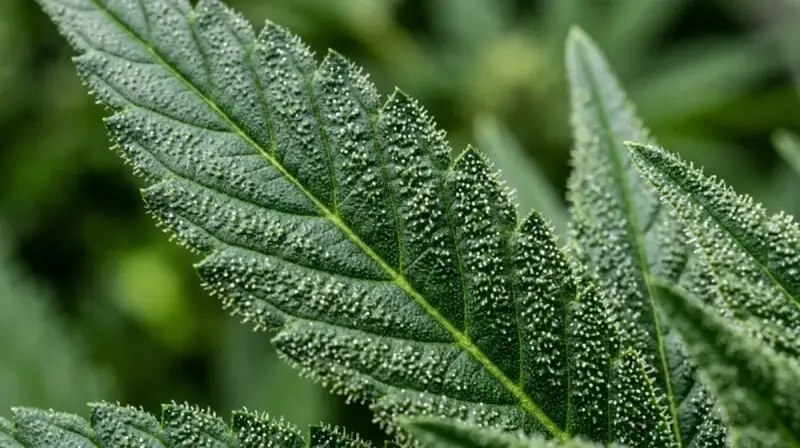
Cannabis wax gets its name from its soft, malleable texture that loosely resembles candle wax or earwax. It is produced through butane hash oil extraction, but the critical difference lies in what happens after the solvent is purged. With wax, the extracted oil is agitated during the purging process — stirred, whipped, or worked with tools — which disrupts the molecular crystallization that would otherwise produce a glassy, transparent product. This agitation introduces air into the material, resulting in the characteristic opaque, fluffy, or creamy consistency.
There are several subcategories of wax, each with slightly different textures. Budder (or butter) is whipped to a smooth, creamy consistency. Crumble is drier and more powdery, making it easy to sprinkle over a bowl or into a joint for added potency. Honeycomb has a porous, wafer-like structure that resembles its namesake. All fall under the broad wax umbrella and share similar potency profiles and handling characteristics.
Terpene Preservation in Wax
One of wax’s most important advantages is its potential to preserve more volatile terpenes. Because wax is typically purged at lower temperatures or for shorter durations than shatter, the monoterpenes and sesquiterpenes that give cannabis strains their distinct aromas have less opportunity to evaporate. This is particularly evident in live wax — produced from flash-frozen fresh cannabis — where the terpene content can approach that of live resin. For flavor-focused consumers and medical patients who prioritize the entourage effect, wax often offers a richer aromatic experience than shatter from the same batch of starting material.
Strengths of Wax
- Ease of use: The soft consistency makes it simple to portion with a dab tool, reducing waste and frustration for beginners.
- Terpene richness: Lower-temperature purging methods used for some wax types preserve more volatile terpenes, contributing to fuller flavor and potentially enhanced entourage effects.
- Versatility: Wax works well in dab rigs, wax pens, and portable vaporizers, giving consumers flexibility in how they consume.
- Widely available: Wax is one of the most commonly stocked concentrate formats at licensed dispensaries across legal states.
- Beginner-friendly dosing: Soft wax is easy to eyeball and divide into small, manageable portions for new consumers calibrating their tolerance.
Weaknesses of Wax
- Shorter shelf life: The disrupted molecular structure that creates wax’s soft texture also makes it more susceptible to oxidation, heat, and light degradation. Improperly stored wax can “budder up” — darkening, losing terpenes, and degrading in potency over weeks.
- Messy handling: Soft wax can stick to tools, fingers, and containers if not stored properly in silicone or parchment-lined containers.
- Variable consistency: Batch-to-batch texture can vary significantly depending on humidity, temperature, and the extractor’s technique, which affects how consumers portion and dose the product.
Best For
Wax is ideal for beginner concentrate users, those who prioritize flavor and terpene content, and consumers who use portable wax pens or vaporizers. It’s also an excellent choice for medical patients exploring cannabis for symptom relief who want manageable dosing without wrestling with brittle material. Check out popular strains used in wax production in our strain library.
Deep Dive: Cannabis Shatter
Shatter is widely regarded as one of the most visually striking cannabis concentrates available. Its name perfectly describes its nature — a hard, thin, glass-like sheet of concentrated cannabis oil that literally shatters when broken. Unlike wax, shatter is produced by allowing the BHO extract to sit completely undisturbed during the purging process. Without agitation, the cannabinoid and terpene molecules align into a uniform, semi-crystalline molecular structure, creating that signature translucent, amber-toned appearance.
The clarity of shatter is often cited as a marker of purity — the more translucent and golden, the fewer plant impurities remain in the final product. However, clarity alone doesn’t guarantee a superior experience; lab testing for residual solvents and full cannabinoid profiling at a licensed testing facility remains the only true quality benchmark. Shatter’s stability comes at a cost: the extended high-temperature vacuum purging required to achieve that glassy texture drives off a portion of the volatile terpenes that would otherwise contribute to flavor and entourage effects.
The Shatter Production Nuance: BHO Finishing Temperature
Professional shatter extractors typically purge at temperatures between 100°F and 120°F for extended periods — sometimes 24–72 hours — in a vacuum oven. The longer and hotter the purge, the more complete the solvent removal and the more stable the final structure. Some extractors use cold-cure techniques, starting at higher temperatures and dropping to 70–80°F toward the end of the purge, to try to retain more terpenes while still achieving shatter’s characteristic snap. Even with these refinements, shatter generally contains fewer volatile terpenes than comparable wax produced from the same run.
Strengths of Shatter
- Shelf stability: Shatter’s uniform molecular structure makes it more resistant to degradation from heat, light, and time compared to wax, making it the better choice for long-term storage.
- High potency ceiling: Premium shatter products regularly reach 85–90% THC, making it one of the most potent readily available concentrate formats at licensed dispensaries.
- Clean appearance: Translucency signals purity and is associated with high-quality starting material and skilled extraction technique — though always verify with a Certificate of Analysis.
- Less mess in cool climates: In cooler environments, shatter is easy to store on parchment paper without sticking to containers or tools.
- Longer dispensary shelf life: Properly made shatter can maintain quality for months at room temperature, giving dispensaries and consumers more flexibility.
Weaknesses of Shatter
- Brittle handling: Shatter can splinter into unpredictable fragments when broken, making consistent portioning challenging — especially for precise medical dosing.
- Temperature sensitivity: In warm or humid environments, shatter can soften and become sticky — counterintuitively becoming harder to handle than wax in some climates.
- Lower terpene content: The extended purging process can drive off volatile aromatic compounds, potentially reducing flavor complexity and the entourage effect.
- Higher price point: The additional processing time and skill required to produce quality shatter often translates to a higher price per gram at dispensaries.
Best For
Shatter is best suited for experienced dabbers who prioritize potency and shelf life, consumers who store concentrates long-term, and those who prefer using a traditional dab rig setup. Its stability also makes it a popular choice in states where concentrates are purchased less frequently and stored between sessions. Explore concentrate-friendly strains in our full strain database.
Dabbing Technique: Wax vs Shatter on the Rig
The practical differences between wax and shatter become most apparent at the dab rig. For wax, you’ll use a scoop-style or spoon dab tool to pick up a portion of the soft material and load it directly onto a heated quartz banger or titanium nail. Start with a portion roughly the size of a grain of rice for your first dab and adjust from there based on your experience level and tolerance.
For shatter, you’ll first need to snap or break the hard sheet into smaller pieces. This can be done with your fingernails, a dab tool, or by placing the shatter between two pieces of parchment paper and pressing gently. Once broken into appropriately sized pieces, load them onto the nail the same way you would wax. Because shatter is denser, it may require slightly higher nail temperatures — in the 500–550°F range — to fully vaporize cleanly.
Both concentrates benefit significantly from low-temperature dabbing. Nails heated to 450–550°F preserve far more terpene character and produce smoother, more flavorful vapor than the red-hot nails of old-school dabbing. An infrared thermometer or an e-nail with temperature control is a worthwhile investment for regular concentrate consumers who want to maximize both flavor and efficiency.
Storage: Keeping Your Concentrates Fresh
Proper storage extends shelf life and preserves the potency and flavor of both wax and shatter. The two primary enemies of concentrate quality are heat and light — UV light breaks down THC and degrades terpenes, while heat accelerates oxidation and causes wax to “budder up.” For short-term storage (under two weeks), silicone concentrate containers kept in a cool, dark drawer work well for wax. Shatter stores best on non-stick parchment paper inside a sealed glass or silicone container.
For long-term storage (weeks to months), both concentrates benefit from refrigerator or freezer storage. Place the sealed container in a zip-lock bag before refrigerating to prevent moisture condensation when removing. Allow refrigerated concentrates to return to room temperature before opening to prevent condensation from contaminating the product.
Which Should You Choose?

| Your Priority | Recommended Choice | Why |
|---|---|---|
| I’m new to concentrates | Wax | Easier to handle, portion, and load onto a dab tool |
| I want maximum flavor | Wax (especially live wax) | Lower-temp purge retains more volatile terpenes |
| I want maximum potency | Shatter | Higher THC ceiling; denser molecular structure |
| I store concentrates long-term | Shatter | Stable structure resists degradation over weeks and months |
| I use a wax pen or vaporizer | Wax | Soft consistency loads cleanly into pen chambers |
| I use a traditional dab rig | Either | Both work well; shatter preferred for experienced dabbers |
| I’m on a budget | Wax | Generally $5–$15 less per gram at most dispensaries |
For most consumers, especially those newer to the concentrate category, wax provides the better overall experience. It’s more forgiving to handle, tends to deliver richer flavor, and is widely available across dispensary price tiers. Experienced dabbers who prioritize potency, shelf stability, and the precision of working with a glassy product will likely prefer shatter — particularly from extractors known for exceptional starting material.
Whatever you choose, always purchase from licensed dispensaries in legal states and verify that your product comes with a Certificate of Analysis from an accredited lab. Residual solvent levels, cannabinoid potency, and terpene content should all be documented. Visit our state cannabis guides to check the legal status in your state.
Price Comparison at Licensed Dispensaries
| Product Tier | Wax (per gram) | Shatter (per gram) |
|---|---|---|
| Budget / Entry-Level | $20–$30 | $25–$35 |
| Mid-Range | $30–$45 | $35–$55 |
| Premium / Live Wax or Live Shatter | $45–$70 | $55–$80 |
Prices vary significantly by state, dispensary, and brand. States with mature, competitive markets (Colorado, Oregon, Michigan) generally have lower concentrate prices than newer markets. Dispensary loyalty programs, bulk purchasing, and daily deals can further reduce per-gram costs for regular consumers.
Frequently Asked Questions
Can I make wax or shatter at home?
Home extraction using flammable solvents like butane is extremely dangerous and illegal in most states without a licensed facility. The closed-loop systems used by professional extractors are specifically designed to prevent solvent buildup and explosion risk. The safer at-home alternative is rosin pressing — applying heat and mechanical pressure to cannabis flower or hash to express resin. Depending on technique, rosin can produce wax-like or shatter-like textures without any solvents. See our live resin vs rosin comparison for more detail.
Does wax or shatter have more terpenes?
In most cases, wax retains more terpenes due to its lower-temperature purging process. The volatile monoterpenes that give cannabis strains their distinctive aromas — myrcene, limonene, terpinolene — evaporate at relatively low temperatures. Shatter’s extended heat purge tends to drive more of these off, resulting in a product with cleaner flavor but less aromatic complexity. For the richest terpene experience in the concentrate category, live resin or hash rosin typically outperform both. Learn more in our terpenes guide.
Why does my shatter turn into wax over time?
This process is called nucleation or “buddering off,” and it’s a natural phenomenon. When shatter is exposed to heat, moisture, or physical agitation over time, the stable molecular structure slowly breaks down and cannabinoid crystals begin to form, turning the product opaque and waxy. Buddered shatter is not ruined — it’s still potent and usable — but it loses the aesthetic and handling characteristics that make shatter distinctive. Proper storage in a cool, dark, airtight environment significantly slows this process.