


Key Findings
- Decriminalized since 1994: The Constitutional Court ruling C-221/1994 protects personal cannabis use as a constitutional right.
- 22g dosis personal: Adults can legally possess up to 22 grams of cannabis without criminal penalty.
- 20 plants home grow: Personal cultivation of up to 20 plants is permitted under Colombian law.
- Medical industry since 2016: Law 1787 launched a licensed medical sector now exporting globally.
- World's lowest prices: Quality cannabis costs $2-5 USD per gram in major cities.
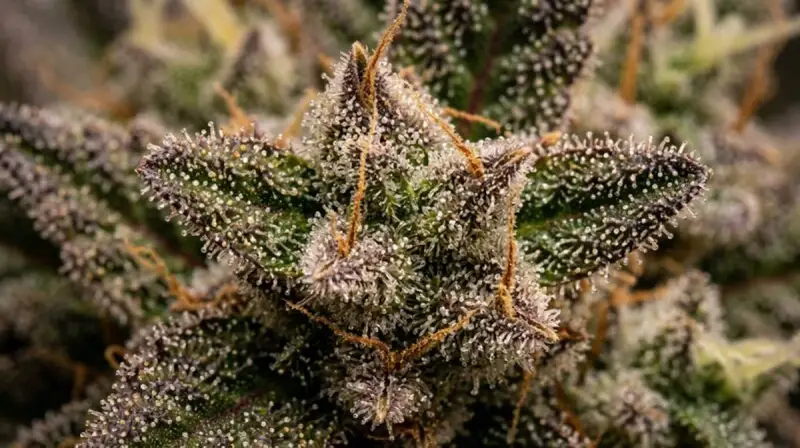
- Legendary landrace heritage: Home to Colombian Gold, Santa Marta Gold and Punto Rojo strains.
- Open culture in Medellin & Bogotá: El Poblado, Laureles, Chapinero and La Candelaria neighborhoods are 420-friendly.
Legal Status at a Glance
Current Legal Framework
Colombia has one of the oldest and most progressive cannabis legal frameworks in the world, predating most of the recent global reform wave by decades. The foundation is Constitutional Court Sentence C-221 of 1994, a landmark ruling that struck down criminal penalties for personal drug use on constitutional grounds. The Court reasoned that the right to the free development of personality, enshrined in Colombia's 1991 Constitution, protects adults' decisions about their own bodies — including the choice to consume cannabis. This made Colombia the first country in the Americas to constitutionally protect personal cannabis use.
The ruling established the concept of the dosis personal (personal dose): a quantity considered consistent with personal consumption rather than trafficking. For cannabis, this was set at 22 grams. Possessing 22 grams or less of cannabis carries no criminal penalty in Colombia, and police are required to release individuals carrying personal amounts without charge.
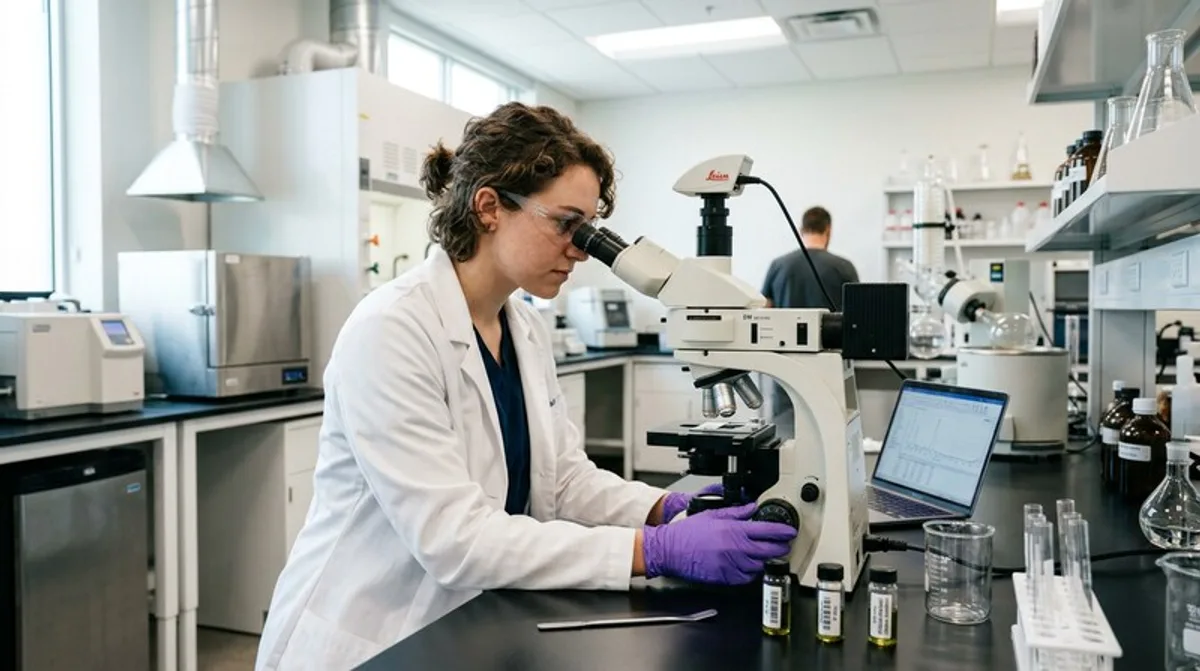
In 2016, Colombia took a second major step with the passage of Law 1787, which legalized and regulated medical cannabis. The law established a licensing system for cultivation, processing, manufacturing, distribution, sale and export of medical cannabis products. Implementing regulations through Decree 613 (2017) created four license categories administered by the Ministry of Health and Ministry of Justice. This framework has transformed Colombia into one of the world's largest legal medical cannabis producers.
Home cultivation rights are also significant: Colombian law allows individuals to grow up to 20 plants for personal consumption without a license. This is among the most generous home-grow allowances anywhere in the world, reflecting the country's long-standing acceptance of cannabis as part of personal autonomy.
It is important to understand what remains restricted. Commercial sale of recreational cannabis is still illegal, and trafficking carries serious prison sentences. A 2018 police code amendment (Decree 1844) attempted to ban public consumption, but the Constitutional Court has repeatedly upheld personal-use rights, and enforcement has been inconsistent. In practice, the framework protects use and personal-scale cultivation while criminalizing organized commerce.
Penalties & Police Enforcement
Police enforcement of cannabis laws in Colombia is generally minimal for personal-use scenarios. Officers encountering a tourist or local with under 22 grams cannot legally charge them with a crime. The most common outcome of a low-level encounter is a brief check of the cannabis and a release. In some cases, particularly in tourist areas, police may attempt to extract small bribes — a problem to be aware of, though one that has decreased in recent years.
Above the 22-gram threshold, the situation becomes more discretionary. Quantities slightly above the personal dose may be argued as still being for personal use, but prosecution is possible. Above roughly 100 grams, possession is much more likely to be treated as trafficking, with penalties ranging from 64 to 108 months in prison under the Colombian penal code. Trafficking convictions are severe and prison conditions are harsh — this is not a country where you want to be charged with a drug crime.
Public consumption near schools, hospitals and in some designated areas can result in administrative fines (around 200,000-400,000 COP, roughly $50-100 USD), though enforcement is sporadic. Discretion in residential streets, parks and private settings is generally tolerated, especially in cannabis-friendly neighborhoods.
Medical Cannabis Program
Colombia's medical cannabis program, established under Law 1787 (2016), has become one of the most developed in Latin America. The program licenses cultivation, manufacturing and export of medical cannabis products, and Colombian companies now export to Germany, Australia, Brazil, the UK, the United States and dozens of other countries.
The Ministry of Health authorizes products containing CBD and THC for therapeutic use. Patients can access medical cannabis through prescriptions from registered physicians, and a small but growing number of pharmacies stock cannabis-based medications. Conditions commonly treated include chronic pain, epilepsy, multiple sclerosis spasticity, chemotherapy-induced nausea, and palliative care symptoms.
For tourists, the practical impact of the medical program is indirect — there is no medical reciprocity for foreign cards, and the medical channel is not a recreational supply route. However, the existence of a robust legal industry has normalized cannabis socially and economically, helping shift broader public attitudes.
Tourist Guide: Where to Go & What to Expect
Colombia offers an exceptionally welcoming environment for cannabis-curious travelers, particularly in its major cities. Here are the key destinations:
Medellin
Once notorious for cartel violence, Medellin has transformed into one of South America's most attractive cities and a hub for digital nomads. El Poblado is the upscale expat district with rooftop bars, cafes and a visible cannabis culture among the international crowd. Laureles is more local, walkable and increasingly popular with long-term visitors — discreet consumption in parks and private spaces is common. Prices in Medellin range from 10,000-20,000 COP per gram (roughly $2.50-5 USD) for quality flower.
Bogotá
The capital is colder and higher-altitude but offers an enormous cannabis scene. Chapinero (especially Chapinero Alto) is the youth and LGBTQ+ district with a very open cannabis culture. La Candelaria, the historic colonial center, sees frequent open consumption among the student and backpacker crowd. Usaquén offers a more upscale, family-friendly experience with cafes and weekend markets.
Santa Marta & Sierra Nevada
For cannabis history enthusiasts, the Sierra Nevada de Santa Marta is sacred ground — this is the origin region of Colombian Gold and Santa Marta Gold. Some tour operators offer farm visits and educational experiences focused on traditional cultivation, though authentic landrace tours require careful operator vetting.
Cartagena & the Caribbean Coast
Cartagena is a beautiful colonial port city and major tourist destination. Cannabis culture exists but is more discreet than in Medellin or Bogotá due to higher tourist police presence. Personal-use protection still applies fully.
Practical Tips for Cannabis Tourists
- Carry under 22g at all times — this is your legal shield.
- Buy through trusted social connections, not street dealers. Hostels, expat communities and cannabis-aware cafes are better sources.
- Avoid consuming near schools, hospitals, police stations or in obvious public touristic zones.
- Never attempt to leave the country with cannabis — airport security is strict and trafficking penalties are severe.
- Know that "bareta" or "marihuana" are common local terms. Quality has improved dramatically, with indoor-grown flower widely available.
- Respect local communities — even where consumption is tolerated, it is not universally welcomed.
Cannabis Culture & History
Cannabis arrived in Colombia in the colonial era, but the modern history is inseparable from the country's geography. The Sierra Nevada de Santa Marta — a coastal mountain range rising to 5,700 meters from sea level — provides ideal conditions for sativa cultivation: equatorial sun, varied altitude microclimates, and reliable rainfall. By the 1960s, the region was producing some of the world's most sought-after cannabis.
Colombian Gold became globally famous in the 1960s and 1970s, when it dominated the North American market. The "Santa Marta Gold" subtype, with its distinctive golden-yellow buds and clear, energetic high, achieved near-mythic status among connoisseurs. Punto Rojo (Red Point), distinguished by reddish pistils developed in cold mountain nights, is another legendary landrace from the Sierra Nevada.
The U.S.-led "War on Drugs" devastated traditional cultivation in the 1980s and 1990s, with aerial fumigation programs targeting cannabis fields. Many original landrace lines were lost or hybridized, though dedicated seed preservation efforts have rescued and propagated authentic Colombian genetics to global markets. Today, almost every modern sativa-dominant hybrid carries some Colombian heritage in its genetic background.
Culturally, cannabis occupies a complicated position in Colombian society. Indigenous and Afro-Colombian communities have used the plant medicinally and culturally for generations. Urban youth culture embraces cannabis openly. Older generations and conservative regions remain more skeptical. The 1994 Constitutional Court ruling reflects a distinctly Colombian approach — pragmatic protection of personal liberty without endorsing commercial markets.
Industry & Market Data
Since the 2016 medical legalization, Colombia has rapidly become a global leader in legal cannabis production. Key data points: