Complete guide to cannabis laws, penalties, and travel advice
Key Findings: Cannabis in Czechia
Recreational Status
Illegal but Decriminalized (up to 10g)
Medical Status
Legal Since 2013
Decriminalization Threshold
10 Grams (Misdemeanor Fine)
Home Cultivation
Up to 5 Plants (Misdemeanor)
Trafficking
1–10 Years Prison
Traveler Risk Level
LOW-MEDIUM — Relaxed Enforcement
Legal Status of Cannabis in Czechia
Czechia (the Czech Republic) has one of Europe's most pragmatic cannabis frameworks. Since a government decree in 2010 and subsequent legislative clarifications, possession of small amounts of cannabis for personal use is treated as a misdemeanor (přestupek) rather than a criminal offense. This means the criminal justice system is largely bypassed for personal users who stay within the 10-gram threshold.
Recreational cannabis remains technically illegal — Czechia has not legalized cannabis for adult use. However, the combination of decriminalization of small quantities, a medical program since 2013, relatively liberal policing in major cities, and a strong push from left-leaning parties for full legalization makes Czechia one of the more permissive environments in Central Europe for cannabis users.
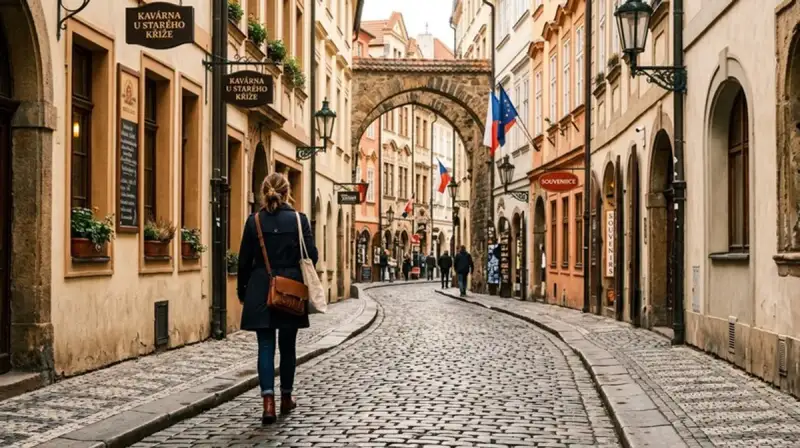
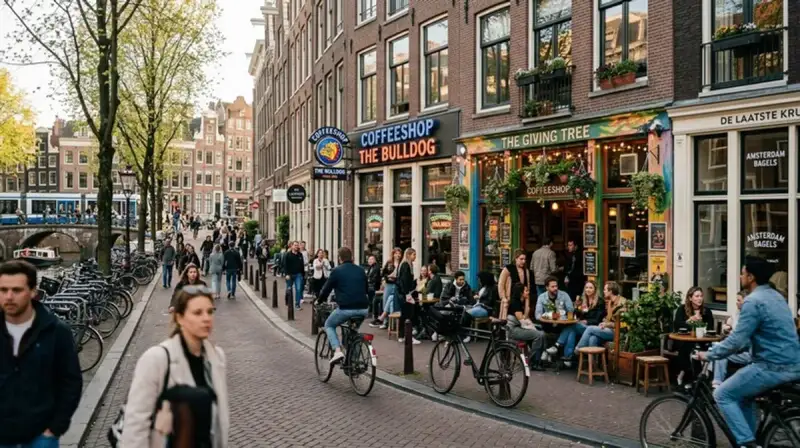
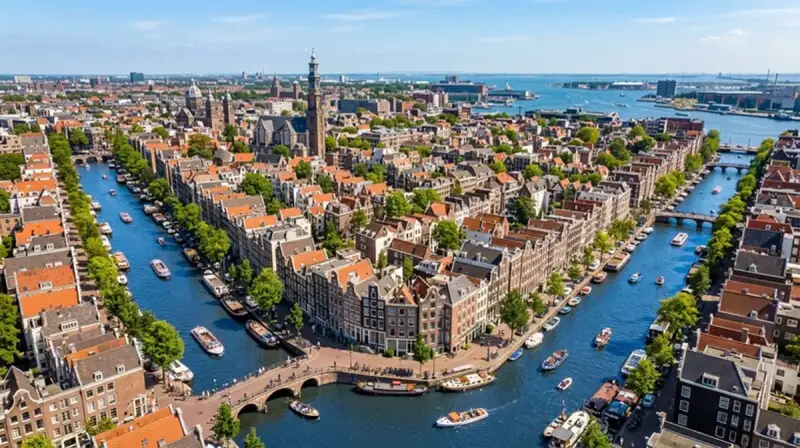
Prague in particular has developed an international reputation as a cannabis-tolerant city. Unlike Amsterdam's regulated coffee shop system, Prague has no licensed cannabis retail for recreational use. Instead, a combination of decriminalized personal possession, relatively unenforced public consumption in parks and outdoor spaces, and a steady supply through informal networks creates a de facto tolerance zone that attracts cannabis tourists from across Europe.
Czech politics on cannabis legalization have shifted significantly. The Social Democrats and Pirate Party have both introduced detailed legalization frameworks in parliament. The most recent proposal models a regulated adult-use market with licensed stores, age verification, and public health safeguards. The political coalitions needed to pass such legislation have been difficult to assemble, but support for cannabis reform in Czech public opinion polls consistently exceeds 50%.
Czechia's approach to cannabis reflects a broader harm-reduction philosophy that has also shaped its drug policy on other substances. The country has long maintained needle exchange programs, decriminalized personal quantities of most drugs, and invested in treatment over punishment. Cannabis sits within this philosophical framework, treated as a public health concern rather than a moral failing requiring criminal sanction.
Possession Laws and Penalties
The Czech decriminalization framework creates a two-tier system. Below 10 grams, the offense is administrative. Above 10 grams — or when evidence suggests intent to supply — the offense becomes criminal. The 10-gram threshold applies to dried cannabis; for plants, up to 5 plants is the analogous administrative threshold.
Offense
Threshold
Legal Status
Penalty
Personal possession
Up to 10g
Misdemeanor
Fine up to 15,000 CZK (~600 EUR)
Home cultivation
Up to 5 plants
Misdemeanor
Fine up to 15,000 CZK
Possession above threshold
Over 10g
Criminal offense
Up to 1 year prison or fine
Intent to supply (any amount)
Any
Criminal offense
1–5 years prison
Trafficking (organized)
Commercial scale
Serious criminal offense
5–10 years prison
Cultivation above 5 plants
6+ plants
Criminal offense
Up to 5 years prison
Supply to minors
Any
Aggravated offense
Up to 10 years prison
Police discretion plays a significant role in how these rules are applied. Prague police are generally known for issuing fines rather than pursuing formal misdemeanor proceedings for amounts below 10 grams, particularly for tourists. However, this informal tolerance varies by officer, district, and circumstances. Public consumption near schools, children, or in confrontational situations carries higher enforcement risk.
Tourists from EU countries should be aware that a Czech misdemeanor fine is a civil record, not a criminal conviction — but it does create a police encounter record that may affect future visa applications or border crossings, particularly to non-EU countries with strict drug entry policies like the United States or Japan.
The threshold system also interacts with what police find on your person at the time. Possession of 9 grams with rolling papers, lighters, and multiple small bags is far more likely to be treated as potential supply than 9 grams in a single pouch with nothing else. Context matters even within the formal thresholds.
Medical Cannabis in Czechia
Czechia legalized medical cannabis in April 2013, making it one of the earlier EU member states to do so. The program allows physicians to prescribe cannabis for a range of conditions including chronic pain, multiple sclerosis, oncology-related symptoms, and epilepsy. Patients fill prescriptions at designated pharmacies that participate in the medical cannabis distribution network.
The medical program in Czechia has faced ongoing challenges with supply availability and cost. Medical cannabis is not covered by the national health insurance system (zdravotní pojištění) and must be paid for entirely out of pocket, making it expensive relative to average Czech wages. This cost barrier has limited uptake and pushed some patients toward the informal market.
Products available through the medical system include dried cannabis flowers from approved suppliers — primarily imported from the Netherlands and other licensed EU producers — and standardized extracts. Patients can possess their prescribed supply legally and carry prescriptions when traveling within the EU under Schengen health documentation protocols.
Patient advocacy groups have repeatedly called for insurance coverage, expanded prescribing authority, and domestic production licenses. The government has been receptive in principle but slow to implement systemic changes. The most commonly cited barriers are cost and the limited number of physicians comfortable prescribing cannabis products.
Cannabis Cultivation Laws in Czechia
Growing up to 5 cannabis plants in Czechia is treated as a misdemeanor under the same administrative framework as personal possession below 10 grams. This means home growers with 5 or fewer plants face a fine rather than criminal prosecution — a significantly more liberal approach than most EU neighbors.
Above 5 plants, cultivation becomes a criminal offense with potential imprisonment. Scale significantly aggravates sentencing: a greenhouse operation of dozens of plants would be treated as production for supply and prosecuted accordingly. The threshold between personal cultivation and production for supply is evaluated by prosecutors based on total yield potential, packaging and storage practices, and the presence of distribution infrastructure.
Industrial hemp cultivation (below 0.3% THC) is legal with registration and is practiced widely in Bohemia and Moravia. Czechia is one of the EU's significant hemp producers, particularly for fiber and seed. The CBD market in Czechia has grown considerably, with domestic extraction operations producing oils, capsules, and topicals for the domestic and export markets.
Trafficking and Import Penalties
Trafficking cannabis in Czechia carries sentences ranging from 1 to 10 years, with organized trafficking of large quantities attracting penalties toward the top of this range. The Czech criminal code addresses drug trafficking in Sections 283–287, with aggravated circumstances including organized crime involvement, trafficking to minors, and abuse of official position.
Importing cannabis into Czechia — including across EU borders from countries with more permissive regimes — is treated as a trafficking offense rather than simple possession. The fact that cannabis may be legal to purchase in the source country provides no legal protection under Czech law. This applies to all entry points, including the many road crossings from Germany and Austria.
Czech police have participated in EU-wide operations targeting cannabis trafficking networks, and the country's position at the center of Europe makes it a transit country for cannabis moving from production regions in southern and eastern Europe toward western consumer markets. This means anti-trafficking enforcement capacity is well-developed even if personal use enforcement is relaxed.
Prague Cannabis Culture and Tourism
Prague occupies a unique position in European cannabis tourism. The city lacks the regulated infrastructure of Amsterdam or the post-legalization retail of Canada, but its combination of decriminalized personal possession, dense urban park culture, and historically liberal policing has made it a destination for cannabis-aware European travelers.
Riegrovy Sady park in Vinohrady — one of Prague's most popular parks — has been particularly associated with open cannabis use. Wenceslas Square, Letná Park, and areas around the Old Town have also been noted by travel writers for relaxed public consumption visibility. This is not officially sanctioned but reflects ground-level enforcement reality.
Cannabis seeds from Czech online and retail seed shops are sold legally. Czechia has a flourishing seed market with producers and retailers distributed across the country. This legal seed trade supports both domestic cultivation and a significant export business to European customers seeking legally purchased genetics.
The absence of legal dispensaries means that cannabis for recreational use in Czechia is obtained through informal networks, not regulated retail. Quality, potency, and safety are not subject to the oversight that characterizes legal markets. Products available through informal channels may contain contaminants, be mislabeled for potency, or involve exposure to other substances. This is an important risk consideration for travelers unfamiliar with the informal market.
Travel Safety for Cannabis Tourists
Czechia is generally considered one of the more cannabis-tolerant destinations in Europe for travelers, but this tolerance is informal and cannot be relied upon as a legal protection. The practical risk for a tourist possessing under 10 grams is a fine — unpleasant and potentially complicating for border crossing purposes but not resulting in a criminal record.
Travelers should stay well within the 10-gram threshold, avoid any behavior that could be interpreted as dealing, and consume in genuinely private settings rather than assuming parks are safe zones. Enforcement can and does happen in parks; it simply happens less than the law technically requires.
Do not cross Czech borders with cannabis. All neighboring countries — Germany, Austria, Slovakia, Poland — have their own frameworks, and all treat cross-border transport as a more serious offense than simple possession. German police at the Czech border conduct spot checks targeting drug transport. Slovak and Polish authorities are considerably stricter than Czech enforcement, making cross-border movement particularly risky.
Keep documentation of your identity accessible. Czech police have the right to request identification during stops, and not having ID can complicate the encounter even for minor infractions. EU passport holders and tourists from countries with bilateral agreements with Czechia should carry their passport or national ID card.
Recent Developments and Legalization Debate
Czech cannabis politics are in a period of genuine flux. The Social Democrat party has been the most prominent advocate for full recreational legalization, proposing a model with licensed retail, age-gated access, home cultivation rights, and social equity provisions. The Pirate Party has also supported a regulated model with comparable architecture.
The current government coalition's position has been cautious — supportive of improving the medical program and reviewing decriminalization thresholds, but not yet committed to recreational legalization legislation. Germany's Cannabis Act has intensified the discussion significantly, with Czech media and policymakers closely monitoring implementation outcomes across the border and drawing comparisons to Czechia's own framework.
Industrial hemp policy is also evolving. The EU has moved to raise the THC threshold for hemp from 0.2% to 0.3%, and Czechia is expected to align with this change, potentially expanding the commercial hemp and CBD sector further. Czechia's agricultural capacity, existing hemp infrastructure, and central European logistics position make it well-suited to become a significant cannabis and hemp producer if regulatory conditions continue to develop favorably.
Social media and cannabis reform advocacy organizations have been particularly active in Czechia, with campaigns modeled on successful German advocacy ahead of the 2024 German Cannabis Act. The political timing of Czech reforms will likely depend on coalition dynamics following the next parliamentary election cycle.
Cannabis Policy Analyst at ZenWeedGuide. Covers international drug law, traveler safety, and regulatory frameworks across 60+ jurisdictions worldwide.
Last reviewed: May 2026
Frequently Asked Questions
Is cannabis decriminalized in Czechia?
Yes. Possession of up to 10 grams of cannabis in Czechia is a misdemeanor rather than a criminal offense, resulting in a fine of up to 15,000 CZK rather than criminal prosecution. The same framework applies to cultivation of up to 5 plants. Above these thresholds, criminal law applies with potential imprisonment.
Is there a cannabis culture in Prague?
Prague has a relaxed and visible cannabis culture. Public consumption is technically illegal but widely practiced in parks with minimal enforcement. The city lacks Dutch-style coffee shops but is known among cannabis tourists for tolerant policing. Riegrovy Sady, Letná Park, and areas around Wenceslas Square are associated with visible cannabis use, though informal tolerance can change without notice.
What is the penalty for cannabis possession in Czechia?
Up to 10 grams: misdemeanor fine of up to 15,000 CZK (approximately 600 EUR). Above 10g with personal use intent: criminal charge with up to 1 year prison. Intent to supply: 1–5 years. Organized trafficking: 5–10 years. The threshold distinctions depend on evidence and prosecutorial discretion.
Is medical cannabis legal in Czechia?
Yes. Medical cannabis has been legal in Czechia since 2013. Patients with qualifying conditions can obtain a physician prescription and purchase from designated pharmacies. The program is not covered by national health insurance, making it costly for many patients. Home cultivation for medical use is not permitted — all medical cannabis must flow through the official pharmacy supply chain.