Key Findings: Germany Cannabis Laws 2024-2026
| Recreational Status: |
Partially Legal (KCanG) |
| Medical Status: |
Legal Since 2017 |
| Commercial Retail: |
Not Available (Phase 2 Delayed) |
| Tourist Purchase: |
No Legal Channel |
| Risk Level: |
Medium for Tourists |
Legal Status at a Glance
| Category |
Status |
Details |
| Recreational Use |
Legal |
Adults 18+ since April 1, 2024 under KCanG; Social Clubs and home growing only |
| Medical Cannabis |
Legal |
Since March 2017; pharmacy dispensing; GKV reimbursement possible (~30%) |
| Public Possession |
Up to 25g |
Maximum 25 grams dried cannabis in public spaces |
| Home Cultivation |
3 Plants |
Up to 3 flowering plants; 50g storage at home; must prevent access by minors |
| Retail Access |
Not Available |
Phase 2 commercial pilot delayed; no dispensaries operational as of 2026 |
| Driving Limit |
3.5 ng/mL |
Blood serum THC; replaced 1.0 ng/mL limit in 2024; zero tolerance with alcohol |
| Tourist Access |
No Purchase |
Social Club membership requires German residency; no retail alternative exists |
Current Legal Framework
Germany's cannabis landscape underwent a historic transformation on April 1, 2024, when the Cannabis Act (Cannabisgesetz, KCanG) entered into force. This legislation, passed by the Bundestag on February 23, 2024, and approved by the Bundesrat on March 22, 2024, represented the most significant drug policy reform in the country's history. The KCanG removed cannabis from the German Narcotics Act (Betäubungsmittelgesetz, BtMG) Annex I, where it had been classified since 1972 alongside heroin and other prohibited substances.
Under KCanG Sections 1-2, adults aged 18 and older may possess up to 25 grams of dried cannabis in public spaces and up to 50 grams at their place of residence. Section 9 permits home cultivation of up to three flowering female plants per adult, with harvested cannabis counting toward the 50-gram home storage limit. All cultivation must occur in a manner that prevents access by children and adolescents. Seeds and cuttings (Stecklinge) may be obtained from licensed Social Clubs or imported from EU countries where legal purchase exists.
Cannabis Social Clubs (Anbauvereinigungen), regulated under KCanG Sections 3-8, became operational on July 1, 2024. These non-commercial associations may cultivate cannabis collectively for distribution to their members. Each club is limited to a maximum of 500 members, all of whom must be German residents aged 18 or older. Members may receive up to 25 grams per day and 50 grams per month. For members aged 18-21, monthly limits are reduced to 30 grams with a maximum THC content of 10%. Clubs must obtain state-level licensing and comply with strict distance requirements from schools, playgrounds, and youth facilities.
The original KCanG envisioned a Phase 2 implementation featuring commercial retail pilots (Modellregionen) in select German states. However, this phase has faced significant delays due to EU single market concerns and procedural requirements under the EU notification procedure. As of 2026, Phase 2 remains in legislative limbo, leaving Germany without any commercial cannabis retail infrastructure. This situation creates a notable gap: while possession and private cultivation are legal, there exists no regulated market for cannabis purchase aside from Social Club membership or medical prescriptions through pharmacies.
Penalties and Enforcement
| Offense |
Quantity/Circumstances |
Penalty |
Enforcement Reality |
| Public Possession |
25-30 grams |
Administrative fine up to €1,000 |
Generally confiscation + warning |
| Public Possession |
Above 30 grams |
Up to 3 years imprisonment |
Prosecution varies by state |
| Home Possession |
Above 60 grams |
Up to 3 years imprisonment |
Rarely prosecuted without other offenses |
| Excess Cultivation |
More than 3 plants |
Up to 3 years imprisonment |
Active enforcement in some states |
| Unlicensed Cultivation |
Commercial scale |
Up to 5 years imprisonment |
High priority for law enforcement |
| Consumption in Prohibited Zone |
Near schools/playgrounds/pedestrian zones 07-20h |
Fine up to €500 |
Enforcement varies; higher in cities |
| Supplying to Minors |
Any quantity |
Up to 5 years imprisonment |
Strictly enforced nationwide |
| Driving Over Limit |
Above 3.5 ng/mL THC |
€500+ fine, 1-month license suspension, 2 points |
Strictly enforced; escalates with repetition |
Enforcement patterns vary significantly across Germany's 16 federal states (Bundesländer). Berlin and Hamburg have traditionally maintained more tolerant approaches, with prosecutors routinely dismissing cases involving small quantities under KCanG Section 31. Conservative states like Bavaria (Bayern) and Saxony (Sachsen) have announced stricter enforcement of the new regulations, particularly regarding consumption in prohibited zones. The 100-meter exclusion zones around schools, playgrounds, sports facilities, and youth centers are actively policed in urban areas.
Medical Cannabis Program
Germany established one of Europe's most progressive medical cannabis programs on March 10, 2017, when amendments to the Narcotics Act (BtMG) took effect. The legislation, known colloquially as Cannabis als Medizin, allows any licensed physician (not just specialists) to prescribe cannabis flowers, extracts, and pharmaceutical preparations for patients when conventional treatments have proven inadequate. This represented a fundamental shift from the previous system requiring exceptional approval from the Federal Institute for Drugs and Medical Devices (BfArM).
As of 2024, approximately 160,000 patients in Germany hold active medical cannabis prescriptions, making it one of the largest patient populations in Europe. Prescriptions are filled exclusively at pharmacies (Apotheken), which source products from licensed importers and domestic producers. The German statutory health insurance system (Gesetzliche Krankenversicherung, GKV) covers medical cannabis costs when approved, though approval rates vary. Approximately 30% of prescriptions receive at least partial GKV reimbursement, with the remainder paid out-of-pocket by patients at costs averaging €300-800 monthly.
The KCanG reform of 2024 reclassified medical cannabis outside the BtMG, meaning prescriptions are no longer subject to the restrictive Betäubungsmittelrezept (narcotic prescription) requirements. Physicians can now issue standard prescriptions (Rezeptpflicht), simplifying the process considerably. However, the practical impact has been limited as pharmacies still require documented medical necessity and many GKV insurers maintain strict approval criteria. Common qualifying conditions include chronic pain, multiple sclerosis spasticity, chemotherapy-induced nausea, and appetite loss in HIV/AIDS patients.
Industry and Market Data
Germany's cannabis market presents a complex picture of legal medical distribution alongside a substantial unregulated sector. The medical cannabis market reached approximately €400 million in retail value during 2024, supplied by licensed importers including Aurora, Tilray, and Canopy Growth, alongside domestic producers like Demecan. The entry of German pharmaceutical giants has remained cautious, though several have announced CBD product lines and expressed interest in future recreational licensing.
The Cannabis Social Club infrastructure has grown rapidly since July 2024. Within the first six months, over 500 license applications were filed across German states, though approval rates varied dramatically. Bavaria processed fewer than 20 approvals in 2024, while Berlin licensed over 80 clubs by year-end. Each club requires significant startup capital (€50,000-150,000 typically) for cultivation facilities meeting pharmaceutical-grade standards. The largest operational clubs serve their maximum 500 members, with waiting lists extending over 12 months in major cities.
Despite legalization, the black market continues to dominate German cannabis consumption. Estimates place annual unregulated sales between €2.5 and €3.5 billion, representing 85-90% of total consumption. This reflects the structural limitations of KCanG: tourists cannot purchase legally, Social Club membership requires residency and involves waiting periods, and home cultivation yields remain insufficient for regular consumers. The delayed Phase 2 commercial retail would have addressed these gaps; industry analysts project that German retail cannabis could reach €5 billion annually once fully operational, making it Europe's largest legal market.
Employment in Germany's legal cannabis sector reached approximately 8,000 workers by end of 2024, concentrated in medical production, pharmacy distribution, and Social Club operations. The Hemp Association Germany (Hanfverband) projects this could expand to 25,000+ jobs once commercial retail launches. Several major cities, including Berlin, Cologne, and Munich, have expressed interest in hosting Phase 2 pilot programs.
Cannabis Culture and History
Germany's relationship with cannabis spans centuries, from historical hemp cultivation in the Brandenburg region to the countercultural movements of the 1960s and 70s. West Berlin became a cannabis epicenter during the Cold War era, with its unique status attracting artists, musicians, and activists who challenged conservative drug policies. The famous Kreuzberg district developed a tolerance culture similar to Amsterdam's, with small-scale possession rarely prosecuted even before formal legalization. East Germany, by contrast, maintained strict prohibitionist policies that persisted in some eastern states long after reunification.
The modern German cannabis movement crystallized around the Hanfparade, the annual hemp demonstration held in Berlin since 1997. This event, which regularly attracts 15,000-30,000 participants, became the public face of legalization advocacy. The German Hemp Association (Deutscher Hanfverband, DHV), founded in 2002, provided sustained lobbying pressure that influenced the political mainstream. By 2021, all three parties in the incoming coalition government – the SPD, Greens, and FDP – had included cannabis legalization in their election platforms, making reform inevitable.
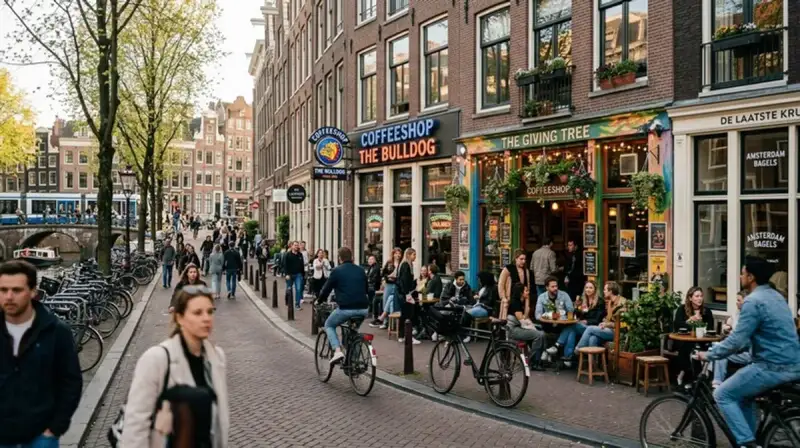
Contemporary German cannabis culture blends traditional Gemütlichkeit (coziness) with international influences. Unlike the coffeeshop model of the Netherlands or dispensary culture of North America, Germany's Social Clubs emphasize community membership and collective cultivation. The emphasis on domestic growing – both private and through clubs – reflects German values of self-sufficiency and quality control. Major cities maintain distinct scenes: Berlin's is intertwined with techno and alternative cultures, while Frankfurt's proximity to the financial sector creates a more discreet consumer base. The Cologne carnival season sees temporary relaxation of enforcement, reflecting regional cultural traditions.
Traveler Guide
️ Important for Tourists:
Germany's KCanG explicitly excludes non-residents from Cannabis Social Club membership. With Phase 2 commercial retail delayed, tourists have no legal purchase channel. You may possess up to 25g but cannot legally acquire it.
Visiting Germany as a cannabis consumer requires understanding the significant gap between decriminalization and access. While adults may legally possess up to 25 grams in public, the absence of commercial retail or tourist access to Social Clubs means there is no sanctioned way to purchase cannabis. Medical cannabis prescriptions from other EU countries may be honored at German pharmacies under the EU mutual recognition directive, but this requires substantial documentation and is not guaranteed.
What Tourists Should Know
- No legal purchase option: Social Clubs require German residency; commercial retail has not launched
- Possession is tolerated: Up to 25g in public will not result in prosecution, though origin questions may arise
- Prohibited consumption zones: Within 100 meters of schools, playgrounds, sports facilities, and youth centers
MW
Medical Cannabis Writer
Health & Science writer with nursing background, specializing in medical cannabis research.
Medical Cannabis • Drug Testing • Health Research • Dosing
Frequently Asked Questions
Is cannabis legal in Germany?
Germany partially legalized cannabis on April 1, 2024 under the Cannabis Act (Cannabisgesetz, KCanG). Adults 18+ may possess up to 25g in public and 50g at home. Home cultivation of up to 3 plants is permitted. Cannabis Social Clubs (Anbauvereinigungen) of up to 500 members may collectively cultivate and distribute to members. Commercial retail (Phase 2) has been delayed and is not yet operational as of 2026.
Can tourists buy cannabis in Germany?
No. Germany's Social Clubs explicitly prohibit tourist membership — only German residents qualify. Phase 2 commercial retail has not launched. Tourists may possess up to 25g under decriminalization but have no legal purchase channel. Consumption is banned in public zones within 100m of schools, playgrounds, sports facilities, and in pedestrian zones between 07:00 and 20:00.
What is the THC driving limit in Germany?
Germany set a THC blood serum threshold of 3.5 ng/mL effective with the 2024 cannabis reform. Driving above this limit is a traffic offense. The 3.5 ng/mL threshold replaced the previous near-zero 1.0 ng/mL limit. Regular users may still test above the threshold for extended periods after last consumption.
How do Cannabis Social Clubs work in Germany?
Cannabis Social Clubs (Anbauvereinigungen) are non-commercial member associations under KCanG Sections 3 to 8. Clubs require licensing from the relevant state authority. Members (max 500, all German residents 18+) receive up to 25g per day and 50g per month. Under-21s are limited to 30g per month with max 10% THC. Clubs must not operate near schools or playgrounds and face regular compliance inspections.
What happens if you exceed the possession limits in Germany?
Possessing 25 to 60g in public is an administrative offence — fine up to €5,000 and product confiscation. Above 60g or any amount near prohibited zones triggers criminal prosecution with up to 3 years imprisonment. Growing more than 3 plants or without KCanG authorization carries up to 5 years. Supply to minors carries up to 5 years mandatory minimum.