
Key Findings: Jamaica Cannabis at a Glance
- Decriminalized since 2015 — up to 2 ounces (56g) of cannabis is legal for personal possession under amendments to the Dangerous Drugs Act.
- Home cultivation of 5 plants is permitted per household for personal use.
- Licensed herb houses sell cannabis legally under the Cannabis Licensing Authority (CLA), with retail outlets at major resorts and tourist hubs.
- Rastafari sacramental use is fully protected with no quantity limits, recognizing cannabis as a religious sacrament.
- Prices range \$3–8 USD per gram at licensed operations — among the cheapest legal cannabis anywhere in the world.
- Critical warning: US Preclearance at Kingston (KIN) and Montego Bay (MBJ) airports means US federal law applies — never bring cannabis into the airport.
Legal Status at a Glance
Current Legal Framework
Jamaica's modern cannabis laws are governed by the Dangerous Drugs (Amendment) Act of 2015, which fundamentally transformed the island's relationship with ganja. Before 2015, cannabis was technically prohibited under colonial-era statutes that criminalized thousands of Jamaicans annually — a legal contradiction given that cannabis had been culturally entrenched on the island for over a century and was a recognized religious sacrament for the Rastafari community.
The 2015 reform did three transformational things. First, it decriminalized possession of up to 2 ounces (approximately 56 grams), reducing it to a petty offense punishable by a small fine (J\$500, roughly US\$3) with no criminal record. Second, it permitted home cultivation of up to 5 cannabis plants per household. Third, it created the Cannabis Licensing Authority (CLA), a government body that licenses and regulates cultivation, processing, transportation, and retail sales — effectively building the framework for legal commerce.
The CLA issues multiple license categories: cultivator (tiered by farm size), processor, transporter, retailer (herb houses), research and development, and therapeutic services. As of recent counts, the CLA has issued several hundred licenses, with retail "herb houses" operating openly at major tourist destinations. While Jamaica has not formally "legalized" recreational cannabis in the way Canada or Uruguay have, the practical effect of decriminalization combined with licensed retail is similar — adults can legally buy and consume cannabis on the island.
Special protections exist for the Rastafari community, whose sacramental use of cannabis is constitutionally recognized. Rastafari adherents may possess and use cannabis without quantity restrictions when used for religious purposes, and licensed sacramental sites operate across the island.
Penalties and Enforcement
For tourists and locals alike, the enforcement landscape is genuinely relaxed compared to almost anywhere else in the world. Possession of up to 2 ounces results in no arrest, no criminal record, and a maximum J\$500 ticket — though in practice police rarely bother to issue these to tourists smoking discreetly on a beach or hotel balcony.
That said, certain behaviors still draw enforcement attention:
- Smoking in public near children or schools can result in fines and confiscation.
- Possession over 2 ounces moves into criminal territory, with the threshold for trafficking charges typically beginning around 8 ounces.
- Driving under the influence of cannabis is a criminal offense; Jamaica enforces impaired driving laws regardless of cannabis legality.
- Selling cannabis without a CLA license remains illegal — beach hustlers selling ganja are technically committing trafficking offenses, though enforcement is inconsistent.
- Export of cannabis from Jamaica is strictly prohibited and carries severe penalties.
Medical Cannabis Program
Jamaica's medical cannabis program is administered through the Cannabis Licensing Authority and operates alongside the country's recreational decriminalization framework. Patients with qualifying conditions can obtain medical cannabis through licensed therapeutic dispensaries after consultation with a registered physician. The system is notably open to tourists: many therapeutic centers will see foreign visitors with appropriate documentation (such as a medical cannabis card or prescription from their home country) and provide a Jamaican recommendation on the spot.
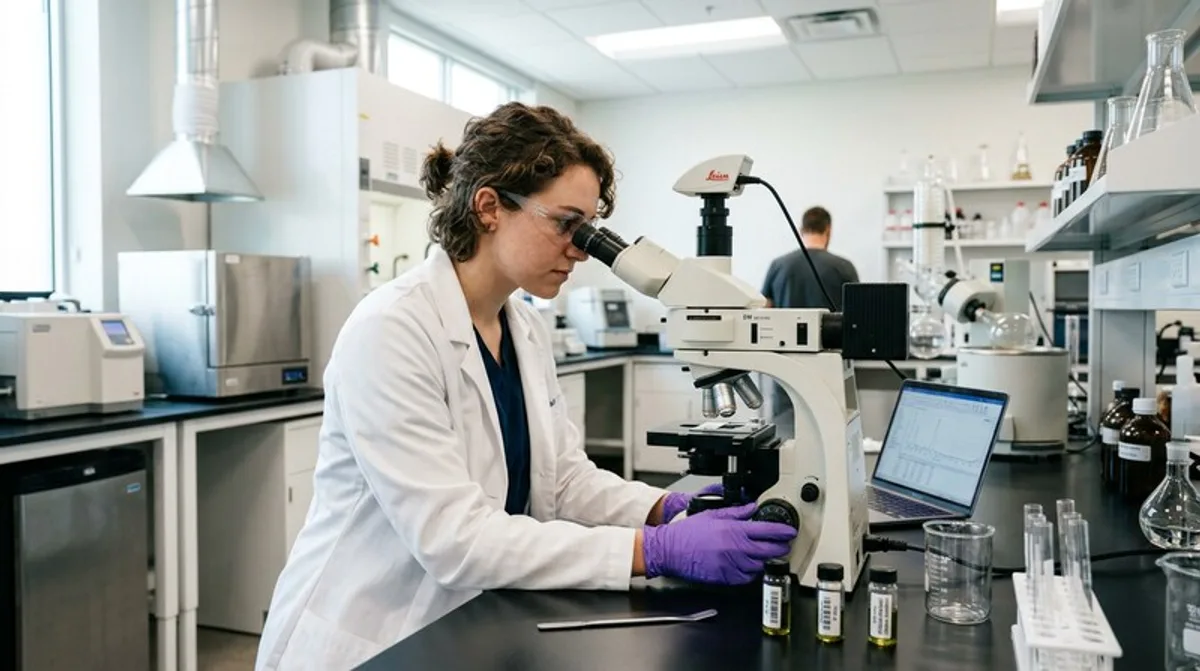
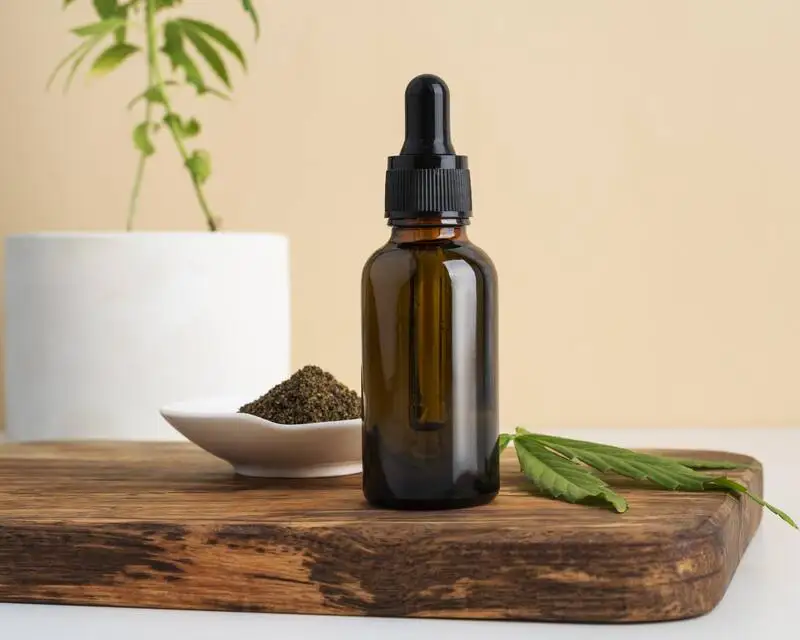
Qualifying conditions are broadly interpreted and include chronic pain, anxiety, insomnia, PTSD, glaucoma, and a wide range of other ailments. Products available through medical channels include flower, tinctures, oils, edibles, and topicals — all tested and tracked through the CLA's regulatory framework. Pricing for medical products is generally higher than the recreational/herb house market but offers laboratory-tested potency and contaminant screening.
Several wellness resorts on the island integrate medical cannabis into their offerings, providing consultation, products, and even cannabis-infused spa treatments under the medical licensing umbrella.
The Tourist Cannabis Guide
For visitors, Jamaica offers one of the most accessible cannabis experiences in the world — provided you understand the basic rules.
Where to Buy
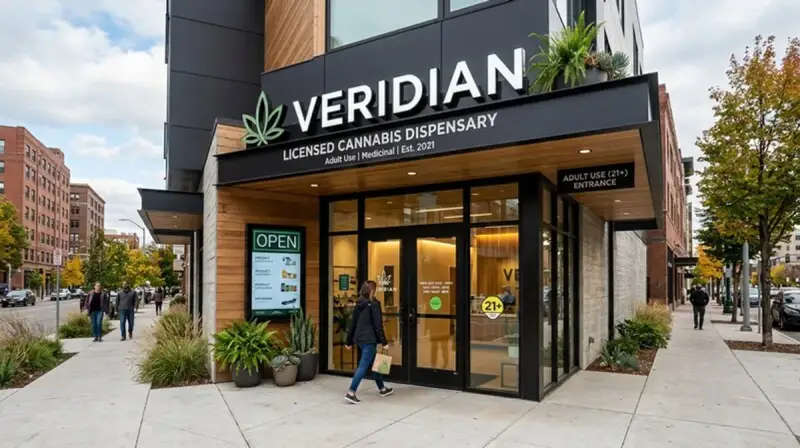
Licensed herb houses are the safest, highest-quality option. The CLA maintains a list of licensed retailers; many operate near or on resort properties in Negril, Montego Bay, Ocho Rios, and Kingston. These are professional retail environments — think Colorado dispensary, but with reggae playing and tropical decor. Expect lab-tested products, knowledgeable budtenders, and prices of \$3–8 USD per gram for quality flower. Pre-rolls, edibles, oils, and concentrates are also widely available.
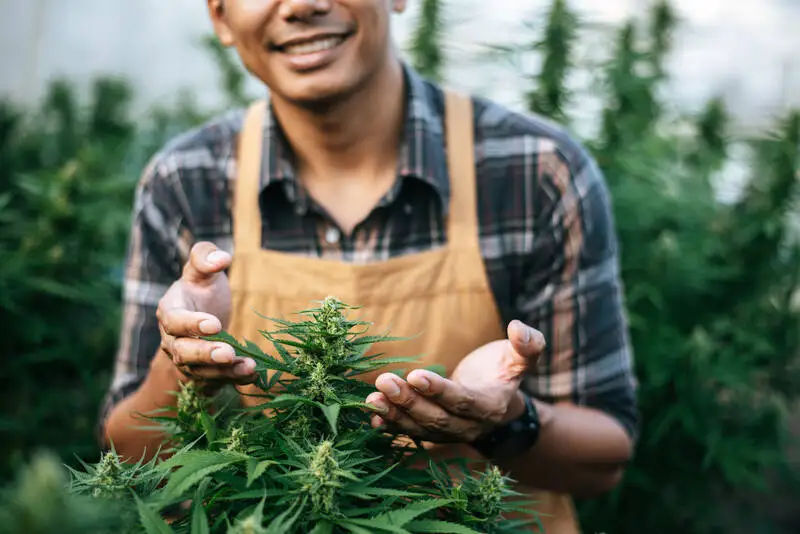
Cannabis farm tours have become a popular activity, particularly in the Blue Mountains and St. Ann parish. These guided experiences walk visitors through cultivation, harvesting, and curing, and typically include tastings and purchasing opportunities. Companies like Westmoreland Hemp & Ganja Farms offer multi-hour experiences that have become bucket-list items for cannabis tourists.
Beach vendors and street hustlers exist throughout tourist zones, and while their product is often inexpensive (\$1–3 per gram), buying from unlicensed sellers is technically still illegal and quality is wildly inconsistent. We strongly recommend sticking to licensed herb houses.
Where to Consume
Most resorts in Negril and Montego Bay are cannabis-tolerant, with some explicitly cannabis-friendly (sometimes called "ganja-friendly" or "420-friendly" resorts). Always check the resort's policy before lighting up — even on a private balcony. Smoking in public places, near children, or in non-designated areas can still trigger a fine.
Dedicated cannabis lounges and consumption-friendly cafés exist in tourist hubs, particularly Negril's Seven Mile Beach and parts of Montego Bay. Some herb houses include on-site consumption areas.
Tourist Etiquette
- Don't smoke in front of children or families.
- Don't try to take cannabis to other parishes by plane — domestic flights are fine for ground travel, but airport security still applies.
- Never, under any circumstances, attempt to bring cannabis home.
- Respect Rastafari ceremonies and sacred spaces — these are religious sites, not photo ops.
- Tip your budtenders and tour guides; cannabis tourism is an important income source for many Jamaicans.
Cannabis Culture and History
Cannabis — known locally as ganja — arrived in Jamaica with indentured laborers from India in the mid-1800s, where the plant had been cultivated for millennia and was already deeply embedded in spiritual practice. The Hindi word "ganja" itself was carried directly into Jamaican Patois, where it remains the most common term for cannabis today.
By the early 20th century, ganja had been adopted across Jamaican working-class culture, and in the 1930s it became a sacred sacrament of the emerging Rastafari movement. For Rastafari adherents, cannabis is the "wisdom weed," a holy herb used in meditation, prayer, and the ritual ceremonies known as reasoning sessions. The plant features prominently in Rastafari interpretation of biblical scripture.
When reggae music exploded globally in the 1970s — led by Bob Marley, Peter Tosh, and Burning Spear — cannabis became inseparable from Jamaica's international image. Peter Tosh's 1976 anthem "Legalize It" was arguably the first global pop cultural call for cannabis legalization, decades ahead of mainstream Western policy reform.
Among connoisseurs, Jamaica is also famous as the home of Lamb's Bread (sometimes written Lamb's Breath), one of the world's last surviving true landrace sativas. Cultivated for generations in the Blue Mountains, Lamb's Bread is characterized by tall structure, bright green sticky buds, earthy-sweet aroma, and an energetic, uplifting high. Bob Marley reportedly favored the strain, and genuine seed lineages remain prized by international breeders.
Industry and Market Data
Jamaica's legal cannabis industry, while still developing, has grown significantly since the 2015 reform. The Cannabis Licensing Authority has issued hundreds of licenses across cultivation, processing, retail, and therapeutic services. Industry estimates value the legal cannabis sector at tens of millions of USD annually, with significant growth potential as cannabis tourism expands and export pathways (curr