Key Facts at a Glance
⚖
Legal Status
Recreational & Medical
👥
Minimum Age
21+ (Recreational)
⚖
Possession Limit
1 oz (28g) Public
📋
ID Required
Any Gov’t-Issued ID
💰
State Tax
15% Excise + 15% Sales
🏢
Dispensary Count
30+ in Boulder Area
Colorado Cannabis Laws Explained
Colorado was among the first states in the US to legalize adult-use cannabis, with Amendment 64 passing in November of that year and retail sales beginning in January of the following year. The state has built one of the most mature regulatory frameworks in the country, overseen by the Colorado Marijuana Enforcement Division (MED).
Adults 21 and older may purchase up to one ounce of cannabis flower per transaction at any licensed recreational dispensary. The possession limit in public is also one ounce. At home, adults may store up to two ounces. Growing up to three plants per person (six per household) for personal use is permitted, though the plants must not be visible from public spaces.
Colorado imposes a 15% state retail marijuana sales tax on top of the standard 2.9% state sales tax. Boulder County and the City of Boulder add their own local taxes, so expect the total effective tax rate at checkout to land around 25–30% depending on the shop. This is worth knowing before you go: the sticker price is not what you’ll pay.
The MED requires every licensed dispensary to track cannabis using the Metrc seed-to-sale system. Dispensaries are audited regularly. Products must carry tamper-evident packaging with testing results, THC/CBD content per serving, and required warnings. Colorado law also mandates strict labeling of edibles to prevent accidental consumption by children.
Driving under the influence of cannabis is illegal. Colorado’s DUID statute uses a 5 nanograms per milliliter of blood THC threshold as a presumptive level for impairment, though prosecutors can argue impairment below that level. DUIs carry substantial penalties including license suspension and fines. Never drive after consuming cannabis.
Medical vs. Recreational Framework
Colorado established its medical marijuana program in 2000, more than a decade before recreational use. Medical patients registered with the Colorado Medical Marijuana Registry can possess up to two ounces of cannabis and may purchase higher-potency products not available to recreational consumers. Medical patients pay lower taxes (standard sales tax only, no retail marijuana tax) and in some cases have access to products like high-dose edibles exceeding the 100mg recreational cap. If you use cannabis for a medical condition, the Colorado registry may be worth pursuing for the savings and access benefits.
Boulder’s Dispensary Scene
Boulder’s cannabis retail landscape reflects the city’s character: educated, health-conscious, environmentally focused, and willing to spend on quality. The market has consolidated somewhat since the early days when dozens of smaller shops competed, but what remains is a curated mix of established operators and boutique growers who cater to the CU Boulder student population and the city’s year-round outdoor recreation community.
Pearl Street and the adjacent downtown corridor host several well-known dispensaries within walking distance of each other, allowing for easy comparison shopping. South Boulder and the Table Mesa area have their own clusters of shops that tend to attract locals rather than tourists. North Boulder near 28th Street has seen growth in dispensary density as the corridor developed commercially.
Boulder dispensaries have a reputation for carrying premium, locally-sourced products. Many shops emphasize Colorado-grown flower and support in-state craft cultivators. You’ll frequently see shelf tags highlighting specific farms, elevation of cultivation, and organic growing practices. This emphasis on provenance is more pronounced in Boulder than in many other Colorado markets.
Several shops in Boulder cater specifically to the medical community, maintaining both a medical and recreational license. These dual-licensed shops tend to have a calmer, more clinical atmosphere and staff who are particularly knowledgeable about cannabinoid ratios for specific conditions. If you’re a registered Colorado medical patient, always ask about the medical side of any dual-licensed shop.
Boulder’s dispensaries have also been at the forefront of sustainability initiatives. Several shops offer packaging take-back programs, use recycled materials, and source from farms using renewable energy. If environmental practices matter to you, Boulder is one of the best cannabis markets in the country to shop.
What to Bring to a Boulder Dispensary
The most important item is your government-issued photo ID. This is non-negotiable. Budtenders must verify your age before allowing you into the sales floor. Colorado dispensaries accept out-of-state driver’s licenses, passports from any country, military IDs, and state-issued ID cards. Digital IDs stored on phones are generally not accepted; bring the physical document.
- Valid photo ID: Driver’s license, passport, or military ID. Must be physical, not digital.
- Cash or debit card: Most Boulder dispensaries accept debit cards via PIN-based transactions, though a small processing fee (typically $3–5) applies. Some accept credit cards through third-party cashless systems. Cash is always preferred and eliminates fees.
- Medical card (if applicable): Colorado Medical Marijuana Registry card for lower taxes and higher-potency product access.
- A budget: Know your price range before you walk in. Boulder’s premium market means pricing on the higher end. An eighth (3.5g) of quality flower runs $35–55 before tax. House flower deals can be found for less.
- Questions: Boulder budtenders are generally highly trained. Don’t hesitate to ask about terpene profiles, farm sourcing, onset times for edibles, and appropriate doses for your tolerance level.
Leave cannabis in the sealed, child-resistant packaging provided by the dispensary when transporting it. Keep purchases in your trunk, not on the seat. Consuming in your car, even parked, is a violation.
Boulder Cannabis Culture: What Visitors Should Know
▶
Video guide: Navigating Boulder dispensaries, Pearl Street area, outdoor culture, and what first-time buyers need to know in Colorado’s oldest legal cannabis market.
Product Types Available in Boulder
Boulder dispensaries stock a comprehensive range of cannabis product categories, though specific products vary by shop and availability. Here is what you can generally expect to find:
Flower
Loose cannabis flower sold by the gram, eighth (3.5g), quarter (7g), half-ounce (14g), or full ounce (28g). Boulder shops tend to carry a deep selection of craft strains, including small-batch indoor grows from Colorado farms. OG strains, Cookies genetics, and Colorado-bred cultivars are common. Many shops offer tiered pricing: house, mid-shelf, and top-shelf.
Pre-Rolls
Pre-rolled joints are sold individually or in multi-packs. Infused pre-rolls (coated with concentrate or kief) have grown in popularity. Boulder shops often carry pre-rolls from local micro-brands. Single pre-rolls typically run $8–18 depending on quality and infusion.
Edibles
Colorado law caps recreational edibles at 10mg THC per serving and 100mg per package. Gummies, chocolates, hard candies, mints, and beverages are common formats. Boulder carries strong local brands like Wana Gummies (a Colorado original) and Keef drinks. Medical patients can access higher-dose formulations.
Concentrates
Wax, shatter, rosin, live resin, and distillate are widely available. Boulder’s concentrate market is sophisticated; you’ll find solventless options pressed from fresh-frozen flower as well as CO2-extracted products. Prices range from $25 for a gram of basic distillate to $70+ for premium live rosin.
Vapes
Cartridge-based vapes and all-in-one disposables are popular with tourists for their discreet form factor. Colorado dispensaries are required to test and label all vape products for residual solvents, pesticides, and heavy metals. Stick with licensed dispensary products rather than gray-market options.
Tinctures and Topicals
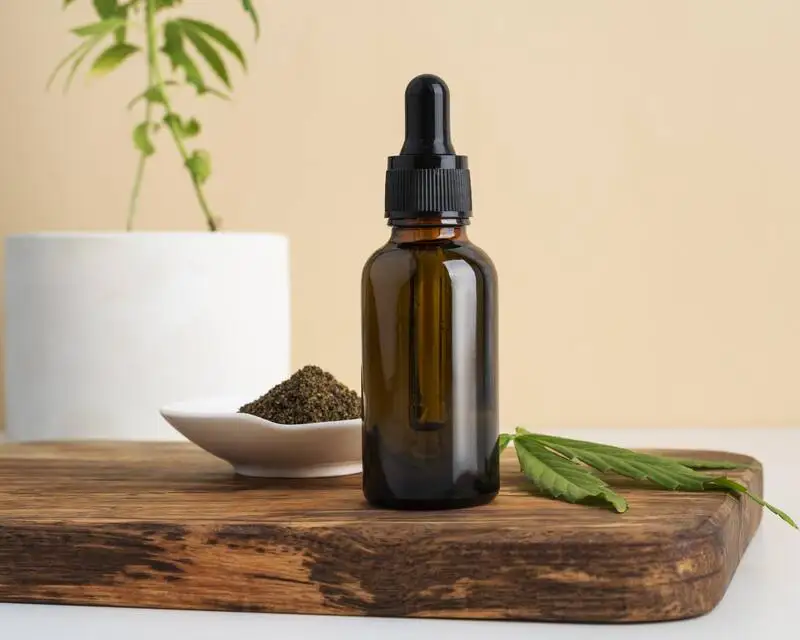
Sublingual tinctures (dropper bottles absorbed under the tongue) allow precise dosing and faster onset than edibles. Topicals including creams, balms, and transdermal patches are popular with Boulder’s active population for localized muscle relief. Topicals do not produce systemic psychoactive effects.
Price Guide: What to Expect in Boulder
Boulder sits in the mid-to-premium range for Colorado cannabis pricing. The city’s demographics and the premium placed on quality mean you’ll generally pay more here than in Denver or smaller Colorado markets. However, Boulder’s daily deals system and loyalty programs can bring prices down significantly for repeat buyers.
| Product | Low End | Mid Range | Premium |
|---|
| Flower (1g) | $8 | $14 | $22+ |
| Flower (1/8 oz) | $25 | $40 | $55+ |
| Flower (1 oz) | $120 | $180 | $280+ |
| Pre-roll (single) | $8 | $13 | $18+ |
| Edibles (100mg) | $18 | $25 | $38+ |
| Vape Cart (500mg) | $28 | $42 | $60+ |
| Concentrate (1g) | $25 | $45 | $70+ |
| Tincture (30ml) | $22 | $38 | $60+ |
All prices shown are pre-tax. Expect 25–30% added at checkout for state and local taxes. Many dispensaries post daily deals on their websites or apps. Tuesday, Wednesday, and Thursday tend to be deal-heavy days. First-time visitor discounts (typically 10–20% off) are common at many Boulder shops.
Best Neighborhoods for Dispensaries in Boulder
Pearl Street & Downtown Core
The Pearl Street pedestrian mall and the surrounding downtown blocks are Boulder’s most tourist-friendly dispensary zone. Multiple shops within a few blocks mean easy comparison. Shops here tend to have strong visual merchandising, friendly walk-in service, and curated product selections aimed at visitors who may not be regular cannabis buyers. Parking is limited on Pearl Street itself; use the city’s downtown garages or RTD bus service.
South Boulder / Table Mesa
South Boulder dispensaries along Arapahoe Avenue and toward Table Mesa serve a more local, residential clientele. These shops tend to have better prices than the tourist-heavy downtown locations and staff who know repeat customers by name. If you’re staying in south Boulder or visiting the Flatirons area, this is your go-to zone.
North Boulder / 28th Street Corridor
The 28th Street commercial corridor running through North Boulder has seen several dispensaries open in recent years. These shops benefit from proximity to the CU campus and major residential neighborhoods. Pricing is competitive and product selection skews toward popular strains rather than ultra-premium craft options.
East Boulder / Gunbarrel
The Gunbarrel area east of downtown hosts a few dispensaries that serve the tech-industry residential areas. These tend to be quieter, less crowded, and occasionally run better deals to attract foot traffic away from downtown. Worth checking if you have a car and want a lower-pressure experience.
Medical vs. Recreational in Boulder
Many Boulder dispensaries hold both medical and recreational licenses. When you arrive, you’ll typically enter a shared lobby and be routed to either the medical or recreational side based on your documentation. If you have a Colorado Medical Marijuana Registry card, you gain access to the medical side with its distinct advantages.
Medical advantages in Boulder:
- Lower taxes (no 15% retail marijuana tax; only standard state and local sales tax)
- Higher possession limits (up to 2 oz purchase per transaction)
- Access to high-potency edibles above the 100mg recreational cap
- Ability for patients under 21 with qualifying conditions (rare, but exists)
- Some medical-only products not available recreationally (certain tincture formulations, etc.)
To obtain a Colorado medical card, you must have a qualifying condition diagnosed by a licensed Colorado physician, complete the online application through the Colorado Department of Public Health and Environment (CDPHE), and pay the registration fee. The most common qualifying conditions include cancer, glaucoma, PTSD, severe pain, seizure disorders, and HIV/AIDS, but the list is broader than in many states.
For recreational visitors to Boulder, the recreational side of dual-licensed shops provides everything you need for a quality experience. The product selection is excellent, staff are knowledgeable, and the regulatory framework ensures product safety. The main downside is the tax load, which is unavoidable for recreational buyers.
Consumption Rules in Boulder
Colorado law permits cannabis consumption on private property with the property owner’s consent. This means your hotel room is generally off-limits unless the hotel specifically permits it (most do not). Private vacation rental properties may or may not allow it; check the listing’s rules before assuming.
Boulder has a limited licensed hospitality program that allows certain businesses to permit on-site cannabis consumption. These venues are licensed separately and typically operate as cannabis lounges or event spaces. They are relatively rare but do exist in the Boulder area. Check current local listings as licenses and openings change.
Public consumption is prohibited throughout Colorado under state law. This includes Pearl Street Mall, CU Boulder campus (a federal institution), all city parks, open spaces, and trailheads. The City of Boulder enforces these rules and violations can result in fines. The outdoor recreation culture of Boulder can make it tempting to consume in scenic areas, but the legal exposure is real.
Cannabis and alcohol cannot legally be sold or consumed together at the same licensed venue. Cannabis lounges are separate from bars. Do not mix heavy consumption of both; the combined effect is often significantly stronger than either alone and impairs judgment and motor function substantially.
Transport & Dispensary Etiquette in Boulder
Transporting Cannabis
Cannabis purchased in Colorado must remain in sealed, child-resistant packaging during transport. Keep it in the trunk or a locked glove compartment. Open containers of cannabis in a vehicle (even if not being consumed) can result in citations. Never consume while driving or while a vehicle is in motion.
Taking cannabis across state lines is a federal offense regardless of the legality in neighboring states. Colorado borders Utah (illegal), Wyoming (illegal), Nebraska (illegal), Kansas (illegal), Oklahoma (medical only), New Mexico (legal), Arizona (legal), and Nevada (legal). Do not transport cannabis across any Colorado border even to other legal states; federal jurisdiction applies at state lines.
Dispensary Etiquette
Boulder dispensaries follow a lobby-check-ID-then-enter model. Wait your turn, have your ID out and ready, and be patient during busy periods. Many shops use a numbering or appointment system during peak hours. Weekends and late afternoons tend to be busiest.
Budtenders in Boulder are generally well-educated about cannabis. Ask questions freely, be specific about your goals (sleep, anxiety, energy, creativity, pain), and trust their recommendations when you’re unsure. Don’t feel pressured to buy more than you need; reputable shops won’t push upsells aggressively.
Photography inside dispensaries is typically not permitted. Some shops allow photos of products outside for personal use, but always ask first. Discretion around pricing and product discussions is appreciated; Boulder is a small community and dispensary staff often know their regulars.
MW
Marcus Webb
Cannabis Policy & Dispensary Research Editor
Marcus Webb has covered US cannabis markets since legalization began rolling across states. He focuses on dispensary experiences, state regulations, and practical consumer guidance for both first-time buyers and experienced cannabis users navigating new markets.
Frequently Asked Questions: Boulder Cannabis Dispensaries
How much cannabis can you possess in Boulder, CO?
Adults 21 and older in Colorado can possess up to 1 ounce (28 grams) of cannabis in public. At home, you may store more, but purchases are capped at 1 ounce per transaction at any licensed dispensary in Boulder.
Do I need a Colorado ID to buy cannabis in Boulder?
No. Boulder dispensaries accept any valid government-issued photo ID proving you are 21 or older, including out-of-state driver’s licenses, passports, and military IDs. You do not need a Colorado ID or medical card for recreational purchases.
Can I consume cannabis outdoors in Boulder?
Boulder has a strong outdoor culture, but public consumption is technically illegal under Colorado law. Consumption is permitted on private property with the owner’s permission, some licensed hospitality venues, and in personal vehicles when parked on private land. Parks, trails, and Pearl Street Mall are off-limits.
What cannabis products can I buy in Boulder dispensaries?
Boulder dispensaries carry flower, pre-rolls, vapes, edibles (max 10mg THC per serving, 100mg per package for recreational), concentrates, tinctures, topicals, and capsules. Many local shops stock premium Colorado-grown brands like Wana, Keef, and Binske alongside craft micro-growers.