Key Facts at a Glance
⚖
Legal Status
Recreational & Medical
👥
Minimum Age
21+ (Recreational)
⚖
Public Possession
2.5 oz Flower
📋
ID Required
Any Gov’t-Issued ID
💰
State Tax
10% Excise + Sales Tax
🕑
Recreational Since
Issue 2 (Nov 2023)
Ohio Cannabis Laws After Issue 2
Ohio voters approved Issue 2 in November 2023, making Ohio the 24th state to legalize adult recreational cannabis use. The Ohio Division of Cannabis Control (DCC) was tasked with developing adult-use retail regulations. Existing medical dispensaries were authorized to apply for dual recreational licenses, allowing them to serve recreational customers as regulations were finalized and retail sales launched in 2024.
Under Ohio law after Issue 2, adults 21 and older may possess up to 2.5 ounces of cannabis flower and 15 grams of cannabis extract in public. At home, adults may store up to 15 ounces (approximately 425 grams) and cultivate up to 6 plants per adult (maximum 12 per household), with plants kept out of public view and secured from access by minors.
Ohio imposes a 10% excise tax on adult-use cannabis sales. Ohio’s standard 5.75% sales tax applies as well. Local jurisdictions may add their own taxes. In Cleveland, the Cuyahoga County and city taxes push the total effective rate to approximately 20–22% — moderate for the Midwest and significantly lower than California or Illinois.
Ohio’s Issue 2 also created an automatic expungement process for prior cannabis convictions. The law included provisions for social equity licensing intended to ensure that communities disproportionately impacted by cannabis prohibition have opportunity to participate in the legal market. Implementation of these provisions has been ongoing.
Ohio prohibits driving under the influence of cannabis. The state uses a presence-based standard combined with field sobriety and behavioral evidence. Keep cannabis in the trunk or locked glove compartment during transport. Open containers of cannabis in a vehicle are violations similar to open container alcohol rules.
Ohio’s Medical Program History
Ohio established a medical cannabis program under HB 523 in 2016. The Ohio Medical Marijuana Control Program (OMMCP) operated for several years before recreational legalization, with the first licensed dispensaries opening in 2019. Cleveland’s medical dispensaries built significant operational experience during this period, giving the market a maturity advantage when recreational expansion occurred. Medical patients in Ohio retain benefits under the new dual-license system including lower taxes and potentially higher purchase limits.
Cleveland’s Dispensary Scene
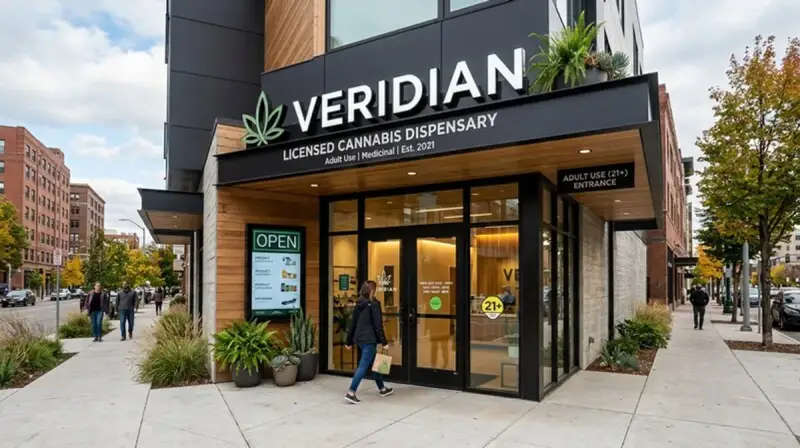
Cleveland’s cannabis retail market reflects the city’s geography: a dense urban core surrounded by a large metropolitan area of suburban municipalities, each with its own zoning and permitting authority. Ohio’s cannabis licensing system allows municipalities to opt in or out of permitting dispensaries, which created an uneven geographic distribution of licensed shops in the Greater Cleveland area.
The urban core of Cleveland proper has dispensaries in several neighborhoods, but the concentration is not as dense as the downtown cores of some other legal markets. Ohio City on Cleveland’s near west side, portions of the east side near University Circle, and corridors near major commercial routes in the city have dispensaries that serve urban residents who rely on transit or prefer city locations.
Suburban municipalities in Cuyahoga County and neighboring counties host a significant share of Greater Cleveland’s dispensary capacity. Communities like Lyndhurst, Lorain, Medina, North Ridgeville, Parma, and others that opted into cannabis zoning early attracted larger dispensary footprints with dedicated parking lots. These suburban shops tend to have lower overhead than premium urban locations and often run very competitive deals.
The dispensary operators in Greater Cleveland include a mix of Ohio-based businesses and multi-state operators (MSOs) that entered the market when Ohio’s medical program launched. When recreational licenses became available, established operators moved quickly to convert. This created a market with experienced operators but also some incumbency advantage for those who built early customer loyalty during the medical-only years.
Delivery services have expanded in Cleveland post-Issue 2. Multiple licensed operators offer delivery to Cleveland addresses, making the market more accessible to residents without easy access to a physical shop. Same-day delivery is available from several operators.
What to Bring to a Cleveland Dispensary
- Government-issued photo ID: Must show age 21 or older. Ohio ID, out-of-state driver’s license, passport, or military ID accepted. Physical ID required; digital IDs are generally not accepted.
- Cash or debit card: Most Greater Cleveland dispensaries accept PIN debit with a small processing fee. Cash is always accepted and eliminates fees. Some shops have on-site ATMs.
- Ohio medical card (if applicable): Registered Ohio medical patients may pay lower taxes and access medical-specific products. Bring both your patient card and matching government ID.
- Knowledge of the 2.5oz limit: Your purchase per visit is capped at 2.5 oz of flower and 15g of concentrate. This is tracked across Ohio dispensaries; you cannot exceed the daily limit by shopping at multiple shops on the same day.
- Questions and preferences: Cleveland budtenders are generally experienced, particularly those who served the medical market for years before recreational expansion. Be specific about your goals, tolerance, and product format preferences.
Cleveland Cannabis Guide: Ohio’s Recreational Rollout Explained
▶
Video guide: Ohio’s Issue 2 and what it means for Cleveland buyers, city vs. suburban dispensary breakdown, Midwest pricing, and what to expect as Ohio’s recreational market continues to mature.
Product Types Available in Cleveland Dispensaries
Flower
Ohio has a growing number of licensed cultivators producing in-state flower. Cleveland dispensaries carry flower from Ohio farms alongside product from MSOs with multi-state grow operations. Pricing on flower in the Cleveland market is competitive; Midwest pricing generally lands between East Coast premiums and the ultra-competitive Oklahoma market.
Pre-Rolls
Singles, multi-packs, and infused options are standard at Cleveland area shops. Many Ohio dispensaries have developed house pre-roll brands using in-state flower.
Edibles
Ohio caps recreational edibles at 10mg per serving and 100mg per package. Gummies, chocolates, beverages, and baked goods are widely available. Medical patients have access to higher-dose formulations.
Concentrates
Ohio’s concentrate market has grown significantly since legalization. Wax, shatter, live resin, rosin, and distillate are all available at major Cleveland area dispensaries. Pricing is moderate relative to other Midwestern markets.
Vapes
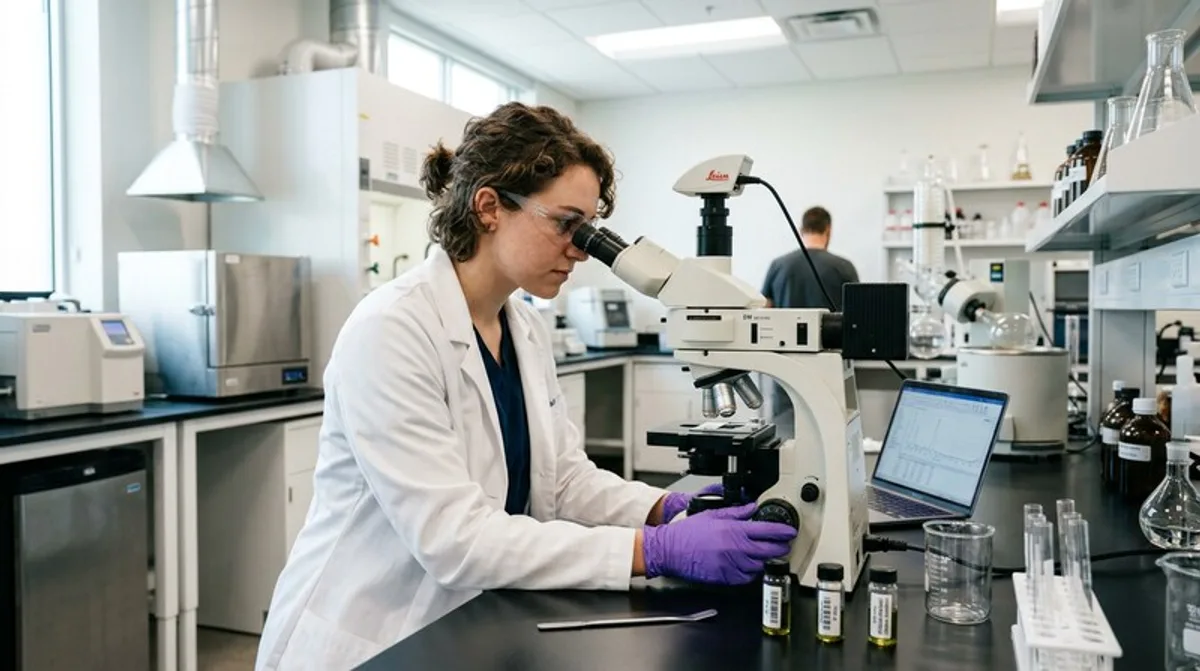
Cartridges and all-in-one disposables are popular. Ohio’s testing requirements ensure products sold at licensed shops meet safety standards. Multiple Ohio-specific vape brands have emerged from the medical-to-recreational transition.
Tinctures and Topicals
Medical-oriented shops in Cleveland carry a wide tincture selection. Topicals including balms, creams, and transdermal patches are available at most dispensaries. These products are particularly popular with the city’s older consumer base who prefer non-inhaled options.
Price Guide: Cleveland Midwest Pricing
Cleveland sits in the Midwest pricing band — noticeably cheaper than East Coast markets and West Coast premium dispensaries, but not as low as Oklahoma’s ultra-competitive medical market. Overall very consumer-friendly for adults 21+.
| Product | Low End | Mid Range | Premium |
|---|
| Flower (1g) | $6 | $12 | $18+ |
| Flower (1/8 oz) | $20 | $35 | $50+ |
| Flower (1 oz) | $90 | $150 | $230+ |
| Pre-roll (single) | $6 | $11 | $18+ |
| Edibles (100mg) | $14 | $22 | $32+ |
| Vape Cart (500mg) | $22 | $38 | $55+ |
| Concentrate (1g) | $20 | $38 | $60+ |
| Tincture (30ml) | $18 | $32 | $50+ |
Add 20–22% for Cleveland-area total taxes. First-visit discounts common, typically 10–20% off. Medical patients pay lower tax and see further savings. Daily deal tracking via dispensary apps recommended.
Best Areas for Dispensaries in Greater Cleveland
Ohio City / Near West Side
Cleveland’s Ohio City neighborhood and adjacent near west side areas have dispensaries serving the city’s most walkable urban neighborhoods. These shops benefit from a dense residential population and proximity to popular dining and entertainment districts. Ideal for residents or visitors staying in the urban core.
University Circle / East Side
The east side of Cleveland near University Circle and the Cleveland Clinic/Case Western Reserve area has dispensaries serving the medical, academic, and residential populations of Cleveland’s east side neighborhoods. These shops often have strong medical product knowledge given the proximity to the medical corridor.
Suburban Cuyahoga County
Lyndhurst, Mayfield Heights, Parma, and other suburban Cuyahoga County communities host dispensaries in well-located commercial strips with easy parking. These suburban shops often have the best deals, most space, and smoothest parking experiences in the metro area. Best for buyers arriving by car.
Lorain / Elyria Corridor
Communities west of Cleveland along the I-90 corridor have established dispensaries serving the western suburbs. These shops draw customers from the western metro area and offer competitive pricing relative to Cleveland’s urban core shops.
Medical vs. Recreational in Cleveland
Ohio’s dual licensing system allows former medical dispensaries to serve both populations. Medical patients maintain meaningful benefits over recreational buyers in the Ohio system.
Ohio medical cannabis patient benefits in Cleveland:
- Lower tax burden (no 10% recreational excise; only standard sales tax)
- Access to products formulated above recreational potency caps
- Priority service at some dual-licensed dispensaries during peak hours
- Ability to purchase at dispensaries that chose to remain medical-only
- Higher at-home possession limits in some cases
Ohio medical patients are registered through the Ohio Medical Marijuana Control Program. A physician recommendation from a licensed Ohio doctor for a qualifying condition is required. Common qualifying conditions include cancer, chronic pain, PTSD, epilepsy, HIV/AIDS, and inflammatory bowel disease. The full list is on the OMMCP website and has been periodically expanded since the program launched.
Consumption Rules in Cleveland
Ohio law prohibits cannabis consumption in any public place. Cleveland municipal code aligns with this restriction. Private residences are the appropriate consumption location. Hotels, Airbnb properties, and rental units may or may not permit cannabis; always verify before consuming.
Cleveland does not currently have licensed cannabis consumption lounges. Ohio’s Issue 2 enabled the DCC to permit social use venues; implementation of this licensing has been ongoing. Check current local regulations as this may change.
The Cuyahoga River, Lake Erie waterfront, and Cleveland’s many parks are all public spaces where consumption is prohibited. Browns, Guardians, and Cavaliers game venues are also off-limits under both Ohio law and venue rules.
Transport & Dispensary Etiquette in Cleveland
Getting Around
Cleveland has the Greater Cleveland RTA bus and rail system. The Red Line connects Hopkins Airport to downtown and University Circle. Bus lines serve many Cleveland neighborhoods. For suburban dispensaries in Cuyahoga County, a car is more practical. RTA Rapid or Bus Plus Express can reach some suburban commercial areas, but most dispensary-dense suburban corridors are primarily car-accessible.
Dispensary Etiquette
Cleveland dispensaries have largely moved past the newness of recreational cannabis given the medical program’s years of operation. Expect professional, knowledgeable staff and efficient check-in processes. Medical and recreational customers are often routed to separate areas in dual-licensed shops. Have your ID or patient card ready at the door.
Ohio’s track-and-trace system records all purchases. Attempting to purchase above daily limits by visiting multiple dispensaries is tracked and will be flagged. Stay within the 2.5oz/15g daily limits across all shops.
MW
Marcus Webb
Cannabis Policy & Dispensary Research Editor
Marcus Webb tracks Midwestern cannabis markets with particular attention to Ohio’s progression from a tightly controlled medical program to recreational legalization. He focuses on the consumer experience in markets transitioning from medical-only to adult-use frameworks.
Frequently Asked Questions: Cleveland Cannabis Dispensaries
When did Ohio legalize recreational cannabis?
Ohio voters approved Issue 2 in November 2023. Adult-use retail sales launched in 2024 as the Ohio Division of Cannabis Control adopted regulations and existing medical dispensaries began receiving dual recreational licenses.
How much cannabis can you possess in Cleveland?
Ohio adults 21 and older may possess up to 2.5 ounces of cannabis flower and up to 15 grams of cannabis extract in public. At home, adults may store up to 15 ounces and cultivate up to 6 plants for personal use.
Are Cleveland dispensaries located in the city or suburbs?
Both. Cleveland proper has dispensaries in Ohio City, near University Circle, and in commercial corridors. A significant portion of Greater Cleveland’s dispensary concentration is in suburban municipalities like Lyndhurst, Lorain, Medina, and communities along major commercial routes.
Did Ohio have medical cannabis before Issue 2?
Yes. Ohio established a medical cannabis program through HB 523 signed in 2016. The Ohio Medical Marijuana Control Program began operating with licensed dispensaries in 2019, giving Cleveland’s market years of experience before recreational expansion.