Michigan’s legal cannabis market launched in late 2019 and has grown into one of the Midwest’s most competitive. Detroit, as Michigan’s largest city, hosts hundreds of dispensaries, a pioneering social equity program, and one of the most robust cannabis delivery networks in the country.
Adults 21+2.5 oz per TransactionMichigan Legal Since 2018Delivery Widespread
Key Findings
Michigan Proposal 1 passed November 2018 — recreational sales began December 2019
Detroit metro area has hundreds of licensed recreational dispensaries
Social Equity Program is one of the nation’s most comprehensive cannabis equity frameworks
2.5 oz purchase limit per transaction — among the most generous in the US
Delivery available same-day across most Detroit zip codes
Competitive Midwest pricing with quality options across all tiers
Michigan Cannabis Laws
Michigan voters approved Proposal 1 in November 2018 with 56% of the vote, making it the first Midwest state to legalize recreational cannabis. The Marijuana Regulatory Agency (MRA), now the Cannabis Regulatory Agency (CRA), oversees licensing and compliance statewide.
Adults 21 and older may purchase up to 2.5 ounces (approximately 70 grams) of cannabis per transaction. This is one of the highest single-transaction purchase limits in the country. At home, adults may possess up to 10 ounces and grow up to 12 plants for personal use — again, some of the most generous home cultivation rules in legal states.
Michigan imposes a 10% cannabis excise tax on recreational sales, plus standard 6% state sales tax, for a combined 16% tax burden. By comparison with states like Illinois (25%+) or Massachusetts (17% + local), Michigan’s tax rate is moderate, contributing to competitive retail pricing.
Michigan also permits local municipalities to allow or prohibit cannabis retail. Detroit opted in early, and the city has become a major cannabis market. Some Michigan municipalities have opted out, meaning there are areas of the state without any licensed dispensaries.
Detroit’s Dispensary Scene
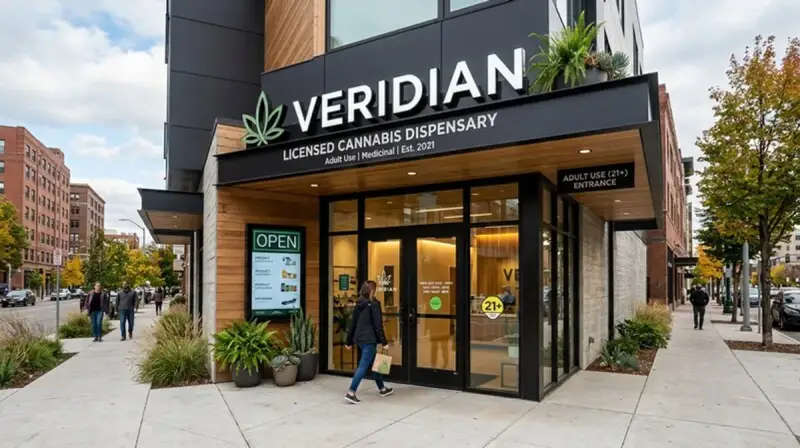
Detroit’s cannabis market is one of the most dynamic in the United States. The combination of Michigan’s generous purchase limits, a large urban population with historically high cannabis use rates, a competitive licensing environment, and robust delivery infrastructure has created a market that serves buyers across all demographics and budget levels.
The Detroit metro area — encompassing the city proper plus suburbs like Dearborn, Southfield, Warren, Sterling Heights, and others — hosts an estimated 400+ licensed recreational dispensaries. This density creates meaningful price competition, particularly for flower and pre-rolls.
Detroit’s cannabis industry is also notable for its diversity of ownership. The city’s social equity program has produced a meaningful number of Black-owned dispensaries, a contrast to many markets dominated by multistate operators. Several social equity licensees have built strong community brands with loyal local customer bases.
Large multistate operators also maintain a significant presence, bringing national brands, loyalty programs, and standardized product quality to the market. The result is a layered market with options for every type of buyer.
Detroit Social Equity Program
Detroit’s Social Equity Program is one of the most ambitious in the US cannabis industry. The city recognized that cannabis criminalization disproportionately impacted Detroit’s Black communities, and the program was designed specifically to provide pathways to business ownership for those most affected.
Key components of the program include priority application processing for qualified applicants, reduced licensing fees, dedicated business development assistance, access to city-owned property at reduced rates for dispensary locations, and mentorship connections with established operators.
To qualify as a social equity applicant in Detroit, an applicant must meet criteria including prior cannabis-related arrest or conviction, residency in a designated high-impact area, or low-income status. The city has also experimented with requiring non-social-equity operators to partner with equity applicants as a condition of certain license categories.
Critics have noted that even with equity programs, access to capital remains a significant barrier for many applicants — cannabis businesses cannot access traditional bank financing due to federal illegality, making private investment the primary funding pathway, which creates its own equity challenges.
What to Bring
Valid government-issued photo ID proving age 21 or older is required. Accepted forms:
US driver’s license or state ID (any state)
US passport or passport card
Foreign passport
Tribal identification
Michigan dispensaries may not scan or copy ID — they can visually verify. Some shops do use electronic verification systems; this varies by operator. If you have concerns about privacy, you can ask how the shop handles ID data before entering.
Cash is accepted everywhere. Detroit dispensaries commonly have ATMs. Some shops accept debit via cashless ATM systems. Credit card processing remains unavailable at most shops.
Watch: Detroit Cannabis Market Overview
Detroit cannabis culture and dispensary scene overview
Products Available
Flower
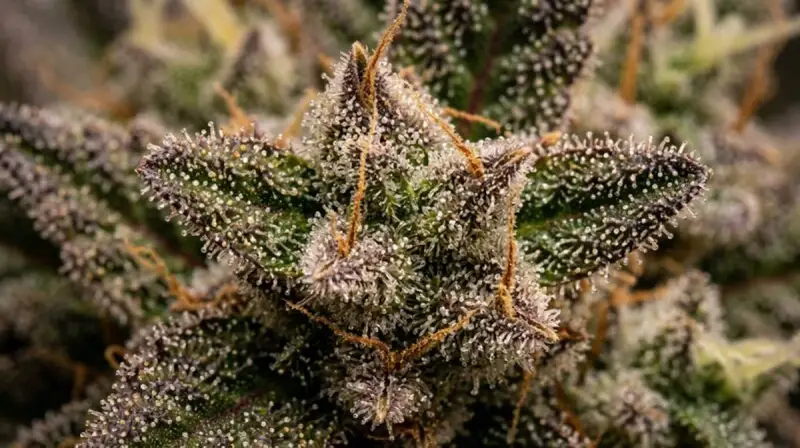
Michigan cultivators produce quality flower at competitive prices. Indoor, greenhouse, and outdoor options available. Craft cannabis from small Michigan farms increasingly prominent.
Pre-Rolls
Singles and multipacks. Infused options with concentrate coating popular in Detroit market. Budget pre-roll multipacks offer strong value.
Concentrates
Live resin, rosin, shatter, wax, and distillate. Michigan’s extraction industry has grown rapidly. Local craft extract brands gaining national recognition.
Edibles
Michigan allows up to 100mg THC per package. Gummies, chocolates, beverages, baked goods. Strong local brands alongside national names.
Vapes
510-thread cartridges, all-in-one disposables, and live resin pods widely available. Range of price points from budget to premium.
Delivery
Michigan allows delivery from licensed dispensaries. Detroit-based delivery operates across the metro. Age verification at door required. Online ordering widely available.
Price Guide
Product
Budget
Mid-Tier
Premium
Flower (1g)
$5–$7
$8–$12
$14–$22
Eighth (3.5g)
$18–$25
$28–$40
$45–$70
Pre-Roll (1g)
$5–$8
$9–$14
$15–$25
Vape Cart (1g)
$22–$32
$35–$50
$55–$75
Edibles (100mg pkg)
$12–$18
$20–$30
$32–$48
Concentrate (1g)
$18–$26
$28–$45
$48–$75
Detroit Neighborhoods & Dispensary Clusters
Eight Mile Corridor
Eight Mile Road forms the northern boundary between Detroit and its suburbs. This corridor hosts a dense cluster of dispensaries serving customers on both sides of the city limit. Competitive pricing and high volume.
Midtown & Corktown
Detroit’s revitalized urban core neighborhoods host boutique dispensaries serving the city’s growing young professional population. Curated selections, strong budtender knowledge, premium aesthetic.
East Side & Gratiot Corridor
East Detroit and the Gratiot Avenue corridor host numerous neighborhood dispensaries with community-oriented operations. Strong representation of social equity licensees in this area.
Southfield / Warren (Metro)
Northern suburbs accessible to Detroit drivers. High-volume shops with competitive pricing and broad product selection. Easy parking and suburban convenience.
Medical vs. Recreational
Michigan has operated a medical cannabis program since 2008, one of the earlier medical programs in the US. The Michigan Medical Marihuana Program (MMMP) registers qualifying patients and caregivers. Medical patients pay only 6% state sales tax — no additional excise tax — compared to the 16% effective rate for recreational purchases.
Medical patients can also possess more cannabis and purchase from a broader range of licensed facilities. The qualifying condition list includes chronic pain, PTSD, cancer, Crohn’s disease, and about 20 other conditions. A physician recommendation and state application are required.
For occasional users and visitors, the recreational program works perfectly well. Detroit’s competitive recreational market means prices are reasonable even with the excise tax applied. Residents who use cannabis daily for health reasons may find the medical card saves meaningful money over time.
Consumption Rules
Michigan prohibits cannabis consumption in public spaces, in vehicles, and in areas where tobacco smoking is prohibited. Detroit enforces these rules, though social tolerance in some neighborhoods is higher than in others. Fines for public consumption are civil rather than criminal.
Private residences remain the appropriate consumption location. Michigan allows property owners to permit consumption on their property, which has created opportunities for cannabis-friendly venues. Several Detroit establishments have experimented with cannabis event permits, though the regulatory framework for consumption lounges remains limited statewide.
Visitors staying at hotels should check property policy. Detroit hotels generally prohibit smoking of any kind in rooms. Cannabis-friendly Airbnb listings exist but are not the majority.
Transport
Michigan transport rules mirror most legal states. Cannabis must be in an original sealed container and inaccessible to driver and passengers — typically in the trunk or a sealed bag in rear cargo. Open container violations apply.
Detroit’s location on the US-Canada border (Windsor, Ontario is just across the Detroit River) creates an important warning. Do not attempt to bring cannabis across the Ambassador Bridge, Detroit-Windsor Tunnel, or Blue Water Bridge. International borders are federal crossings. Cannabis seizure at the border can result in federal charges regardless of the legality in either country.
Detroit Metropolitan Airport (DTW) is a federal facility. Cannabis is not permitted in any area of the terminal. Do not attempt to fly with cannabis.
MW
Marcus Webb
Cannabis policy analyst and dispensary culture writer. Marcus has covered legal cannabis markets across 14 states, with a focus on consumer access, pricing dynamics, and the evolving regulatory environment. Based in the Pacific Northwest.
Frequently Asked Questions
How much cannabis can you buy at a Detroit dispensary?
Michigan adults 21 and older can purchase up to 2.5 ounces (approximately 70 grams) of cannabis per transaction at a licensed recreational dispensary. At home, adults may possess up to 10 ounces and grow up to 12 plants.
What is Detroit’s social equity cannabis program?
Detroit implemented a Social Equity Program to address the disproportionate impact of cannabis prohibition on communities of color. The program provides priority licensing, reduced fees, technical assistance, and business support to applicants from communities most impacted by cannabis criminalization.
Is cannabis delivery available in Detroit?
Yes. Cannabis delivery is widely available across the Detroit metro area. Michigan allows licensed dispensaries to operate delivery services, and same-day delivery to Detroit, Dearborn, Warren, Southfield, and other metro areas is common.
How do Detroit cannabis prices compare to other states?
Detroit and Michigan generally offer competitive mid-market pricing. Flower typically ranges from $6 to $12 per gram for quality mid-tier product. Michigan’s robust cultivation sector and competitive market have kept prices reasonable compared to high-tax states.