Eugene consistently ranks as the most affordable legal cannabis destination in the United States. A University of Oregon college town in the heart of Oregon’s prime cannabis growing region, Eugene combines craft local genetics, outdoor festival culture, and prices that can reach under $3 per gram for quality flower.
Adults 21+1 oz FlowerOregon Legal Since 2014Cheapest Prices in USA
Key Findings
Eugene and Lane County are part of Oregon’s premier outdoor cannabis cultivation region
Budget flower under $3/gram is genuinely available at many Eugene dispensaries
Oregon Country Fair draws 45,000+ attendees annually — one of the nation’s oldest outdoor festivals
Whiteaker (the ’Whit’) is Eugene’s most cannabis-forward neighborhood
University of Oregon creates a year-round young consumer market
Southern Willamette Valley sun-grown genetics are prized nationally
Oregon Cannabis Laws
Oregon’s Measure 91, approved in November 2014, legalized recreational cannabis with one of the most permissive frameworks in the country. The Oregon Liquor and Cannabis Commission (OLCC) regulates the commercial cannabis market while the Oregon Health Authority (OHA) manages the medical program.
Adults 21 and older may purchase up to one ounce of cannabis flower, 5 grams of concentrate, and 16 ounces of solid-form infused products per transaction at licensed dispensaries. Home possession limits are substantially higher — adults can keep up to one pound of flower at home, making Oregon’s home possession rules among the most generous in the nation.
Home cultivation is permitted — adults may grow up to four cannabis plants per household for personal use, provided the plants are not visible from a public space and cultivation occurs on property where the resident has lawful occupancy rights.
Oregon’s recreational cannabis excise tax is 17%, with some local municipalities adding taxes of up to 3%. This is a moderate tax burden compared to high-tax states, and has contributed to Oregon’s low retail price environment. Oregon also passed Measure 110 in 2020, decriminalizing personal possession of small amounts of all controlled substances — a significant policy statement that distinguishes Oregon from nearly every other state.
Public consumption remains prohibited under Oregon law.
Eugene’s Cannabis Scene
Eugene occupies a singular position in the American cannabis landscape. Situated in the southern Willamette Valley, the city is surrounded by prime cannabis cultivation country. Lane County farmers have been growing high-quality outdoor cannabis for decades — long before legalization created a commercial market for it. When recreational legalization arrived, this pre-existing cultivation expertise and infrastructure translated directly into competitive supply.
The result is a retail market with prices that astonish visitors from high-tax states. Budget-tier flower — genuinely smokable, tested, OLCC-compliant cannabis — regularly sells for $2–$3 per gram at Eugene dispensaries. Mid-tier quality craft product from local farms rarely exceeds $8–$10 per gram. These are price points that bear no resemblance to the $18–$25/gram prices common in East Coast markets.
Eugene’s University of Oregon presence (approximately 20,000 enrolled students) creates sustained retail demand that keeps the market active year-round. Student consumers prioritize value, potency, and convenience — a preference set that has shaped Eugene dispensaries toward strong loyalty programs, daily specials, and aggressive budget-tier inventory management.
Eugene’s outdoor festival culture adds another dimension. The Oregon Country Fair, held annually in Veneta (just outside Eugene), has been a landmark of Pacific Northwest counterculture for decades. While cannabis policy at private events is set by organizers rather than state law, Eugene’s festival scene is broadly cannabis-tolerant in a way that shapes local consumer culture.
What to Bring
Standard OLCC requirements apply: valid government-issued photo ID showing age 21+. Accepted forms include any US state driver’s license or ID, US passport, foreign passport, military ID, or tribal ID. Out-of-state and international visitors are fully welcome at all Oregon recreational dispensaries.
Oregon’s ID scanning practices vary by shop. Some OLCC licensees use electronic ID verification; others rely on visual inspection. If ID privacy is a concern, you can inquire about a shop’s specific policy before entering the purchase area.
Cash is the most frictionless payment option. Eugene dispensaries — particularly those serving a student demographic — commonly have ATMs on-premises. Some shops accept debit cards. Credit card processing remains absent from most shops.
Watch: Eugene Cannabis Culture
Eugene cannabis culture, Whiteaker neighborhood, and dispensary scene overview
Products Available
Sun-Grown Outdoor Flower
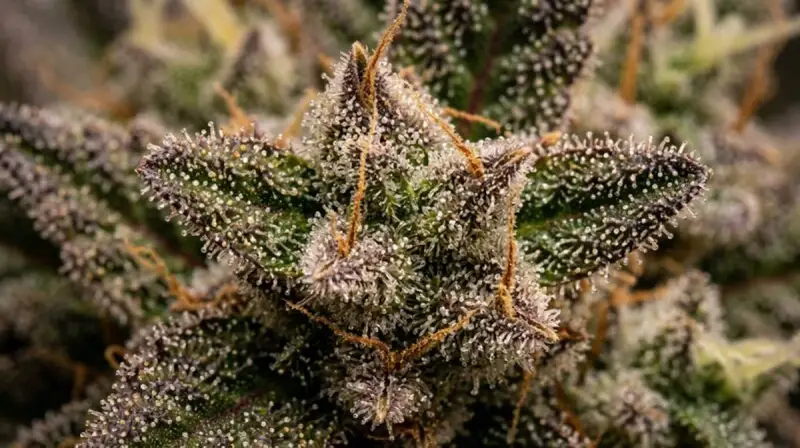
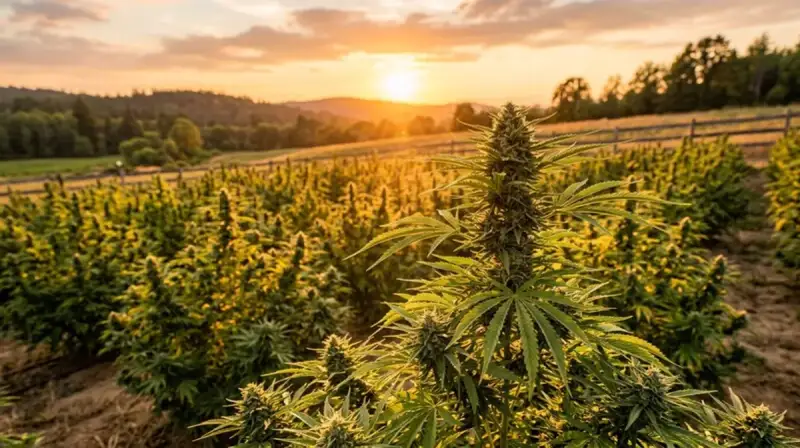
Eugene’s local farms produce sun-grown outdoor cannabis using the Willamette Valley’s natural growing conditions. Excellent terpene profiles at prices that indoor cultivation cannot match.
Craft Indoor Flower
Small-batch indoor grows producing consistent, high-potency product. Eugene’s craft cannabis scene rivals Portland’s for variety and quality despite the city’s smaller size.
Concentrates
Live resin, rosin, and distillate products at competitive prices. Oregon’s extract market benefits from the same oversupply dynamics that drive down flower prices.
Pre-Rolls
Exceptionally good value in Eugene. Infused pre-rolls with locally sourced concentrate and sun-grown cannabis are a Eugene specialty at prices under $10.
Edibles
Oregon 5mg/50mg total limits. Artisan chocolate, locally made gummies, and cannabis beverages from Eugene and Portland brands. Festival-friendly discreet formats.
Tinctures & Topicals
CBD-forward and balanced products from Oregon’s wellness-oriented producers. Popular with the university faculty and older consumer segments.
Price Guide
Eugene prices represent the floor of legal cannabis pricing in the United States. No other major legal cannabis market consistently reaches these price levels.
Product
Budget
Mid-Tier
Premium
Flower (1g)
$2–$4
$5–$8
$10–$16
Eighth (3.5g)
$8–$14
$18–$28
$32–$55
Pre-Roll (1g)
$2–$5
$6–$10
$12–$18
Vape Cart (1g)
$18–$26
$28–$42
$45–$70
Edibles (50mg pkg)
$6–$10
$12–$18
$20–$32
Concentrate (1g)
$12–$20
$22–$38
$40–$65
Eugene Neighborhoods & Dispensary Clusters
Whiteaker (the ’Whit’)
Eugene’s most creatively vibrant neighborhood and the natural home of the city’s best craft cannabis shops. The Whit is walkable, funky, and deeply Eugene in character. Multiple dispensaries within blocks of each other allow for thorough comparison shopping.
5th Street Market Area
Near Eugene’s popular public market and weekend farmers’ market. Dispensaries in this area capture both local residents and food-market visitors. Good daytime foot traffic.
West 11th Avenue
Major commercial corridor with several dispensaries across a range of price points. Convenient for drivers and visitors with cars. Multiple shops within a short stretch offer easy price comparison.
Near UO Campus
Off-campus shops near the University of Oregon focus sharply on value. Budget eighths, pre-roll multipacks, and student loyalty programs are standard. Strong competition keeps prices at the floor.
Medical vs. Recreational
Oregon’s medical cannabis program (OMMP) predates recreational legalization by over a decade. Medical patients benefit primarily from the 17% recreational excise tax exemption — a meaningful saving for high-frequency users given that recreational cannabis can carry a combined tax of 20% or more when local taxes are included.
Medical patients can also purchase higher quantities (up to 24 ounces per day at medical dispensaries) and access products with CBD/THC ratios specifically designated for medical use that may not be available in recreational shops.
Eugene’s extremely low retail prices make the relative benefit of a medical card smaller in absolute dollar terms than in higher-priced states. A regular user in Eugene might save $30–$50 per month with a medical card versus the same purchasing behavior in a state like Illinois, where the savings would be dramatically higher.
Consumption Rules
Oregon prohibits cannabis consumption in public spaces. This applies in parks, on sidewalks, at outdoor events held on public land, and in vehicles. Eugene’s culture is broadly cannabis-tolerant, but legal risks apply in public regardless of prevailing social norms.
University of Oregon campus and all associated facilities are federally funded and subject to federal law. Cannabis cannot be consumed, possessed, or used on any UO campus property, including outdoor areas. This is a federal compliance requirement, not simply a university preference.
Private residences are appropriate. Off-campus student housing is governed by lease agreements, not university rules — landlord policies vary.
Transport Rules
Oregon transport rules require cannabis to remain in sealed, original packaging in a vehicle, inaccessible to driver and passengers. A sealed bag in the trunk is standard practice.
Eugene is approximately 110 miles south of Portland and about 60 miles north of the California border at Ashland. Cannabis cannot be transported across the California border despite California also having legal cannabis — interstate transport on federal highways remains federally prohibited.
Mahlon Sweet Field (Eugene Airport, EUG) is a federal facility. No cannabis permitted.
MW
Marcus Webb
Cannabis policy analyst and dispensary culture writer. Marcus has covered legal cannabis markets across 14 states, with a focus on consumer access, pricing dynamics, and the evolving regulatory environment. Based in the Pacific Northwest.
Frequently Asked Questions
Does Eugene really have the cheapest cannabis in the US?
Eugene and the surrounding southern Willamette Valley region consistently rank among the lowest-priced legal cannabis markets in the United States. Budget flower under $3 per gram is genuinely available at many Eugene dispensaries.
Can University of Oregon students buy cannabis in Eugene?
Any adult 21 or older can purchase cannabis at licensed Oregon recreational dispensaries. However, cannabis is prohibited on the UO campus (federally funded). Off-campus consumption in private residences is lawful.
What neighborhoods have the best dispensaries in Eugene?
The Whiteaker neighborhood is Eugene’s most celebrated cannabis district. The 5th Street Market area and along West 11th Avenue also host well-regarded shops.
Is cannabis allowed at Oregon Country Fair?
Oregon Country Fair and similar outdoor events set their own cannabis policies, which vary. Oregon state law still prohibits public consumption. Always check specific event rules before bringing cannabis to any outdoor festival.