Key Findings at a Glance
Tourists Cannot Buy
Hawaii requires dispensary patients to be registered state residents. Tourists with medical cards from other states cannot legally purchase cannabis in Honolulu. This is a hard rule with no current exception.
Residency Requirement
A valid Hawaii state ID and proof of residency are required to register for the Hawaii Medical Cannabis Registry. The process typically takes several weeks and requires physician certification.
Active Dispensaries on Oahu
Noa Botanicals, Aloha Green Dispensary, and Curaleaf Hawaii operate licensed dispensary locations serving registered patients on Oahu. Each offers a range of medical cannabis products.
CBD Is Tourist-Accessible
Hemp-derived CBD products are widely available throughout Honolulu and accessible to tourists without any registration or card. A robust CBD retail market has developed across the island.
Hawaii State Cannabis Laws
Hawaii became one of the earliest states to establish a medical cannabis program, doing so in 2000 via state legislation — before many of the high-profile ballot initiatives that drove legalization in other states. However, the dispensary system was not established until 2015, when the state legislature created a licensed dispensary framework. The first dispensaries opened to patients in 2017.
As of today, Hawaii has not legalized recreational cannabis. Adult-use legalization efforts have been introduced in the Hawaii legislature multiple times and have come closer to passage in recent sessions, but recreational sales remain unauthorized. Travelers planning a trip to Honolulu should not assume recreational purchase access and must understand that all cannabis retail remains limited to registered medical patients who are Hawaii residents.
The Hawaii Medical Cannabis Registry is administered by the Hawaii Department of Health. To qualify, a patient must be a Hawaii resident (with valid Hawaii state ID), be certified by a Hawaii-licensed physician or advanced practice registered nurse (APRN) for a qualifying condition, and complete the registration application and pay the required fee. Non-resident patients — including those with valid medical cannabis cards from states like California, Oregon, or Colorado — cannot use their out-of-state cards in Hawaii. There is no reciprocity program.
Qualifying conditions for Hawaii’s medical cannabis program include cancer, glaucoma, HIV/AIDS, PTSD, epilepsy, multiple sclerosis, Crohn’s disease, cachexia, severe pain, severe nausea, severe anxiety, and other debilitating conditions as certified by a physician. The qualifying condition list has expanded over time through legislative action and administrative rulemaking.
Registered patients in Hawaii may possess up to 4 ounces of usable cannabis (a higher limit than many states). Home cultivation is permitted for patients registered with a home cultivation license — up to 10 plants, but no more than 10 plants total between a patient and their designated caregiver. Home cultivation plants must be secured and not visible from public spaces.
Cannabis remains illegal for everyone who is not a registered patient, and penalties for non-medical possession, distribution, and cultivation remain in place under Hawaii state law. Possession of small amounts has been decriminalized (civil fines rather than criminal charges for personal possession), but this does not apply to purchases from dispensaries or to tourist use.
The Honolulu Dispensary Scene
Despite Hawaii’s reputation as a progressive, outdoor-lifestyle state, its cannabis dispensary market is tightly restricted to registered medical patients. The dispensary landscape on Oahu is dominated by a handful of licensed operators who have built out patient care facilities across the island, primarily on Oahu and in the Honolulu metro area.
Noa Botanicals is one of Hawaii’s pioneering licensed cannabis dispensaries. Operating under a strong commitment to Hawaiian culture and healing traditions, Noa Botanicals has developed a reputation for quality products and patient-centered care. Their Oahu location serves patients seeking a range of cannabis formulations, from flower and oils to vaporization products and topicals. The dispensary environment is professional and welcoming for registered patients navigating medical cannabis for the first time.
Aloha Green Dispensary brings a health and wellness philosophy to its cannabis retail approach. With a focus on education and integrating cannabis into holistic health practices, Aloha Green offers consultations with knowledgeable staff who can guide patients through product selection based on their specific medical conditions and desired outcomes. The dispensary carries a well-curated selection of Hawaii-grown cannabis products.
Curaleaf Hawaii is the Island State operation of Curaleaf, one of the largest multi-state cannabis operators in the United States. Curaleaf’s Hawaii presence brings the resources, product development expertise, and standardized quality control of a large national operator to the island market. Their Hawaii dispensary locations serve registered patients with a comprehensive product menu and consistent quality standards.
Additional licensed operators on neighbor islands (Maui, Hawaii Island, Kauai) serve patients in those communities but are outside the scope of the Honolulu guide. Registered patients traveling between islands can access dispensaries on each island using their valid Hawaii medical cannabis registration card.
The Hawaii dispensary experience is notably different from recreational states. The clinical, patient-centered approach means you will encounter trained staff who ask detailed questions about your medical condition and goals before recommending products. Menus are curated with medical efficacy in mind. The social, retail-style atmosphere of recreational dispensaries in states like Colorado or California is generally absent in Hawaii’s more formal medical environment.
What to Bring to a Honolulu Dispensary
If you are a registered Hawaii medical cannabis patient, here is what you need every time you visit a Honolulu dispensary.
Hawaii Medical Cannabis Registry Card
Your physical or digital Hawaii Medical Cannabis Registry card issued by the Department of Health is your access credential. Without a valid registry card, dispensary staff cannot serve you, regardless of any extenuating circumstances.
Valid Hawaii State ID
Your Hawaii driver’s license or state ID is required to verify your identity and state residency. The name on your ID must match your registry card exactly.
Payment Method
Hawaii dispensaries accept cash and in some cases debit card payments. Credit card processing for cannabis remains limited due to federal banking constraints. ATMs are typically available at dispensary locations.
Your Physician Certification (for New Patients)
First-time visitors or patients renewing their registration may need to bring their physician certification documentation. Keep a copy of your certification in your records throughout the registration period.
A List of Your Medical Goals
Hawaii dispensary staff are trained to provide medical cannabis guidance. Coming prepared with a clear description of your qualifying condition, symptoms you are managing, any prior cannabis experience, and products you have found effective (or ineffective) helps the patient care specialist tailor recommendations to your needs.
Honolulu Cannabis Laws Video Guide
▶
Hawaii Medical Cannabis — What Patients and Visitors Need to Know
Watch on YouTube
A comprehensive overview of Hawaii’s medical cannabis program, covering residency requirements, how to get a medical card, which dispensaries operate on Oahu, and what tourists need to know before their visit.
Products Available at Honolulu Dispensaries
Hawaii dispensaries offer a focused range of medical cannabis products, curated for patient therapeutic use rather than the broad recreational menu found in states like Colorado or Nevada.
Flower
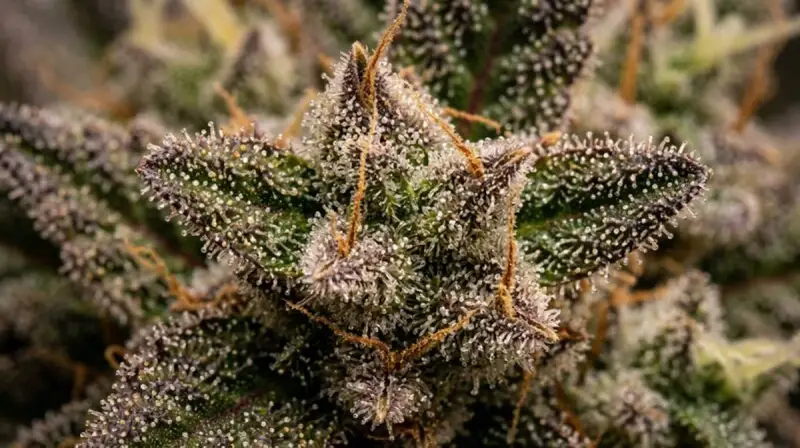
Loose cannabis flower for vaporization or traditional combustion (smoking) is available at Hawaii dispensaries for registered patients. Hawaii-grown flower from licensed cultivators is a feature of the local market, with cultivators adapting to the islands’ unique climate and growing conditions. Strain selection focuses on medically relevant profiles with documented terpene and cannabinoid content.
Oil Cartridges and Vaporizers
Pre-filled vaporizer cartridges and portable oil pen devices are popular among Hawaii patients for their discreet use profile and consistent dosing. Hawaii’s warm outdoor lifestyle means many patients prefer vaporization over smoking for its reduced respiratory impact and portability.
Tinctures and Sublingual Products
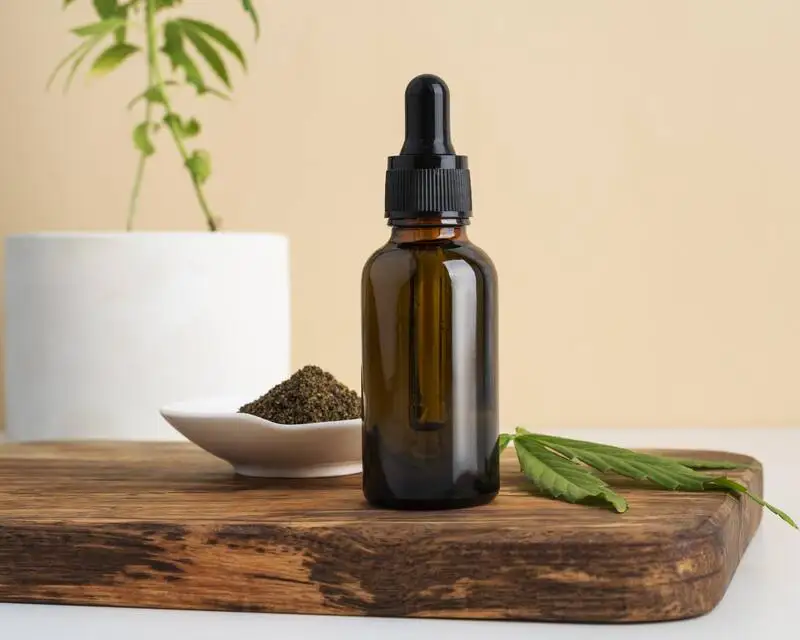
Sublingual tinctures and oils are a core offering at Hawaii dispensaries, particularly for patients managing chronic conditions who prefer a smoke-free administration method. Tinctures allow precise dose titration and have a faster onset than edibles, making them suitable for both chronic and acute symptom management.
Edibles
Medically formulated edibles including gummies, capsules, and infused products are available at licensed dispensaries. Hawaii’s edible regulations emphasize standardized dosing and clear labeling to support safe patient use. Products are typically available in low-dose (5–10mg THC) formulations appropriate for medical use.
Topicals
Cannabis-infused topical products including creams, balms, and patches for localized application are available. These are particularly relevant for patients managing musculoskeletal pain, inflammation, and skin conditions. Transdermal patches for systemic delivery are also offered by some Hawaii dispensaries.
High-CBD Products
Hawaii dispensaries maintain a selection of high-CBD, low-THC products for patients seeking therapeutic cannabinoid benefits with minimal psychoactive effects. These products are particularly popular with patients who require pain and inflammation management while maintaining cognitive function for driving, work, or caregiving responsibilities.
Cannabis Price Guide — Honolulu Dispensaries
Hawaii’s island geography, limited cultivation space, and the compliance costs associated with the state’s regulated medical program mean cannabis prices in Honolulu are among the highest in the nation. Patients should be prepared for premium pricing compared to mainland recreational markets.
| Product | Standard Range | Notes |
|---|
| Flower (1/8 oz) | $50–$80 | Hawaii-grown premium commands top prices |
| Flower (1 oz) | $250–$400 | Bulk pricing limited by import/cultivation costs |
| Vape Cartridge (0.5g) | $50–$75 | CO2 and live resin options available |
| Tincture (30ml) | $40–$80 | CBD:THC ratio affects pricing |
| Edibles (package) | $25–$50 | Medical-focused dosing and formulations |
| Topicals | $30–$65 | Creams, balms, transdermal patches |
Hawaii does not impose a separate cannabis-specific excise tax the way some recreational states do, but the state’s general excise tax (GET) and regulatory fees are factored into dispensary pricing. Patients should inquire about any available patient assistance programs or loyalty pricing at individual dispensaries.
Honolulu Neighborhoods and CBD Access for Tourists
Tourists in Honolulu cannot purchase cannabis at dispensaries. This section focuses on what visitors can legally access and which areas of the city are most relevant for wellness-focused travelers.
Waikiki and the Tourist Corridor
The Waikiki strip and surrounding tourist corridors have a growing number of health and wellness retail shops carrying hemp-derived CBD products. CBD oils, gummies, topicals, and infused bath products are freely available without any card or registration requirement. Look for dedicated wellness shops, surf and lifestyle stores, and health food retailers throughout Waikiki.
Chinatown and Downtown Honolulu
Honolulu’s Chinatown district and downtown area have a number of natural health and apothecary-style shops where CBD and hemp wellness products can be found alongside traditional herbal remedies and supplements. The area’s mix of cultures creates an interesting wellness retail environment.
Kaimuki and East Honolulu
The Kaimuki neighborhood and East Honolulu suburbs have a strong independent retail culture. Health food stores and wellness boutiques in this area often carry quality CBD product lines from reputable brands. This neighborhood is also home to excellent restaurant and coffee shop culture, making it a pleasant alternative to the tourist-heavy Waikiki strip.
Kaka‘ako Arts and Culture District
Kaka‘ako is Honolulu’s rapidly developing urban arts and food district. Innovative retail concepts, including health and wellness stores, populate this neighborhood. Several CBD-focused wellness brands have established retail presences here to serve the younger, health-conscious demographic that frequents Kaka‘ako.
Medical vs. Recreational Cannabis in Hawaii
The medical vs. recreational comparison in Hawaii is straightforward: there is only medical, with recreational access not available. However, it is worth understanding the medical program’s structure for residents who are considering enrollment and for advocates working toward recreational legalization.
The Hawaii medical program is designed with patient care as its central philosophy. Dispensary staff are trained to function as medical cannabis advisors rather than retail sales associates. The consultation process for new patients is thorough, covering medical history, current medications (to screen for interactions), symptom severity, and treatment goals. This approach aligns well with Hawaii’s broader culture of holistic health and aloha spirit.
Hawaii’s patient population is diverse, reflecting the state’s multicultural demographics. Registered patients include elderly residents managing chronic pain, veterans with PTSD, cancer patients seeking palliative relief, and younger adults with anxiety disorders or neurological conditions. The medical program serves this wide demographic effectively through its multiple dispensary locations and product diversity.
Recreational legalization advocacy in Hawaii faces a unique set of challenges. The state’s federal land holdings (military bases, national parks) and dependence on tourism create political sensitivities around legalization. Hawaii’s small land area and agricultural constraints limit the potential scale of cannabis cultivation. Despite these challenges, polling consistently shows majority support for adult-use legalization among Hawaii residents, and legislative momentum has been building toward eventual recreational access.
When and if Hawaii legalizes recreational cannabis, the existing medical dispensary infrastructure will provide a strong foundation. Operators like Noa Botanicals, Aloha Green, and Curaleaf Hawaii have built out the supply chain, retail operations, and regulatory compliance expertise needed to serve a broader consumer base. The transition from medical-only to dual-use retail is a well-documented pathway from other states’ experiences.
Cannabis Consumption Rules in Honolulu
For registered medical cannabis patients in Hawaii, understanding consumption rules is critical for legal compliance and community respect.
Consumption of cannabis is limited to private residences and spaces where the property owner has provided explicit permission. Public consumption is prohibited under Hawaii state law, including parks, beaches, hotel common areas, restaurants, bars, and any outdoor or indoor public space. Hawaii’s beaches, which are technically public lands, are explicitly off-limits for cannabis consumption despite their association with a relaxed outdoor lifestyle.
Federal lands in Hawaii — which include extensive military installations, national parks (including Haleakala National Park on Maui and Hawaii Volcanoes National Park on the Big Island), and national wildlife refuges — are governed exclusively by federal law where cannabis remains a Schedule I controlled substance. Consuming cannabis on federal land is a federal offense regardless of Hawaii state law.
Consumption near schools, daycares, and youth-oriented facilities is prohibited under state law with enhanced penalties. Hawaii’s communities are tightly integrated, and patients should exercise particular care about consumption in residential neighborhoods where families and children are present.
Hotels in Honolulu universally prohibit cannabis smoking or vaping on their premises, including in guest rooms. Some hotels are more tolerant of odor-free consumption methods such as tinctures and capsules, but there is no official accommodation for cannabis consumption in hotel settings. Patients staying in vacation rentals should confirm the property owner’s cannabis policy before booking.
Hawaii does not permit cannabis consumption lounges. There are no licensed social consumption spaces on the islands. Patients must consume in private settings exclusively.
Transporting Cannabis — Airport and Island Rules
Cannabis transport rules in Hawaii are strict and have significant implications given the state’s island geography and reliance on air travel.
Honolulu International Airport (HNL) is a federal facility operating under federal law. Cannabis — even for registered Hawaii medical patients — is prohibited in the airport and on all flights. TSA agents are federally employed and are required to refer cannabis discoveries to law enforcement. The fact that you have a valid Hawaii medical card provides no protection in the airport environment. Do not attempt to transport cannabis through HNL in any direction — arriving, departing, or connecting.
Inter-island travel by commercial aircraft presents the same federal jurisdiction issue. Flying from Honolulu to Maui with cannabis, even as a registered patient with a valid card, crosses federal airspace on a federally regulated carrier. Inter-island cannabis transport by air is illegal for all persons. Registered patients visiting other islands must purchase cannabis from dispensaries on those islands using their valid registration card.
Transporting cannabis by private boat between islands, while technically within state waters in some cases, remains a legally complex area. Law enforcement vessels in Hawaiian waters include both state and federal (Coast Guard) resources. Cannabis transport on watercraft should be considered high-risk regardless of theoretical jurisdictional arguments.
Within Oahu, registered patients may transport their purchased cannabis in a vehicle. Cannabis must be in a sealed, child-resistant container and stored out of the driver’s reach when the vehicle is in motion. Patients should carry their registration card whenever transporting cannabis.
Visitors from legal states who are tempted to bring cannabis to Hawaii as luggage — concealed in personal items, checked bags, or mailed packages — are taking a federal risk that can result in serious criminal charges. The interdiction capability of federal agencies in Hawaii is significant given the state’s strategic importance to the military and its border security infrastructure. The risk is not worth the reward.
Marcus Webb
Senior Cannabis Policy & Travel Writer
Marcus Webb has spent a decade covering cannabis legalization, dispensary markets, and consumer education across North America. His reporting on medical-only markets and tourist-focused cannabis law guides has helped travelers avoid legal complications while exploring destinations around the world. Marcus is based in the Pacific Northwest.
Frequently Asked Questions — Honolulu Dispensaries
Can tourists buy cannabis in Honolulu?
No. Hawaii is medical-only and requires patients to be Hawaii state residents with a valid state ID to register for the medical cannabis program. Tourists visiting Honolulu cannot legally purchase cannabis at any dispensary, regardless of their home state’s cannabis laws.
Which dispensaries operate in Honolulu?
Licensed dispensaries operating on Oahu include Noa Botanicals, Aloha Green Dispensary, and Curaleaf Hawaii. Each operates patient care locations serving registered medical cannabis patients on the island.
Can I bring cannabis to Hawaii from a legal state?
Absolutely not. Bringing cannabis to Hawaii by air crosses federal airspace and constitutes federal drug trafficking regardless of your home state’s laws or Hawaii’s medical program. Airport security at HNL follows federal law. Penalties are severe.
Is CBD legal in Honolulu for tourists?
Yes. Hemp-derived CBD products with less than 0.3% THC are federally legal and widely available throughout Honolulu in pharmacies, health food stores, surf shops, and online. Tourists can freely purchase and use compliant CBD products during their visit.