Key Facts at a Glance
⚖
Legal Status
Recreational & Medical
👥
Minimum Age
21+ (Recreational)
⚖
Possession Limit
6 oz (170g) Public
📋
ID Required
Any Gov’t-Issued ID
🌎
NYC Border Market
Major NYC Crossover
New Jersey Cannabis Laws Explained
New Jersey voters approved Question 1 in November 2020, amending the New Jersey Constitution to legalize recreational cannabis for adults 21 and older. The New Jersey Cannabis Regulatory Commission (NJCRC) was established as the regulatory authority, replacing the former Department of Health oversight of the medical program. Recreational retail sales launched April 21, 2022, initially through converted Alternative Treatment Centers (ATCs) that already held medical dispensary licenses.
Adults 21 and older in New Jersey may possess up to 6 ounces of cannabis in public. This is one of the highest public possession limits of any US state — significantly more than Colorado (1oz), Montana (1oz), or California (28.5g/~1oz). At home, personal use amounts may be stored in larger quantities. New Jersey does not permit home cultivation; unlike most other legal states, NJ adults cannot grow cannabis plants for personal use under the current law.
New Jersey’s cannabis tax structure uses a tiered excise tax based on potency (THC content per dry weight ounce of cannabis), plus the standard 6.625% New Jersey sales tax. Municipalities may impose an additional local transfer tax of up to 2%. The effective total tax at most NJ dispensary checkouts runs approximately 15–20%, competitive with Michigan and lower than California or New York. New Jersey has adjusted its cannabis tax structure multiple times since launch to keep NJ prices competitive and prevent revenue loss to other states’ gray markets.
The NJCRC’s licensing framework includes Class 1 (cultivator), Class 2 (manufacturer), Class 3 (wholesaler), Class 4 (retailer), Class 5 (distributor), and Class 6 (delivery) categories. Cannabis retail licenses (Class 4) are the dispensary-facing licenses. The NJCRC has prioritized social equity licensing to ensure participation by communities historically impacted by cannabis prohibition. Annual licensing fees and renewal requirements keep the regulatory environment active.
New Jersey prohibits driving under the influence of cannabis. DUID enforcement uses a combination of field sobriety testing and drug recognition expert evaluation. Keep cannabis in sealed packaging in the trunk during vehicle transport. Open containers of cannabis are treated similarly to open alcohol containers.
New Jersey’s Medical Cannabis History
New Jersey established the Compassionate Use Medical Marijuana Act in 2010, one of the earlier East Coast medical programs. The NJ medical program operated for over a decade before recreational legalization, building an established operator base and a large registered patient population. Medical patients in NJ retain meaningful benefits including exemption from the recreational excise tax, higher purchase limits, and access to medical-specific products. NJ’s medical program now operates alongside the recreational market under the NJCRC’s oversight.
New Jersey’s Dispensary Scene
New Jersey’s dispensary market is shaped powerfully by the state’s geography. With New York City immediately across the Hudson River, and New York’s own recreational market taking years to build out licensing infrastructure after legalization passed, New Jersey dispensaries positioned near the NYC border became primary destinations for New Yorkers seeking legal recreational cannabis.
The northern New Jersey communities along the Hudson River — Jersey City, Hoboken, Edgewater, and Fort Lee — and those accessible from the George Washington Bridge and Lincoln Tunnel became particularly high-traffic dispensary zones for New York area consumers. The PATH train from lower Manhattan and midtown reaches Jersey City and Hoboken in under 20 minutes, making these dispensaries genuinely accessible to NYC residents without a car.
Newark, NJ’s largest city, has developed a significant dispensary presence. Newark’s Liberty International Airport location means travelers passing through often route through Newark dispensaries. NJ Transit trains connect Newark to New York Penn Station in minutes, and Newark’s own residential population provides a large local customer base.
Paterson, Passaic County, and the inner suburban ring around NYC have dispensaries serving dense residential populations. These markets tend to serve local residents more than the tourist or cross-border shoppers who drive the Hudson County dispensary business.
Central and South Jersey (Trenton, Cherry Hill, Atlantic City, and the Shore communities) have their own dispensary clusters serving NJ residents and visitors. Atlantic City’s tourist-driven economy supports dispensaries catering to hotel guests and casino visitors. The Jersey Shore communities see seasonal demand spikes.
The social equity component of NJ’s licensing has resulted in a growing number of locally-owned and operated dispensaries owned by NJ residents and community members, diversifying ownership beyond the MSOs that dominated the initial ATCs. The NJCRC has maintained pressure on expanding equity licensing as the market matures.
What to Bring to a New Jersey Dispensary
- Valid government-issued photo ID: Any ID proving age 21 or older. NJ driver’s license, NY license, any other out-of-state license, passport, or military ID. Physical ID required at most shops; digital IDs are generally not accepted.
- Cash or debit: PIN debit is widely accepted at NJ dispensaries with processing fees (typically $3–5). Cash is universally accepted and eliminates fees. Some NJ shops have adopted more advanced cashless payment systems.
- NJ medical card (if applicable): Registered NJ medical patients get lower taxes and higher purchase access. Bring both your NJ Medical Marijuana Program card and a matching government ID.
- Knowledge of the 6oz limit: New Jersey’s 6oz possession limit is one of the most generous in the country. You can purchase up to 1 ounce per transaction (or per day) at most shops; the possession limit refers to what you may legally carry on your person.
- A plan for transport (if from NYC): If you’re a NYC resident shopping in NJ, plan your transport back. Technically cannabis must remain in NJ; practically, you need to understand that federal jurisdiction applies at NJ-NY borders. Many NJ dispensary customers consume or store their purchase in NJ accommodations rather than transporting it across state lines.
New Jersey Cannabis Guide: The NYC Border Market Explained
▶
Video guide: New Jersey’s cannabis market, why dispensaries cluster near NYC, the cross-border shopping phenomenon, NJ’s tax structure, and what buyers from New York and elsewhere need to know about NJ cannabis law.
Product Types Available in New Jersey Dispensaries
New Jersey dispensaries carry a comprehensive range of cannabis products regulated by the NJCRC. As the market has matured, product variety has expanded substantially from the more limited offerings of the early medical-only years.
Flower
New Jersey has a growing licensed cultivator base producing in-state flower. Flower is available by gram, eighth, quarter, half-ounce, and ounce. Multi-state operators bring flower from affiliated grow operations. NJ pricing on flower is competitive; the lower tax burden compared to NY means NJ flower prices after tax are frequently lower than equivalent NYC products when NY prices normalize.
Pre-Rolls
Singles, multi-packs, and infused pre-rolls are standard. NJ’s pre-roll market has grown rapidly with the recreational expansion, with multiple licensed processors producing pre-roll product lines for the NJ market specifically.
Edibles
NJ caps recreational edibles at 10mg THC per serving. Gummies, chocolates, beverages, and mints are widely available. Medical patients have access to higher-dose options. New Jersey’s proximity to major food manufacturing infrastructure means edibles product development has been robust.
Concentrates
Wax, shatter, live resin, rosin, and distillate are available at most NJ recreational dispensaries. The concentrate market has expanded as more NJ processors received manufacturing licenses. Premium solventless options are increasingly common in the north Jersey market.
Vapes
Cartridges and all-in-one disposables are very popular in the NJ market, particularly with urban consumers in the NYC metro area who prefer discreet product formats. NJ testing requirements ensure product safety. Multiple brands produce NJ-market-specific vape lines.
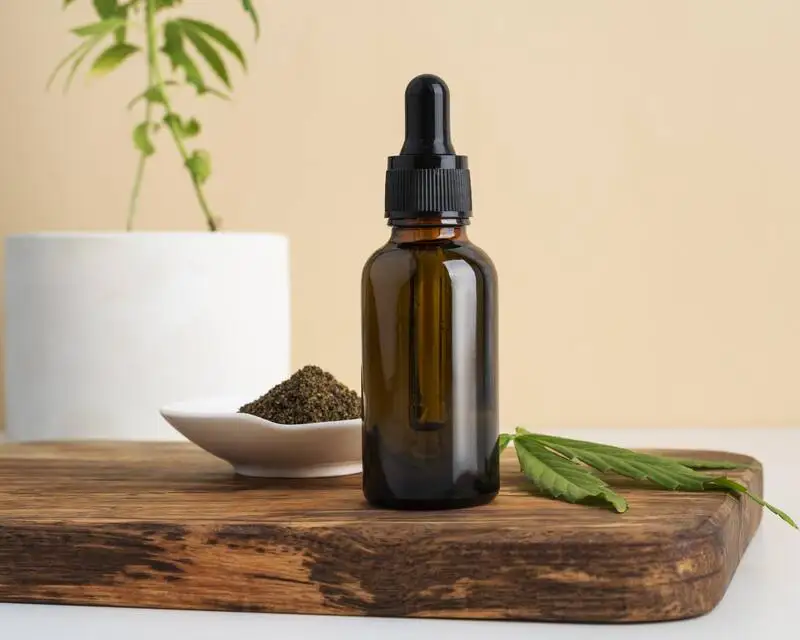
Tinctures and Capsules
The NJ medical heritage means tinctures and capsules have a strong presence in the market. These products are well-represented at most dispensaries. Medical patients in particular use these formats for precise dosing.
Price Guide: New Jersey Cannabis Pricing
New Jersey occupies a strong mid-range price position in the East Coast market. Prices are meaningfully lower than legacy New York gray-market pricing and competitive with expanding NY legal market prices. The relatively lower NJ tax burden compared to NY creates sustained pricing advantages that helped drive the cross-border shopping phenomenon.
| Product | Low End | Mid Range | Premium |
|---|
| Flower (1g) | $8 | $14 | $22+ |
| Flower (1/8 oz) | $25 | $40 | $58+ |
| Flower (1 oz) | $110 | $175 | $270+ |
| Pre-roll (single) | $8 | $14 | $20+ |
| Edibles (100mg) | $16 | $25 | $38+ |
| Vape Cart (500mg) | $28 | $45 | $65+ |
| Concentrate (1g) | $25 | $45 | $70+ |
| Tincture (30ml) | $22 | $38 | $60+ |
Add 15–20% for NJ total taxes. Medical patients save significant amounts by paying only sales tax without the cannabis excise layer. Daily deals, loyalty programs, and first-visit discounts are standard across the NJ market.
Best Areas for Dispensaries in New Jersey
Hudson County (Jersey City, Hoboken, Bayonne)
Hudson County directly across the river from Manhattan is the prime dispensary zone for NYC crossover buyers. Jersey City has the highest dispensary density in the county. PATH train access from lower Manhattan (World Trade Center) and midtown (33rd St, 23rd St) makes Jersey City dispensaries accessible in 15–20 minutes from central Manhattan without a car. These shops are well-stocked, high-volume, and accustomed to serving out-of-state buyers who may be new to NJ dispensaries.
Newark / Essex County
Newark and the Essex County corridor have a growing dispensary presence serving NJ’s largest city. NJ Transit trains from NY Penn Station reach Newark Penn Station in 20–30 minutes. Newark dispensaries serve a primarily local consumer base with some NYC crossover via transit. Essex County suburban communities also have dispensary access.
Bergen County (Near GWB)
Bergen County communities near the George Washington Bridge — Fort Lee, Hackensack, Paramus — have dispensaries serving both NJ residents and NY drivers crossing the bridge. These shops are primarily car-accessible and cater to drivers rather than transit users.
Atlantic City / Shore Communities
Atlantic City has dispensaries positioned for casino visitors and tourists. The Jersey Shore communities from Asbury Park through the Cape May area have dispensaries that serve seasonal tourist populations with peaks during summer shore season. Year-round local populations support these shops in shoulder seasons.
Trenton / Central Jersey
Central New Jersey around Trenton and the Route 1 corridor has dispensaries serving state government workers, university communities (Rutgers, Princeton), and residential central NJ populations. NJ Transit rail and bus routes serve these areas.
Medical vs. Recreational in New Jersey
New Jersey’s dual market system allows existing medical ATCs and new recreational retailers to serve both populations. Medical patients in NJ retain significant advantages worth considering for regular cannabis users.
New Jersey medical cannabis patient benefits:
- No cannabis excise tax on medical purchases (only standard sales tax)
- Higher daily purchase limits than recreational consumers
- Access to medical-specific products above recreational caps
- Possible delivery priority at some ATC operators
- Legal protections in employment, custody, and housing contexts in some cases (NJ has relatively strong medical patient protections)
To get a NJ medical marijuana card, you register with the NJ Medical Marijuana Program through the NJ Department of Health portal. You need a NJ physician recommendation for a qualifying condition, NJ residency, and payment of fees. New Jersey’s qualifying conditions list is moderately broad, including chronic pain, anxiety, PTSD, cancer, ALS, multiple sclerosis, epilepsy, and others. The full list is available on the NJ DOH website.
For recreational buyers, no medical card is needed — just a valid ID proving age 21+. New Jersey is one of the most accessible recreational markets on the East Coast.
Consumption Rules in New Jersey
New Jersey prohibits cannabis consumption in any public place where smoking is banned, which includes most outdoor public spaces, transit systems, and all indoor public venues. New Jersey’s cannabis law also specifically prohibits consumption in vehicles, whether in motion or parked on public property.
New Jersey has established a framework for cannabis consumption lounges, which are licensed under the NJCRC. Several municipalities and operators have pursued lounge licensing; check current NJ local listings for any open consumption venues near you, particularly in Hudson County and Newark where the density of demand supports such venues.
New Jersey’s dense urban environments in northern NJ mean most accommodation options are hotels and apartments where cannabis consumption policies vary. Hotels are generally non-smoking and non-cannabis facilities. Private short-term rentals may permit cannabis; verify before booking.
NJ Transit property — trains, buses, stations — is entirely off-limits for cannabis consumption. The NJ Turnpike, Garden State Parkway rest areas, and other state transportation facilities are also prohibited consumption zones.
Transport & Dispensary Etiquette in New Jersey
Cross-State Transport: The NYC Question
The single most common question about NJ dispensaries from NYC buyers involves transporting cannabis back to New York. The legal reality: cannabis purchased in NJ is legal under NJ state law, but the act of crossing state lines with cannabis involves federal law, which prohibits cannabis transport across state borders. Practically, the Hudson River crossings (Lincoln Tunnel, George Washington Bridge, Holland Tunnel) and PATH train are not US Customs checkpoints, but federal jurisdiction exists at all state lines.
NJ dispensary customers who are NY residents navigate this in various ways. Many consume during their NJ visit. Some have NJ addresses where they store purchases. Others accept the practical risk calculation while understanding the legal exposure. This is an area where individual discretion and risk tolerance vary; the legal position is that cross-state transport of cannabis is federally prohibited regardless of state laws on either side of the border.
Getting Around NJ for Cannabis
Northern NJ is well-served by PATH (Hudson County), NJ Transit rail and bus (most of the state), and rideshare. Many NJ dispensaries in car-dependent suburban locations have ample parking. Urban Hudson County dispensaries are genuinely walkable from PATH stops, making them among the most transit-accessible in the country relative to the NYC market they serve.
Dispensary Etiquette
NJ dispensaries are experienced, professional operations. Staff at high-volume north Jersey shops in particular are accustomed to efficiently processing large numbers of customers, including many first-time visitors from NY. Have your ID ready, know your budget and rough product preferences, and expect a smooth check-in and purchase process at most established NJ dispensaries.
MW
Marcus Webb
Cannabis Policy & Dispensary Research Editor
Marcus Webb has covered the New York metro cannabis market intensively since NJ’s recreational launch, documenting the unique cross-border market dynamics created by NJ’s earlier recreational rollout vs. New York’s delayed licensing buildout. He tracks NJ dispensary policy, NJCRC licensing, and the ongoing evolution of the state’s cannabis retail landscape.
Frequently Asked Questions: New Jersey Cannabis Dispensaries
When did New Jersey legalize recreational cannabis?
New Jersey voters approved Question 1 in November 2020. Adult-use retail sales began April 21, 2022, at existing Alternative Treatment Centers that were first to receive recreational licenses from the NJCRC.
How much cannabis can you possess in New Jersey?
New Jersey adults 21 and older may possess up to 6 ounces of cannabis in public — one of the highest possession limits in the US. New Jersey does not currently permit home cultivation of cannabis plants.
Can New York residents buy cannabis in New Jersey?
Yes. NJ dispensaries serve adults 21+ from any state. NY residents legally purchase at NJ dispensaries. However, transporting cannabis back to NY crosses a state line, which involves federal law that prohibits interstate cannabis transport regardless of state laws on either side of the border.
What is the cannabis tax rate in New Jersey?
New Jersey imposes a tiered excise tax based on THC potency plus 6.625% state sales tax. Municipalities may add up to 2% local tax. Total effective rates commonly run 15–20% at checkout, competitive with other East Coast recreational markets.