Key Facts at a Glance
⚕
Legal Status
Medical Only
👥
Who Can Buy
PA Medical Card Holders
📋
Required Document
PA Medical Marijuana Card
🚌
Transit Access
Multiple SEPTA Routes
💰
State Tax
5% Medical Excise
🚚
Delivery
Home Delivery Available
Pennsylvania Medical Marijuana Laws Explained
Pennsylvania Governor Tom Wolf signed the Medical Marijuana Act into law in April 2016, establishing the Pennsylvania Medical Marijuana Program. The program is administered by the Pennsylvania Department of Health. Dispensaries began operating in 2018. Pennsylvania has not legalized recreational cannabis; the state operates exclusively as a medical-only market.
To purchase cannabis at any Philadelphia dispensary, you must be a registered Pennsylvania medical marijuana patient. This requires: a qualifying medical condition certified by a registered Pennsylvania physician; registration with the PA Medical Marijuana Program through the DOH patient portal; and payment of the $50 patient registration fee. After your physician submits a certification and you complete registration, a patient ID card is issued (both digitally for immediate use and as a physical card mailed to your address).
Pennsylvania’s qualifying conditions list is specific and relatively restricted compared to states like Oklahoma or California. Current qualifying conditions include cancer, autism, ALS, anxiety disorders, Crohn’s disease, damage to the nervous tissue of the spinal cord, dyskinetic and spastic movement disorders, epilepsy, glaucoma, HIV/AIDS, Huntington’s disease, inflammatory bowel disease, intractable seizures, multiple sclerosis, neurodegenerative diseases, neuropathies, opioid use disorder, Parkinson’s disease, PTSD, severe chronic or intractable pain of neuropathic origin or severe chronic or intractable pain, sickle cell anemia, terminal illness, Tourette syndrome, and several others. The list has expanded over time as the DOH has added conditions; check the current DOH website for the complete and up-to-date list.
Pennsylvania imposes a 5% excise tax on medical cannabis sales (charged to the grower/processor, typically passed through to retail prices). Pennsylvania’s standard 6% sales tax is not charged on medical cannabis in Philadelphia. Philadelphia’s own city sales taxes also do not apply. The effective tax burden on patients is the 5% grower/processor tax embedded in the retail price. This makes Pennsylvania one of the lower-tax medical cannabis markets in terms of visible patient-level taxation.
Philadelphia’s Decriminalization
Philadelphia decriminalized possession of 30 grams or less of cannabis in 2014, converting it from a criminal charge to a civil fine. However, decriminalization does not allow dispensary purchases. You cannot walk into a Philadelphia dispensary without a valid PA medical card regardless of the decriminalization ordinance. Decriminalization simply means small personal amounts caught by police result in a fine rather than arrest — it has no bearing on commercial dispensary access.
Philadelphia’s Dispensary Scene
Philadelphia has several licensed dispensaries operating within city limits, with additional dispensaries in the surrounding suburbs of Montgomery County, Delaware County, and Bucks County. The number of dispensaries was constrained by Pennsylvania’s initial licensing caps, which limited the total number of dispensary licenses statewide. Pennsylvania subsequently expanded its license count, allowing more dispensary openings over time.
Center City Philadelphia has limited dispensary presence given the premium real estate costs and zoning considerations. Most Philadelphia dispensaries are located in commercial corridors in neighborhoods like Germantown, Frankford, Port Richmond, and Northeast Philadelphia, where larger commercial spaces are more accessible and zoning approvals were obtained. Several dispensaries are in north and northeast Philadelphia neighborhoods serving the residential populations there.
The suburban dispensary belt around Philadelphia is significant. Many Pennsylvania patients who live in Philadelphia proper choose to drive or take transit to suburban dispensaries in neighboring counties that may have better inventory, shorter wait times, or deal structures they prefer. The SEPTA regional rail system connects Philadelphia to Ambler, Lansdale, Wilmington, and other areas with dispensaries.
Pennsylvania dispensaries operate under a vertically integrated model where licensed grower/processors supply all product to dispensaries. This means all cannabis products in Pennsylvania are produced in-state by licensed Pennsylvania cultivators and processors. Out-of-state products cannot be imported. The in-state supply chain has matured significantly since 2018; product quality and variety have improved substantially over the program’s life.
Home delivery has been authorized in Pennsylvania, and several Philadelphia-area dispensaries offer delivery to patient addresses within their service zones. This is particularly valuable for patients with mobility limitations, those without vehicles, and patients in neighborhoods without nearby dispensaries. Delivery requires the patient’s PA medical card and matching ID at the door.
What to Bring to a Philadelphia Dispensary
Philadelphia dispensaries require your PA Medical Marijuana patient ID card. Without it, you cannot make a purchase. No exceptions.
- Pennsylvania Medical Marijuana Patient Card: Physical card or the DOH digital patient ID accessible through the PA DOH patient portal. This must match your registered information. Bring the physical card for reliability; digital versions depend on app connectivity.
- Government-issued photo ID: A matching PA driver’s license, state ID, or other government-issued photo ID confirming your identity matches your patient registration. Most dispensaries require both the medical card and a photo ID.
- Cash or debit: Pennsylvania dispensaries are in the same federal banking gap as all US cannabis retailers. Cash is universally accepted; PIN debit is common with small processing fees. ATMs are often available on-site.
- Your physician certification details (first visit): On your first dispensary visit after registration, it’s useful to know your physician’s certification date and your patient ID number in case of any system questions during check-in.
- Knowledge of your condition and goals: Pennsylvania dispensary staff (patient care coordinators, in PA terminology) are trained to help patients find appropriate products for their medical conditions. Being specific about your symptoms, tolerance, and preferred product format helps them guide you effectively.
Philadelphia Cannabis Guide: Getting Your PA Medical Card & What to Expect
▶
Video guide: Step-by-step PA medical marijuana card process, Philadelphia dispensary locations, SEPTA transit access, home delivery options, and what patients need to know about Pennsylvania’s medical-only cannabis market.
Product Types Available in Philadelphia Dispensaries
Pennsylvania limits the product forms available in the medical program, though these have expanded over time from the initial launch. Approved product forms currently include:
Flower
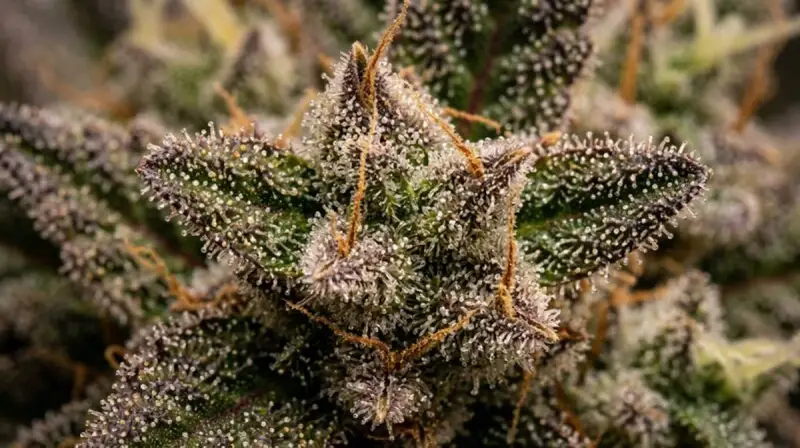
Dry leaf cannabis for vaporization (not smoking) was added to Pennsylvania’s permitted product forms. Note: Pennsylvania specifically authorized “dry leaf or plant form for vaporization” — while in practice many patients use standard flower in traditional pipes and papers, the official authorization is for vaporization. Philadelphia dispensaries carry a range of in-state flower from multiple PA growers.
Oils and Tinctures
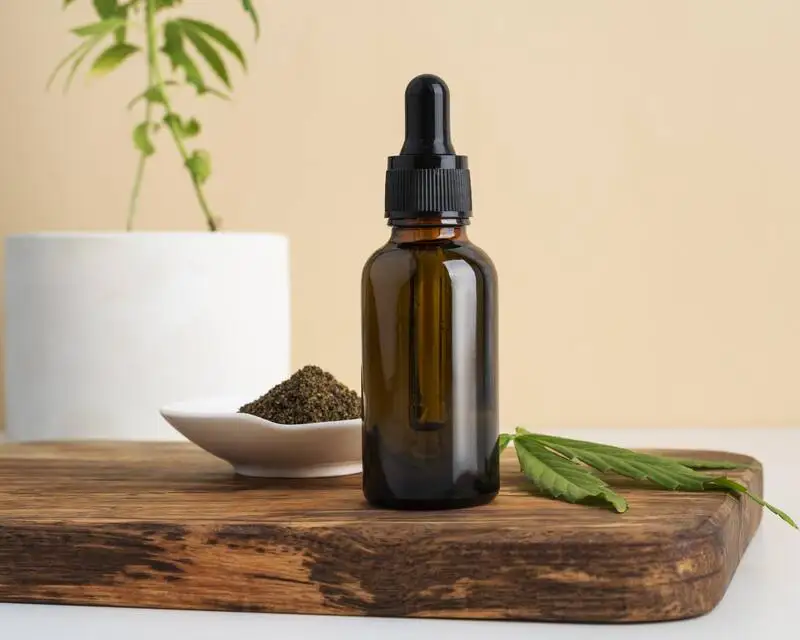
Cannabis oils and tinctures for sublingual or ingestion use are among the most common product types in Pennsylvania dispensaries. These allow precise dosing and are preferred by medical patients managing specific conditions. Multiple Pennsylvania processors produce extensive tincture lines.
Capsules and Gelcaps
Capsules and gelcaps are widely available, particularly appealing to patients who prefer the familiarity of a pharmaceutical-style delivery format. Onset is slower than tinctures but duration is longer.
Vape Pens and Cartridges
Vaporizable cannabis oil in cartridges and all-in-one pens is a popular product category. Pennsylvania requires rigorous testing of all vape products. Multiple PA-licensed processors produce high-quality carts from in-state flower.
Topicals
Non-psychoactive topical creams, balms, and patches are available at most Philadelphia dispensaries. These are particularly useful for patients managing localized pain or inflammation without wanting systemic effects.
Edibles
Pennsylvania added edibles to its list of approved product forms. Gummies, chocolates, and lozenges are now available. Medical patients have access to products with dosing appropriate to their medical needs, though standard recreational-market caps generally inform production.
Price Guide: Philadelphia Medical Cannabis Pricing
Pennsylvania medical cannabis pricing reflects the state’s vertically integrated, limited-license market. With fewer growers producing for a large patient population, prices have historically been higher than open-market recreational states. However, as the number of licenses expanded and competition among Pennsylvania operators increased, prices have moderated significantly compared to the program’s early years.
| Product | Low End | Mid Range | Premium |
|---|
| Flower (3.5g) | $30 | $45 | $60+ |
| Flower (14g) | $100 | $150 | $220+ |
| Vape Cart (500mg) | $35 | $55 | $75+ |
| Tincture (30ml) | $25 | $45 | $70+ |
| Capsules (30ct) | $28 | $45 | $65+ |
| Edibles (100mg) | $18 | $28 | $42+ |
| Concentrate (1g) | $30 | $50 | $75+ |
| Topical (1oz) | $25 | $40 | $65+ |
The 5% excise tax is embedded in Pennsylvania dispensary prices (not added at checkout as a visible line item in most cases). Patient loyalty programs and dispensary promotional offers help offset the higher base pricing. Some Philadelphia-area dispensaries run monthly “patient appreciation” deals with significant discounts.
Philadelphia Dispensary Locations & Transit Access
Germantown / Northwest Philadelphia
Germantown Avenue and the northwest Philadelphia neighborhoods have dispensary presence serving the dense residential areas there. SEPTA bus lines along Germantown Avenue provide transit access. These shops serve a primarily residential patient population and have strong community ties.
Northeast Philadelphia
Northeast Philadelphia along major commercial corridors like Frankford Avenue and Roosevelt Boulevard has multiple dispensaries serving the borough’s largest residential area. The SEPTA Market-Frankford Line (El) runs along Frankford Avenue, making Frankford corridor dispensaries accessible by rapid transit without a car.
Port Richmond / Kensington Area
The near northeast and river ward neighborhoods have dispensary access via multiple SEPTA bus routes. These shops serve working-class Philadelphia neighborhoods and tend to be no-frills, patient-focused operations with strong repeat customer bases.
Suburban Montgomery & Delaware Counties
SEPTA Regional Rail lines connect Center City Philadelphia to suburban communities in Montgomery County (Lansdale/Doylestown line, Paoli/Thorndale line) and Delaware County (Media/Elwyn line) where additional dispensaries operate. For Philadelphia patients willing to ride regional rail, suburban dispensary options may offer different product availability or better deals.
Medical Is the Only Option in Pennsylvania
Pennsylvania has no recreational cannabis market. All purchases require a valid PA medical marijuana patient card. The state legislature has seen proposals for recreational legalization but none have advanced to final passage as of the time of writing. Pennsylvania’s conservative legislative dynamics and the current governor’s position on cannabis will determine if and when recreational legalization occurs.
The medical card process is the only legal pathway to cannabis in Pennsylvania. It requires:
- Qualifying medical condition (from the DOH-approved list)
- Physician certification from a DOH-registered physician
- Patient registration with the PA Medical Marijuana Program
- $50 patient registration fee
- Pennsylvania residence (PA ID or other proof of PA residency)
The card is valid for one year from the date of physician certification. Annual renewals require a new physician visit (in-person or telemedicine) and new certification, plus a renewal fee. The cost of physician visits and certifications varies; telemedicine cannabis doctor services operating in Pennsylvania charge $50–200 for the certification visit.
Out-of-state visitors to Philadelphia cannot legally purchase at dispensaries without a PA medical card. Pennsylvania does not have a reciprocity program that recognizes other states’ medical cards for dispensary purchase purposes. Some states do have reciprocity (Nevada, Maine, and others) but Pennsylvania does not.
Consumption Rules in Philadelphia
Pennsylvania law prohibits cannabis consumption in any public place. Medical patients must consume on private property. Philadelphia’s decriminalization only applies to possession penalties; it does not create legal consumption zones. Public consumption of cannabis in Philadelphia can still result in a civil fine under city code.
Pennsylvania does not have licensed cannabis consumption lounges. The medical-only framework has not included social use provisions. Consumption must occur at a patient’s private residence or other private property with the owner’s consent.
Philadelphia’s dense urban environment means hotels, Airbnb rentals, and apartment buildings are the primary accommodation options for visitors, and almost all prohibit cannabis consumption. Patients visiting Philadelphia from elsewhere in Pennsylvania face the same practical consumption challenges as in any city that lacks licensed lounges.
Transport & Dispensary Etiquette in Philadelphia
SEPTA Access
Philadelphia’s SEPTA system is one of the more comprehensive transit networks in the US. The Market-Frankford Line (El), Broad Street Line, and extensive bus networks make several Philadelphia dispensaries accessible without a car. Specific transit routing depends on the dispensary; check SEPTA’s trip planner with the specific dispensary address. Rideshare is also widely available in Philadelphia for dispensary trips.
Home Delivery Option
For patients who prefer not to travel, home delivery is a significant convenience in Philadelphia. Multiple licensed operators serve Philadelphia ZIP codes. Delivery orders are placed online or by phone, verified against the patient registry, and delivered by licensed delivery agents who confirm your identity and patient card at the door.
Dispensary Etiquette in a Medical Market
Pennsylvania dispensaries are patient-care environments. Staff are trained as patient care coordinators rather than sales-focused retail workers. Consultations are typically more thorough and clinically-oriented than in recreational dispensaries. Expect a check-in process where your patient card is verified against the PA registry, then a consultation with a coordinator who reviews your condition, goals, and product options before completing your purchase.
Privacy is taken seriously in Pennsylvania dispensaries. Patient health information is protected. Bring only the documentation you need and respect the privacy of other patients in waiting areas.
MW
Marcus Webb
Cannabis Policy & Dispensary Research Editor
Marcus Webb covers medical cannabis policy and the patient experience in states that have not yet progressed to recreational legalization. He has followed Pennsylvania’s medical program from its 2016 enactment through the maturation of the state’s grower/processor/dispensary ecosystem and the ongoing legislative debates around recreational access.
Frequently Asked Questions: Philadelphia Cannabis Dispensaries
Is cannabis recreational in Philadelphia?
No. Pennsylvania is a medical-only state. You must have a valid Pennsylvania medical marijuana card to purchase cannabis at any dispensary in Philadelphia. Philadelphia’s decriminalization ordinance reduces possession penalties but does not create recreational purchasing rights.
How do I get a Pennsylvania medical marijuana card?
Register with the Pennsylvania Department of Health Medical Marijuana Program online. You need a PA ID, a physician certification from a registered PA physician for a qualifying condition, and the $50 patient fee. Cards are issued digitally with a physical card mailed separately.
Can I reach Philadelphia dispensaries on SEPTA?
Yes. Several Philadelphia dispensaries are accessible via SEPTA bus routes, the Market-Frankford Line, and regional rail. Check individual dispensary websites for specific transit directions from major SEPTA stops near their locations.
Does Pennsylvania offer cannabis home delivery?
Yes. Pennsylvania authorized home delivery of medical cannabis to registered patients. Multiple Philadelphia-area dispensaries offer delivery to patient addresses. Delivery requires your medical marijuana card and matching government ID at the door.