Key Findings at a Glance
USA’s Highest Dispensary Density
The Phoenix metro area leads the nation in licensed dispensary concentration. Over 100 dispensary locations compete for consumers across Phoenix, Scottsdale, Mesa, Tempe, Chandler, and Gilbert, driving quality up and prices down.
Competitive Pricing
Phoenix’s saturated market means dispensaries compete aggressively on price. Budget eighths under $25 are readily available. Daily specials, loyalty programs, and first-time discounts are standard across most operators.
Major Chain Presence
Harvest, Copperstate Farms, Nirvana, and other major operators run multiple Phoenix-area locations. The coexistence of large chains with local independents gives consumers maximum choice.
Sun Belt Cannabis Tourism
Phoenix draws cannabis tourists from prohibition states including Texas, New Mexico (before its legalization), and other Southwest states. The warm climate, resort amenities, and legal market create a unique cannabis tourism ecosystem.
Arizona State Cannabis Laws
Arizona’s relationship with cannabis legalization is a story of two ballot measures. The first, Proposition 205 in 2016, failed narrowly — a defeat that advocates used to recalibrate their strategy. Four years later, Proposition 207 (the Smart and Safe Arizona Act) passed with 60% of the vote in November 2020, demonstrating how rapidly public opinion had shifted. The speed of implementation was remarkable: recreational retail sales launched in January 2021, just about two months after the vote was certified.
Arizona’s recreational framework builds on the state’s existing medical cannabis infrastructure, which had been in place since voters passed the Arizona Medical Marijuana Act (Proposition 203) in 2010. Medical dispensaries were seamlessly converted to dual-use recreational and medical retail, giving the state an immediate, functional retail network from day one of recreational legalization.
Under Prop 207, adults 21 and older may purchase and possess up to 1 ounce of cannabis flower. Up to 5 grams of concentrate may be possessed as a separate allowance. Adults who reside more than 25 miles from the nearest licensed dispensary are permitted to cultivate up to 6 plants at home. This home cultivation provision effectively limits growing rights to rural areas where retail access is impractical, which is a notable restriction compared to states that offer blanket home cultivation rights.
Arizona’s cannabis tax structure includes a 16% excise tax on recreational cannabis sales, on top of standard state and local sales taxes. This combined rate puts Arizona on the higher end of state cannabis tax burdens, though the competitive market has largely absorbed the tax impact through pricing competition. Medical patients pay only the standard transaction privilege tax (Arizona’s version of sales tax) and are exempt from the 16% excise tax, making the medical card financially valuable for regular consumers.
The Arizona Department of Health Services (ADHS) oversees cannabis licensing and compliance. Arizona’s licensing regime grants each existing medical dispensary operator the right to add recreational sales, effectively limiting the initial recreational license pool to established medical operators. New standalone recreational-only licenses have been more limited, though the market has evolved through ownership changes, expansions, and new license types over time.
Possession of cannabis by persons under 21 remains illegal and carries significant penalties. Public consumption is prohibited. Driving under the influence of cannabis constitutes DUI under Arizona law. Arizona has enacted a per se DUI standard where any detectable blood concentration of cannabis metabolites (including non-impairing metabolites that persist long after consumption) can support a DUI charge — a uniquely strict approach that has been criticized but remains in effect. Phoenix consumers should be extremely cautious about driving and cannabis.
The Phoenix Dispensary Scene
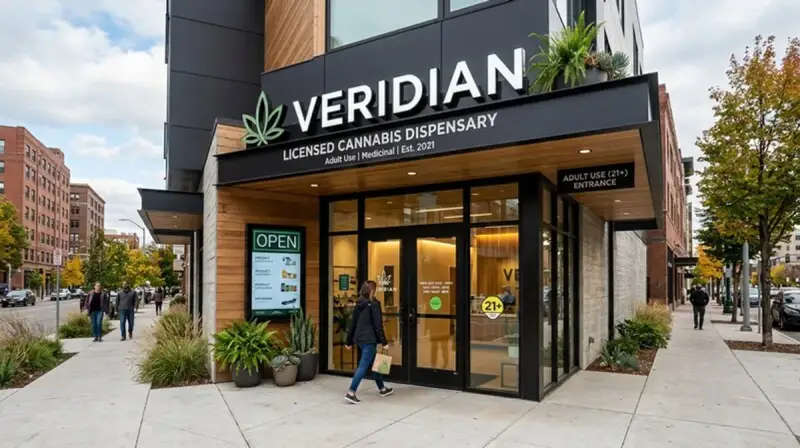
Saying Phoenix has a lot of dispensaries is an understatement. The Valley of the Sun’s sprawling geography, spread across hundreds of square miles of interconnected cities, has accommodated a dispensary build-out unmatched anywhere in the United States. From gleaming, resort-hotel-inspired flagship stores in Scottsdale to no-frills value-focused operations in the East Valley, Phoenix-area dispensaries span the entire spectrum of cannabis retail concepts.
Harvest Health & Recreation is one of the dominant operators in the Phoenix market, operating multiple dispensary locations across the metro. Harvest’s stores are known for large, well-organized retail floors, extensive menus, and a patient approach to customer service that reflects the company’s medical roots. Harvest has invested heavily in Arizona, and its Phoenix-area locations consistently rank among the highest-volume dispensaries in the state.
Copperstate Farms, based in Snowflake, Arizona, is the state’s largest cannabis cultivator and operates its own dispensary retail locations in Phoenix. The company’s vertically integrated model — growing, processing, and retailing its own products — gives Copperstate significant supply chain efficiency and pricing power. Their Phoenix dispensaries feature prominently their in-house flower, oil, and concentrate products with a strong emphasis on Arizona-grown craft quality.
Nirvana Center operates a network of dispensaries with a consistently high-quality, wellness-oriented brand identity. Nirvana’s Phoenix locations are known for knowledgeable staff, clean modern interiors, and a curated product selection that caters to experienced consumers seeking quality over volume. The brand has built strong loyalty among Phoenix’s cannabis-savvy consumer base.
Beyond the major chains, Phoenix supports a vibrant ecosystem of independent and boutique dispensaries that compete on neighborhood service, staff expertise, and specialty product niches. Many Phoenix dispensaries have invested in premium interior design, digital menu systems, and coffee-shop-adjacent lobby experiences that make the retail environment genuinely enjoyable. Cannabis tourism from neighboring states has accelerated the premium experience arms race among Phoenix operators.
The Phoenix dispensary market has seen significant price compression since recreational legalization. Early post-Prop 207 pricing was elevated as newly converted operators caught up with recreational demand, but sustained competition has driven prices down substantially. Budget-conscious consumers who shop daily specials and loyalty rewards programs can access quality cannabis at prices that rival even the most competitive markets in the country.
What to Bring to a Phoenix Dispensary
Valid Government-Issued Photo ID (21+)
Any valid, unexpired government-issued photo ID establishing your age at 21 or older is accepted. Arizona driver’s licenses, passports, military IDs, and out-of-state driver’s licenses all work. Arizona does not require state residency for recreational cannabis purchases.
Cash or Debit Card
Phoenix dispensaries are well-equipped with cashless payment options — many accept debit card PIN pad transactions, CanPay, and other cannabis-specific fintech solutions. Cash remains universally accepted. Bring cash as backup since payment system availability varies.
Arizona Medical Card (If Applicable)
Arizona ADHS medical cards allow patients to bypass the 16% excise tax on purchases and may offer access to higher-potency products or formulations. Bring your current card on every visit to ensure you receive medical pricing.
Printed or Digital Menu Preferences
Phoenix dispensaries run some of the best deals in the country — daily specials, ounce deals, concentrate bundles. Check the dispensary’s Leafly page, Weedmaps listing, or website before visiting to identify active promotions and confirm your desired products are in stock.
Phoenix Cannabis Scene Video Guide
▶
Phoenix Dispensary Guide — Arizona Prop 207, Best Dispensaries, and Sun Belt Cannabis Tourism
Watch on YouTube
An immersive guide to Phoenix’s exceptional cannabis dispensary market — from Prop 207 to the current landscape of 100+ competing dispensaries, price war dynamics, and what to expect as a cannabis tourist in the Valley of the Sun.
Products at Phoenix Dispensaries
Phoenix dispensaries carry some of the broadest and deepest product menus in the legal cannabis market. The competitive environment drives operators to constantly expand and refresh their product offerings.
Arizona-Grown Flower
Arizona’s cannabis cultivation scene has matured rapidly since the 2010 medical program. Indoor cultivation facilities across the state produce high-quality flower optimized for Arizona’s climate challenges. Copperstate Farms’ massive greenhouse operation is a landmark of Arizona cannabis agriculture. Phoenix dispensaries feature robust selections of locally grown flower with detailed lab testing documentation.
Concentrates — Phoenix’s Pride
Phoenix has a particularly strong concentrate consumer culture. Dispensaries compete vigorously on dab and extract quality, stocking live resin, live rosin, cured resin, diamonds and sauce, THCa crystalline, and ice water hash from Arizona-licensed processors. The desert climate and consumer affluence in parts of the metro support premium concentrate pricing at the top end of the market.
Edibles
Arizona permits edible packages up to 100mg THC (10mg per piece), and Phoenix dispensaries stock an expansive edibles section. Gummies dominate in volume, but chocolates, hard candies, beverages, mints, and infused cooking oils round out the category. Several Arizona-local edibles brands have developed strong regional followings.
Vape Products
Phoenix’s warm, dry climate makes vaporization a natural consumption method. Disposable pens and 510-thread cartridges are widely available in all price ranges. Quality ranges from distillate (mass-market, lower cost) to full-spectrum live resin (premium, more expensive). Ask about oil viscosity additives and hardware quality when selecting vape products.
Phoenix Cannabis Price Guide
Phoenix is among the most competitive and affordable recreational cannabis markets in the country. Prices have been driven down by intense competition among 100+ metro dispensaries.
| Product | Budget | Mid-Range | Premium |
|---|
| Flower (1/8 oz) | $15–$25 | $25–$40 | $40–$60 |
| Flower (1 oz) | $80–$130 | $130–$200 | $200–$280 |
| Pre-Roll (single) | $5–$10 | $10–$16 | $16–$28 |
| Vape Cartridge (1g) | $25–$40 | $40–$60 | $60–$80 |
| Edibles (100mg pkg) | $10–$18 | $18–$28 | $28–$40 |
| Concentrate (1g) | $20–$35 | $35–$55 | $55–$80 |
Before Arizona’s 16% recreational excise tax plus state and local sales taxes (combined approximately 22–26% total). Medical patients pay only the transaction privilege tax (about 8%). The excise tax makes Phoenix’s effective at-register prices higher than the sticker prices suggest, but still very competitive nationally.
Best Dispensary Neighborhoods in Phoenix
Scottsdale
Scottsdale’s affluent demographics and resort hospitality infrastructure make it the epicenter of Phoenix’s premium cannabis retail experience. High-end dispensaries in Scottsdale compete on interior design, product curation, and customer experience in a way that mirrors the broader luxury retail environment of the city. Cannabis tourists staying in Scottsdale resorts find dispensaries easily accessible via rideshare.
Central Phoenix (Uptown / Midtown)
Phoenix’s central corridor along Central Avenue and Camelback Road hosts a mix of mid-range and premium dispensaries serving the densely populated urban core. Easy access from major hotels, the light rail system, and downtown venues makes this area popular with both locals and visitors.
Mesa and Tempe
The East Valley cities of Mesa and Tempe have high dispensary concentrations serving Arizona State University’s student population, young professionals, and established residential neighborhoods. Value-oriented dispensaries with strong student discount programs are particularly prevalent in the Tempe area.
Chandler and Gilbert
The Southeast Valley’s rapidly growing suburban communities host a newer generation of well-capitalized dispensaries serving the technology worker and family demographics that define these areas. Large-format, modern stores with full menus and delivery services are the norm in Chandler and Gilbert.
Medical vs. Recreational Cannabis in Phoenix
Arizona’s medical cannabis program (since 2010) continues to serve a large registered patient population even after recreational legalization. The financial incentive is substantial: medical patients save 16% on every purchase by avoiding the recreational excise tax. For a consumer spending $300/month on cannabis, that’s nearly $50 in monthly tax savings, or about $576 annually — well worth the cost of medical card registration and annual renewal.
Qualifying conditions for Arizona’s medical cannabis program include cancer, glaucoma, HIV/AIDS, ALS, Crohn’s disease, Alzheimer’s disease, PTSD, agitation of dementia, chronic pain, severe and chronic nausea, and other debilitating medical conditions as determined by a physician. Arizona also allows naturopathic and homeopathic physicians to certify patients, broadening access compared to states that limit certification to MDs.
The practical experience of shopping at a Phoenix dispensary is nearly identical for medical and recreational customers. Most Phoenix dispensaries serve both customer types in the same retail space, with separate queuing or checkout processes in busy locations to ensure patients receive appropriate attention. Product availability is generally the same, though some dispensaries maintain exclusive medical-only products in higher potencies.
Cannabis Consumption Rules in Phoenix
Public consumption is prohibited under Arizona law. Private residences, with the consent of the property owner, are the legal consumption environment. Hotels universally prohibit cannabis smoking and vaping, though edible and tincture consumption in hotel rooms is more difficult for properties to detect or prohibit. Arizona does not currently permit licensed cannabis consumption lounges.
The outdoor culture of Phoenix — patios, parks, events — does not extend to cannabis consumption. Consuming at outdoor restaurants, bars, or entertainment venues is prohibited. Private cannabis consumption events in licensed venues operate under a challenging regulatory framework. The desert heat that defines Phoenix living often pushes consumption indoors anyway, making the home consumption norm less restrictive in practice than it might be in more outdoor-lifestyle-oriented cities.
Arizona’s per se DUI law is critically important for Phoenix consumers: unlike most states where driving impairment must be demonstrated, Arizona allows a DUI prosecution based solely on the presence of cannabis metabolites (including non-psychoactive metabolites like carboxy-THC that can be detected weeks after consumption) in blood. This standard is extremely broad and means that virtually any cannabis user is technically at risk of a per se DUI in Arizona if pulled over. Phoenix consumers should be acutely aware of this risk and err heavily on the side of caution with any driving after cannabis use.
Transporting Cannabis in Phoenix
Within Arizona, cannabis must be transported in a sealed, child-resistant container stored out of reach of the driver (in the trunk or locked glove box). The 1-ounce possession limit applies during transport. Arizona’s strict per se DUI law means any detectable THC metabolites in your blood while driving could support a DUI charge — a unique and serious risk for Phoenix drivers who consume cannabis.
Phoenix Sky Harbor International Airport (PHX) is a federal facility. Cannabis cannot be transported through the airport in any direction. TSA is federally employed and required to refer any cannabis discovery to local law enforcement (Phoenix PD or Arizona DPS), which then applies state law. Do not bring cannabis to the airport.
Interstate travel with cannabis from Arizona is a federal crime regardless of the destination state’s legal status. The I-10, I-17, I-40, and other major highways leading out of Phoenix are federal roadways where federal law applies. State police on border-crossing routes are also alert to cannabis transport from legal states.
Marcus Webb
Senior Cannabis Policy & Travel Writer
Marcus Webb has extensively covered the Phoenix cannabis market, including on-the-ground reporting on Prop 207’s rollout and the Valley of the Sun’s emergence as the United States’ most densely dispensarized market. His analysis of Sun Belt cannabis tourism has been widely cited in industry publications. Marcus is based in the Pacific Northwest.
Frequently Asked Questions — Phoenix Dispensaries
Is recreational cannabis legal in Phoenix?
Yes. Arizona Proposition 207, passed by voters in November 2020, legalized recreational cannabis for adults 21 and older. Recreational retail sales launched in late January 2021, making Arizona one of the fastest states to transition from vote to legal retail sales in history.
How many dispensaries are in the Phoenix area?
The Phoenix metro area has one of the highest concentrations of licensed cannabis dispensaries in the United States. The greater Phoenix/Scottsdale/Mesa/Tempe metro hosts well over 100 licensed dispensary locations spread across the Valley of the Sun.
What are the main dispensary chains in Phoenix?
Major dispensary operators in the Phoenix market include Harvest Health & Recreation, Copperstate Farms, Nirvana Center, JARS Cannabis, Nature’s AZ Medicines, and Sol Flower, among many others. National chains and local independents compete vigorously in the highly saturated Phoenix market.
How much cannabis can I purchase and possess in Phoenix?
Adults 21+ can purchase and possess up to 1 ounce (28 grams) of cannabis flower at a time. Up to 5 grams of concentrate can be possessed separately. Home cultivation of up to 6 plants is permitted only for adults who live more than 25 miles from the nearest licensed dispensary.