



Key Findings at a Glance
- ✓Medical since: 1996 (Prop 215)
- ✓Recreational since: 2016 (Prop 64)
- ✓Purchase limit: 28.5g flower, 8g concentrate
- ✓Tax burden: ~25% combined
- ✓Delivery: Same-day citywide
- ✓Hotspots: Castro, SOMA, Mission
California Cannabis Laws in San Francisco
San Francisco occupies a singular place in the global history of cannabis legalization. In 1996, California voters passed Proposition 215, making California the first US state to legalize medical cannabis. San Francisco was ground zero for this movement — the city’s LGBTQ+ community had been advocating for medical access since the AIDS crisis of the 1980s, and the first buyers’ clubs operated openly in the city years before any legal framework existed. This deep-rooted history shapes everything about San Francisco’s cannabis culture today.
Proposition 64 passed in November 2016, legalizing recreational cannabis for adults 21 and older statewide. Adult-use sales launched January 1, 2018. The California Department of Cannabis Control (DCC) now oversees statewide licensing, while the San Francisco Office of Cannabis handles local permitting. San Francisco has been an active advocate for social equity in cannabis licensing — a meaningful proportion of the city’s dispensary licenses have been granted to equity applicants with prior cannabis-related convictions or from communities disproportionately affected by cannabis enforcement.
Under California law, adults 21+ may possess up to 28.5 grams of cannabis flower (roughly 1 ounce), 8 grams of concentrated cannabis, and 6 mature plants at a personal residence. San Francisco follows these state limits exactly. Out-of-state visitors have the same purchase rights at recreational dispensaries — no California residency required. What remains absolutely prohibited is transporting cannabis beyond California’s borders, including to Nevada (despite its legal status) or on any commercial flight from SFO or OAK.
The San Francisco Dispensary Scene
San Francisco’s cannabis retail landscape is unlike any other US city’s. Because medical dispensaries operated here for decades before recreational legalization, the city entered the adult-use era with an unusually mature, professional dispensary infrastructure already in place. Many shops that began as medical collectives in the early 2000s converted to full adult-use operations — bringing with them deep community relationships, established supplier networks, and staff with genuine institutional cannabis knowledge.
The defining characteristic of San Francisco’s cannabis market today is the dominance of delivery. San Francisco is consistently ranked among the highest-per-capita delivery cannabis markets in the country. The city’s compact geography, robust rideshare infrastructure, and tech-savvy consumer base created ideal conditions for delivery-first cannabis retail. Weedmaps, the dominant cannabis discovery and ordering platform, maintains its operational presence in the Bay Area and reflects the outsized influence SF consumers have had on how cannabis delivery works nationally.
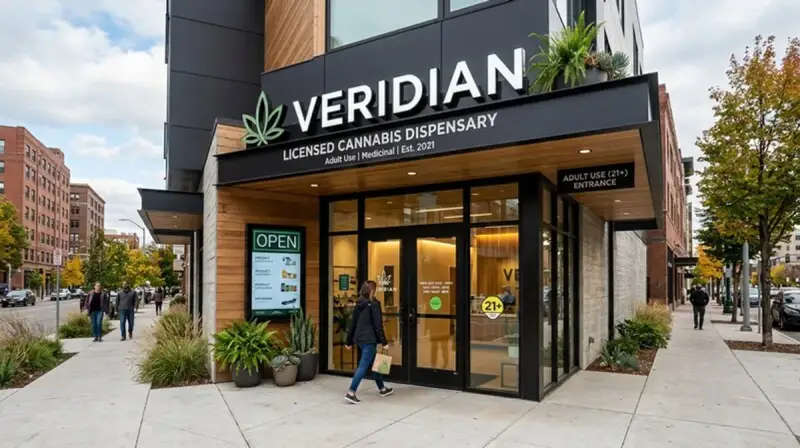
For those preferring in-person retail, the dispensary clusters in the Castro, SOMA (South of Market), and Mission districts offer compelling options. Castro dispensaries carry particular historical weight — the neighborhood has been central to both LGBTQ+ advocacy and cannabis policy reform since the 1970s. SOMA shops tend toward modern, design-forward retail with a tech-industry clientele, while Mission dispensaries often emphasize community orientation and local brand curation.
The competitive density of the San Francisco market has driven quality upward and prices downward compared to early legal-market days. With dozens of licensed retailers competing alongside delivery services, San Francisco consumers have genuine choice across price points, product categories, and shopping experiences. Dispensary tourism is a real phenomenon here — many visitors specifically include a SF cannabis shop on their itinerary, drawn by the city’s place in cannabis history.
What to Bring to a San Francisco Dispensary
A valid government-issued photo ID proving you are 21 or older is non-negotiable. San Francisco dispensaries are scrupulous about ID verification — expect to show it at the door and again at the sales counter. Acceptable IDs include a US driver’s license or state ID card, US passport or passport card, active military ID, tribal ID, and most foreign passports. The ID must be current and unexpired; even a recently expired ID will be rejected.
Cash is widely accepted and practically universal, but San Francisco dispensaries have been among the most aggressive in adopting alternative payment systems. Many shops now accept CanPay, Hypur, debit via cannabis-specific payment networks, and some have experimented with cryptocurrency payments. A growing number of higher-end dispensaries accept credit cards through workarounds — call ahead to confirm current payment options before arriving. ATMs are nearly always available on-site.
If you use cannabis for medical purposes, bring your California MMIC (Medical Marijuana Identification Card) or a physician’s recommendation. Medical patients in San Francisco pay the standard California sales tax (approximately 8.625%) but are exempt from the 15% cannabis excise tax, a significant saving. Medical cardholders also enjoy higher purchase limits and access to products not available in the recreational menu.
For delivery orders, you’ll need to be present at the delivery address with your ID when the delivery driver arrives. Most San Francisco delivery services require signature on delivery. Hotel deliveries are common but check whether your hotel has any restrictions before ordering cannabis to your room — most hotels prohibit consumption even if they accept the delivery.
Products at San Francisco Dispensaries
California’s mature, regulated cannabis market means San Francisco dispensaries offer among the widest product selections anywhere in the United States. Flower menus at well-stocked SF shops regularly feature 60–100 strains, spanning sun-grown Humboldt County and Emerald Triangle cultivars alongside indoor-grown Bay Area craft genetics. The distinction between light-dep, outdoor, greenhouse, and full-indoor cultivation is prominently disclosed at quality shops — San Francisco consumers have been demanding transparency in sourcing since the medical dispensary era.
Concentrates represent a major and sophisticated product category in San Francisco. Live resin, live rosin, HTFSE (high-terpene full-spectrum extract), diamonds and sauce, and a full range of solventless hash products are widely available. Several dispensaries maintain dedicated extract menus curated by in-house specialists. The market for premium rosin — solventless concentrate pressed from fresh-frozen or dry-sieved material — is particularly developed in SF, reflecting the city’s willingness to pay quality premiums.
Edibles in San Francisco span the full California-legal spectrum: gummies, chocolates, hard candies, beverages, tinctures, sublingual strips, and capsules. California mandates 10mg per serving and 100mg per package limits for adult-use edibles. The beverage category has grown substantially in San Francisco’s health-conscious market — cannabis-infused sparkling waters, teas, and tonics are strong sellers. Low-dose microdosing products (2.5mg or 5mg per serving) are popular among SF’s professional demographic seeking subtle enhancement without impairment.
Topicals, transdermal patches, and CBD-dominant products round out menus at wellness-oriented dispensaries. San Francisco’s high concentration of biotech, wellness, and medical industry workers drives demand for precisely dosed, effect-specific products in a way that distinguishes the market from more recreation-focused cities.
Price Guide for San Francisco Cannabis
| Product | Budget Tier | Mid Tier | Premium Tier |
|---|---|---|---|
| Flower (1/8 oz) | $22–$35 | $38–$55 | $60–$85 |
| Vape Cartridge (0.5g) | $25–$38 | $40–$55 | $58–$80 |
| Concentrate (1g) | $30–$50 | $55–$75 | $80–$120 |
| Edibles (100mg pack) | $15–$22 | $24–$32 | $35–$55 |
| Pre-rolls (1g) | $8–$14 | $15–$22 | $24–$40 |
All prices shown are post-tax estimates. San Francisco’s ~25% combined tax rate is among the highest in California. Delivery orders may include additional service fees. Medical patients pay significantly less due to excise tax exemption.
Best Neighborhoods for Dispensary Shopping
Castro District: The spiritual home of San Francisco cannabis culture, the Castro neighborhood hosts dispensaries with deep community roots and a knowledgeable, passionate staff base. Shopping here carries genuine historical weight — these streets are where activists fought for both LGBTQ+ rights and medical cannabis access in the same decades. Dispensaries in the Castro tend toward curated, quality-focused menus and a welcoming atmosphere for all consumer types.
SOMA (South of Market): San Francisco’s tech and design district has seen significant dispensary development catering to a professional, design-conscious clientele. SOMA shops lean toward sleek interiors, express pickup experiences, and tech-savvy ordering systems. The neighborhood’s concentration of hotels and event venues also creates substantial tourist and visitor traffic. Prices in SOMA can run slightly premium, but the retail experience is often elevated.
Mission District: The Mission’s dispensaries reflect the neighborhood’s community-first ethos. Expect shops that emphasize local sourcing, social equity licensing, and accessible pricing. The Mission’s vibrant street life and restaurant scene make it a natural destination for a full day of exploration that includes a dispensary visit. Several Mission dispensaries are certified social equity operators — purchasing here directly supports communities affected by the war on drugs.
Haight-Ashbury: The neighborhood synonymous with 1960s counterculture hosts several dispensaries that lean into the area’s cannabis history. While Haight-Ashbury isn’t the densest dispensary cluster in the city, the context — shopping for legal cannabis on the same streets where the counterculture that sparked legalization advocacy began — is genuinely special. Shops here tend toward laid-back, experiential retail rather than express pickup efficiency.
Medical vs. Recreational in San Francisco
San Francisco’s dual medical-recreational market is more seamlessly integrated than in most US cities, reflecting the city’s nearly three decades of medical cannabis infrastructure. Most licensed dispensaries hold both adult-use and medical licenses, and the shopping experience for recreational and medical customers is often nearly identical — the key differences manifest in pricing, purchase limits, and access to certain high-potency products.
California medical cannabis patients receive a meaningful tax advantage: the 15% cannabis excise tax does not apply to qualifying medical purchases, and in San Francisco, medical patients are also exempt from local sales tax on medical cannabis. The savings on a typical purchase can exceed 20% compared to the recreational tax rate. Obtaining a California MMIC requires a California residence, but out-of-state patients with valid medical recommendations from their home states may receive some accommodations at certain dispensaries — call ahead to ask.
Medical patients in California may purchase up to 8 ounces of flower per day (vs. 28.5 grams recreational) and higher quantities of concentrates. This reflects California’s long-standing medical framework that prioritized patient access. Some products — particularly ultra-high-potency concentrates and certain infused products above specific THC concentrations — may be restricted to the medical menu at dual-license shops.
Consumption Rules in San Francisco
California’s public consumption rules are strict: no smoking or vaping cannabis in any public place, including parks, sidewalks, beaches, and transit areas. San Francisco enforces these rules and the fines are real. The baseline legal consumption setting is private property with the owner’s permission — a standard that creates genuine challenges for visitors whose hotels prohibit smoking and vaping of any substance.
San Francisco has been a leader in addressing this gap through cannabis consumption lounges. State law (AB 374 and subsequent regulations) allows local jurisdictions to permit on-site cannabis consumption at licensed retailers. San Francisco has approved such lounges, making it one of a small number of California cities where adults can legally purchase and consume cannabis in the same licensed venue. These consumption lounges vary in format — some are traditional lounge-style spaces, others are more café-like — and represent the most legally straightforward consumption option for visitors.
Edible consumption carries fewer practical restrictions in public settings because it produces no smoke or vapor, though the legal requirement (private property with permission) technically applies regardless of consumption method. Cannabis beverages have grown in popularity in San Francisco partly because they enable more discreet consumption in social settings.
Cannabis is absolutely prohibited on all BART, Muni, and other public transit vehicles and in their stations. The city’s major outdoor concert and festival venues are governed by their individual policies, and most major venues prohibit cannabis even when the event itself has a permissive cultural reputation.
Getting to San Francisco Dispensaries
San Francisco’s exceptional public transit system makes reaching any dispensary in the city practical without a car. BART provides rapid transit from SFO airport to downtown SF stations, and BART stops in the Castro, Mission, and SOMA districts put multiple dispensaries within a short walk. Muni bus and light rail lines extend throughout the city’s neighborhoods, and the famous cable cars pass near several Haight-Ashbury and North Beach area shops.
Rideshare (Uber and Lyft) is ubiquitous in San Francisco and the preferred option for many visitors navigating the city’s hilly terrain. You can legally carry sealed, purchased cannabis as a rideshare passenger, but consumption in the vehicle is prohibited and will result in driver refusal. Delivery is the cleanest option for many visitors: order to your accommodation from any licensed delivery service, present your ID when it arrives, and never deal with transit logistics at all.
Parking in San Francisco is notoriously difficult and expensive. Most central dispensary clusters in Castro, SOMA, and the Mission have metered street parking that fills quickly, and parking garage rates are steep. Unless you are arriving from outside the city and are already driving, dispensary trips on foot or transit are strongly recommended.
Marcus Webb
Cannabis Travel & Dispensary Writer — ZenWeedGuide
Marcus has spent considerable time documenting San Francisco’s cannabis scene from its pre-legalization medical collective era through the modern delivery-first retail landscape. He has visited dispensaries across California’s legal market and written extensively on how SF’s unique history shapes its cannabis culture today.
Frequently Asked Questions
Disclaimer: This guide is for informational purposes only. Cannabis laws change frequently. Always verify current regulations with official California and San Francisco city sources before purchasing or consuming cannabis. ZenWeedGuide does not endorse any specific dispensary or cannabis product. Consume responsibly.