How to Dose Cannabis: Beginner to Expert Dosing Guide
Master the start low, go slow principle — with precise mg guidance, onset timelines, edible safety, and advanced titration protocols for every consumption method.
Cannabis Dosing at a Glance
Universal first rule: Start low (2.5mg THC), go slow — wait before redosing.
Edible onset: 30 minutes to 2 hours — the most common source of accidental overconsumption.
Inhalation onset: 2–10 minutes — effects peak at 15–30 minutes.
Tincture onset: 15–45 minutes sublingual; 1–2 hours if swallowed.
Individual variation: Genetics, tolerance, and metabolism matter more than body weight.
Biphasic response: Low doses often produce opposite effects to high doses — documented in research.
Tolerance reset: 48–72 hour break significantly reduces tolerance in most users.
Why Cannabis Dosing Is Uniquely Complex
Cannabis dosing is not like dosing an aspirin or an antibiotic. There is no single correct dose that works predictably across all people, and the dose-response relationship for cannabis is not linear — it is biphasic, meaning that at low doses cannabis tends to have one set of effects, while at higher doses those effects can reverse or transform dramatically. A dose of THC that produces calm relaxation in one person may produce anxiety and paranoia in another; a dose that one individual finds mildly pleasant might leave another incapacitated.
This complexity is compounded by the enormous variation in cannabinoid concentrations across products, the different pharmacokinetic profiles of different consumption methods, and the profound individual variability in how people process cannabinoids. The endocannabinoid system — the receptor network that THC and CBD interact with — varies in density and sensitivity from person to person based on genetics, prior exposure, age, sex, and health status.
Understanding dosing properly is not just about having a better experience. It is a genuine safety issue. The number of emergency room visits attributed to cannabis overconsumption has risen significantly as product potencies have increased and edibles have become widely available. With the right knowledge, the vast majority of these incidents are entirely avoidable.
The Foundation: Start Low, Go Slow
The single most important principle in cannabis dosing applies to beginners and experienced users alike, though it is most critical for those new to cannabis: start with the lowest effective dose and wait an adequate amount of time before adding more. This principle is so fundamental that it has been adopted as official guidance by cannabis regulatory bodies in Colorado, California, Canada, and virtually every other jurisdiction with a legal cannabis framework.
For THC, the standard starting dose recommendation is 2.5mg. This amount is sometimes referred to as a “museum dose” — enough to produce subtle, pleasant effects without significant intoxication. For someone with zero tolerance and no prior cannabis experience, even this small amount may produce noticeable effects. For experienced users with developed tolerance, 2.5mg may feel like nothing at all. But the starting point of 2.5mg is not about the ideal dose; it is about establishing your personal baseline response.
The “go slow” part of the principle is where many people make critical errors. The temptation to take more when you do not feel effects within 20 or 30 minutes is understandable but dangerous, particularly with edibles. The wait time before concluding that a dose has not worked should be at minimum 1 hour for inhalation, 90 minutes for sublingual tinctures, and a full 2 hours for edibles. Thousands of unpleasant cannabis experiences happen each week because someone assumed their edible “wasn’t working” after 45 minutes and doubled their dose — only for both doses to hit simultaneously an hour later.
Dosing by Consumption Method: Complete Guide
Inhalation: Smoking and Vaporizing
Inhaled cannabis — whether smoked or vaporized — has the fastest onset of all consumption methods and the easiest dose titration. When THC is inhaled, it crosses from the lungs into the bloodstream within seconds and reaches the brain in 2–10 minutes. Peak plasma THC concentration typically occurs within 10–30 minutes of inhalation, and the primary effects last approximately 2–4 hours, with some residual effects for an additional 1–2 hours.
Because the onset is so rapid, users can easily modulate their experience in real time. Take one or two inhalations, wait 10–15 minutes to assess effects, and then decide whether to take more. This ability to titrate incrementally is why inhalation is often recommended for medical patients who need precise symptom control.
Quantifying an exact THC dose from inhalation is difficult because it depends on the concentration of THC in the product, the volume of each inhalation, depth of inhalation, and individual pulmonary absorption efficiency. As a rough framework: a single inhalation from a 20% THC flower joint delivers approximately 2–5mg of THC to the bloodstream, though this varies widely. Pre-dosed vaporizer cartridges from licensed dispensaries often provide the most consistent per-puff dosing.
Edibles: The Method That Demands the Most Patience
Edible cannabis products — including gummies, chocolates, baked goods, and capsules — are processed through a completely different route than inhaled cannabis. After ingestion, THC is absorbed through the gastrointestinal tract and passes through the liver before reaching systemic circulation. In the liver, Delta-9 THC is partially converted to 11-hydroxy-THC, a metabolite that is itself psychoactive and crosses the blood-brain barrier more readily than Delta-9 THC. This metabolic conversion is partly responsible for why edible cannabis is perceived as more intense and longer-lasting than inhaled cannabis.
Onset time for edibles ranges from 30 minutes to 2 hours, depending on factors including: the specific formulation (nanoemulsion products are absorbed faster), whether the person has recently eaten, individual gastric motility, and the fat content of the meal (since cannabinoids are fat-soluble and absorb better in the presence of dietary fat). The effects of edibles typically last 4–8 hours, significantly longer than inhalation.
Standard dosing tiers for edibles are well established in legal cannabis markets: 2.5mg for micro or first-timer doses; 5mg for a standard beginner dose; 10mg for a moderate recreational experience (the standard “one serving” in most regulated markets); 20–30mg for experienced users seeking strong effects; and 50mg+ typically reserved for high-tolerance users or specific medical applications under guidance.
Sublingual Tinctures: Precision Dosing
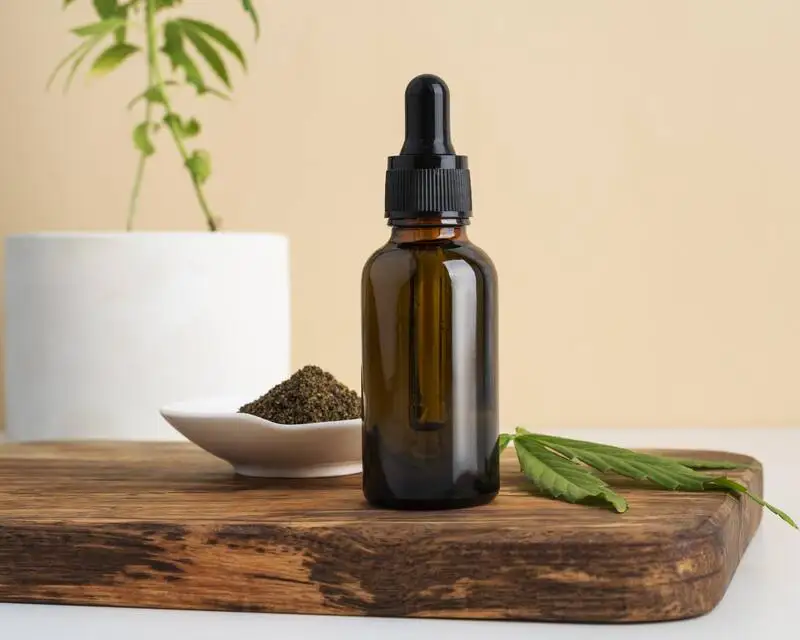
Tinctures — cannabis extracts dissolved in alcohol, MCT oil, or glycerin — offer the most dose-precise consumption method available without inhalation. Products are measured in milligrams of THC and/or CBD per milliliter, and a dropper with measurement markings allows exact dose calculation. A standard starting dose via tincture is 1–2.5mg of THC.
When administered sublingually (held under the tongue for 60–90 seconds before swallowing), tinctures are partially absorbed directly through the mucous membranes into the bloodstream, bypassing first-pass liver metabolism. This route produces onset within 15–45 minutes and effects lasting 2–4 hours — between inhalation and swallowed edibles in both onset and duration. If the tincture is simply swallowed without sublingual hold, it acts more like an edible with correspondingly slower onset.
Complete Dosing Comparison Table
Method
Onset
Peak
Duration
Starter Dose
Moderate Dose
Smoking (flower)
2–10 min
15–30 min
2–4 h
1–2 puffs
3–5 puffs
Vaporizer
2–10 min
10–20 min
1.5–3 h
1 puff (~2mg)
3–5mg
Edible (gummy)
30 min–2 h
2–4 h
4–8 h
2.5–5mg
10–15mg
Tincture (sublingual)
15–45 min
1–2 h
2–4 h
1–2.5mg
5–10mg
Capsule
45 min–2 h
2–4 h
4–8 h
2.5–5mg
10mg
Topical
15–30 min
30–60 min
2–4 h
Apply as directed
No systemic effect
Individual Variation Factors: Why One Size Does Not Fit All
Two people of identical body weight, age, and sex can have dramatically different responses to the exact same dose of cannabis. This is not exaggeration — the variation in human sensitivity to cannabis is genuinely extreme compared to most pharmaceuticals. Several factors are known to contribute to this individual variability.
Genetics of the endocannabinoid system: The density and distribution of CB1 and CB2 receptors varies across individuals based on genetic factors. Polymorphisms in the CNR1 gene, which encodes the CB1 receptor, have been linked to differences in THC sensitivity, anxiety response, and addiction potential. The FAAH gene, which encodes the enzyme that breaks down the endogenous cannabinoid anandamide, is another area of relevant genetic variation.
Liver enzyme activity: THC is metabolized primarily by the liver enzymes CYP2C9 and CYP3A4. Individuals who are slow metabolizers of these enzymes — a genetic trait — will experience more intense and longer-lasting effects from the same dose. Certain medications also inhibit these enzymes, increasing THC potency and duration.
Prior cannabis exposure and tolerance: Regular cannabis use leads to receptor downregulation — the brain responds to persistent CB1 activation by reducing the number and sensitivity of receptors. This pharmacological tolerance means a person who uses cannabis daily will require significantly higher doses to achieve the same effects as an occasional user. A tolerance break of 48–72 hours can provide meaningful reduction; a full break of 2–4 weeks can largely reset tolerance to baseline.
Body composition: THC and its metabolites are fat-soluble and accumulate in adipose (fat) tissue. Body fat percentage, not just total body weight, is relevant. In individuals with higher body fat percentages, THC may have a longer apparent elimination half-life as it slowly releases from fat stores over time.
Fed vs fasted state: Taking edibles on an empty stomach generally produces faster onset and sometimes more intense effects. Taking edibles with a high-fat meal can significantly increase absorption — studies have shown up to a 3-fold increase in maximum blood THC concentration when edibles are consumed with a fatty meal compared to fasting.
The Biphasic Dose-Response: Low vs High Dose Effects
One of the most clinically important and least-understood aspects of cannabis pharmacology is its biphasic dose-response curve. At low doses, THC frequently produces effects that are opposite to those seen at high doses. This has been documented most clearly for anxiety: low doses of THC tend to reduce anxiety, while high doses reliably increase it. The same biphasic pattern has been observed for sedation (low dose alerting, high dose sedating) and analgesic effects in some studies.
This biphasic response is why the concept of microdosing — intentionally using doses well below the threshold for noticeable intoxication — has gained traction among medical users. If the therapeutic target is anxiety reduction, pain relief, or enhanced focus, these goals may be achievable at doses (1–5mg) that do not produce significant impairment, and increasing the dose further may not only fail to provide additional benefit but actively reverse the desired effect.
Practically, this means that if a user takes cannabis and finds it worsening their anxiety or causing unwanted sedation, the instinctive response of “I need a stronger strain or higher dose” is exactly wrong. In many cases, a significantly lower dose of the same product will produce the desired therapeutic effect without the adverse outcome.
Microdosing: When Less Is More
Microdosing refers to taking cannabis in amounts too small to produce noticeable intoxication — typically 1–5mg of THC, often combined with CBD. The goal is to access therapeutic benefits (pain relief, anxiety reduction, mood enhancement, creativity) without cognitive impairment that interferes with daily function.
For microdosing to work effectively, dose precision is essential. Inhalation microdosing is challenging because of the variability in per-puff dose; one or two small pulls from a vaporizer set to a lower temperature is the most reliable inhalation method. Tinctures with marked droppers allow the most precise control and are the preferred method for many medical microdosers. Pre-dosed edibles (2.5mg gummies from licensed dispensaries) are also well-suited for microdosing.
Microdosing protocols typically involve starting with 1mg if available, or 2.5mg if 1mg doses are not accessible, and assessing effects over 2–3 days before making any adjustments. Many practitioners recommend a tolerance break before beginning a microdosing regimen to reset baseline sensitivity.
Edible Pitfalls: A Closer Look at the Most Dangerous Method
Edibles are responsible for a disproportionate number of cannabis overconsumption incidents, particularly among new users and those in jurisdictions where legal edibles are newly available. Several specific factors make edibles the highest-risk consumption method for dose management.
First, the delayed onset creates a false sense that the dose has not worked. A person takes a 10mg edible, waits 45 minutes, feels nothing, and takes another 10mg. Both doses hit together 30 minutes later for a total of 20mg — two to four times what most beginners should experience in one session. This pattern accounts for the majority of emergency room visits related to cannabis.
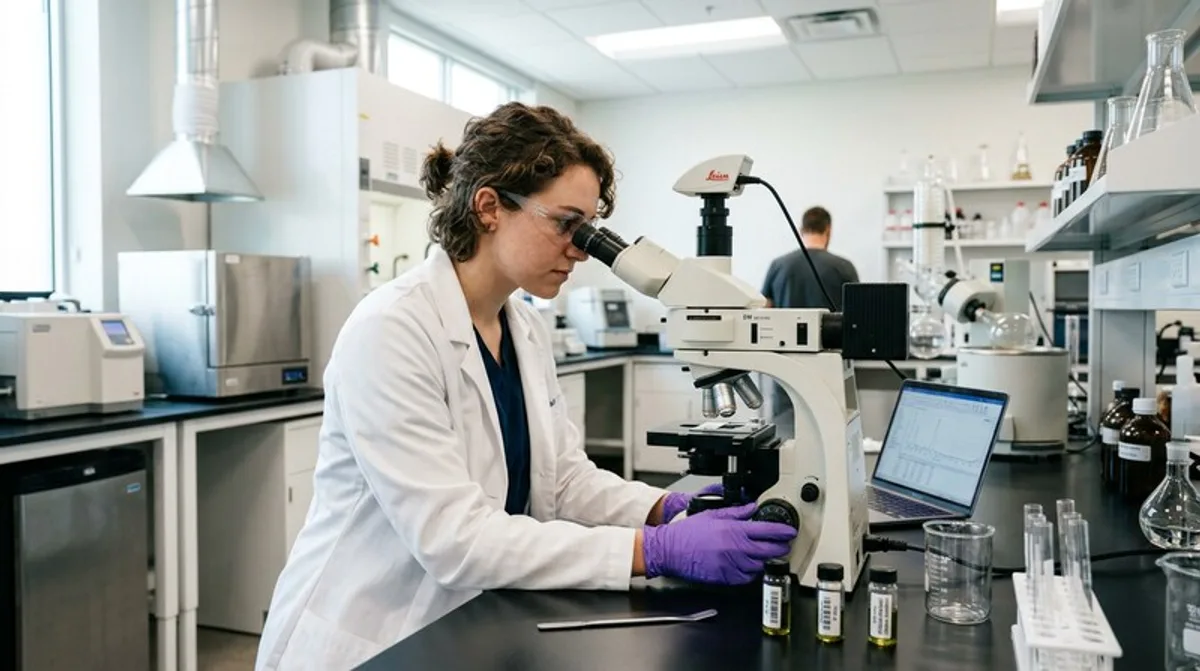
Second, the potency of homemade edibles is essentially impossible to know without lab testing. Commercial cannabis kitchens test their products to ensure consistent dosing per serving. Homemade cannabis butter or oil has wildly variable potency depending on the THC content of the starting material, the infusion time and temperature, and the portion size. A single brownie from a home batch might contain anywhere from 5mg to 100mg of THC.
Third, edibles often look and taste identical to non-cannabis food products, creating risks in shared households and for children. Proper labeling and child-resistant storage are not optional safety measures.
Senior Cannabis Editor at ZenWeedGuide. Specialist in cannabis pharmacology, the endocannabinoid system, and evidence-based effect guides.
Last reviewed: May 2026
Frequently Asked Questions
What is a good starting dose for cannabis edibles?
For cannabis edibles, the universally recommended starting dose is 2.5 to 5mg of THC. This is often called a “museum dose” — enough to feel mild effects without overwhelming intoxication. Wait a full 2 hours before considering any additional dose, as edible onset can be delayed. Many experienced users stick with 5–10mg for a pleasant recreational experience.
How long does it take for different cannabis methods to kick in?
Onset times vary significantly by consumption method. Inhalation (smoking or vaporizing): 2–10 minutes. Sublingual tinctures (held under tongue): 15–45 minutes. Edibles (swallowed): 30 minutes to 2 hours depending on digestive speed and food intake. Topicals do not produce systemic effects. Understanding onset times is critical for safe dosing and avoiding accidental overconsumption.
Does body weight affect cannabis dosage?
Body weight has a modest but not dominant effect on cannabis dosage. More significant individual variation factors include metabolic rate, genetics of endocannabinoid receptor density, prior cannabis experience and tolerance, liver enzyme activity (especially CYP2C9 and CYP3A4 which metabolize cannabinoids), whether food was recently consumed, and overall health status. Two people of identical weight can have dramatically different sensitivity to the same dose.
What happens if you take too much cannabis and how do you recover?
Overconsumption of cannabis produces an experience commonly called “greening out” — intense anxiety, racing heart, nausea, dizziness, and paranoia. While not physically dangerous, it is deeply unpleasant. The fastest recovery approach: change your environment to somewhere calm and comfortable, drink water, eat something sweet or starchy, lie down, and remember that the experience will end. CBD can help reduce THC-induced anxiety. Black pepper terpenes (sniffing or chewing peppercorns) are a traditional remedy that some users find helpful.