





- The botanical terms “Cannabis indica” and “Cannabis sativa” were first used in the 18th century to describe plants of different geographic origin and morphology — not different effects
- A 2019 Leafly/Steep Hill genetic study of 297 commercially sold strains found that “indica” and “sativa” labels did not reliably predict consumer-reported effects and did not correspond to distinct genetic clusters
- Nearly all commercial cannabis strains are genetically hybrid due to decades of crossbreeding; the indica/sativa/hybrid trichotomy is marketing terminology, not genetics
- The “entourage effect” hypothesis and terpene-based chemotyping provide a more scientifically supported framework for predicting cannabis effects than botanical category
- myrcene-dominant terpene profiles are the strongest predictor of sedative “body-heavy” effects; limonene dominant profiles correlate with mood elevation and energy
- Ethan Russo’s 2011 paper in the British Journal of Pharmacology is the landmark critique of the indica/sativa classification system and introduced the concept of terpene-modulated effects
The Origins: What Indica and Sativa Actually Mean Botanically
The terms “Cannabis sativa,” “Cannabis indica,” and later “Cannabis ruderalis” have legitimate origins in botanical taxonomy, but those origins are quite different from how the terms are used in dispensaries today.
Cannabis sativa was first formally described by Carl Linnaeus in 1753, referring to the tall, narrow-leafed hemp plants cultivated in Europe for fiber and seed. The word “sativa” in Latin means “cultivated.” These plants originated in temperate European and Central Asian climates, grew tall with long internode spacing, and were cultivated primarily for industrial fiber rather than psychoactive resin.
Cannabis indica was described by Jean-Baptiste Lamarck in 1785, referring to plants he collected in India. The indica plants Lamarck observed were shorter, broader-leafed, more resinous, and morphologically distinct from the European hemp Linnaeus had classified as sativa. The “indica” designation described the geographic origin (India) and the morphological differences, not a pharmacological effect profile.
The transition from botanical taxonomy to the popular “indica = sedating body high, sativa = energizing cerebral high” framework happened in the underground cannabis market of the 1970s and 1980s — particularly in North America, where smugglers and growers used the terms to describe landrace strains from different geographic regions. Afghan hash plants (broadly called “indica”) did tend toward high-myrcene, sedating profiles. Some equatorial sativas (like Thai sticks and Colombian Gold) did tend toward more energetic profiles. But the correlation was never reliable and has become increasingly meaningless as hybridization erased the genetic distinction between the original populations.
The Genetics Problem: Modern Strains Are All Hybrids
The single most important fact about the indica/sativa classification system is that virtually every commercially sold cannabis strain today is a genetic hybrid — the result of decades of crossbreeding between plants of diverse geographic origins. The genetic distinctness that gave the original indica/sativa labels their limited botanical meaning has been thoroughly hybridized out of existence.
Consider the strains on a typical dispensary menu. “OG Kush,” often sold as a hybrid or indica, has murky genetics but likely descends from Chemdog (Northern California), Hindu Kush (Afghanistan/Pakistan), and possibly Lemon Thai. “Sour Diesel,” sold as a sativa, is believed to be a cross of Super Skunk (itself a hybrid) and Chemdawg 91 or similar genetics. “Girl Scout Cookies,” sold as a hybrid, crosses OG Kush and Durban Poison. The family trees of these strains are hybrid all the way down.
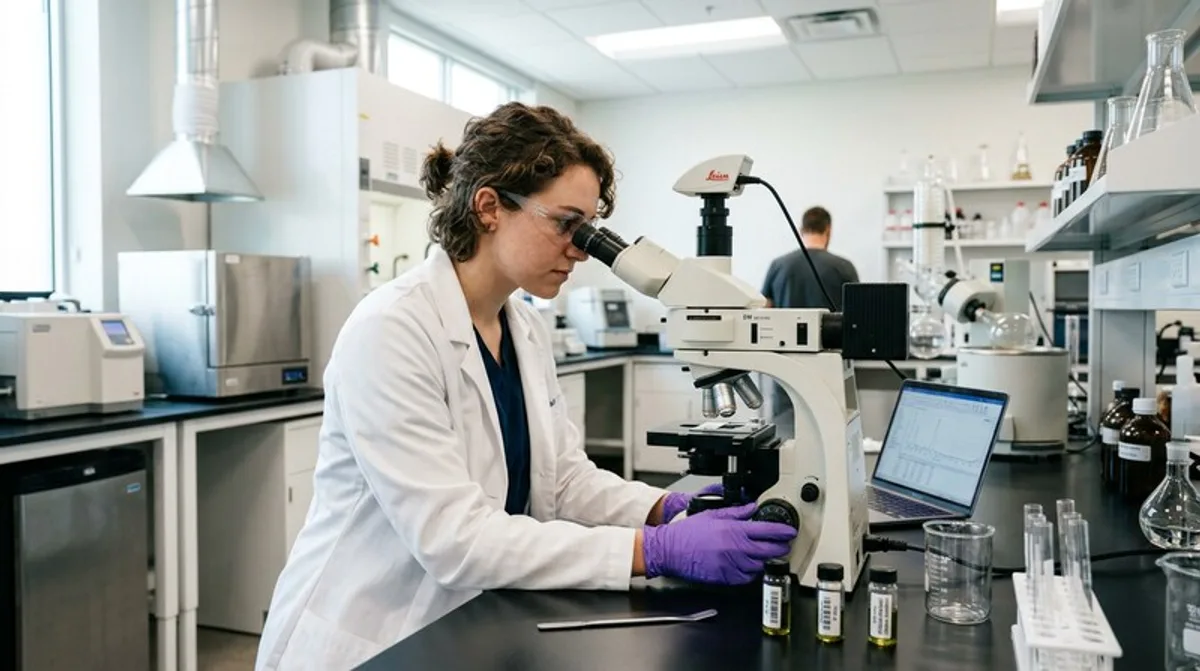
A landmark study published by Sawler et al. (2015) in PLOS ONE sequenced the genomes of 81 cannabis samples and found that while broad genetic clusters did exist corresponding loosely to “hemp” and “drug” populations, within the drug population, samples labeled “indica” and “sativa” were not consistently genetically distinct from each other. A larger Leafly analysis of 297 strains similarly found that consumer-reported effect profiles (energizing vs. sedating) did not align with whether strains were labeled indica, sativa, or hybrid in dispensary menus.
The Effect Myth: Why Labels Don’t Predict Experience
The most enduring cannabis myth is that indica strains reliably sedate and sativa strains reliably energize. The evidence against this claim is substantial and comes from multiple directions.
Self-report data: Cannabis user surveys consistently show that consumers have different experiences with the same strain and the same experience with differently-labeled strains. The same “sativa” strain relaxes one user and mildly energizes another; the same “indica” makes one person sleepy and leaves another unaffected in terms of sedation. The individual response variability is enormous and reflects personal endocannabinoid system baseline, tolerance, setting, and specific terpene/cannabinoid profile of the individual batch — not the botanical label.
Ethan Russo’s critique (2011): Neurologist and cannabis pharmacologist Ethan Russo published a foundational critique of the indica/sativa framework in the British Journal of Pharmacology in 2011. Russo argued that the dichotomy “has little pharmacological meaning and represents a poor taxonomy for predicting drug effect.” He proposed instead that the key modulators of cannabis effects are the cannabinoid and terpene profiles — introducing the “entourage effect” concept that minor cannabinoids and terpenes modulate the primary THC and CBD effects. This paper has been cited in virtually every subsequent academic discussion of cannabis classification.
The role of set and setting: Cannabis research consistently confirms that the set (consumer mindset, expectations, context) and setting (physical and social environment) profoundly influence the subjective experience, often more so than the specific strain consumed. A consumer who believes they are consuming a “relaxing indica” may experience relaxation partly from that expectation. This placebo contribution makes it virtually impossible to isolate strain-label effects in naturalistic consumer data.
The Three Botanical Types: Physical Characteristics Compared
| Characteristic | Cannabis sativa (original botanical) | Cannabis indica (original botanical) | Cannabis ruderalis |
|---|---|---|---|
| Geographic origin | Temperate Europe, Central Asia, equatorial regions | Indian subcontinent, Hindu Kush mountain range, Afghanistan, Pakistan | Central Russia, Siberia |
| Plant height | Tall; 2–6+ meters in outdoor environments | Short, bushy; 0.6–1.5 meters | Very short; 0.3–0.6 meters |
| Leaf morphology | Long, narrow leaflets with elongated serrations | Broad, wide leaflets; classic “cannabis leaf” shape | Small, few leaflets |
| Flowering period | Long photoperiod-dependent; 12–16 weeks | Shorter photoperiod; 8–10 weeks | Autoflowering; 8–10 weeks regardless of light cycle |
| Resin production | Variable; equatorial varieties high in resin | Generally high resin production (hash-crop origins) | Low resin; bred for autoflowering trait only |
| Original cultivation purpose | Fiber (hemp) and seed; some resinous drug landraces | Resin/hashish production; some fiber | Not historically cultivated for drug use |
Chemotype: The Better Classification Framework
If indica/sativa/hybrid is not a reliable guide to effects, what is? The scientific community and an increasing number of cannabis professionals have adopted chemotype as a more accurate classification framework. A chemotype classifies cannabis based on its chemical composition — specifically the ratio and concentration of cannabinoids and terpenes present in the flower.
The three primary chemotypes:
- Chemotype I (THC-dominant): High THC, low CBD (<0.5%). Represents the vast majority of recreational and most medical cannabis. Psychoactive; effects range widely based on terpene profile.
- Chemotype II (Balanced): Roughly balanced THC:CBD ratio (anywhere from 1:1 to 1:3 THC:CBD). Increasingly available in medical dispensaries. Reduced psychoactivity; CBD modulates THC-induced anxiety and intensity.
- Chemotype III (CBD-dominant): Low THC (<0.3%), high CBD. Hemp-derived CBD products. Minimal psychoactivity; used primarily for CBD-specific therapeutic applications.
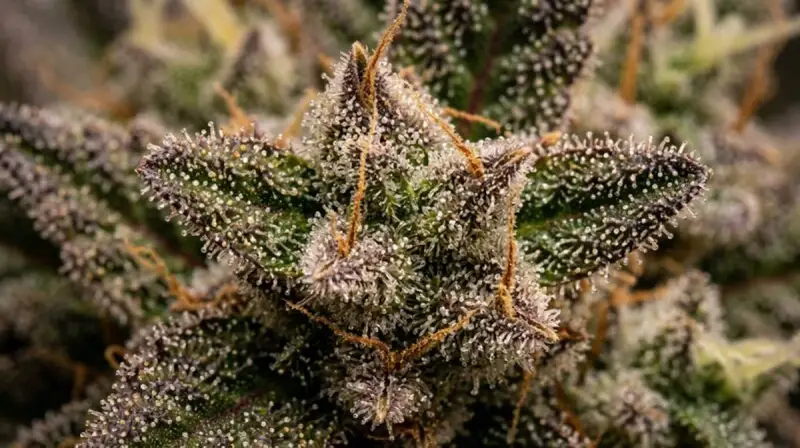
Within Chemotype I (the relevant category for most recreational users), the terpene profile is the primary differentiator for expected effects. Terpenes are aromatic compounds that interact synergistically with cannabinoids through the “entourage effect” to modulate the experience. They provide the most predictive, actionable information for consumers selecting between strains on a dispensary menu. See our complete terpene guides for detailed profiles of each.
Terpene Profiles as Effect Predictors: A Practical Guide
| Terpene | Common Strains | Associated Effects | Indica/Sativa Correlation |
|---|---|---|---|
| Myrcene | OG Kush, Blue Dream, Granddaddy Purple, White Widow | Sedation, muscle relaxation, body-heavy effect, sleep-promoting | Strongly associated with what’s labeled “indica” — but myrcene dominance predicts the sedation, not the indica label itself |
| Limonene | Super Lemon Haze, Trainwreck, Jack Herer, Wedding Cake | Mood elevation, reduced anxiety, energizing, citrus aroma | Often associated with “sativa” but appears in all categories |
| linalool | Lavender, LA Confidential, Amnesia Haze | Calming, anxiety-reducing, anti-convulsant potential | Common in both indica-labeled and some hybrid strains |
| Beta-caryophyllene | GSC (Girl Scout Cookies), Bubba Kush, Gelato, Chemdawg | Anti-inflammatory, CB2 activation, anti-anxiety, peppery aroma | Cross-category; present in “indica” and “hybrid” labeled strains most commonly |
| Alpha-pinene | Jack Herer, Blue Dream, Dutch Treat, Strawberry Cough | Alertness, focus, potential memory-protective vs THC, piney aroma | Often in “sativa”-labeled strains; potentially counteracts some THC cognitive effects |
| Terpinolene | Jack Herer, Golden Pineapple, Ghost Train Haze, Dutch Treat | Uplifting, creative, floral-herbaceous aroma | Associated with “sativa” labels but not consistently |
| Ocimene | Strawberry Cough, Chocolope, Golden Goat | Uplifting, antifungal, sweet floral aroma | Often “sativa” adjacent but inconsistent |
How to Actually Choose a Strain: The Practical Framework
Given that indica/sativa labels are unreliable, here is a practical evidence-based framework for choosing cannabis at a dispensary or from any source where information is available:
- Start with your goal: Are you seeking relaxation/sleep, social ease, creative focus, pain relief, or anxiety reduction? Different terpene profiles serve different goals.
- Look at the terpene profile: Ask your budtender for the dominant terpenes or look at the product’s Certificate of Analysis (COA). Myrcene-dominant = body-heavy/sedating. Limonene-dominant = mood-lifting/energizing. Linalool = calming. Caryophyllene = anti-anxiety/inflammation.
- Check the THC:CBD ratio: High THC (25%+) with no CBD is more likely to induce anxiety in sensitive individuals. A 5–15% THC strain or one with some CBD content is more forgiving for anxiety-prone users.
- Consider total cannabinoid content, not just THC percentage: A 20% THC strain with significant CBG, CBN, and a rich terpene profile may produce a more complex and balanced experience than a 30% THC strain with minimal minor cannabinoids and poor terpene preservation.
- Track your experience: Keep a brief note of the strains and batches that produce your desired effects, including the terpene profile where available. Personal history is the most reliable predictor of your individual response.
Why Dispensaries Still Use the Old Labels
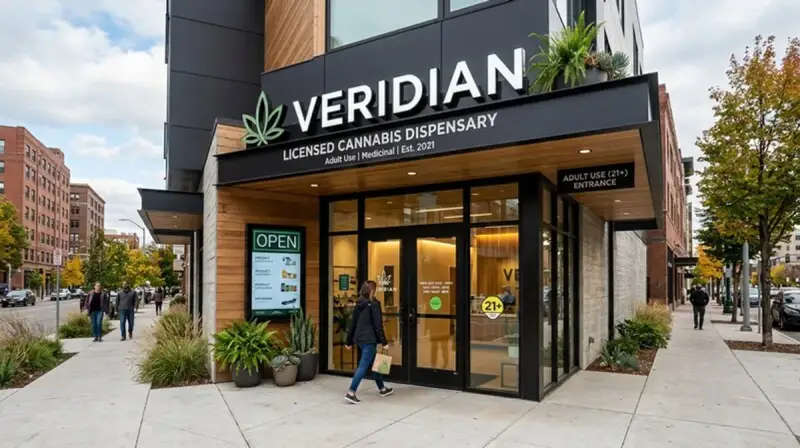
Given the scientific critique of indica/sativa labels, why does every dispensary menu still use them? The answer is consumer inertia, marketing familiarity, and the practical difficulty of transitioning to a more complex classification system.
Customers have been trained by decades of cannabis culture to speak in indica/sativa terms. Walking into a dispensary and asking for a “myrcene-dominant Chemotype I cultivar with moderate limonene co-expression” is accurate but impractical. “Something indica-leaning for sleep” communicates a preference in language that budtenders and customers both recognize. The labels persist as a consumer-facing shorthand even though most knowledgeable industry professionals acknowledge their limitations.
Progressive dispensaries and licensed producers are beginning to add terpene data, COA links, and effect-based descriptors alongside or instead of the botanical labels. Apps like Leafly and Weedmaps have added terpene filter functionality. The transition to chemotype-based consumer communication is underway but will take years to complete given the installed base of consumer vocabulary and expectation.
Frequently Asked Questions
Is the indica vs sativa distinction real?
Botanically, the distinction has historical validity describing plant morphology and geographic origin. However, in the modern commercial market, the indica/sativa/hybrid labeling system does NOT reliably predict the effects a consumer will experience. Genetic sequencing studies show commercially sold strains don’t cluster by reported effects, and terpene/cannabinoid profiles are the primary determinants of effect, not botanical origin.
What is a cannabis chemotype?
A chemotype classifies cannabis based on its chemical profile — cannabinoid and terpene ratios. Chemotype I = high THC, low CBD (most recreational cannabis). Chemotype II = balanced THC:CBD. Chemotype III = high CBD, low THC (hemp). Within each chemotype, the terpene profile is the most predictive variable for specific effects like sedation, energy, anxiety reduction, or focus.
Why do dispensaries still use indica/sativa/hybrid labels?
Dispensaries continue using these labels because it is the vocabulary customers recognize. The terminology has become consumer-facing shorthand rather than scientific classification. Most knowledgeable cannabis professionals acknowledge the labels are approximate at best, but the industry transition to terpene-based descriptions requires consumer education and is ongoing.
What should I look for when choosing a cannabis strain?
Look at the terpene profile: Myrcene-dominant = sedative/body-heavy. Limonene-dominant = mood elevation/energizing. Linalool = calming/anxiety-reducing. Beta-caryophyllene = anti-inflammatory/anti-anxiety. Combine with THC:CBD ratio (balanced ratios reduce anxiety risk). Ask for the Certificate of Analysis (COA) from your dispensary for verified terpene data.