
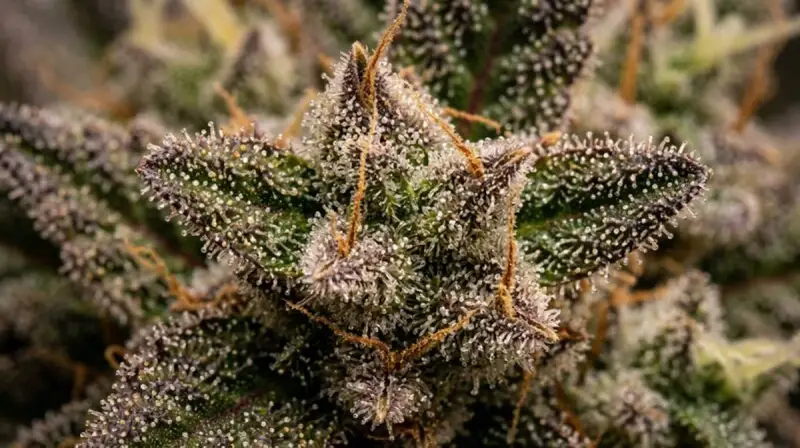

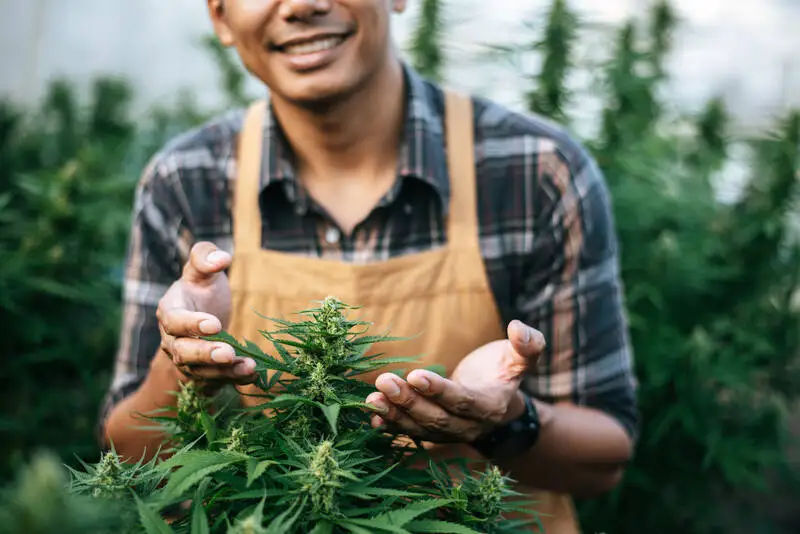




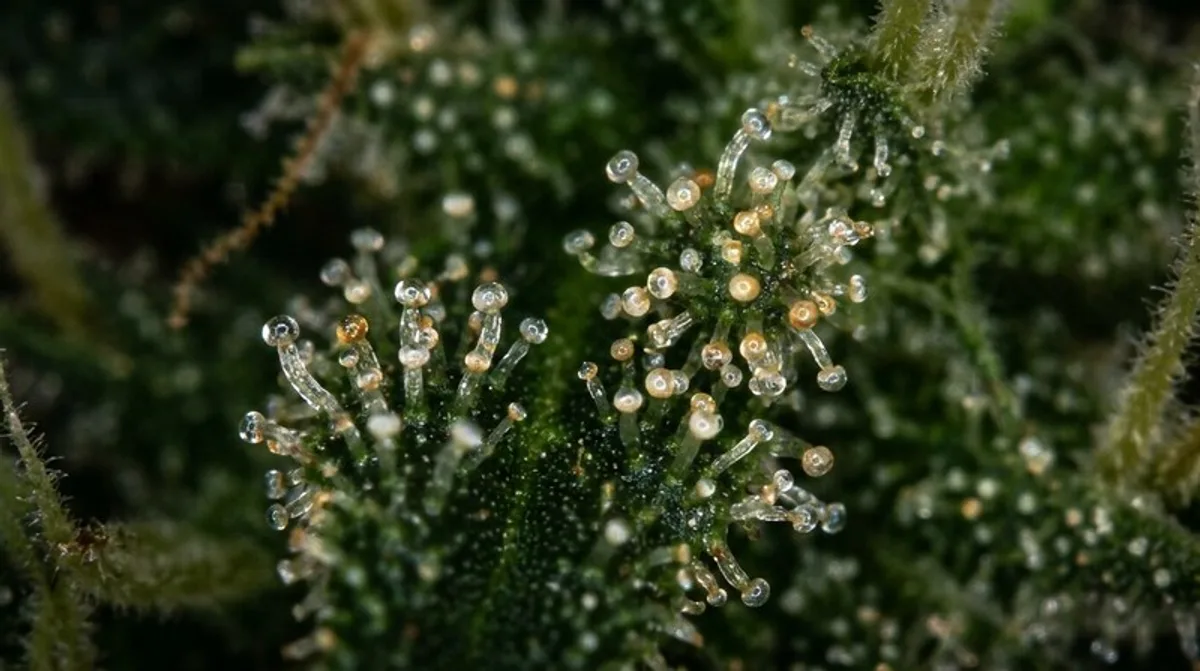
- Definition: Terpenes are aromatic organic compounds produced in the resin glands (trichomes) of cannabis and hundreds of other plants.
- Abundance: Over 200 distinct terpenes have been identified in cannabis, though usually 5–10 dominate any given strain.
- Function: Terpenes shape aroma, flavor, and — via the entourage effect — modulate the psychoactive and therapeutic effects of cannabinoids.
- Most common: Myrcene is the most prevalent terpene in most commercial cannabis strains, typically exceeding 50% of total terpene content.
- Not psychoactive alone: Terpenes do not produce intoxication on their own; their effects emerge in combination with cannabinoids.
- Practical use: Reading a strain’s terpene profile is often more predictive of the experience than THC percentage alone.
What Are Terpenes?
Terpenes are a large and diverse class of naturally occurring aromatic compounds found throughout the plant kingdom. They are produced in the resin glands — called trichomes — of cannabis plants, alongside cannabinoids like THC and CBD. You already interact with terpenes every day: the scent of a lemon peel is limonene, the fragrance of lavender is largely linalool, and the characteristic smell of pine forests comes from alpha-pinene. When you open a jar of cannabis and inhale its aroma, you are smelling its terpene profile.
Cannabis is exceptional in the plant world for the sheer number and variety of terpenes it produces. More than 200 distinct terpenes have been identified in cannabis, though a typical strain will contain a handful in dominant concentrations. These compounds are synthesized in the same trichome glands that produce THC and CBD, sharing biosynthetic pathways with cannabinoids. This is why growing conditions, light spectrum, temperature, and curing technique all dramatically affect final terpene content.
Heat degrades terpenes rapidly. Cannabis that has been improperly stored — exposed to light or heat — loses its aroma and complexity. Low-temperature vaporization preserves terpene content better than combustion, and proper curing and cold storage are important quality indicators in both medical and recreational cannabis.
How Terpenes Affect the Cannabis Experience
For decades, the cannabis industry sorted products by the crude indica/sativa/hybrid classification. That system was built on morphological and geographic origin, not pharmacology, and cannabis researchers now widely consider it inadequate for predicting effects. The terpene profile of a strain is a far better predictor of its character.
The mechanism behind this is known as the entourage effect — a concept examined by Dr. Ethan Russo and colleagues in pharmacological research. The core idea is that cannabinoids and terpenes do not function in isolation: they interact synergistically in ways that amplify, blunt, or redirect the effects of individual compounds. Myrcene appears to enhance blood-brain barrier permeability for THC, potentially increasing sedative effects. Limonene has anxiolytic properties that may counteract THC-induced anxiety. Alpha-pinene may partially counteract short-term memory impairment associated with THC.
This is also why whole-plant cannabis — including full-spectrum extracts — tends to produce qualitatively different experiences than isolated THC distillate at the same potency. High-quality dispensaries now provide full terpene lab reports alongside cannabinoid content, and consumers who learn to read these profiles gain a meaningful tool for predicting their experience.
The 7 Most Important Cannabis Terpenes
While every strain has a unique terpene fingerprint, seven terpenes dominate commercial cannabis genetics and account for the vast majority of the aromatic and pharmacological diversity you encounter in dispensaries.
| Terpene | Aroma | Effects | Found In |
|---|---|---|---|
| Myrcene | Earthy, musk, herbal | Potentiates THC, body relaxation, sedating | OG Kush, Granddaddy Purple |
| Caryophyllene | Spicy, pepper, wood | Binds CB2 receptors, anti-inflammatory | GG4, Wedding Cake |
| Limonene | Citrus, lemon, fresh | Mood elevation, anxiolytic | Lemon Haze, Jack Herer |
| Pinene | Pine, forest, fresh | Improves memory, bronchodilator, may counteract THC | Jack Herer, Blue Dream |
| Terpinolene | Fruity, floral, herbal | Uplifting, fresh, energizing | Jack Herer, Pineapple Express |
| Linalool | Lavender, floral, sweet | Calming, anxiolytic, sedating | Granddaddy Purple, Lavender |
| Humulene | Earthy, wood, hoppy | Appetite suppressant, anti-inflammatory | OG Kush, White Widow |
Terpenes vs Cannabinoids: What Is the Difference?
Both terpenes and cannabinoids are produced in the same trichomes, but they are chemically distinct classes of compounds with different mechanisms of action.
| Property | Terpenes | Cannabinoids |
|---|---|---|
| Chemical class | Aromatic hydrocarbons | Terpenophenolics |
| Psychoactive alone? | No | THC: yes — CBD: no |
| Receptor binding | Indirect / modulating | Direct (CB1, CB2, others) |
| Drug test relevance | None | THC metabolites trigger positive result |
| Found in other plants? | Yes — across many species | Primarily cannabis (some minor exceptions) |
| Degrades with heat? | Yes — rapidly above 150°C | THCA decarboxylates to THC at ~105°C |
How to Use Terpene Profiles to Choose a Strain
Reading terpene data is a practical skill that experienced cannabis consumers use to make more consistent, predictable purchases. Here is how to approach it.
Start with the dominant terpene. The single most abundant terpene in a strain typically sets the baseline character of the experience. A strain dominated by myrcene will almost always trend sedating and body-heavy. One dominated by limonene will typically feel lighter and more mood-elevating.
Look at the secondary profile. The two or three terpenes following the dominant compound further shape the experience. High myrcene combined with high linalool is a potent relaxation combination. High limonene combined with high pinene typically produces alertness alongside mood lift. High caryophyllene in the secondary position often softens the anxiety potential of high-THC strains.
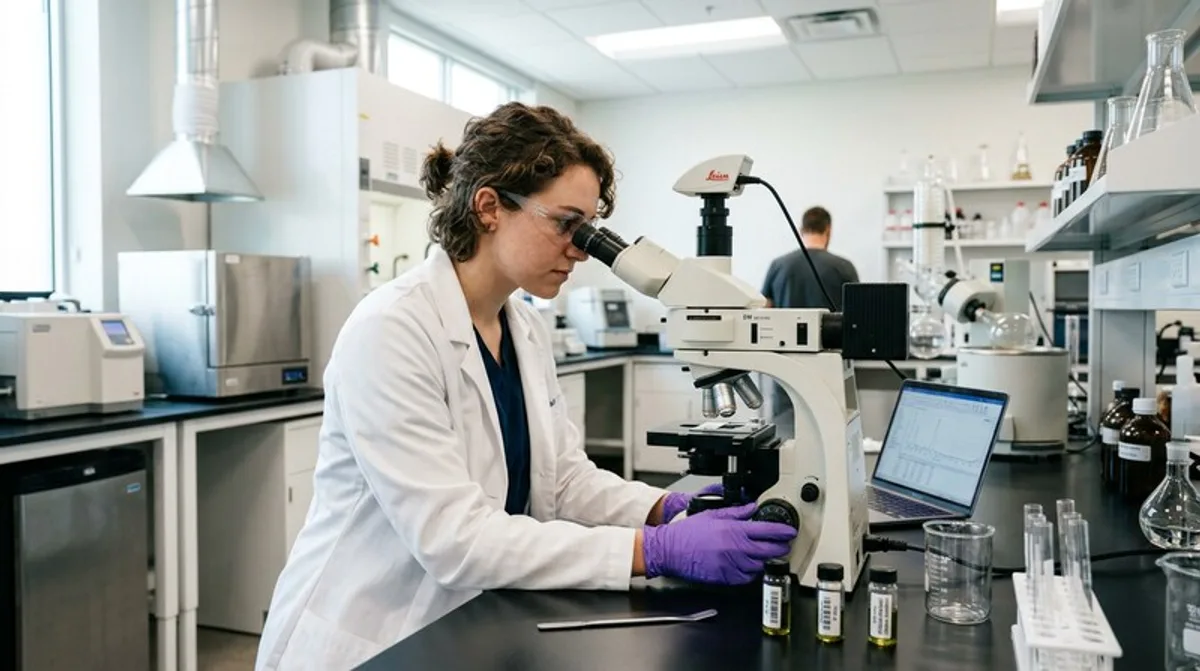
Ask for lab reports. Reputable dispensaries and licensed producers provide certificates of analysis (COAs) that include full terpene breakdowns. Look for strains where total terpene content exceeds 1%. Premium craft cannabis often shows 2–4% total terpenes. Cross-reference with the strain database and explore each compound in our full terpene database.
Preserving Terpenes: Storage and Consumption
Because terpenes are volatile aromatic compounds, they degrade faster than cannabinoids. Heat, UV light, and oxygen are the three primary enemies of terpene preservation.
Storage: Keep cannabis in airtight, UV-protective glass containers away from heat sources. Temperatures above 25°C accelerate terpene evaporation. Humidity packs (58–62% RH) help maintain the moisture balance that preserves terpene-rich resin. Refrigeration suits extended storage; freezing is appropriate for long-term preservation of high-value flower or extracts.
Low-temperature vaping: Desktop and portable vaporizers with temperature control allow targeting specific terpene boiling points. Most terpenes vaporize between 155°C and 185°C — below the combustion point of cannabis (approximately 230°C). Setting a vaporizer to 165–180°C preserves terpene-rich vapor while still activating THC. Higher temperatures increase cannabinoid extraction but degrade terpene complexity.
Proper curing: In cultivation, the curing process — slow drying in controlled humidity — allows enzymatic processes that enhance terpene complexity. Properly cured cannabis typically has superior aroma to hastily dried product even at the same potency. When buying flower, aroma intensity is a reliable quality indicator: cannabis with little or no smell has likely lost most of its terpene content.
Terpenes and Indica vs Sativa: The Real Story
The indica/sativa distinction has been the dominant consumer framework in cannabis retail for decades. The problem is that it has almost no pharmacological basis. Indica and sativa refer to the morphology and geographic origin of cannabis varieties — broad-leaf vs narrow-leaf, short vs tall, fast-flowering vs long-season. These traits do not reliably predict psychoactive effect.
Cannabis genetics researchers have found that the chemical distinction between so-called indicas and sativas — in terms of cannabinoid and terpene content — is far smaller than the retail categorization implies. Many strains sold as “sativa” are dominated by myrcene, a terpene associated with sedation. Many “indicas” contain limonene-forward profiles associated with mood lift. The names have become marketing categories, not pharmacological descriptors.
The more useful framework is to ask: what is the dominant terpene? What is the secondary terpene? What is the THC:CBD ratio? A strain with 22% THC, dominant myrcene, and secondary linalool will consistently trend sedating regardless of whether the label says indica or sativa. A strain with 20% THC, dominant limonene, and secondary terpinolene will consistently trend uplifting regardless of its classification. Terpene profiles transfer reliably across genetics. Indica/sativa labels do not.
Reading a Terpene Lab Report
When a dispensary provides a certificate of analysis (COA) with a full terpene panel, the data is typically reported as a percentage of the total weight of the sample. A terpene showing 0.5% is present at 5 mg per gram of flower. This is a meaningful concentration. Strains where the entire terpene panel totals less than 0.5% are considered terpene-poor and will offer limited aromatic complexity or entourage effect.
Focus on the top three terpenes by percentage. Note whether the dominant terpene accounts for more than half the total terpene content (this is common with myrcene-dominant strains). A more balanced distribution across several terpenes — sometimes called a “complex” or “full” profile — is often associated with greater experiential nuance. Ask your dispensary for COA data. If they cannot provide it, treat potency and effect claims with skepticism.