What Is CBD? Cannabidiol: Uses, Effects & Research
The complete science of cannabidiol — from discovery and mechanism to FDA approval, clinical evidence for anxiety, pain and epilepsy, full-spectrum vs isolate and dosing.
KEY FACTS
Non-psychoactive: CBD does not bind CB1 as an agonist and does not cause intoxication
FDA-approved: Epidiolex (pure CBD oral solution) approved for Dravet syndrome and Lennox-Gastaut syndrome epilepsy
Full-spectrum vs isolate: Full-spectrum believed more effective through entourage effect
Drug tests: Pure CBD isolate unlikely to cause positive test; full-spectrum products carry THC risk
What Is CBD? Discovery and Overview
Cannabidiol, universally abbreviated CBD, is the second most studied phytocannabinoid in the Cannabis sativa plant and the most commercially prominent non-psychoactive cannabinoid. Its molecular formula is C21H30O2 — the same as delta-9-THC — but with a fundamentally different three-dimensional structure that results in radically different pharmacological behaviour. CBD does not produce intoxication, is not scheduled under most international drug control frameworks (in its pure form), and has been the subject of explosive growth in both research publication and consumer product development.
CBD was first isolated from cannabis in 1940 by Roger Adams at the University of Illinois. Its chemical structure was fully characterised by Raphael Mechoulam and Yuval Shvo in 1963 — a year before Mechoulam’s isolation of delta-9-THC. Despite being discovered first, CBD received far less scientific attention than THC for decades, largely because its non-psychoactive nature made it less interesting to researchers focused on cannabis intoxication mechanisms. This research gap is now being rapidly closed: PubMed indexed under 100 CBD research papers annually before 2010; over 3,000 were published annually by the early 2020s.
In the living cannabis plant, CBD exists primarily as CBDA (cannabidiolic acid), the carboxylated precursor. Like THCA to THC, CBDA undergoes decarboxylation upon heating to yield active CBD. Hemp varieties are selectively bred to express CBDA synthase dominantly, while drug-type cannabis cultivars express THCA synthase dominantly. This genetic differentiation is the basis for the agricultural and legal distinction between hemp (CBD-dominant, low THC) and cannabis (THC-dominant) across most regulatory jurisdictions.
How CBD Works: Mechanisms of Action
CBD’s pharmacology is substantially more complex than THC’s relatively targeted CB1/CB2 activity. Rather than acting primarily through one receptor system, CBD interacts with a diverse array of molecular targets across multiple neurotransmitter and receptor systems, which may partly explain the breadth of its reported therapeutic applications.
CB1 receptor modulation: CBD does not bind CB1 receptors as a conventional agonist. Instead, it acts as a negative allosteric modulator (NAM) — it binds to an allosteric site distinct from the orthosteric (THC/anandamide) binding site and changes the receptor’s conformation to reduce the maximum response achievable by agonists at the orthosteric site. This means CBD does not activate CB1 signalling on its own but dampens the activity of THC and anandamide at the same receptor. This is the biochemical basis for CBD’s widely reported ability to reduce THC-induced anxiety and paranoia when combined in a whole-plant product.
5-HT1A serotonin receptor partial agonism: CBD is a partial agonist at 5-hydroxytryptamine 1A (5-HT1A) serotonin receptors, the same receptor subtype targeted by buspirone (anti-anxiety medication) and partially by SSRIs. Activation of 5-HT1A receptors in the dorsal raphe nucleus and hippocampus produces anxiolytic effects and modulates pain perception. This mechanism is widely proposed as the primary basis for CBD’s anti-anxiety effects in clinical studies and explains why CBD’s anxiolytic profile differs from THC’s dose-dependent biphasic anxiety effects.
TRPV1 agonism: CBD activates transient receptor potential vanilloid 1 (TRPV1) channels at higher concentrations. TRPV1 channels are heat and capsaicin receptors involved in pain perception and thermoregulation. TRPV1 activation followed by receptor desensitisation at sustained high concentrations may contribute to CBD’s analgesic properties, particularly in neuropathic and inflammatory pain models.
GPR55 antagonism: CBD antagonises GPR55, an orphan G-protein-coupled receptor that some researchers classify as a third cannabinoid receptor. GPR55 signalling is implicated in cancer cell proliferation and bone density regulation. CBD’s GPR55 antagonism is the proposed basis for preclinical evidence of anti-tumour properties and potential osteoporosis-relevant bone-protective effects.
Anandamide reuptake inhibition: CBD inhibits the cellular reuptake of anandamide, the endogenous "bliss molecule" cannabinoid. By blocking anandamide transport back into cells, CBD prolongs anandamide’s presence in synaptic spaces and extends its receptor activity — effectively amplifying endocannabinoid signalling without directly binding CB1 receptors as an agonist. This mechanism connects CBD pharmacology to the ECS tonic tone and may underlie CBD’s broader mood and anxiety effects.
CBD vs THC: Key Differences
Understanding the relationship between CBD and THC is essential for consumers navigating the cannabis market. They share a molecular formula, both originate from CBGA in the cannabis plant, and both interact with the endocannabinoid system — but their receptor pharmacology, subjective effects and legal status differ fundamentally.
Property
CBD
THC (Delta-9)
Psychoactive?
No
Yes
CB1 action
Negative allosteric modulator
Partial agonist
Anxiety effect
Anxiolytic at all doses
Anxiolytic at low dose; anxiogenic at high dose
FDA approval
Epidiolex (epilepsy)
Dronabinol/Nabilone (nausea, appetite)
Drug test result
Negative (isolate); risk with full-spectrum
Positive (via THC-COOH metabolite)
Tolerance
Minimal at typical doses
Significant with regular use
Withdrawal
Not clinically recognised
Mild-moderate: irritability, sleep disruption
FDA Approval and the Epidiolex Story
The most significant regulatory milestone in CBD’s history is the June 2018 FDA approval of Epidiolex — a pharmaceutical-grade oral CBD solution manufactured by GW Pharmaceuticals (now Jazz Pharmaceuticals) — for two rare, treatment-resistant childhood epilepsy syndromes: Dravet syndrome and Lennox-Gastaut syndrome. This was the first FDA-approved drug derived from cannabis plant material and marked a watershed moment for cannabis pharmacotherapy.
The clinical trials supporting Epidiolex’s approval were rigorous double-blind, placebo-controlled studies. The GWPCARE1 trial (Devinsky et al., NEJM 2017) enrolled 120 children and young adults with Dravet syndrome and showed that CBD at 20 mg/kg/day reduced convulsive seizure frequency by a median of 38.9% compared to 13.3% in the placebo group — a statistically significant and clinically meaningful difference in a condition notoriously resistant to conventional antiepileptic drugs. A companion trial in Lennox-Gastaut syndrome showed similar efficacy against drop seizures. The mechanism of CBD’s anticonvulsant action in these syndromes is not fully characterised but likely involves sodium channel inhibition and modulation of adenosine signalling in addition to its serotonin and TRPV1 pathways.
Epidiolex approval was subsequently expanded to tuberous sclerosis complex (TSC), another rare epilepsy syndrome. The approval validated decades of parental advocacy by families using artisanal CBD preparations — most famously Charlotte’s Web, a high-CBD strain developed in Colorado that gained international attention for its effects on Charlotte Figi, a Dravet syndrome patient.
Clinical Research: Anxiety, Pain, Inflammation and Sleep
Anxiety: CBD’s anxiolytic properties have the second-strongest evidence base after its anticonvulsant effects. A systematic review published in Neurotherapeutics (Blessing et al., 2015) found preclinical evidence consistently supporting CBD’s anti-anxiety effects across multiple animal models (generalised anxiety, social anxiety, PTSD and OCD paradigms). In humans, a landmark crossover study found that CBD (300 mg oral) significantly reduced anxiety during a simulated public speaking test compared to placebo, with an effect size comparable to an anxiolytic reference drug. A 2019 prospective observational study in The Permanente Journal found that 79% of participants reported anxiety improvement within one month of CBD use at doses of 25–75 mg/day.
Pain: Chronic pain is the most common reason adults report using CBD. Preclinical evidence is robust: CBD reduces inflammatory and neuropathic pain in rodent models through TRPV1, CB2 and 5-HT1A mechanisms. Human clinical trial data is more limited but accumulating. A 2020 study in Pain Medicine found CBD significantly reduced chronic pain and sleep disruption in patients with chronic musculoskeletal conditions. Topical CBD has shown local anti-inflammatory effects in skin conditions and arthritis models. The combination of CBD and THC in Nabiximols (Sativex) has the strongest clinical evidence for pain, specifically in multiple sclerosis and cancer pain contexts.
Inflammation: CBD is a potent anti-inflammatory through multiple pathways: CB2 receptor activity modulates macrophage cytokine production; GPR55 antagonism reduces inflammatory NF-kB signalling; TRPV1 activation followed by receptor desensitisation reduces nociceptive inflammatory signalling. These mechanisms have been demonstrated in vitro and in rodent inflammation models consistently. Clinical trials specifically in human inflammatory conditions remain an active area of ongoing research.
Sleep: CBD’s effects on sleep are complex and dose-dependent. At lower doses (15–25 mg), CBD may increase alertness by activating adenosine receptors differently from its effects at higher doses. At higher doses (75–150 mg), CBD increases total sleep time and reduces REM sleep latency in some studies. This dose-dependency is important for consumers using CBD for sleep: very low doses may be counterproductive. A 2019 case series found CBD improved sleep scores in 67% of patients within one month, though with some fluctuation over subsequent months.
Full-Spectrum, Broad-Spectrum and CBD Isolate
The format of CBD product consumed significantly affects both its efficacy and its drug test risk profile. Three main product categories exist on the market:
Full-spectrum CBD is extracted from the whole cannabis or hemp plant and retains all naturally occurring cannabinoids, terpenes, flavonoids and other phytochemicals. This includes trace levels of THC — up to 0.3% by legal hemp standards in most jurisdictions, though some products test higher. Full-spectrum products are believed to produce superior therapeutic effects compared to isolate through the entourage effect — the synergistic interaction of multiple cannabis constituents. However, consumers subject to drug testing face a real risk of THC accumulation to detectable levels with regular high-dose consumption of full-spectrum products.
Broad-spectrum CBD undergoes additional processing to remove THC while retaining other cannabinoids, terpenes and flavonoids. This provides a compromise between the entourage effect benefits of full-spectrum and the drug-test safety of isolate. However, "broad-spectrum" labelling is not standardised, and the thoroughness of THC removal varies by manufacturer and extraction method.
CBD isolate is purified to near-100% CBD through crystallisation. It contains no other cannabinoids, terpenes or plant compounds and does not trigger positive drug tests at standard thresholds when properly sourced. Isolate lacks the entourage effect benefit; some studies suggest it may have a narrower therapeutic window than full-spectrum or broad-spectrum preparations. The "bell curve" dose-response hypothesis — where CBD isolate loses efficacy at both very low and very high doses — was proposed based on a rodent study, though it has not been consistently replicated in human trials.
CBD Dosing: What the Evidence Suggests
CBD dosing is one of the most challenging aspects of clinical cannabis medicine because effective doses in clinical trials span an enormous range — from 1 mg/kg/day in some anxiety models to 20+ mg/kg/day in the Epidiolex epilepsy trials. This wide range reflects both the multiple mechanisms through which CBD acts and the significant individual variability in CBD pharmacokinetics.
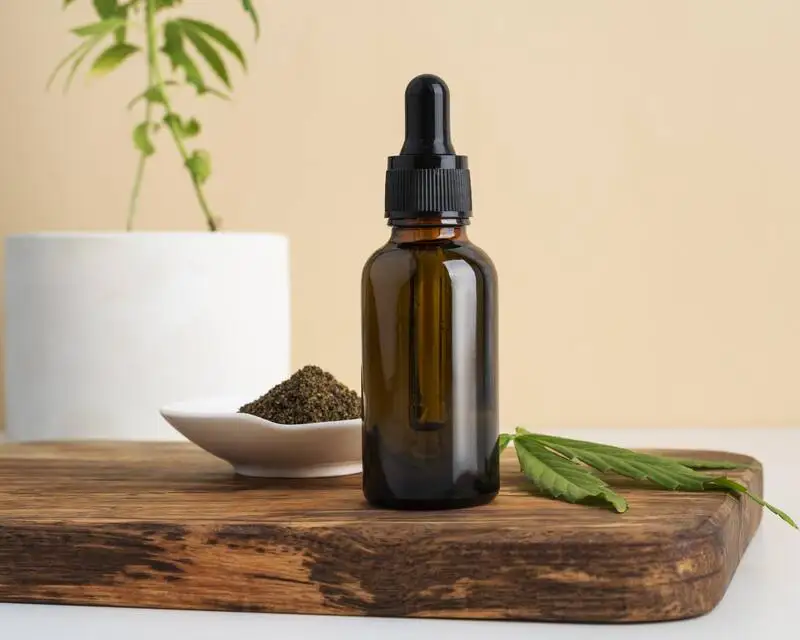
CBD bioavailability varies substantially by route: oral CBD has low and highly variable bioavailability (6–19%) due to first-pass hepatic metabolism and poor aqueous solubility. Consuming CBD with a high-fat meal significantly increases oral bioavailability — the FDA-approved Epidiolex shows a 4–5× increase in AUC when taken with a high-fat meal versus fasted state. Sublingual tinctures provide faster onset and somewhat higher bioavailability than oral capsules by partially bypassing first-pass metabolism. Inhaled CBD has the highest bioavailability (30–45%) but the shortest duration. Topical CBD provides local tissue concentrations but minimal systemic absorption.
Indication
Clinical Trial Dose Range
Common Consumer Starting Dose
Epilepsy (Dravet/LGS)
10–20 mg/kg/day
Physician-supervised only
Anxiety
25–300 mg/day
15–25 mg/day sublingual
Chronic pain
15–150 mg/day
25–50 mg/day oral
Sleep
25–175 mg/day
50–75 mg/day oral, 1 hour before bed
Inflammation (topical)
N/A (localised)
5–10 mg CBD per application area
CBD Extraction Methods
The method used to extract CBD from hemp or cannabis plant material affects the final product’s cannabinoid profile, terpene retention, solvent residues and overall quality. Three primary extraction methods dominate commercial production:
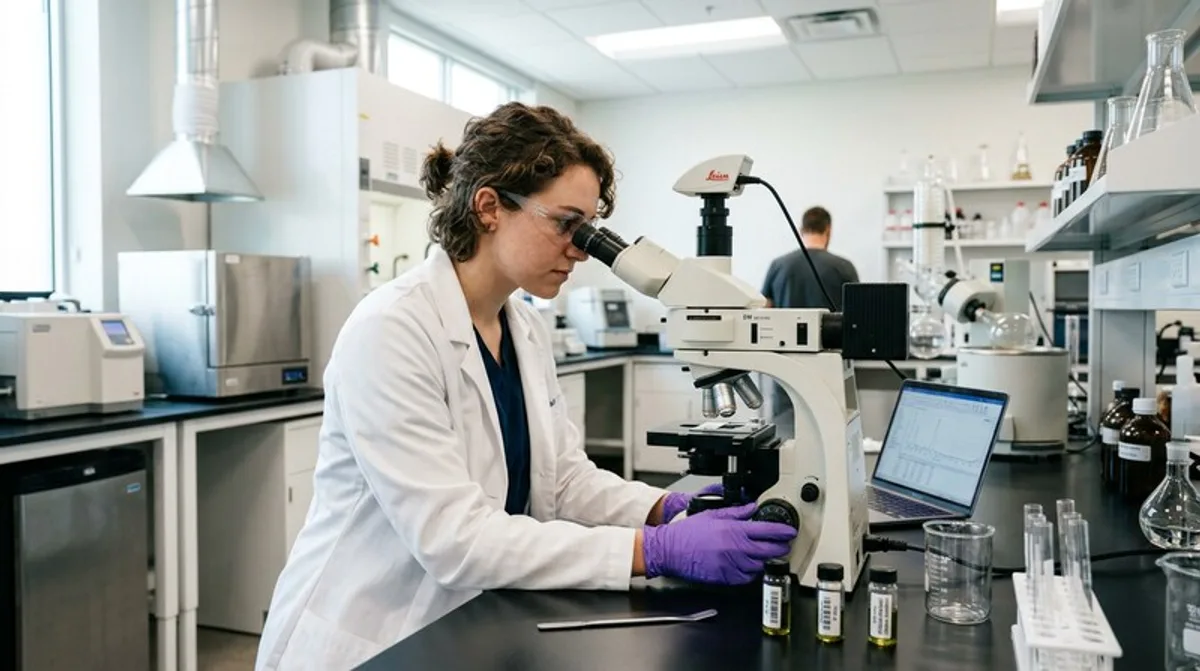
CO2 supercritical extraction is the gold standard for premium CBD products. Carbon dioxide is pressurised to a "supercritical" state (above 31°C and 74 bar) where it behaves as both a liquid and gas, acting as an efficient non-polar solvent that selectively extracts cannabinoids and terpenes. CO2 extraction produces clean, solvent-free extract with customisable cannabinoid and terpene profiles based on extraction temperature and pressure settings. The equipment is expensive, limiting CO2 extraction to well-capitalised manufacturers.
Ethanol extraction uses food-grade ethanol as a solvent to strip cannabinoids from plant material. It is more accessible than CO2 equipment and produces high-yield extracts, but ethanol also extracts chlorophyll and water-soluble plant compounds that require additional processing steps to remove. Cold ethanol extraction minimises chlorophyll co-extraction. Ethanol is fully miscible with water and extracts both polar and non-polar compounds, producing a broader phytochemical profile than CO2 at the cost of more post-processing.
Hydrocarbon extraction using butane or propane is common in cannabis concentrates but less prevalent in the CBD consumer market due to solvent residue concerns. When performed properly with commercial closed-loop systems and full purging, hydrocarbons leave minimal residue, but the risk profile is higher than CO2 or ethanol for consumer wellness products.
Senior Cannabis Editor at ZenWeedGuide. Specialist in cannabis pharmacology, the endocannabinoid system, and evidence-based effect guides.
Last reviewed: May 2026
FAQ: What Is CBD?
Does CBD get you high?
No. CBD is non-psychoactive. It does not bind CB1 receptors as an agonist and does not produce THC-type intoxication. At high doses CBD can cause sedation and fatigue, but this is pharmacologically distinct from psychoactivity. The WHO classifies CBD as non-psychoactive.
What is the difference between full-spectrum, broad-spectrum and CBD isolate?
Full-spectrum retains all cannabinoids and terpenes including trace THC (up to 0.3%). Broad-spectrum removes THC while keeping other compounds. Isolate is purified CBD only. Full-spectrum and broad-spectrum are believed more effective through the entourage effect; isolate is safer for drug-tested individuals.
Will CBD show up on a drug test?
Pure CBD isolate does not trigger positive tests at standard thresholds. Full-spectrum products with trace THC can cause positive results in heavy daily CBD users. Manufacturing cross-contamination and product mislabelling are documented sources of unexpected positive tests from CBD products.
What does the research say about CBD for anxiety?
CBD has demonstrated consistent anxiolytic effects across preclinical models and multiple human studies. A 2019 observational study found 79% of patients reported anxiety improvement within one month at 25–75 mg/day. CBD likely acts primarily through 5-HT1A serotonin receptors rather than cannabinoid receptors for its anti-anxiety effects.