

CANNABIS LAWS › MASSACHUSETTS
Massachusetts Cannabis Laws
Question 4 passed in 2016, making Massachusetts one of the first East Coast states to legalize recreational cannabis. Generous home possession and cultivation limits — with social consumption sites now emerging.
Fact-checked: Reviewed by the ZenWeedGuide Policy Team — laws verified as of the latest legislative session.
- Question 4 passed November 2016; retail sales launched November 2018 — first on East Coast
- Legal for adults 21+; public possession limit 1 oz / home possession limit 10 oz
- Home cultivation: 6 plants per person, up to 12 per household — one of the most permissive rules in the US
- Cannabis Control Commission (CCC) oversees all licensing and enforcement
- 10.75% state excise + 6.25% sales tax + up to 3% optional local tax
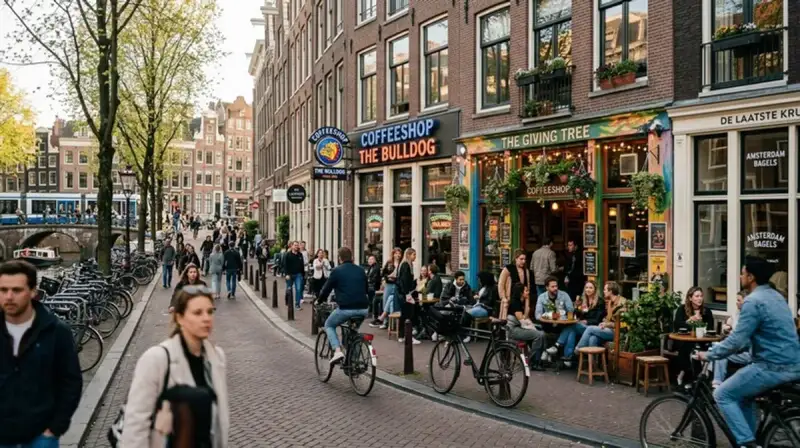
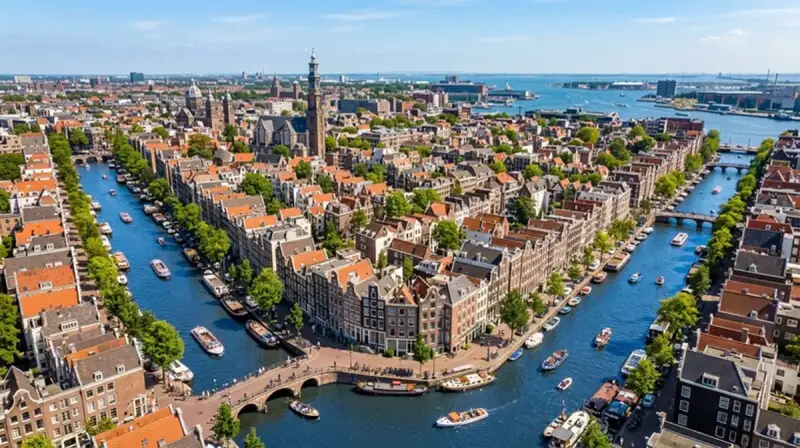
- Social consumption sites (Amsterdam-style lounges) are permitted — operating in select jurisdictions
- Employers retain full drug testing rights; no off-duty protections for recreational use
Quick-Reference Facts
| Category | Detail |
|---|---|
| Legal Status | Recreational & Medical |
| Possession Limit (Public) | 1 oz flower |
| Possession Limit (Home) | 10 oz flower |
| Home Grow | 6 plants per person / 12 per household |
| Minimum Purchase Age | 21+ |
| Medical Program | Yes — since 2012 |
| Tax Structure | 10.75% excise + 6.25% sales + up to 3% local |
| Regulatory Body | Massachusetts Cannabis Control Commission (CCC) |
Recreational Use in Massachusetts
Massachusetts voters approved Question 4 in November 2016, legalizing recreational cannabis by a margin of 54 to 46 percent. After a regulatory build-out period, the first licensed recreational dispensaries opened in November 2018, making Massachusetts the first state on the East Coast to begin recreational sales. The Cannabis Control Commission (CCC) was established as an independent regulatory body to oversee the market.
Possession Limits
Massachusetts has a two-tier possession structure. In public, adults 21+ may carry up to 1 ounce (28 grams) of cannabis flower. At a private residence, the allowable amount increases substantially to 10 ounces. This generous home possession limit accommodates regular home growers and frequent consumers. Concentrate and edible equivalencies are established by the CCC and apply proportionally to these limits.
Public Use Rules
Public consumption remains prohibited statewide. Boston, Cambridge, and other municipalities enforce public consumption bans actively. Smoking or vaping cannabis in any public space, vehicle, or area accessible to the general public is a civil offense carrying a fine. Boston’s ordinances mirror state law with additional enforcement emphasis in tourist and business districts including Downtown, Fenway, and Back Bay.
Cambridge-Specific Considerations
Cambridge was one of the first municipalities to allow cannabis retail and has developed its own local cannabis business policies under its license review process. The Cambridge License Commission adds a municipal layer of review on top of CCC licensing. Cambridge has generally been supportive of cannabis retail but enforces its own zoning and operating hour requirements.
Home Cultivation
Massachusetts allows adults 21+ to cultivate up to 6 plants per person at a private residence. If two or more qualifying adults share a household, the maximum is 12 plants total. Plants must be grown in an area not visible from a public street or space. Exceeding the plant count limit is a civil offense for amounts just over the limit and can escalate to criminal charges for significant overages. Massachusetts has one of the most permissive home cultivation policies in the country for a state of its size.
Medical Cannabis Program
Massachusetts established its medical cannabis program through a 2012 ballot initiative. The program is administered by the Cannabis Control Commission and allows patients to access higher purchase limits and lower tax rates than recreational consumers.
Qualifying Conditions Overview
Massachusetts has an open-ended qualifying condition framework. A physician may certify a patient for medical cannabis for any condition they determine would be debilitating and where cannabis use would be reasonably expected to provide relief. Common certified conditions include cancer, ALS, Crohn’s disease, glaucoma, HIV/AIDS, Parkinson’s disease, MS, PTSD, and chronic pain. This approach gives Massachusetts physicians broad discretion to certify based on clinical judgment.
Card Application Process
Patients register through the Massachusetts Medical Use of Marijuana Program (MMUAP) portal after receiving a physician’s written certification. Registration is $50 annually. Patients gain access to licensed dispensaries (called Registered Marijuana Dispensaries or RMDs) and may also purchase at recreational retailers. Some RMDs are dual-use facilities serving both populations.
Patient Limits
Medical patients may purchase up to a 60-day supply as determined by their certifying physician (the CCC establishes default limits of approximately 10 ounces per 60 days). Medical purchases are taxed at only 6.25% (standard sales tax only, no excise) compared to the approximately 17–20% effective rate on recreational purchases, creating a meaningful cost advantage for registered patients.
Penalties for Cannabis Violations
| Violation | Penalty |
|---|---|
| Possession over 1 oz, under 2 oz (public) | Civil fine — up to $100 |
| Possession over 10 oz (home limit) | Civil violation escalating to criminal charges |
| Distribution of 2 oz or less | Civil fine up to $500 |
| Distribution over 2 oz without license | Class D felony — up to 2 years |
| Public consumption | Civil fine — up to $100 |
| Home grow over household limit | Civil fine; large overages = criminal charges |
Social Consumption Sites
Massachusetts is one of a small number of US states where social consumption sites are legally permitted. These are venues — sometimes described as Amsterdam-style cannabis lounges — where adults may consume cannabis on-site. The CCC has developed licensing rules for social consumption. Municipalities must opt in to allow them, and operators need both CCC licensing and local approval. Social consumption sites in Massachusetts may not sell alcohol and must have adequate ventilation. A small number of sites have received licenses and are operating as of this writing, primarily in jurisdictions outside Boston.
Dispensary Access and Purchasing
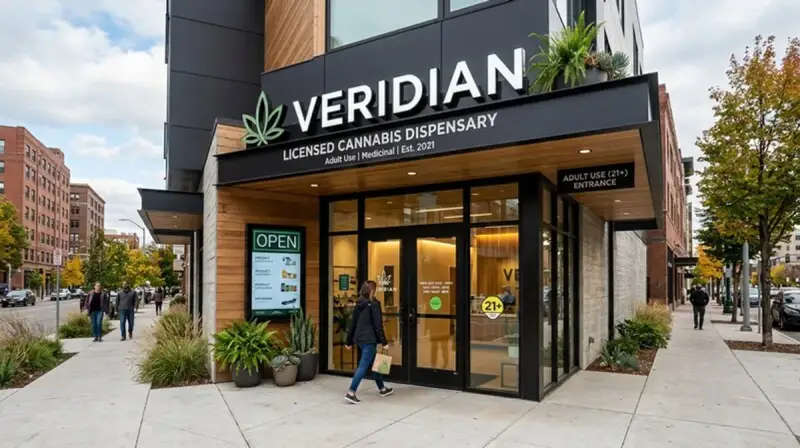
Massachusetts has a well-developed licensed dispensary network across the state. The CCC licenses multiple license types including retailers, cultivators, product manufacturers, testing labs, and transporters. Retail density is highest in Eastern Massachusetts including the Boston metro, with significant presence also in the Pioneer Valley and Cape Cod regions.
Purchasing Process
Customers present a valid government-issued ID confirming age 21+ at check-in. Massachusetts dispensaries vary in format — some operate walk-in showroom style while others use appointment or reservation systems for high-demand periods. Menus include flower, concentrates, edibles, pre-rolls, tinctures, and topicals. Online ordering and express pickup are widely available across the state.
Transaction Limits
Recreational customers may purchase up to 1 ounce of flower or its concentrate equivalent per transaction. Massachusetts dispensaries use the state’s seed-to-sale tracking system (Metrc) to monitor transactions. Medical patients purchasing at RMDs or dual-use facilities have higher purchase allotments per their physician’s certification.
Cannabis DUI and Impaired Driving
Massachusetts prohibits operating a vehicle while impaired by cannabis. The state does not currently have a per se THC blood limit — impairment must be demonstrated through field sobriety testing, Drug Recognition Expert evaluation, or other evidence of impaired driving behavior. A cannabis OUI (Operating Under the Influence) conviction carries the same penalties as alcohol OUI: license loss, fines, and potential jail time. Law enforcement across Massachusetts has increased cannabis OUI enforcement since recreational legalization. Never drive after consuming cannabis.
Employer Rights and Workplace Policies
Massachusetts employers retain full authority to maintain drug-free workplace policies. Employers may conduct pre-employment, random, and post-accident cannabis testing. There are no off-duty employment protections for recreational cannabis use in Massachusetts — employees may be disciplined or terminated for a positive drug test even if use occurred off-duty and outside work hours. Safety-sensitive positions, federal contractors, and DOT-regulated roles face the strictest restrictions.
Frequently Asked Questions
Why did it take two years between legalization and sales in Massachusetts?
After Question 4 passed in November 2016, the legislature delayed and modified the implementation timeline through Chapter 55 of 2017. The Cannabis Control Commission needed time to develop regulations, build the licensing framework, and begin processing applications. The first recreational sales finally occurred November 20, 2018. The delay was controversial — critics accused the legislature of undermining the voter mandate.
Are social consumption sites in Boston?
As of this writing, no social consumption sites are operating in the City of Boston. Boston has not opted in to the CCC’s social consumption licensing program. Social consumption sites currently operate in other Massachusetts municipalities that have opted in. Check the CCC website for the current list of licensed social consumption operators.
Can I bring Massachusetts cannabis to other New England states?
No. Transporting cannabis across state lines is a federal offense under the Controlled Substances Act, regardless of the laws in either state. This applies even when traveling between states with their own recreational programs, such as Massachusetts and Maine, Vermont, or Connecticut.
Does Massachusetts have cannabis delivery?
Yes. The CCC licenses cannabis delivery operators in Massachusetts. Licensed dispensaries and standalone delivery operators may offer home delivery to private residences. Delivery requires ID verification at the door. Not all dispensaries offer delivery — check directly with your preferred retailer for availability in your area.
Key Regulatory Notes for Massachusetts
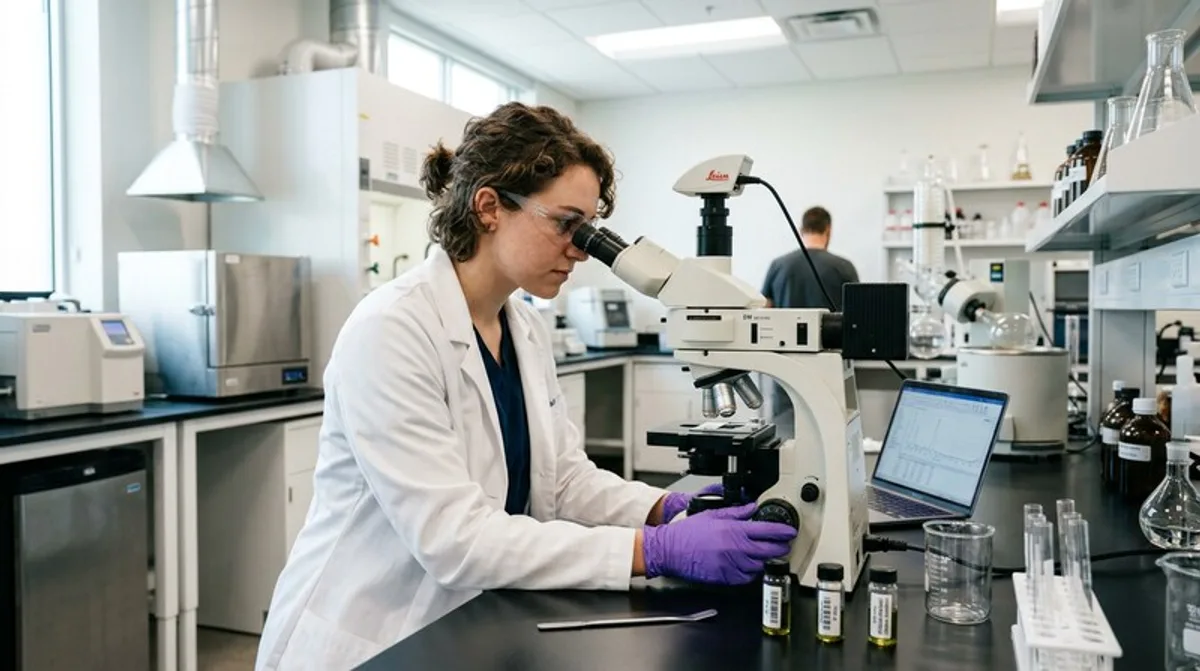
Massachusetts requires all cannabis products to undergo independent testing at a CCC-licensed testing laboratory before sale. Testing requirements cover potency (THC, CBD, and minor cannabinoids), pesticides, heavy metals, microbials, mycotoxins, and moisture content for flower. The CCC publishes laboratory certification status publicly and consumers can verify a lab’s standing on the CCC website.
Massachusetts has detailed packaging requirements: all cannabis products must be in child-resistant, opaque, resealable packaging (for multi-serving products). Labels must display the universal Massachusetts cannabis symbol, THC and CBD content per serving and per unit, number of servings, batch ID, harvest date (for flower), manufacturer license number, and a standard health disclaimer.
The CCC tracks all licensed cannabis activity through Metrc, the state’s seed-to-sale tracking platform. Every plant, harvest batch, and retail transaction is recorded. Metrc data is used by the CCC for compliance auditing, market analysis, and annual reporting to the legislature. Retailers must reconcile physical inventory with Metrc records continuously.
Legislative History and Timeline
Massachusetts has a long history of cannabis reform. The state decriminalized possession of small amounts in 2008 via ballot initiative. In 2012, voters approved a medical cannabis program. Question 4 in November 2016 legalized recreational cannabis with 54% approval. The legislature then delayed implementation through Chapter 55 of 2017, establishing the Cannabis Control Commission. The first recreational sales occurred November 20, 2018 in Northampton and Leicester — making Massachusetts the first East Coast state to begin recreational retail.
The CCC has since expanded the program to include social consumption site licensing, home delivery endorsements, and economic empowerment licensing priority to address communities historically harmed by cannabis enforcement. The Massachusetts framework is widely cited as a model for other states implementing equity-focused legalization.
Visiting Massachusetts: What Out-of-State Consumers Should Know
Visitors to Massachusetts can legally purchase cannabis at any licensed retailer with valid government-issued ID showing age 21+. No residency requirement applies. Boston, Cambridge, Somerville, Northampton, and many other municipalities have licensed dispensaries. The public possession limit of 1 ounce applies equally to visitors and residents.
Logan International Airport in Boston is federal property — cannabis is strictly prohibited. Do not bring Massachusetts cannabis into Rhode Island, Connecticut, New Hampshire, Vermont, or Maine. The MBTA (Massachusetts Bay Transportation Authority) prohibits cannabis consumption on all trains, buses, and at all stations throughout the system.
Massachusetts Cannabis Tax Revenue
Massachusetts cannabis tax revenue has grown each year since recreational sales launched. The combined excise and sales taxes have generated hundreds of millions of dollars for the state. A portion is directed to the Cannabis Social Equity Trust Fund supporting economic empowerment licensees and communities disproportionately affected by prior enforcement. Municipalities hosting dispensaries receive the optional local tax (up to 3%) which they direct to local priorities including public safety and community programs.
