




Cannabis for Alcohol Use Disorder: Evidence-Based Harm Reduction & Substitution Strategies
Alcohol use disorder (AUD) affects approximately 14.5 million Americans aged 12 and older, according to the National Institute on Alcohol Abuse and Alcoholism. With fewer than 10% of individuals with AUD receiving treatment, and traditional pharmacotherapies showing modest efficacy, researchers have begun investigating cannabis as a potential harm reduction tool. Emerging evidence suggests cannabis may support alcohol reduction strategies through several mechanisms, though it is not without risks and should never replace medically supervised detoxification for severe alcohol dependence.
- Ecological studies show 13-15% reductions in alcohol sales in states with medical cannabis laws
- CBD demonstrates anxiolytic effects relevant to alcohol withdrawal through GABA and glutamate modulation
- Observational research indicates 40-60% of medical cannabis patients report substituting cannabis for alcohol
- CBD reduced alcohol cue-reactivity and craving in controlled studies (Wiese et al. 2021)
- Cannabis use disorder develops in approximately 10-30% of regular users, with higher risk in those with substance use history
- CBD-dominant formulations appear safer for harm reduction than high-THC products
Understanding Alcohol Use Disorder & the Need for Alternative Approaches
Alcohol use disorder exists on a spectrum from mild to severe, characterized by an impaired ability to stop or control alcohol use despite adverse consequences. The condition involves neurobiological changes in reward circuitry, stress response systems, and executive function networks. Traditional treatment approaches include behavioral therapies and FDA-approved medications such as naltrexone, acamprosate, and disulfiram, yet relapse rates remain high — approximately 40-60% within the first year following treatment.
This treatment gap has led researchers and clinicians to explore harm reduction frameworks that prioritize reducing alcohol-related harms rather than demanding complete abstinence as the only acceptable goal. Within this context, cannabis has emerged as a substance that some individuals use to moderate or cease alcohol consumption, prompting scientific investigation into its potential therapeutic role.
The Cannabis Substitution Hypothesis: Population-Level Evidence
The substitution hypothesis proposes that individuals may use cannabis as a replacement for alcohol, potentially reducing alcohol-related harms. Several lines of ecological and observational evidence support this possibility:
State-Level Alcohol Sales Reductions
Multiple studies examining alcohol sales data in U.S. states before and after implementing medical cannabis laws have documented statistically significant reductions in alcohol consumption. Research published in Health Economics found that medical marijuana laws were associated with a 13.8% reduction in monthly alcohol sales. Similarly, beer sales declined by approximately 15% in counties located near marijuana dispensaries compared to those without nearby access.
These population-level findings suggest that at least a subset of alcohol consumers reduce their drinking when legal cannabis becomes available, though these correlational studies cannot definitively establish causation or identify the mechanisms involved.
Self-Reported Substitution Patterns
Observational research by Lucas and colleagues surveying medical cannabis patients found that 41-59% reported substituting cannabis for alcohol (percentages varied across studies). Subbaraman’s 2017 study of medical cannabis patients with probable AUD found that 44% reduced alcohol use after initiating cannabis therapy, with reductions maintained at six-month follow-up.
Qualitative interviews reveal that patients describe using cannabis to manage triggers for drinking, reduce cravings, and avoid hangovers while still achieving relaxation or stress relief — suggesting cannabis may fulfill some of the same functions that motivated alcohol use.
Neurobiological Mechanisms: How Cannabis May Address Alcohol-Related Pathways
CBD’s Effects on Anxiety Circuits & Withdrawal
Alcohol withdrawal syndrome involves hyperactivation of glutamate signaling and reduced GABAergic inhibition, creating a state of neural hyperexcitability that manifests as anxiety, tremor, insomnia, and in severe cases, seizures. Cannabidiol (CBD) modulates both of these neurotransmitter systems, though through indirect mechanisms rather than direct receptor binding.
Preclinical research demonstrates that CBD enhances GABAA receptor signaling by acting as a positive allosteric modulator, potentially countering the GABAergic deficit that occurs during alcohol withdrawal. Additionally, CBD appears to modulate glutamate transmission through effects on adenosine signaling and calcium homeostasis, potentially reducing excitotoxicity.
These mechanisms may explain why some individuals report that CBD helps manage early withdrawal symptoms such as anxiety, restlessness, and sleep disturbances. However, it is crucial to emphasize that cannabis is not a substitute for medical supervision during alcohol detoxification, particularly for individuals with severe dependence who face risks of dangerous withdrawal complications.
THC Considerations & the Endocannabinoid System
Chronic alcohol exposure disrupts endocannabinoid system function, reducing CB1 receptor density and altering anandamide and 2-AG signaling. Some researchers hypothesize that exogenous cannabinoids might help normalize this dysregulation, though evidence remains preliminary. THC’s psychoactive effects may also provide an alternative means of stress relief or reward that doesn’t involve alcohol’s hepatotoxic and neurotoxic properties.
That said, high-THC cannabis carries its own risks, including potential for dependence, cognitive effects, and psychiatric symptoms in vulnerable individuals. For harm reduction purposes focused on AUD, CBD-dominant or balanced CBD:THC formulations generally present a more favorable risk-benefit profile than high-THC products.
Cannabis for Alcohol Craving Reduction: Clinical Evidence
One of the most promising areas of research involves CBD’s potential to reduce alcohol craving, particularly in response to alcohol-related cues. A 2021 randomized controlled trial by Wiese and colleagues investigated CBD’s effects on cue-induced craving in individuals with alcohol use disorder.
Participants received either 800mg CBD or placebo, then were exposed to alcohol-related images and contexts designed to trigger cravings. The CBD group showed significantly reduced craving responses compared to placebo, along with decreased anxiety when confronted with alcohol cues. These effects persisted for approximately one week following a single CBD administration, suggesting relatively durable neurobiological changes.
The mechanism likely involves CBD’s effects on the amygdala and prefrontal cortex circuits that mediate conditioned responses to drug cues. By dampening the salience of alcohol-associated stimuli, CBD may help interrupt the automatic craving response that often precipitates relapse.
Additional preclinical research in rodent models of alcohol seeking behavior supports these findings, demonstrating that CBD reduces context-induced and stress-induced reinstatement of alcohol seeking even when administered days before the relapse-provoking stimulus.
Managing Alcohol Withdrawal Symptoms: A Supportive (Not Primary) Role
Some individuals report using cannabis to manage milder alcohol withdrawal symptoms, particularly:
- Anxiety and agitation: CBD’s anxiolytic properties may reduce psychological distress during early withdrawal
- Insomnia: Both CBD and THC may improve sleep onset and maintenance, though tolerance to THC’s sedating effects can develop
- Nausea: Cannabis has well-established antiemetic properties that may address gastrointestinal symptoms
- Tremor and muscle tension: Cannabis’s muscle-relaxant properties may provide symptomatic relief
Medical Disclaimer: Cannabis should never be used as a substitute for medical supervision during alcohol detoxification. Severe alcohol withdrawal can be life-threatening, involving risks of seizures, delirium tremens, and cardiovascular complications. Anyone with significant alcohol dependence considering reducing or stopping alcohol consumption must consult with qualified healthcare providers who can assess withdrawal risk and provide appropriate medical management. The information presented here addresses potential supportive use for milder symptoms or long-term recovery support, not acute detoxification.
Risks & Considerations: Cross-Addiction & Cannabis Use Disorder
Cannabis Use Disorder in Vulnerable Populations
Individuals with substance use disorders face elevated risk of developing problems with other substances, including cannabis. Research indicates that approximately 9% of cannabis users overall develop cannabis use disorder (CUD), but this rate increases to 17% among those who initiate use in adolescence and may be higher still among those with prior AUD.
Cannabis use disorder, while generally associated with less severe medical consequences than alcohol use disorder, can still cause significant impairment including cognitive effects, motivational changes, respiratory problems (if smoked), and difficulty discontinuing use despite desire to quit.
The harm reduction framework acknowledges that substituting cannabis for alcohol may reduce overall harm even if some cannabis dependence develops, given alcohol’s greater association with mortality, liver disease, cancer, and violent behavior. However, the goal should remain minimizing dependence on all substances while maximizing quality of life and functioning.
Liver Considerations: CBD Hepatotoxicity Concerns
Alcohol’s hepatotoxicity is well-established, with chronic heavy drinking leading to fatty liver, alcoholic hepatitis, cirrhosis, and hepatocellular carcinoma. In this context, any alternative substance must be evaluated for its own liver effects.
CBD has shown hepatotoxic effects in preclinical studies, but primarily at extremely high doses (1000+ mg/kg in mice, far exceeding typical human dosing). The FDA-approved CBD medication Epidiolex carries warnings about liver enzyme elevations, which occurred in approximately 16% of patients in clinical trials, though serious hepatotoxicity remained rare and typically occurred when combined with valproate.
For individuals using CBD as a harm reduction strategy for AUD, several considerations apply:
- Use the lowest effective dose (typical harm reduction doses range from 20-300mg daily, far below hepatotoxic ranges)
- Individuals with existing liver disease should consult hepatologists before using CBD
- Periodic liver function monitoring may be appropriate for those using high-dose CBD long-term
- THC has not demonstrated significant hepatotoxicity in research to date
- Any cannabis-related liver risk appears substantially lower than continued heavy alcohol consumption
Practical Harm Reduction Strategies & Strain Recommendations
For individuals considering cannabis as part of an alcohol reduction strategy, the following evidence-based approaches may optimize benefit while minimizing risk:
| Strategy Component | Recommendation | Rationale |
|---|---|---|
| Cannabinoid ratio | CBD-dominant (20:1 to 1:1 CBD:THC) | Lower addiction potential, anxiolytic effects, reduced psychoactivity |
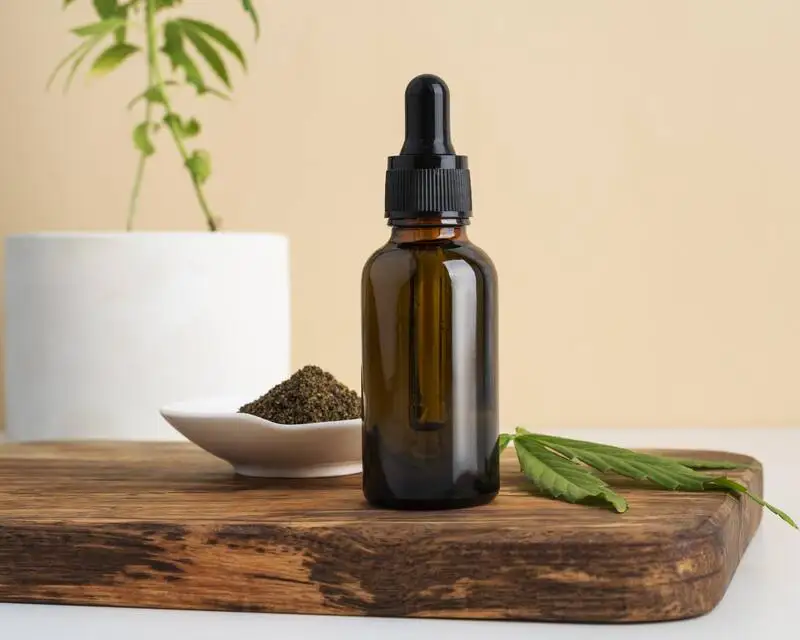
| Consumption method | Oral oils, capsules, or vaporization | Avoid respiratory harm from smoking; consistent dosing |
| Timing | Use during typical drinking times or when cravings emerge | Substitutes for alcohol in habitual contexts |
| Dosing | Start low (5-10mg CBD), increase gradually | Minimize side effects, find minimum effective dose |
| Monitoring | Track both alcohol and cannabis use patterns | Assess whether substitution is occurring vs. adding substances |
| Professional support | Engage with addiction medicine or harm reduction-informed providers | Medical supervision, mental health support, relapse prevention |
Recommended Strain Profiles
For harm reduction approaches to AUD, CBD-dominant strains offer the most favorable profile:
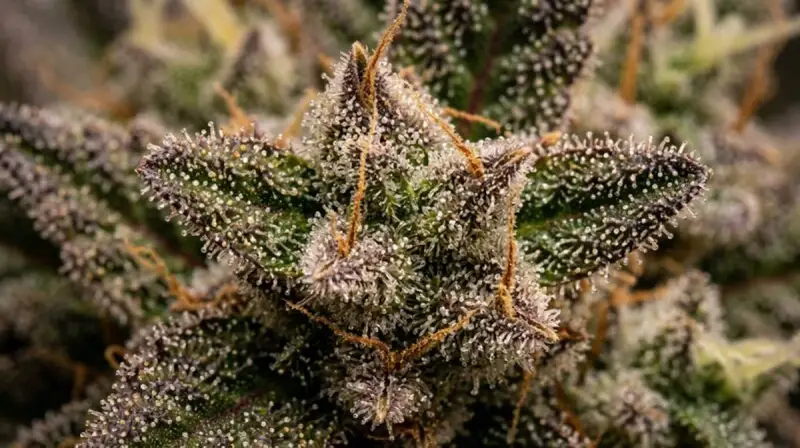
High-CBD, Low-THC Strains: Charlotte’s Web, Harlequin, ACDC, Cannatonic, Sour Tsunami — typically 15-20% CBD with less than 1-5% THC. These provide anxiolytic and potential craving-reduction effects with minimal intoxication or addiction potential.
Balanced CBD:THC Strains: Harlequin (varies by phenotype), Pennywise, CBD Critical Cure — approximately 1:1 or 2:1 CBD:THC ratio. These may provide additional relaxation effects while CBD mitigates some THC-related anxiety or cognitive effects.
High-THC strains are generally not recommended for AUD harm reduction due to greater addiction potential and psychoactive effects that may complicate recovery, though individual responses vary considerably.
Integration with Comprehensive Treatment
Cannabis should be viewed as one potential component of a comprehensive approach to AUD, not a standalone solution. Evidence-based elements of effective AUD treatment include:
- Psychosocial interventions: Cognitive-behavioral therapy, motivational enhancement, contingency management, and mutual support groups
- Pharmacotherapy: FDA-approved medications (naltrexone, acamprosate, disulfiram) have established efficacy and may be used alongside cannabis
- Treatment of co-occurring conditions: Depression, anxiety, trauma, and chronic pain frequently co-occur with AUD and require integrated treatment
- Social support and lifestyle changes: Recovery-supportive relationships, meaningful activities, and stress management skills
- Harm reduction strategies: Reducing drinking quantity/frequency, avoiding high-risk situations, and medical monitoring even if abstinence isn’t immediately achieved
Cannabis use should be discussed openly with treatment providers, recognizing that stigma and legal concerns may have previously prevented these conversations. Progressive addiction medicine specialists increasingly recognize cannabis substitution as a legitimate harm reduction strategy for appropriate patients.
Conclusion: A Promising but Complex Harm Reduction Tool
Emerging evidence suggests cannabis, particularly CBD-dominant formulations, may support alcohol use disorder recovery through multiple mechanisms: reducing cravings, managing withdrawal-related anxiety, providing an alternative coping mechanism, and potentially normalizing endocannabinoid system dysfunction. Population-level data showing reduced alcohol sales following medical cannabis legalization and patient reports of successful substitution lend real-world support to these mechanisms.
However, cannabis is not a panacea and carries its own risks, particularly regarding potential for cannabis use disorder in vulnerable populations. The evidence base remains limited, with most support coming from observational studies and preclinical research rather than large randomized controlled trials. Healthcare provider supervision, individualized assessment, and integration with comprehensive treatment approaches remain essential.
For individuals struggling with AUD, especially those who have not responded to traditional treatments or who are not ready for abstinence-based approaches, cannabis-assisted harm reduction represents a potentially valuable option worthy of informed discussion with knowledgeable healthcare providers. As research continues to evolve, clinical guidelines will become more refined, allowing for more precise recommendations about which patients might benefit most and how to optimize cannabinoid formulations and dosing for this application.