





THCA Research: Science of Raw Cannabis Cannabinoid
Tetrahydrocannabinolic acid (THCA) is the most abundant cannabinoid in freshly harvested cannabis and the direct biosynthetic precursor to THC. Raw, unheated cannabis contains almost no THC — it is virtually all THCA, which converts to THC only upon decarboxylation (heating). THCA itself is non-psychoactive and has emerged as a pharmacologically distinct compound with its own anti-inflammatory, neuroprotective, and antiemetic properties.
By James Rivera, Cannabis Science Writer — Updated May 2026
At a Glance
THCA Chemistry and Decarboxylation Science
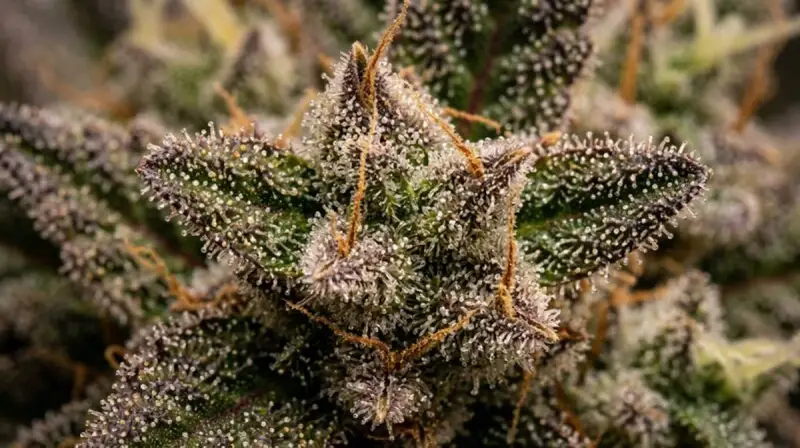
THCA (delta-9-tetrahydrocannabinolic acid A) is synthesized in cannabis trichomes from geranyl pyrophosphate and olivetolic acid via CBGA, then converted to THCA by the enzyme THCA synthase. The carboxylic acid group (-COOH) at position C-2 of the aromatic ring prevents THCA from adopting the three-dimensional conformation necessary for CB1 receptor binding, explaining its non-psychoactivity.
Decarboxylation removes this carboxyl group as CO2 upon heating. The conversion rate depends on temperature and duration: complete decarboxylation requires approximately 105 degrees Celsius for 30 minutes or occurs rapidly during combustion or vaporization above 157 degrees Celsius. Partial decarboxylation occurs at room temperature over months, which is why stored cannabis gains small amounts of THC over time.
The THCA-to-THC conversion ratio matters practically for cannabis medicine: raw juice from fresh cannabis leaves contains predominantly THCA, enabling high-dose intake without psychoactivity. This has driven interest in raw cannabis juicing as a non-intoxicating therapeutic approach. The relationship between THCA and THC is explored further in our THCA vs THC comparison guide and within the context of THC metabolism science.
Anti-Inflammatory and Immunomodulatory Properties
THCA demonstrates significant anti-inflammatory activity through mechanisms independent of CB1 and CB2 receptors. In vitro studies show THCA inhibits COX-1 and COX-2 enzymes at concentrations comparable to ibuprofen, suppressing prostaglandin synthesis in a manner analogous to non-steroidal anti-inflammatory drugs (NSAIDs) without their gastrointestinal side effects.
THCA also modulates PPARgamma (peroxisome proliferator-activated receptor gamma), a nuclear receptor regulating inflammatory gene expression, adipogenesis, and insulin sensitivity. PPARgamma activation by THCA reduces expression of NF-kappaB target genes including TNF-alpha, IL-6, and IL-1beta, providing a second anti-inflammatory mechanism operating in parallel with COX inhibition.
In a murine colitis model, THCA significantly reduced macroscopic and microscopic inflammatory scores and normalized cytokine profiles. These preclinical anti-inflammatory findings complement the broader cannabis inflammation research and the anti-inflammatory effects documented across the cannabinoid family. Human clinical evidence remains limited and constitutes an important research gap.
Neuroprotection: Huntington, Parkinson, and Oxidative Stress
THCA exhibits neuroprotective properties in multiple preclinical models. A pivotal 2017 Nadal et al. study demonstrated that THCA protected against 3-NP-induced striatal neurodegeneration in mice (a Huntington disease model), preserved motor function, and reduced oxidative stress markers through PPARgamma activation. Notably, the neuroprotective dose was below the threshold for psychoactivity if decarboxylated, suggesting that THCA formulations could provide CNS protection without intoxication.
In dopaminergic neurotoxicity models relevant to Parkinson disease (MPP+ and rotenone), THCA protected SH-SY5Y cells from death at low micromolar concentrations. The mechanism involves PPARgamma-mediated antioxidant response element (ARE) activation, upregulating NRF2-dependent cytoprotective enzymes including heme oxygenase-1 and NAD(P)H quinone oxidoreductase 1.
Anti-amyloid properties have also been reported for THCA, with some in vitro data suggesting interference with amyloid-beta aggregation relevant to Alzheimer pathology. These neuroprotective mechanisms are being explored in the context of broader cannabis aging research and compared to established cannabinoid neuroprotectants like CBD, as discussed in ongoing clinical trials research.
Antiemetic and Antispasmodic Evidence
THCA demonstrates antiemetic (anti-nausea/vomiting) activity in preclinical models, reducing both nausea-associated behaviors and conditioned gaping (a measure of anticipatory nausea) in rats at doses lower than equivalent THC. The mechanism is primarily serotonergic rather than cannabinoid receptor-mediated: THCA appears to modulate 5-HT3 and 5-HT4 receptors in the gut and brainstem emetic centers.
This 5-HT3 mechanism parallels ondansetron (a widely used anti-nausea drug for chemotherapy), suggesting THCA could provide complementary antiemetic activity through a different receptor pathway when used alongside chemotherapy. Raw cannabis preparations consumed by cancer patients often empirically report reduced nausea from chemotherapy, possibly reflecting THCA contribution alongside CBD and terpene effects.
Antispasmodic properties of THCA have been documented in intestinal smooth muscle preparations and bladder detrusor muscle models. THCA reduces spontaneous contractile activity, suggesting potential utility in irritable bowel syndrome and overactive bladder, conditions with significant unmet therapeutic need. These gastrointestinal effects complement THCA anti-inflammatory GI findings and represent a distinct mode of action from psychoactive THC effects covered in our THCA vs THC comparison.
Primary Research Sources
Frequently Asked Questions
What is THCA?
THCA (tetrahydrocannabinolic acid) is the non-psychoactive acidic precursor to THC found abundantly in raw, unheated cannabis. It converts to THC only when heated (decarboxylated). THCA has its own anti-inflammatory, neuroprotective, and antiemetic properties independent of THC.
Is THCA psychoactive?
No. THCA cannot bind CB1 receptors effectively due to its carboxylic acid group, so it does not produce intoxicating effects. Only when THCA is heated (smoked, vaporized, or cooked) does it convert to psychoactive THC.
How do you consume THCA without converting it to THC?
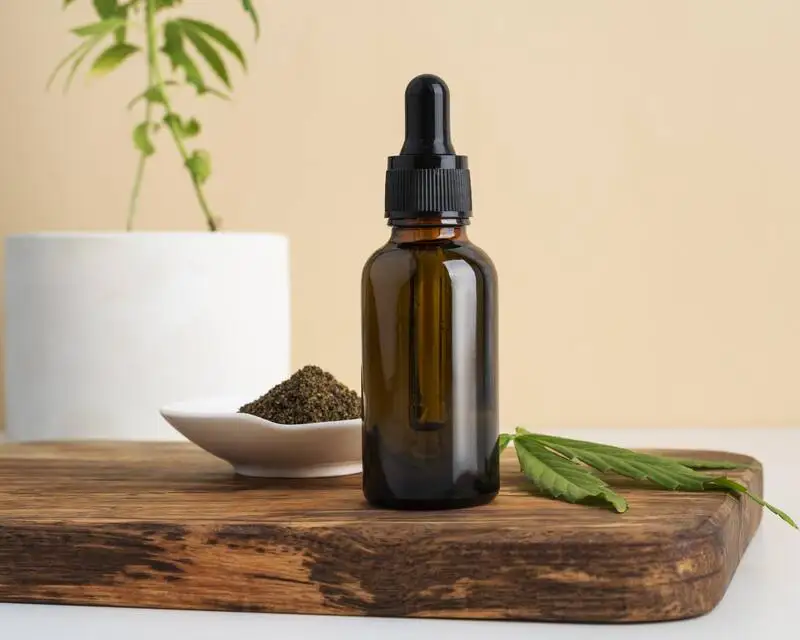
Raw cannabis juicing, cold-pressed cannabis oil, and low-temperature extraction preserve THCA without decarboxylation. Raw cannabis leaves and trichomes can be juiced or blended without heating to maintain the THCA-dominant profile.
What is THCA used for medicinally?
Preclinical research supports THCA investigation for anti-inflammatory conditions (via COX and PPARgamma), neuroprotective applications in Huntington and Parkinson disease models, antiemetic use (particularly for chemotherapy nausea), and antispasmodic gastrointestinal and bladder applications.
Does THCA show up on a drug test?
Standard urine drug tests detect THC-COOH (the main THC metabolite). If THCA converts to THC during consumption (heating) or in the body, it will produce positive tests. Pure raw THCA that is not decarboxylated may partially convert in vivo, though research on this is limited.
Is THCA legal?
THCA legal status is complex and evolving. In the US, hemp-derived THCA products have emerged in a regulatory gray area. Some states have explicitly regulated THCA. Internationally, THCA is generally controlled wherever THC is controlled, as it readily converts to THC.
Medical Disclaimer: This content is for educational purposes only and does not constitute medical advice. Consult a qualified healthcare professional before using cannabis for any medical condition.