






About Clandestino Club Madrid
Clandestino Club takes its name from a Lavapies tradition of underground culture. The neighbourhood has historically been home to artists, activists, squatters, migrants, and anyone who preferred to exist slightly outside the mainstream. The name is ironic as much as anything else: the club is completely legal, completely registered, and completely transparent in its operations.
Founded in 2013, Clandestino has maintained its counterculture identity while becoming genuinely professional in its operations. Many clubs that start with an activist ethos either professionalize to the point of losing their soul, or cling to an underground aesthetic that becomes an obstacle to good governance. Clandestino has navigated this tension successfully.
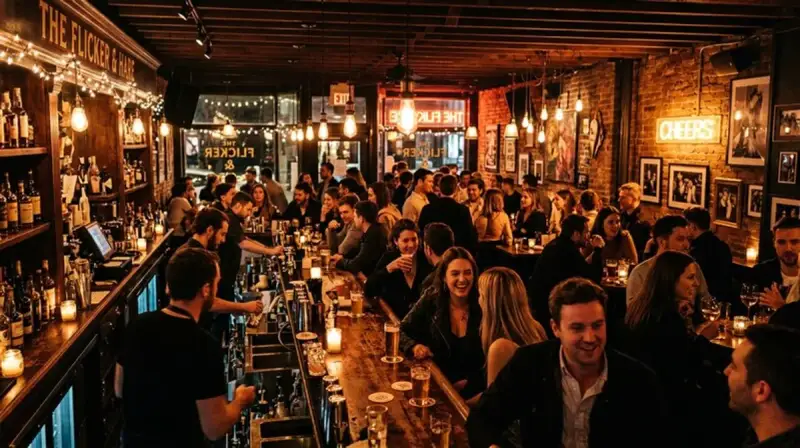
The club occupies a space that reflects Lavapies's architectural character: a ground-floor premises in a 19th-century building with exposed brick, mismatched furniture, and bookshelves stocked with publications on cannabis law, political theory, and Spanish history.
The membership is as diverse as Lavapies itself. Artists, academics, migrants, activists, tech workers, and long-term neighbourhood residents mix in a space where the stated value of mutual respect is genuinely practised. Events cover the full range of Lavapies's cultural interests: film screenings, book launches, political discussions, music sessions, and cannabis-specific educational events.
How to Become a Member
Cannabis social clubs in Spain operate as private, non-commercial associations. To join Clandestino Club Madrid, you must:
- Get a referral from an existing member who can vouch for you personally.
- Complete the application process, including providing proof of adult status (18+) and Spanish residency or minimum stay documentation.
- Attend an orientation session covering Spanish cannabis law, the club rules, and responsible consumption guidelines.
- Pay the membership contribution (EUR 18-28/month), which funds collective cultivation and club operations.
This process is legally essential, not optional bureaucracy. Without genuine private membership, the collective consumption framework that permits these clubs to function would not apply.
Understanding Cannabis Social Clubs in Spain
Spain does not have legalised recreational cannabis. What exists instead is a legal grey zone rooted in the Spanish constitution's protection of private activity and personal autonomy. Cannabis social clubs frame collective cultivation and consumption as a private, associative activity rather than a commercial transaction. There are no sales, only shared access to collectively produced cannabis funded by member contributions.
Do not expect to simply arrive at a club and gain access. Genuine clubs are private by necessity, not by preference, and clubs that operate as quasi-public spaces risk prosecution.
Flying Home Soon?
If you are visiting Spain and plan to travel by air, be aware that cannabis is detectable in your system for varying periods. See our complete drug test timeline guide covering urine, blood, and hair testing before you fly.