Maryland’s path to adult-use cannabis legalization moved through two distinct phases: a voter-approved constitutional amendment followed by comprehensive legislation from the General Assembly. On November 8, 2022, Maryland voters approved Question 4, a ballot measure amending the state constitution to legalize cannabis possession and use for adults 21 and older. The vote passed by approximately 67% to 33%, reflecting broad public support for ending prohibition in the state.
The constitutional amendment created a mandate for the General Assembly to pass implementing legislation, which it did with the Cannabis Reform Act of 2023 (House Bill 556 and Senate Bill 516). Governor Wes Moore signed the legislation into law in May 2023, and recreational sales officially launched on July 1, 2023 — precisely when the constitutional provisions took effect. Maryland became the 22nd state to legalize adult-use cannabis.
The Cannabis Reform Act established the Maryland Cannabis Administration (MCA) as the primary regulatory body overseeing both adult-use and medical cannabis programs. The MCA operates under the broader authority of the Alcohol, Tobacco and Cannabis Commission (ATCC), which consolidated oversight of regulated industries including alcohol and tobacco with the newly legalized cannabis market. This integrated regulatory approach was designed to leverage existing enforcement infrastructure and reduce duplicative bureaucracy.
Maryland’s approach to converting its existing medical cannabis market to dual-use was pragmatic: the approximately 100 licensed medical cannabis dispensaries were permitted to begin selling recreational cannabis to adults on July 1, 2023, the same day legal sales began, by registering as dual-use retailers with the MCA. This meant Maryland avoided the lengthy dispensary desert that other states experienced following legalization, as patients and recreational consumers had immediate access to a well-established retail infrastructure with products already on the shelves.
The state’s geography — bordering Washington D.C., Virginia, Delaware, Pennsylvania, and West Virginia, with significant federal employment in the Baltimore-Washington corridor — creates unique compliance considerations for Maryland consumers. Federal employees working at agencies including the NSA, DoD, and other federal installations in the state face federal drug testing requirements regardless of state law. The MCA has been explicit in its public communications that state legalization does not affect federal employment standards.
Maryland’s Cannabis Reform Act also established social equity provisions, including a 35% licensing set-aside for social equity applicants (defined as individuals from communities disproportionately impacted by cannabis prohibition), a Community Reinvestment Fund funded by cannabis tax revenues, and expungement procedures for prior cannabis convictions. The social equity framework was heavily influenced by the legislative experience of states that legalized earlier and faced criticism for failing to address the harms of the War on Drugs adequately.
Recreational Possession Limits
Under the Maryland Cannabis Reform Act, codified at Maryland Code Annotated, Criminal Law § 5-601 et seq. (as amended), adults aged 21 and older may legally possess specific amounts of cannabis and cannabis products without criminal or civil penalty. The law establishes a clear threshold structure with escalating consequences for amounts beyond the legal limit. The following table outlines Maryland’s current possession penalty structure for recreational cannabis:
Amount
Legal Status
Penalty
Up to 1.5 oz (42.5g) flower
Legal
No penalty
Up to 12g concentrated cannabis
Legal
No penalty
Cannabis products up to 750mg THC
Legal
No penalty
1.5 oz to 2.5 oz flower
Civil penalty
$250 civil fine
More than 2.5 oz flower
Misdemeanor
Up to 6 months / $1,000 fine (first offense)
Possession with intent to distribute
Felony
Up to 5 years / $15,000 fine
Distribution or large-scale trafficking
Felony
Up to 25 years for large quantities (50+ lbs)
Maryland’s possession limit of 1.5 ounces is notably lower than many other legal states. Colorado, California, and New York all allow 1 ounce or more (some allow 3 ounces), placing Maryland at a somewhat more conservative threshold while still providing a meaningful personal use allowance. The civil penalty zone between 1.5 oz and 2.5 oz provides a buffer before criminal exposure, allowing for minor overages to be addressed without criminal records.
Cannabis must be transported in sealed containers when in a vehicle. Possession in a motor vehicle is subject to the same limits as personal possession generally, though open containers visible in the passenger compartment provide probable cause for a law enforcement search. Persons under 21 who possess cannabis face referral to juvenile diversion programs for those under 18, and civil fines plus mandatory education programs for those aged 18 to 20.
Medical Marijuana Program
Maryland established its medical cannabis program in 2013 through legislation creating the Natalie M. LaPrade Maryland Medical Cannabis Commission (MMCC), named after a patient whose family advocated for the program. The first licensed dispensaries opened to patients in 2017 after several years of regulatory development. The program was among the more deliberately paced in the nation, reflecting the General Assembly’s cautious approach to implementation.
Following recreational legalization, the MMCC was dissolved and its functions were transferred to the Maryland Cannabis Administration (MCA), which now oversees both the medical and adult-use programs. Medical patients retain distinct advantages over recreational consumers, including lower purchase prices due to tax exemptions and access to higher-potency products in some categories.
Qualifying Conditions for Medical Cannabis in Maryland
Cachexia (wasting syndrome)
Anorexia associated with a chronic condition
Seizures, including those associated with epilepsy
Severe or persistent muscle spasms
Glaucoma
Post-traumatic stress disorder (PTSD)
Severe nausea associated with chemotherapy or other treatments
Chronic pain that has been unresponsive to other treatments
Any other condition for which a certifying provider believes cannabis would provide benefit
Any condition that is severe and for which the benefits outweigh risks in the provider’s judgment
Patient Registration and Certification Process
Patients seeking medical cannabis certification in Maryland must be Maryland residents and must consult with a Maryland-licensed healthcare provider registered with the MCA. The provider issues a written certification for a qualifying condition. Patients then register with the MCA through the state’s online patient portal and receive a medical cannabis ID card after verification. Caregivers may register to assist patients who cannot visit dispensaries themselves.
The annual registration fee for patients is $50, waived for patients enrolled in Medicaid. Medical cannabis ID cards are valid for one year and must be renewed annually. Patients may designate up to two caregivers per patient registration. The MCA maintains a registry of active patient certifications that dispensary staff can verify through the state’s seed-to-sale tracking system.
Medical cannabis patients in Maryland benefit significantly from the tax exemption: recreational cannabis is subject to a 9% excise tax while medical patients pay no cannabis excise tax. For a patient spending $200 per month at a dispensary, the tax exemption represents an annual saving of more than $200 compared to purchasing under the recreational program. Registered patients are also permitted to purchase and possess larger amounts than the recreational limits allow, as specified in their individual certification.
Home Cultivation Rules
Maryland adults aged 21 and older may cultivate cannabis plants at their primary residence under the Cannabis Reform Act of 2023. The law permits a maximum of 2 cannabis plants per adult individual, with a household cap of 4 plants regardless of how many qualifying adults reside in the home. Maryland’s home cultivation limit is among the more conservative in states that have legalized home growing, reflecting the General Assembly’s measured approach to the rollout of the recreational program.
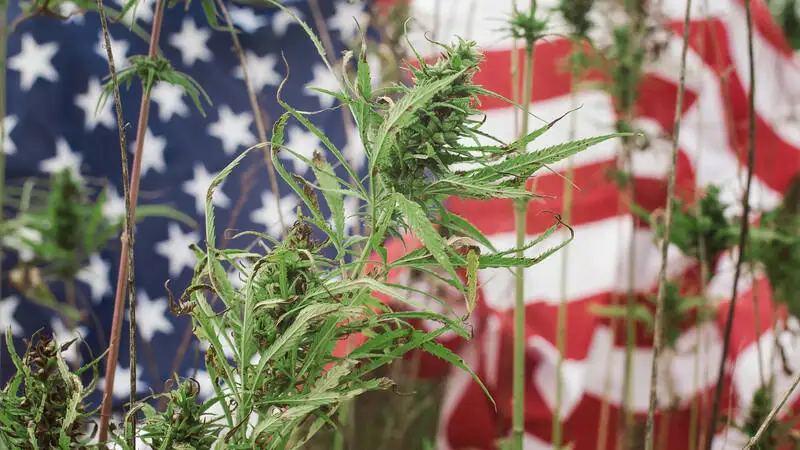
Plants must not be visible from a public place without the use of optical aids such as binoculars or telescopes. This standard is somewhat more permissive than the explicit visibility prohibition in some other states, but cultivators should exercise caution and screen plants from public view to avoid neighbor complaints and enforcement attention. Outdoor cultivation is permitted within these constraints. Indoor cultivation must meet standard fire safety requirements under local building codes.
Renters must review their lease agreements before beginning home cultivation. Landlords retain the right to prohibit cannabis cultivation on their premises, and a lease provision prohibiting cultivation or smoking may be enforced as a lease violation. Home cultivators in Maryland are not required to register with the MCA or obtain any permit. Equipment commonly used for cultivation — including grow lights, hydroponic systems, and ventilation equipment — is legal to purchase and use for the purpose of cultivating within the lawful plant count.
Home-grown cannabis may not be sold or transferred for compensation. Gifting up to 1.5 ounces to another adult with no monetary or in-kind exchange is permitted under the Cannabis Reform Act. All home-grown cannabis must be stored securely and away from access by minors. Using pesticides or chemical inputs not approved for use on cannabis or food crops is a civil violation under state agricultural regulations.
Dispensary Access in Maryland
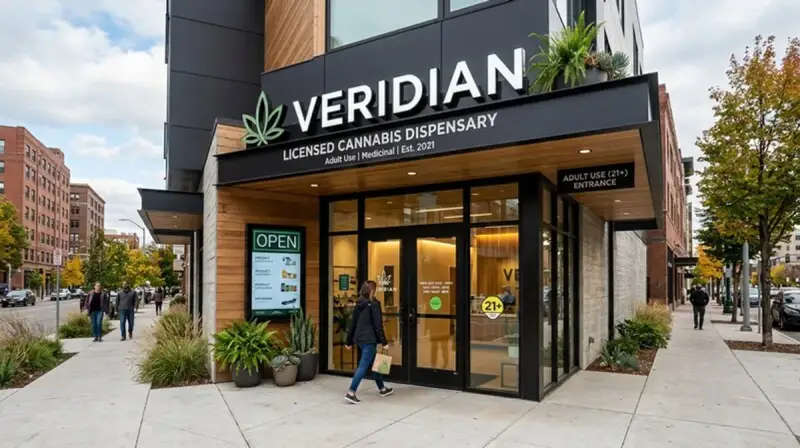
Maryland’s transition to dual-use retail was exceptionally smooth compared to most other states, precisely because licensed medical dispensaries were permitted to begin recreational sales on the same day legalization took effect — July 1, 2023. Patients and adult recreational consumers immediately had access to a network of approximately 100 licensed dispensaries that had been operating and stocking products for years under the medical program.
The MCA oversees licensing of cannabis dispensaries under the Alcohol, Tobacco and Cannabis Commission (ATCC) framework. Licensed dispensaries must maintain compliant seed-to-sale inventory tracking, comply with product testing requirements, adhere to security standards including 24-hour camera surveillance, and meet MCA packaging and labeling requirements for all products sold.
Dispensaries are distributed across Maryland’s 24 jurisdictions, with concentrations in the Baltimore metropolitan area, the Washington D.C. suburbs (Montgomery County and Prince George’s County), and the Eastern Shore. Rural Western Maryland and the Eastern Shore have fewer dispensaries, creating access disparities for some residents. The MCA has noted these geographic gaps and has prioritized licensing new applicants in underserved areas through the social equity licensing process.
Per-Transaction Purchase Limits in Maryland
Recreational adults (21+): up to 1.5 oz flower, 12g concentrate, 750mg THC in edibles per transaction
Medical patients: individualized amounts as specified in their written certification from a registered provider
Both recreational and medical: no maximum daily transaction count published by MCA, though per-transaction limits apply
Out-of-state residents: no residency requirement; any adult 21+ with valid ID may purchase at Maryland dispensaries
Operating Hours and Access Rules
Maryland dispensaries typically operate from 9 AM or 10 AM to 9 PM or 10 PM, depending on local zoning permits and MCA license conditions. Some dispensaries hold extended hours. Local jurisdictions may impose additional operating hour restrictions beyond the state-level permissions. Customers must present government-issued photo ID confirming age 21+. Medical patients must also present a valid medical cannabis ID card issued by the MCA. Dispensaries may not allow consumption on premises unless specifically licensed as a consumption lounge under MCA regulations.
Cannabis Taxes in Maryland
Maryland’s cannabis tax structure is comparatively straightforward compared to multi-layer systems like New York’s. The Cannabis Reform Act established a single-rate excise tax on adult-use cannabis sales, with a clear exemption for registered medical patients. No additional local cannabis taxes are permitted under state law.
Tax Type
Rate
Notes
Adult-use cannabis excise tax
9%
Applied at point of retail sale; replaces standard sales tax
State sales tax on cannabis
0%
Standard 6% Maryland sales tax does not apply to cannabis
Local cannabis taxes
Not permitted
Counties and municipalities may not levy additional cannabis taxes
Medical cannabis purchases
0%
Registered medical patients fully exempt from all cannabis excise taxes
Future rate change (scheduled)
Up to 10%
Cannabis Reform Act authorized rate increases by regulation, up to 10% maximum
Under the Cannabis Reform Act, cannabis excise tax revenue is distributed as follows: a portion goes to the Community Reinvestment and Repair Fund, which is directed toward communities most harmed by the War on Drugs; a portion goes to substance use disorder treatment and prevention programs; and a portion goes into the general fund. The specific distribution percentages can be adjusted by the General Assembly through the annual budget process.
Maryland’s single 9% rate compares favorably to states like Washington (37%), California (15%), and Illinois (where combined taxes can exceed 40% in some localities), making Maryland’s legal cannabis market more price-competitive against the unregulated market. This lower tax burden was a deliberate legislative choice to accelerate the transition from illicit to licensed sales, which policymakers viewed as a key public safety and equity objective of legalization.
DUI and Cannabis-Impaired Driving Laws
Maryland prohibits driving while impaired by cannabis or any drug under Transportation Article § 21-902. Maryland’s impaired driving laws apply equally to cannabis impairment as to alcohol, with the same range of potential penalties for driving under the influence of any controlled substance.
Maryland’s primary cannabis DUI offenses are:
DUI-Drug (Trans. Art. § 21-902(c)(1)): Driving under the influence of any drug or combination of drugs, including cannabis, that substantially impairs the person’s ability to drive safely. First offense: up to 1 year in jail, $1,000 fine, 12 points on license (triggering automatic revocation). Second offense: up to 2 years, $2,000 fine.
DWI-Drug (Trans. Art. § 21-902(d)): Driving while impaired by any drug. Requires a lower level of impairment than DUI-Drug. First offense: up to 2 months in jail, $500 fine, 8 points. Second offense: up to 1 year, $500 fine.
DUI-Controlled Dangerous Substance: Specific provision for driving while impaired by a CDS, which includes cannabis under state law. Penalties equivalent to DUI-Drug provisions.
Like New York, Maryland does not have a per se THC blood limit for driving impairment. Officers use Standardized Field Sobriety Tests and Drug Recognition Evaluator protocols. Blood tests may be requested following an arrest; refusal triggers administrative license suspension under Maryland’s implied consent law. The Maryland Vehicle Administration (MVA) processes administrative suspensions separately from any criminal court proceedings.
Maryland’s zero-tolerance policy for underage driving applies: any person under 21 found to have any detectable cannabis in their system while driving faces automatic administrative license suspension regardless of observed impairment level.
Employment and Workplace Rights
Maryland’s employment protections for cannabis users are more limited than those in states like New York or New Jersey. Maryland does not currently have a broad statewide prohibition on adverse employment action based solely on off-duty recreational cannabis use. Employers in Maryland may maintain drug-free workplace policies and may discipline or terminate employees for cannabis use, including off-duty use, without violating state law.
However, several important nuances and protections do apply:
Medical cannabis patients: Maryland Code, Health-General Article § 13-3313 provides that an employer may not discriminate against a registered medical cannabis patient in hiring, termination, or terms of employment solely on the basis of the employee’s status as a medical cannabis patient. However, employers may still enforce policies against being impaired at work, and may not be required to accommodate use during work hours.
Impairment standard: Employers taking action based on cannabis use should document observable impairment rather than relying solely on a positive drug test result to avoid potential disability discrimination claims, as some patients use cannabis to manage conditions that may also be protected disabilities under state and federal law.
Federal employees: Maryland has a substantial federal workforce particularly in the Washington D.C. suburbs and around federal facilities including Fort Meade, Aberdeen Proving Ground, and NSA headquarters. All federal employees and contractors remain subject to federal drug-free workplace policies regardless of state law.
Safety-sensitive positions: DOT-regulated workers, including commercial drivers, airline personnel, railroad workers, and pipeline operators, are subject to federal testing requirements that prohibit cannabis use regardless of state law.
Legislative discussions have included proposals to add broader off-duty cannabis use protections similar to those in New York and New Jersey, but as of mid-2026, no such legislation has been enacted. Employers should consult legal counsel regarding their specific drug testing and policy frameworks in light of the evolving legal landscape.
Public Consumption Rules
The Cannabis Reform Act of 2023 prohibits cannabis consumption in any public place. Under Maryland Code, Criminal Law § 10-130 (as amended), consuming cannabis in a public place is a civil offense carrying a $250 fine for a first offense. Subsequent violations may also be subject to civil fines. “Public place” is broadly defined to include any area open to the general public, including streets, sidewalks, parks, public transit, parking lots, and common areas of multi-unit residential buildings.
Maryland does not permit outdoor public consumption the way New York does (where sidewalk smoking is allowed in no-tobacco-smoking-restricted areas). Maryland’s approach is more restrictive: consumption is limited to private property. This means that Maryland cannabis consumers may only legally consume in:
A private residence (owned or rented, subject to landlord restrictions)
A licensed cannabis consumption facility (if and when such licenses are issued by the MCA)
On private property where the property owner has given permission
Cannabis consumption is strictly prohibited in all motor vehicles, whether moving or stationary. Open containers of cannabis in a vehicle are prohibited in the same manner as open alcohol containers. Consuming cannabis within 1,000 feet of a school is a separate aggravated offense with enhanced penalties. The MCA has indicated it intends to develop a licensing category for on-site consumption venues, though as of mid-2026 the specific regulations had not been finalized.
The $250 civil fine for public consumption is enforced by local law enforcement and may be accompanied by confiscation of the cannabis being consumed. Unlike criminal citations, civil cannabis consumption fines do not create a criminal record. However, repeated violations can result in escalating fines and potential contempt proceedings if fines go unpaid.
Expungement and Prior Convictions
Maryland’s expungement provisions for prior cannabis convictions are among the most comprehensive enacted by any state, combining automatic expungement for certain offenses with a petition process for others. The Cannabis Reform Act of 2023 directed the Maryland Courts to automatically expunge records of convictions for possession of cannabis in amounts that are now legal under the adult-use law.
Specifically, convictions for possession of 1.5 ounces or less of cannabis are subject to automatic expungement by operation of the law. The Maryland Judiciary was directed to identify eligible records in its case management systems and process expungements without requiring individuals to file petitions. Arrests without conviction for cannabis possession offenses are also subject to automatic expungement procedures.
For convictions involving possession of amounts that are still illegal (over 2.5 ounces), the Cannabis Reform Act created an expedited petition process. Individuals may file a petition with the court that handled the original case, and courts are directed to grant expungement petitions for offenses involving conduct that would now constitute only a civil penalty or misdemeanor under the new law, unless the State demonstrates good cause to deny the petition. The petition fee is waived for cannabis-related expungements under the Reform Act.
Sale and distribution convictions are not subject to automatic expungement, as those activities remain illegal under the Cannabis Reform Act. Individuals with such convictions may explore traditional expungement procedures under Maryland Code, Criminal Procedure Article § 10-110, which permits expungement of certain misdemeanors after a waiting period, subject to court discretion. The MCA also maintains information about expungement resources and refers individuals to legal aid organizations for assistance with the petition process.
Federal vs. State Legal Conflict
The federal-state cannabis conflict has particular salience in Maryland given the state’s proximity to Washington D.C. and the density of federal agencies and contractors operating within its borders. Cannabis remains a Schedule I controlled substance under the federal Controlled Substances Act (21 U.S.C. § 812), and Maryland’s legalization does not alter federal law or provide any shield from federal prosecution.
Federal employees in Maryland: An exceptionally high percentage of Maryland’s workforce is employed by or contracts with the federal government. Fort Meade (NSA, Cyber Command), Aberdeen Proving Ground, Andrews Air Force Base, NIH, FDA headquarters in Silver Spring, and dozens of other federal installations employ tens of thousands of Maryland residents who remain subject to federal drug-free workplace policies. These employees cannot legally use cannabis even recreationally under Maryland law without jeopardizing their federal employment and security clearances.
Security clearances: Possession of a federal security clearance creates ongoing obligations that conflict with any cannabis use. The Intelligence Community and Department of Defense have issued guidance that legal cannabis use in a state where it is legal does not automatically render an individual ineligible for a clearance, but adjudicators assess cannabis use in the context of judgment, reliability, and trustworthiness. Frequent or recent use can result in clearance denial or revocation regardless of state law.
Banking: Cannabis businesses operating in Maryland face the same federal banking barriers as those in other states. Most banks insured by the FDIC refuse to maintain accounts for cannabis businesses. The Maryland General Assembly has supported federal banking reform legislation, and several state-chartered institutions have cautiously entered the market.
Interstate transport: Transporting cannabis across Maryland’s borders into the District of Columbia, Virginia, Delaware, Pennsylvania, or West Virginia is a federal felony regardless of the cannabis laws in those jurisdictions. Maryland’s borders with D.C. are particularly significant: while D.C. permits cannabis possession and gifting, retail sales are still prohibited under federal law because Congress controls D.C.’s budget and has blocked commercial sales.
Airports: BWI Thurgood Marshall Airport is a federally regulated facility where cannabis possession is prohibited under federal law. TSA does not actively search for cannabis, but any cannabis discovered may be referred to law enforcement, which applies federal law at federal facilities.
Immigration: Non-citizens in Maryland face the same federal immigration risks from cannabis use as those anywhere in the United States. Maryland’s significant immigrant population, particularly in Montgomery and Prince George’s counties, should be aware that cannabis use under state law can have adverse consequences for immigration status, naturalization applications, and visa renewals.
Cannabis Policy Analyst at ZenWeedGuide. Covers US state cannabis law, dispensary regulations, and patient rights across all 50 states.
Last reviewed: May 2026
Frequently Asked Questions
Is recreational cannabis legal in Maryland?
Yes. Maryland voters approved a constitutional amendment legalizing adult-use cannabis in November 2022. Recreational sales launched July 1, 2023 for adults 21 and older. Adults may possess up to 1.5 ounces (42.5 grams) of cannabis flower, 12 grams of concentrated cannabis, and cannabis products containing up to 750mg of THC. The Maryland Cannabis Administration (MCA) oversees the licensed market.
How much cannabis can I legally possess in Maryland?
Adults 21 and older may possess up to 1.5 ounces (42.5g) of cannabis flower, up to 12 grams of concentrated cannabis, and cannabis products containing up to 750mg of THC without penalty. Possession of 1.5 to 2.5 oz is a $250 civil fine. Possession of more than 2.5 oz is a misdemeanor with up to 6 months in jail and a $1,000 fine for a first offense.
How does Maryland’s medical marijuana program work?
Maryland established its medical cannabis program in 2014 under the Natalie M. LaPrade Medical Cannabis Commission. The program is now administered by the MCA. Patients with qualifying conditions obtain a written certification from a registered provider and receive a medical cannabis ID card ($50 annual fee, waived for Medicaid patients). Medical patients pay no cannabis excise tax and may possess larger amounts than recreational consumers.
Can I grow cannabis at home in Maryland?
Yes. Adults 21 and older may cultivate up to 2 cannabis plants per person at their primary residence, with a household maximum of 4 plants. Plants must not be visible from a public place without optical aids. Landlords may prohibit cultivation by renters through lease agreements. Home-grown cannabis may not be sold. No registration or permit is required.
What are the cannabis taxes in Maryland?
Maryland levies a 9% excise tax on recreational cannabis retail sales. The standard 6% Maryland state sales tax does not apply to cannabis purchases. Medical cannabis patients are fully exempt from the cannabis excise tax. Local jurisdictions may not add their own cannabis-specific taxes. This single-rate approach makes Maryland one of the lower-tax cannabis states in the country.
Can my employer fire me for using cannabis in Maryland?
Maryland does not currently have broad off-duty cannabis use protections for most employees. Employers may maintain drug-free workplace policies and may discipline or terminate employees for cannabis use including off-duty use. Registered medical cannabis patients have limited protections against discrimination based solely on their patient status. Federal employees and DOT-regulated safety-sensitive workers have no state protection and remain subject to federal drug testing requirements.