

- Recreational: Illegal — ballot measure (SQ820) failed March 2023
- Medical Only: Legal since SQ788 passed June 2018
- Possession Limit: 3oz on person / 8oz at home (medical patients only)
- Home Grow: 6 mature plants + 6 seedlings (medical patients only)
- Purchase Age: 18+ with valid OMMA patient card
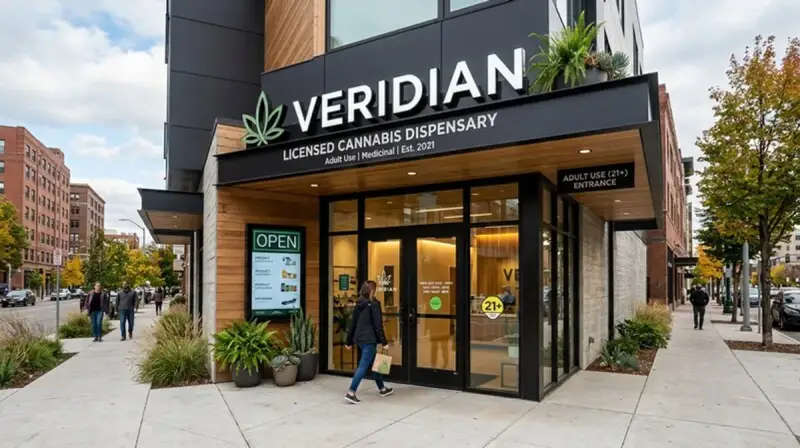
- Dispensaries: Among highest per-capita in the US — 11,000+ licensed businesses at peak
- Public Consumption: Prohibited for all patients
Is Marijuana Legal in Oklahoma?
Oklahoma operates a medical-only cannabis program. Recreational cannabis remains illegal after voters rejected State Question 820 at a special election held on March 7, 2023. The measure failed 61.5% to 38.5%, making Oklahoma the first state to vote down recreational legalization at the ballot box after other states’ recent approval trends.
The foundation of Oklahoma’s medical program is State Question 788, approved by voters in June 2018 with 56.9% in favor. SQ788 is notably broad for a medical-only program: it does not contain a fixed list of qualifying medical conditions. Instead, any licensed Oklahoma physician may recommend cannabis for any condition they deem appropriate for their patient. This flexibility is a distinctive feature that sets Oklahoma apart from most other medical states.
The program is administered by the Oklahoma Medical Marijuana Authority (OMMA), a division of the Oklahoma State Department of Health. OMMA issues licenses to patients, caregivers, dispensaries, cultivators, processors, and transporters.
Medical Possession Limits
Possession of cannabis without a valid OMMA patient license is illegal in Oklahoma for any amount. Registered patients may possess:
| Product / Location | Possession Limit (OMMA Patients) |
|---|---|
| Cannabis flower (on person) | 3 ounces |
| Cannabis flower (at residence) | 8 ounces |
| Cannabis concentrate (on person) | 1 ounce |
| Cannabis-infused edibles | 72 ounces |
| Home cultivation | 6 mature plants + 6 seedlings |
Non-patients found in possession of any amount of cannabis face criminal penalties. Possession of less than 1.5 ounces by a first-time offender is a misdemeanor with a fine up to $400. Subsequent offenses and larger quantities carry felony-level penalties. Hemp products containing 0.3% THC or less are legal under federal and Oklahoma law and do not require a medical license.
Home Cultivation Rules
Registered OMMA medical patients may cultivate cannabis at their registered residence. Allowable grow parameters are:
- Up to 6 mature (flowering) plants
- Up to 6 seedlings
- Up to 1 ounce of concentrate derived from their home grow
- Up to 8 ounces of harvested flower stored at home
Plants must be grown in a secure, enclosed location not visible to the public. Patients who are caregivers for other patients may have additional grow rights. Commercial unlicensed cultivation is a felony offense.
Patients who wish to grow must ensure their OMMA license specifies that privilege. Oklahoma has been relatively permissive about patient cultivation compared to many other medical-only states.
Oklahoma’s Unique Medical Program Structure
Oklahoma’s medical program stands out nationally for several reasons:
No Qualifying Conditions List
Unlike most medical cannabis states that require a patient to have a specific qualifying diagnosis, Oklahoma allows any licensed physician to recommend cannabis at their professional discretion for any patient for any condition. This broad discretion has contributed to high patient enrollment rates. As of recent data, Oklahoma has issued hundreds of thousands of patient licenses relative to its population of roughly 4 million.
Massive Dispensary Count
Oklahoma’s relatively low licensing fees and open licensing structure led to explosive growth in dispensary and cultivator licenses. At its peak, the state had over 11,000 licensed cannabis businesses including dispensaries, cultivators, and processors — one of the highest per-capita totals in the world. Market consolidation and stricter enforcement have since reduced that number, but Oklahoma remains extraordinarily dispensary-dense for a medical-only state.
Patient Age
Oklahoma allows medical cannabis patient licenses for adults 18 and older (as well as minors with caregiver/guardian involvement). This is lower than most recreational states, which require patients to be 21+.
Dispensary Rules & Purchasing
Only OMMA-licensed patients and their caregivers may purchase cannabis from Oklahoma dispensaries.
| Rule | Details |
|---|---|
| Who can purchase | Valid OMMA patient license holders only (or licensed caregiver on patient’s behalf) |
| Minimum age | 18+ (with OMMA license); minors via licensed caregiver |
| Required documentation | OMMA patient license + government-issued photo ID |
| Hours | Varies by city ordinance; Oklahoma City and Tulsa typically 8am–10pm |
| Out-of-state patients | Temporary out-of-state patient licenses available for non-residents with existing medical card |
Oklahoma offers a temporary out-of-state patient license program, allowing registered medical patients from other states to obtain a temporary Oklahoma patient license and purchase cannabis at Oklahoma dispensaries during their visit. This is a particularly useful feature for medical tourists.
Cannabis Taxes in Oklahoma
Oklahoma applies a straightforward medical cannabis tax:
| Tax Type | Rate | Notes |
|---|---|---|
| Medical cannabis tax | 7% | Applied to all retail sales to patients |
| State sales tax | 4.5% | Standard Oklahoma state sales tax |
| Local sales tax | Varies | Cities and counties may add local sales tax |
Compared to recreational cannabis states where total tax burdens often exceed 25–40%, Oklahoma’s medical cannabis tax structure is relatively low, making dispensary prices more competitive with illicit market alternatives. Cannabis tax revenue is directed toward OMMA operations, education, and mental health programs.
DUI & Impaired Driving
Oklahoma prohibits driving under the influence of cannabis. Unlike some states with specific per se THC blood-level thresholds, Oklahoma relies on a general impairment standard. However, any detectable amount of THC in blood or urine combined with observed impairment can support a DUI charge.
Oklahoma uses the Drug Recognition Expert (DRE) program and standardized field sobriety testing. A positive drug test result (blood or urine) may be introduced as evidence of impairment. Medical patients are not exempt from DUI laws — having a valid OMMA patient license does not provide a defense against impaired driving charges.
DUI penalties in Oklahoma include:
- First offense: 10 days–1 year jail, $1,000 fine, license suspension
- Subsequent offenses: Escalating penalties including potential felony charges
Employment & Housing Rights
Oklahoma law does not generally require employers to accommodate medical cannabis use. Key points:
- Employers may maintain drug-free workplace policies and test all employees.
- A 2019 amendment to SQ788 legislation (SB1010) stated that having a medical cannabis license does not affect an employee’s rights or an employer’s ability to discipline or terminate based on a positive cannabis test.
- Employers are prohibited from discriminating against a licensed patient solely for their status as a licensed patient — but this does not extend to test results or on-the-job use.
- Safety-sensitive and federally regulated roles are entirely unprotected under state law.
Housing: private landlords in Oklahoma may prohibit cannabis cultivation and smoking on rental properties. There are no state-level protections for medical cannabis patients regarding housing discrimination based on cannabis use.
Hemp & CBD in Oklahoma
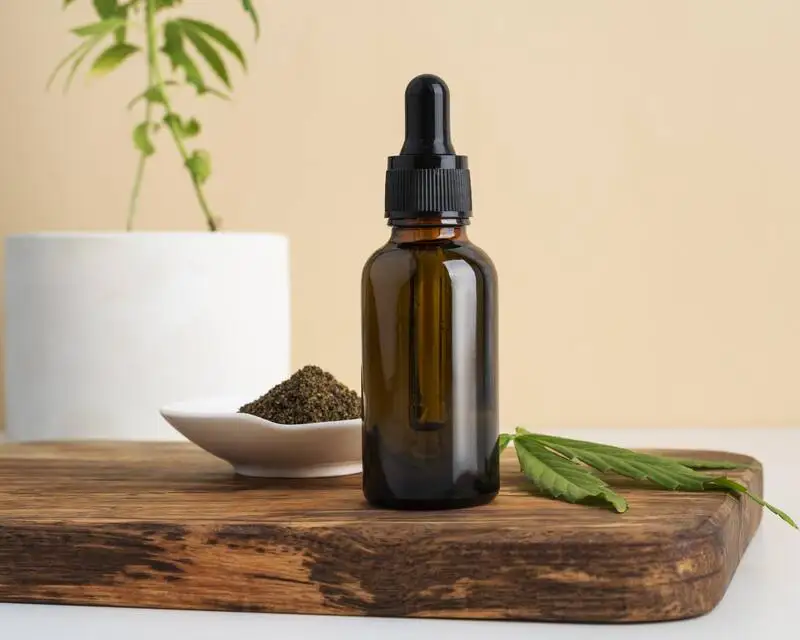
Oklahoma legalized hemp cultivation and processing following the federal 2018 Farm Bill. Hemp-derived CBD products with 0.3% THC or less are legal to purchase and possess in Oklahoma without a medical license. The Oklahoma Department of Agriculture, Food, and Forestry (ODAFF) regulates hemp production in the state.
The wide availability of hemp-derived delta-8 THC and other hemp cannabinoids has added complexity to the market. Some hemp-derived cannabinoids occupy legal gray areas under both state and federal law. Consumers should verify that products are laboratory tested and compliant before purchasing.
Expungement of Prior Cannabis Offenses
Oklahoma passed cannabis expungement legislation that allows individuals convicted of acts that are now lawful under the medical cannabis program to petition for record expungement. The process is court-based and requires filing a petition.
For non-medical possession charges (acts that are still illegal for non-patients), standard Oklahoma expungement law applies with appropriate waiting periods after sentence completion. Legal aid and the Oklahoma Expungement Law provide guidance on eligibility.
Public Consumption Rules
Medical cannabis consumption in public is prohibited in Oklahoma. Even with a valid OMMA patient license, you may not consume cannabis:
- In any public place or in view of the public
- In a vehicle on any public road (driver or passenger)
- In any location where tobacco use is prohibited
- On school property, correctional facilities, or state-operated facilities
There are no licensed cannabis consumption lounges in Oklahoma, as the law does not currently provide for them. Consumption must occur on private property where the property owner permits.
Future of Cannabis Legalization in Oklahoma
Following the defeat of SQ820 in March 2023, further recreational legalization efforts have not yet advanced to another ballot. Advocacy organizations continue to support future legalization campaigns, but the political climate in Oklahoma requires a longer timeline than advocates initially hoped. The state’s conservative legislature has generally not moved proactively toward recreational legalization, making ballot initiatives the primary avenue for change.
Oklahoma’s Cannabis Market Economics
Oklahoma’s cannabis market has been one of the most economically interesting in the country — for better and worse. The low barrier to entry created by SQ788’s broad licensing rules led to a gold rush of new entrants, and at its peak Oklahoma had more licensed cannabis businesses per capita than almost anywhere else in the world.
The consequences have been significant:
- Oversupply: With over 11,000 licensed businesses competing for the registered patient population, wholesale cannabis prices in Oklahoma collapsed. This has been a disaster for many licensees who invested heavily in infrastructure but cannot sell at prices that cover costs.
- Market consolidation: OMMA has increased enforcement and tightened licensing, leading to many smaller operators exiting the market. The number of active businesses has declined from its peak as consolidation continues.
- Diversion concerns: Cheap Oklahoma cannabis created concerns about illicit diversion to neighboring states. Federal and state authorities conducted numerous investigations and prosecutions of “cannabis laundering” operations where Oklahoma-licensed grows operated primarily to supply out-of-state black markets.
- Price for patients: The flip side of oversupply is that Oklahoma medical patients have access to some of the lowest dispensary prices in the country. With intense competition, dispensaries compete aggressively on price and product selection.
OMMA has responded by increasing oversight, conducting more frequent inspections, and tightening license renewal requirements. The market is expected to continue consolidating toward a smaller number of more professionally operated businesses.
OMMA Compliance & Patient Obligations
Oklahoma patients have specific obligations to maintain their license and stay in compliance with OMMA rules:
- Patient licenses must be renewed annually. Expired licenses mean you cannot legally purchase or possess cannabis.
- Patients must carry their OMMA patient license card when transporting cannabis or entering a dispensary.
- Patients must keep cannabis in its original, labeled packaging when transporting it (except at their residence).
- Patients who commit cannabis-related offenses (such as selling to non-patients) lose their patient license and face criminal prosecution.
- Minors with patient licenses must be accompanied by their registered caregiver (parent or guardian) when visiting a dispensary.
Federal vs. State Conflict
As a medical-only state, Oklahoma’s cannabis industry still operates in conflict with federal law:
- Cannabis businesses cannot access federally insured banking, creating cash-heavy operations and financial vulnerabilities.
- Interstate transport of cannabis from Oklahoma’s large production market to other states is a federal crime, despite the oversupply created by the highly licensed market.
- Federal employees, military personnel, and contractors remain subject to federal cannabis prohibitions regardless of their medical patient status in Oklahoma.
- Non-citizens face immigration consequences for cannabis use even under state medical law.
Frequently Asked Questions
Is weed legal in Oklahoma?
Only for medical patients. Recreational cannabis is illegal after voters rejected State Question 820 in March 2023. Medical cannabis has been legal since SQ788 passed in 2018. You must have an OMMA patient license to legally purchase or possess cannabis.
Does Oklahoma have a lot of dispensaries?
Yes — Oklahoma had one of the highest per-capita cannabis business license counts in the world at its peak, with over 11,000 total licensed cannabis businesses including dispensaries. The market has since consolidated but remains extraordinarily dense for a medical-only state.
Can you grow cannabis at home in Oklahoma?
Yes, but only if you have a valid OMMA patient license. Licensed patients may grow up to 6 mature plants and 6 seedlings at their registered residence. Recreational consumers cannot grow cannabis at home.
What are the possession limits in Oklahoma?
OMMA-licensed patients may possess 3oz on their person, 8oz at home, 72oz of edibles, and 1oz of concentrate. Non-patients possessing any amount face criminal charges — less than 1.5oz is a misdemeanor for first-time offenders.
Can out-of-state medical patients buy cannabis in Oklahoma?
Yes. Oklahoma offers a temporary out-of-state patient license for visitors who have a valid medical cannabis card from their home state. This temporary license allows them to purchase from Oklahoma dispensaries during their visit.
Will recreational cannabis be on the ballot in Oklahoma again?
There is no confirmed timeline for a new recreational ballot measure following the March 2023 defeat. Advocacy organizations continue to organize, but given the political environment and the margin of defeat, a successful future initiative would require significant public opinion shifts.