
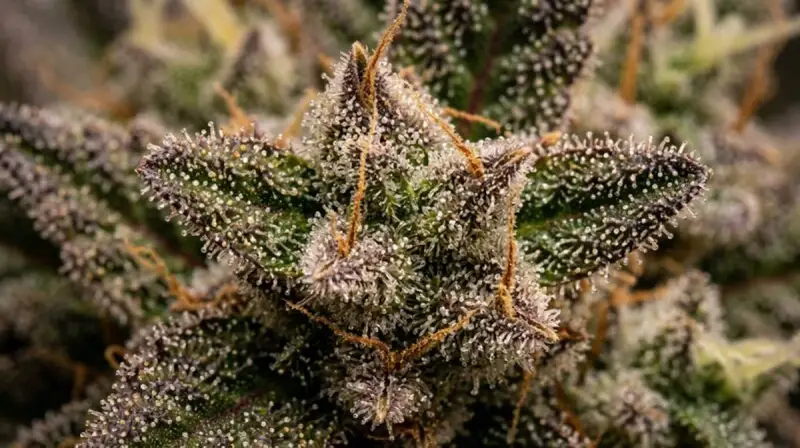








- Brothers Grimm Seeds masterwork — created from P75 (a stabilized Cinderella 99 phenotype) crossed with Genius, a high-resin sativa selection.
- Sweet grapefruit dominance in aroma — terpinolene and limonene create one of the most recognizable fruity-citrus profiles in sativa genetics.
- Exceptionally clear cerebral high — noted for clean, non-anxious focus rather than racing or paranoid thought patterns common in some sativas.
- Fast-flowering sativa — 50–60 day flower time is uncommonly short for a sativa-dominant strain; manageable for indoor growers.
- Compact structure for a sativa — Cinderella 99 lineage keeps height more manageable than typical sativa cultivars.
- Multiple Cannabis Cup recognition — widely considered one of Brothers Grimm’s signature achievements.
Overview & Genetics
Apollo 13 was developed by Brothers Grimm Seeds, one of the most respected boutique cannabis breeding operations of the late 1990s and early 2000s. The strain takes its name from the famous NASA mission — an appropriate reference given the cerebral, almost otherworldly quality of its sativa effect profile.
The parentage is anchored by P75, a phenotype selection from Brothers Grimm’s own Cinderella 99 — itself one of the most celebrated sativa hybrids in cannabis breeding history. Cinderella 99 (C99) is believed to be descended from a bag seed of Jack Herer crossed with selected Shiva Skunk genetics, though Brothers Grimm’s exact process has never been fully disclosed. C99 is known for its fast-finishing character unusual in sativas, its sweet tropical fruit aroma, and its intensely cerebral, sometimes psychedelic effect profile. P75 is a specific phenotype of C99 selected for its particularly strong grapefruit-sweet aroma expression.
Genius, the second parent, is a high-resin sativa selection bred to enhance potency and terpene density. Its genetics amplify the resin production and THC ceiling of the Cinderella 99 base without introducing heavy indica body sedation. The result — Apollo 13 — maintains the pure sativa cerebral character of C99 while extending terpene complexity and slightly raising the THC ceiling.
Apollo 13 sits at an interesting position in the market: it occupies the classic sativa role of clear-headed creative stimulation but with a more compact plant and faster flowering timeline than most comparable strains. This has made it a grower’s favorite for indoor cultivation where space and time are premium concerns.
Cannabinoid & Terpene Profile
Apollo 13’s aroma chemistry centers on the same terpene pairing that defines its Cinderella 99 parent: terpinolene as the primary driver of the sweet, fresh, floral-citrus top note, and limonene providing the bright sour-grapefruit edge.
| Terpene | Aroma | Concentration | Effect Contribution |
|---|---|---|---|
| Terpinolene | Sweet, floral, fresh pine, grapefruit | Dominant | Associated with uplifting, slightly energetic effects; found predominantly in sativa-leaning strains; contributes to clear mental activity |
| Limonene | Bright citrus, lemon, grapefruit peel | Secondary | Mood elevation through serotonin receptor activity; anxiolytic at moderate concentrations; enhances the citrus-forward aroma |
| Ocimene | Sweet, herbal, woody, tropical | Secondary | Contributes tropical fruit complexity; found in many Cinderella 99-lineage strains; uplifting without body sedation |
| Myrcene | Earthy, herbal, mango undertone | Tertiary | Minor body relaxation contribution; potentiates THC uptake; provides earthy base note under the citrus top |
The terpinolene-dominant profile is a key differentiator. Most indica strains are myrcene-dominant; most sativa-leaning strains trend toward terpinolene, pinene, or limonene dominance. Apollo 13’s terpinolene dominance is consistent with its clear, uplifting cerebral character — terpinolene is associated with the clean, focused, non-sedating sativa experience that growers and consumers prize in this cultivar.
Effects: What to Expect
Apollo 13 is celebrated among sativa enthusiasts for the quality of its cerebral experience as much as its intensity. This is not a strain that forces mental acceleration or paranoid racing thoughts; instead, it produces a clear, expansive mental state that many describe as “turned on” rather than “ramped up.”
Onset (0–10 minutes)
Apollo 13 hits cleanly and quickly. Within the first five minutes of inhalation, a clear wave of mental clarity and alertness begins — thoughts become organized and focused, sensory details sharpen, and mood elevates noticeably. This is the terpinolene-limonene combination expressing itself through THC interaction. Unlike more abrupt sativa onsets, Apollo 13 rises smoothly, which is one of the reasons it is recommended specifically for creative and professional applications.
Peak (10–90 minutes)
The peak is genuinely cerebral in the best sense. Focus is sharpened, creative associations feel rapid and fluid, conversation flows naturally, and tasks that typically feel tedious become engaging. Many users report that Apollo 13 is specifically useful for tasks requiring sustained attention and creative problem-solving — writing, design, music, coding, and strategic thinking are all commonly mentioned applications. The body remains largely unrestricted — this is not a couch-lock strain; movement and physical activity feel normal or even enhanced.
Comedown (90–180 minutes)
Apollo 13 descends gracefully. The sharp mental clarity gradually softens into a pleasant, comfortable alertness. There is minimal body heaviness — the Genius parent’s minor indica contribution may produce a slight relaxation in the tail, but most users remain functional and clear-headed until effects fully subside. This clean comedown makes Apollo 13 suitable for daytime consumption before activities rather than limiting it to weekends or evenings.
Flavor & Aroma
Apollo 13’s aroma is among the most appealing in the sativa category. The terpinolene-dominant profile produces a clean, fresh, sweet grapefruit scent that is less pungent and more refined than the heavy, skunky, or diesel aromas associated with other sativa genetics. Breaking open a bud releases a burst of tropical sweetness — grapefruit leading, with tropical mango and fresh floral undertones from the ocimene and limonene secondary terpenes. There is almost no skunk or diesel character; the aroma is bright, sweet, and clean.
On the palate, the grapefruit citrus note dominates the inhale, followed by a tropical mid-note that blends sweet fruit with fresh pine. The exhale is smooth and slightly earthy with a lingering sweet citrus finish. The smoke is notably clean — lighter and less harsh than the dense, heavy smokes of indica and hash-forward strains. Temperature-sensitive consumers will find that vaporization at 165–180°C fully expresses the terpinolene and limonene sweetness without burning off the delicate ocimene tropical notes.
Medical & Therapeutic Applications
Apollo 13’s clear, uplifting cerebral profile makes it particularly valuable for daytime medical applications where maintaining functionality is important.
Growing Apollo 13
Apollo 13’s Cinderella 99 lineage makes it one of the more indoor-friendly sativa strains available. Despite its sativa-dominant genetics, it stays relatively compact compared to most full sativa cultivars, and its fast 50–60 day flowering time is a significant advantage over the 70–84 day timelines typical of pure sativas.
| Parameter | Indoor | Outdoor |
|---|---|---|
| Flowering Time | 50–60 days (7–8 weeks) | Early-mid October |
| Yield | 400–500 g/m² | 500–700 g/plant |
| Plant Height | 80–130 cm | 120–180 cm |
| Temperature | 21–28°C (70–82°F) | Warm, Mediterranean or temperate |
| Humidity (Flower) | 40–55% RH | Moderate humidity tolerated |
| Difficulty | Easy – Moderate | Easy |
Grower Tips
- Moderate stretch during flowering — expect 30–50% height increase at flip; manageable with early LST or topping compared to most sativas.
- Benefits from a multi-site training structure — topping once or twice in veg creates a multi-cola plant that maximizes the yield potential.
- Resin production is high for a sativa — Genius genetics elevate trichome density; this strain produces visually impressive buds covered in visible resin.
- Harvest timing is critical — harvesting at peak clear-to-cloudy trichome transition preserves the cerebral effect; waiting for significant amber shifts effects toward sedation.
- Low odor compared to many strains — the terpinolene-dominant profile, while fragrant, is less pungent than myrcene or caryophyllene-heavy strains; less intensive carbon filtration needed.
- Suitable for hydro or soil — performs well in both media; hydroponic cultivation tends to amplify the terpinolene citrus-sweet aroma expressively.
Similar Strains
| Strain | THC | Type | How It Compares to Apollo 13 |
|---|---|---|---|
| Cinderella 99 | 18–22% | Sativa | Direct parent; very similar profile — Apollo 13 extends resin density and slightly elevates potency ceiling |
| Jack Herer | 18–24% | Sativa | Ancestral relative via C99 lineage; more piney-earthy aroma vs. Apollo 13’s sweet grapefruit; comparable cerebral effect |
| Super Silver Haze | 18–23% | Sativa | Longer flowering; spicier, more complex aroma; similar cerebral clarity but with a haze-heavy depth to the high |
| Casey Jones | 20–25% | Sativa | Sativa peers; Casey Jones is more diesel-forward and higher THC; Apollo 13 sweeter and more cerebral-focused |
Consumption Notes
Apollo 13 is fundamentally a daytime strain. Its clean, cerebral effect profile suits morning-to-afternoon use; most consumers would not reach for it in the evenings unless specifically managing depression or low mood after work hours.
For creative work, many users find that a single moderate inhalation (rather than multiple hits) produces the cleanest, most focused effect. Larger doses can amplify the mental activity to a distracting intensity in some users. The sweet spot is typically described as “high enough to notice, not so high that thinking becomes difficult.”
Vaporization at 168–182°C is optimal for terpene-forward consumption and preserves the grapefruit-sweet aroma character fully. At higher temperatures, the terpinolene and ocimene notes — the most volatile components — are partially destroyed before inhalation.