
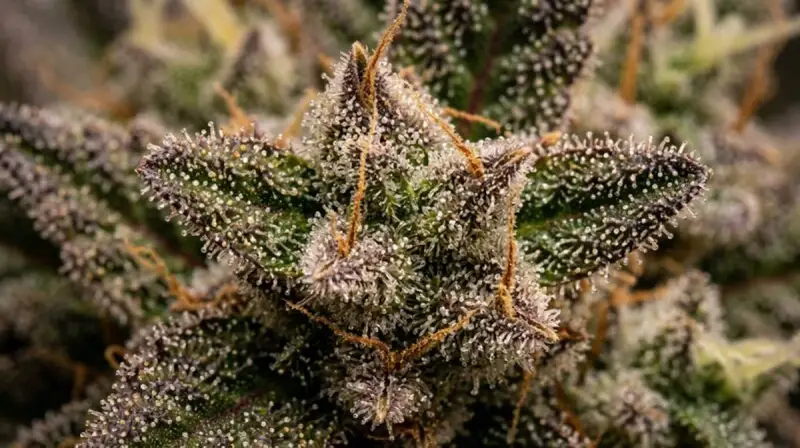









- Silver Haze × Lemon Skunk cross — combining the classic haze genetic backbone with the terpinolene-forward lemon citrus character of Lemon Skunk.
- Sativa-dominant (80/20) with THC 17–21% — potent but smooth, with a terpinolene-forward profile that minimises anxiety and maintains functional alertness.
- Dominant terpene terpinolene creates the distinctive fresh pine-and-lemon aroma and drives the uplifting, creative, social effect quality.
- Below-average myrcene concentration is the key differentiator — most sativa strains with this THC range produce more sedation due to higher myrcene; Lemon Haze maintains alertness throughout.
- Strong citrus aroma during cultivation makes carbon filtration essential — the terpinolene-limonene combination generates intense volatile output from week 4 of flower onward.
- Tall sativa structure requires training for indoor cultivation — topping or SCROG is essential to manage height and maximise the 500 g/m² indoor yield potential.
- Excellent outdoor performer in warm climates — the 9–10 week flowering window is manageable for outdoor growers with a long warm season.
Quick-Reference Data
| Attribute | Data |
|---|---|
| Genetics | Silver Haze × Lemon Skunk |
| Type / Ratio | Sativa-dominant hybrid (80% sativa / 20% indica) |
| THC Content | 17–21% |
| CBD Content | <1% |
| Dominant Terpenes | Terpinolene, Myrcene, Beta-Caryophyllene |
| Flowering Time | 9–10 weeks (indoor) |
| Indoor Yield | Up to 500 g/m² with training |
| Outdoor Yield | 500+ g per plant in warm climates |
| Difficulty | Intermediate (height management required) |
Genetics & Origin
Lemon Haze is a sativa-dominant cross of Silver Haze and Lemon Skunk. Silver Haze — itself a Haze × Northern Lights × Skunk hybrid developed by Sensi Seeds and Sam the Skunkman in the 1980s — contributes the characteristic cerebral haze effect quality: the soaring, electric mental stimulation associated with the original Haze genetics combined with improved yield and a more manageable flowering time than pure Haze landraces.
Lemon Skunk, a phenotype-selected cross of two distinct Skunk phenotypes both expressing strong lemon character, contributes the dominant terpene signature. The terpinolene-forward, limonene-rich terpene profile of Lemon Skunk combined with the Silver Haze backbone produces a strain that emphasises the citrus element while preserving the uplifting haze effect quality.
Lemon Haze occupies a specific position among the broader family of lemon-forward cannabis strains. It is distinct from Super Lemon Haze (Lemon Skunk × Haze, from Green House Seeds) and Lemon Kush (various indica-leaning crosses). Lemon Haze’s Silver Haze heritage gives it a more rounded haze-terpene backdrop behind the lemon character, creating a more complex and layered aroma than strains using pure Haze varieties. Super Lemon Haze’s multiple Cannabis Cup wins gave it greater name recognition, but Lemon Haze is widely regarded as equally valid and sometimes preferred for its more accessible effect profile.
Terpene Chemistry: Terpinolene vs. Other Lemon Strains
The most technically important feature of Lemon Haze’s effect profile is what it does not have in abundance — myrcene. Most high-THC cannabis strains are myrcene-dominant, which is strongly correlated with sedating, couch-lock-leaning effects. Lemon Haze’s terpinolene-forward profile, with myrcene playing a secondary rather than dominant role, is the primary reason it remains functional and alert-feeling despite a significant 17–21% THC range.
| Terpene | Aroma | Effect Contribution | Notes |
|---|---|---|---|
| Terpinolene | Fresh pine, lemon peel, floral | Uplifting, clear-headed stimulation; classic haze “electric” quality | Dominant — drives daytime functionality |
| Myrcene | Earthy, musky (secondary) | Potentiates THC; at secondary concentrations softens without sedating | Below average vs. typical high-THC strains |
| Beta-Caryophyllene | Peppery, woody | CB2 activity; mild anti-inflammatory; adds depth to the earthy base | Secondary |
| Limonene | Strong lemon, citrus, zesty | Mood elevation; anti-anxiety; amplifies terpinolene’s uplifting quality | Prominent in cured flower |
| Linalool | Floral, lavender, sweet | Calming synergy; moderates any anxiety in the THC experience | Trace |
The terpinolene-limonene combination creates a synergistic uplifting effect that distinguishes Lemon Haze from indica-leaning strains in the lemon flavour category. Limonene — with well-documented mood-elevating properties — amplifies terpinolene’s stimulating quality rather than balancing it with sedation. The result is a smooth, functional high that elevates mood and focus without producing the heavy body weight that would make daytime use impractical.
Effects: Uplifting Creative Daytime High
Onset — 0 to 10 Minutes
Lemon Haze delivers a clean, bright cerebral onset. Within 5 to 10 minutes, a mood elevation begins accompanied by heightened sensory clarity — colours sharpen slightly, music sounds more engaging, and creative associations flow more readily. The onset lacks the aggressive intensity of some high-THC sativas; it arrives smoothly and builds gradually.
Peak — 15 to 90 Minutes
The peak phase is characterised by sustained euphoria, creative energy, and social ease. Lemon Haze at its peak is a social strain — conversation flows naturally, ideas connect readily, and the general mood is optimistic and engaged. Unlike many sativa-dominant strains, the risk of anxiety or racing thoughts is relatively low, primarily because the terpinolene-forward profile and below-average myrcene content create a smooth, manageable experience. Creative work — writing, brainstorming, artistic projects — is frequently cited as the optimal activity during the Lemon Haze peak.
Tail — 90 Minutes to 3 Hours
Lemon Haze has a characteristically clean comedown. Effects taper gradually into a mild, comfortable relaxation without the sharp mood drop or grogginess common in heavier hybrids. Most users return to functional baseline within 2 to 3 hours of initial consumption, making it practical for afternoon use with evening plans or morning use with a productive day ahead.
Medical & Therapeutic Applications
- Depression: Sustained mood elevation and energising quality are well-matched to the symptom profile of depression — particularly the motivational deficit and anhedonia. Many medical consumers use Lemon Haze for morning or afternoon depression management.
- Stress and mental fatigue: The terpinolene-limonene combination is reliably effective at displacing stress-related thought patterns and restoring a sense of engagement and enthusiasm.
- Social anxiety: The social-ease quality of the peak phase makes Lemon Haze one of the more useful strains for managing social anxiety. The lack of heavy sedation means it does not suppress social drive — it modulates the anxious component while preserving outgoing energy.
- Fatigue: Energy restoration without the intensity of pure stimulant sativas makes it useful for managing chronic fatigue during functional hours.
- Mild to moderate anxiety (daytime): Linalool trace content and the myrcene-moderated terpene profile keep the high smooth enough for anxiety management at low doses. Not recommended at high doses for anxiety-sensitive individuals due to THC potency.
Flavour & Aroma Profile
Lemon Haze is one of the most aromatically expressive cannabis strains available. The terpinolene-limonene combination generates a volatile, intensely citrus-forward scent detectable from distance during grow and after cure. Strong lemon citrus dominates — fresh, zesty, bright lemon peel rather than lemon candy or artificial citrus. The Silver Haze heritage contributes a complex, slightly floral and earthy haze backdrop beneath the citrus. Sweet pine from terpinolene adds depth beyond simple lemon, and an earthy base from myrcene and caryophyllene grounds the profile. On combustion or vaporisation (185–195°C recommended), the lemon note is forward and immediate, with haze complexity becoming more apparent on exhale.
Growing Lemon Haze
| Factor | Indoor | Outdoor |
|---|---|---|
| Flowering Time | 9–10 weeks | Late October (long warm season required) |
| Yield | Up to 500 g/m² (training essential) | 500+ g per plant in warm climates |
| Height | 120–180 cm (topping/SCROG essential) | 180–250 cm |
| Difficulty | Intermediate (height management) | Intermediate to Advanced (long season) |
| Climate | Warm 22–27°C; good airflow for height | Mediterranean, subtropical; needs long warm autumn |
| Odour | Very high — carbon filter non-negotiable from week 4 | Highly aromatic in final 3 weeks |
Height Management — The Primary Challenge
Lemon Haze’s sativa genetics produce significant vertical stretch, particularly in the first two to three weeks of flowering. Without training, indoor plants can reach 150–180 cm or more. Topping once or twice during vegetative growth and implementing a SCROG net are the two most effective strategies for managing height while simultaneously improving canopy light penetration and yield. Flipping to 12/12 when plants are 40–50 cm tall typically results in a final height of 120–160 cm under a standard 2.4m ceiling.
Yield and Lighting
The 500 g/m² indoor yield potential is achievable under optimised conditions: strong LED or HPS lighting (600W per m² minimum), proper SCROG training, stable temperature at 22–26°C, and consistent 45–50% humidity management through flowering. Without training, yield falls significantly — the genetics are productive but require the work of canopy management to realise their potential.
Odour Management
Lemon Haze is extraordinarily aromatic during the final three to four weeks of flowering. The terpinolene-limonene combination generates an intense, strongly citrus-forward volatile output that is noticeable at distance. Carbon filtration rated for at least 1.5× the grow space’s cubic metre volume is non-negotiable for any grower concerned with odour control. Outdoors, Lemon Haze excels in climates with long, warm summers and dry autumns — the extended flowering window means harvests typically fall in late October in Northern Hemisphere temperate climates.
Lemon Haze vs. Similar Sativa-Dominant Strains
| Strain | Type | THC | Key Difference |
|---|---|---|---|
| Super Lemon Haze | Sativa-dominant | 20–25% | Stronger, more intense lemon aroma; slightly higher THC; multiple Cannabis Cup winner |
| Lemon Kush | Hybrid (indica-leaning) | 18–22% | More balanced; Kush genetics add body effect; less purely uplifting |
| Durban Poison | Pure sativa | 20–25% | Also terpinolene-dominant; more intense stimulation; anise-sweet rather than lemon character |
| AK-47 | Hybrid (65/35 sativa) | 20–22% | More earthy-skunky aroma; myrcene-dominant vs terpinolene; more body relaxation |
Drug Test Detection Windows
| Test Type | Casual Use | Regular Use | Heavy Use |
|---|---|---|---|
| Urine | 3–4 days | 7–14 days | Up to 30 days |
| Blood | 12–24 hours | 2–3 days | Up to 7 days |
| Saliva | 24–48 hours | 1–3 days | Up to 3 days |
| Hair follicle | Up to 90 days | Up to 90 days | Up to 90 days |
Detection windows are general estimates from published pharmacokinetic research. Individual factors — metabolism, body fat percentage, hydration, and frequency of use — significantly affect actual detection times. Not medical or legal advice.
Frequently Asked Questions
Related Strains
- Super Lemon Haze — Award-winning lemon sativa with stronger citrus intensity
- Durban Poison — Pure sativa landrace with terpinolene-dominant uplifting profile
- Lemon Kush — Indica-hybrid with lemon terpenes and more body relaxation
- AK-47 — Earthy sativa-dominant hybrid with multi-landrace genetics
- Jack Herer — Sativa-dominant hybrid with spicy pine-haze character