
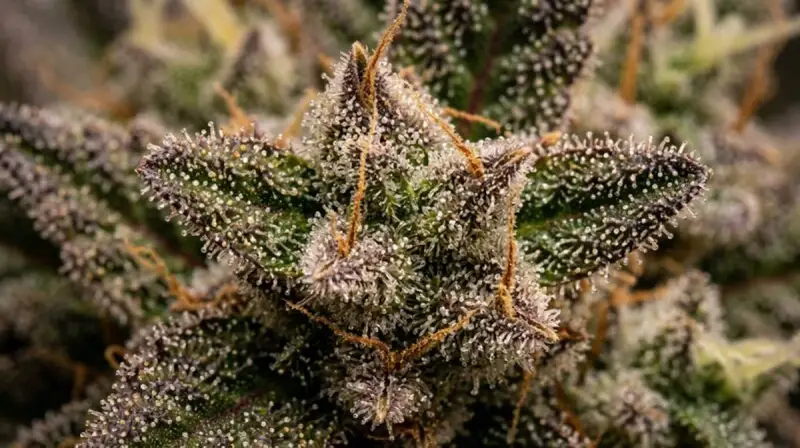
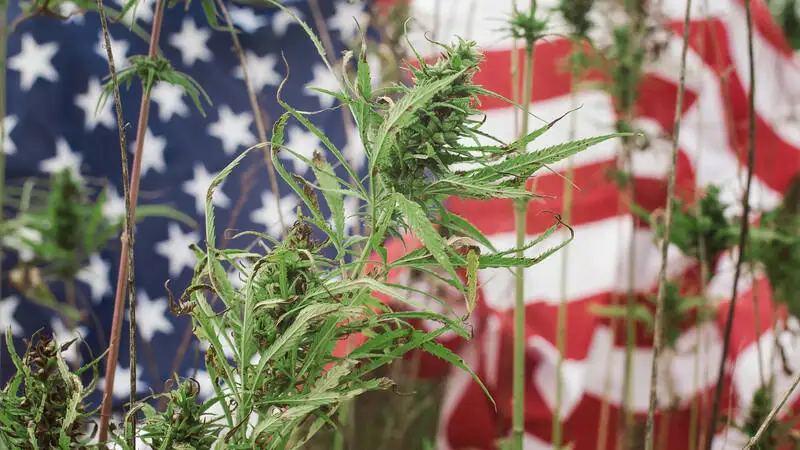
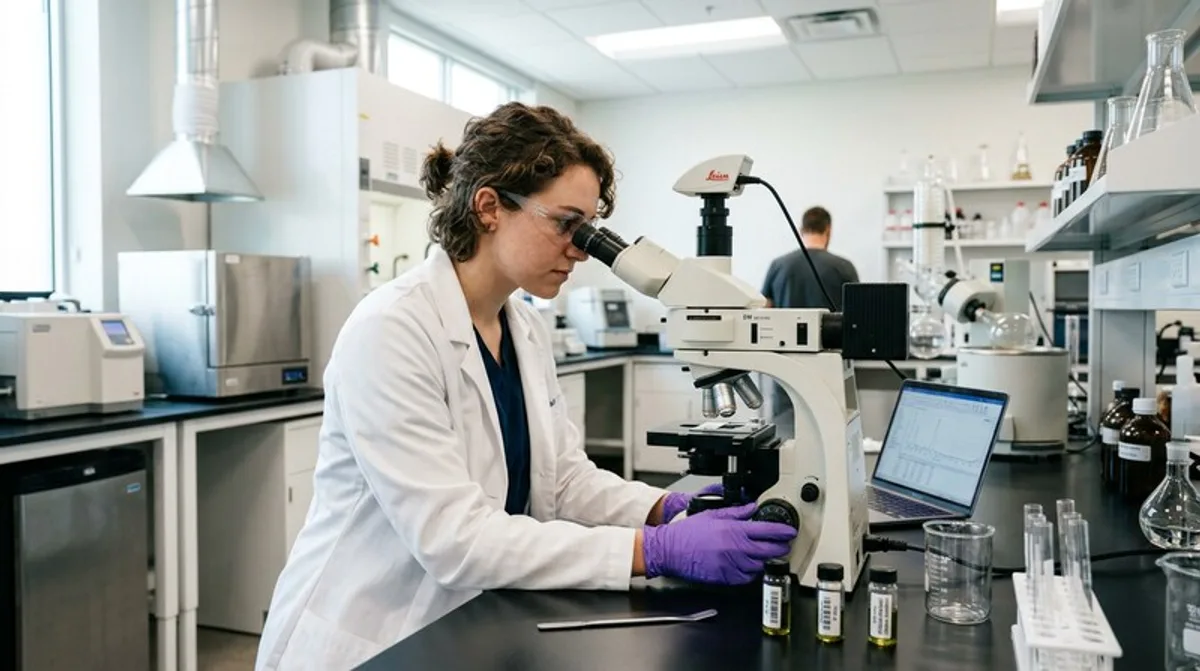






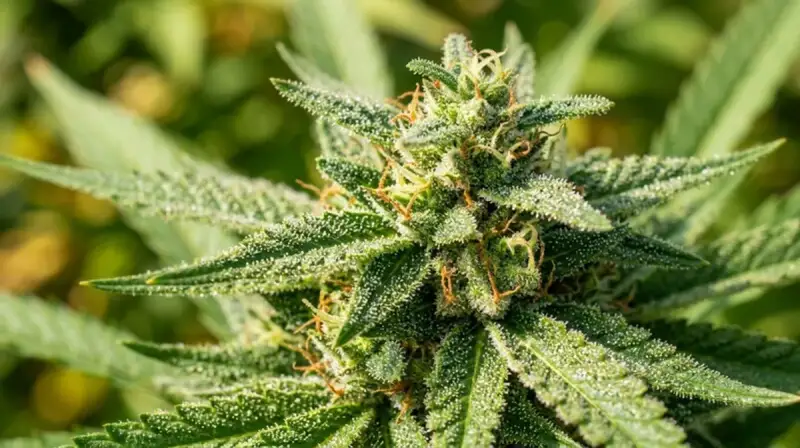
- Created by breeder Capulator: Alien Cookies F2 × (Columbian × Starfighter), true 50/50 balanced hybrid
- THC: 20–23%; CBD under 1%; primary terpenes: limonene, caryophyllene, myrcene
- Effects: euphoric head high with functional body relaxation — well-balanced without heavy sedation
- Exceptional kief and resin production — one of the top strains for concentrate production
- Medical: anxiety, depression, stress, and mild pain management
- Flavor: sour citrus, floral gas, with a creamy smooth finish on exhale
- Flowering: 9–10 weeks; moderate-to-difficult grow; MAC 1 phenotype is the premium selection
Strain Quick-Reference
| Genetics | Alien Cookies F2 × (Columbian × Starfighter) |
| Breeder | Capulator |
| Type | Balanced Hybrid (50/50) |
| THC | 20–23% |
| CBD | <1% |
| Primary Terpenes | Limonene, Caryophyllene, Myrcene |
| Flowering Time | 63–70 days (9–10 weeks) |
| Indoor Yield | 350–450 g/m² |
| Grow Difficulty | Moderate–Difficult |
Genetics, Lineage & Capulator’s Creation
MAC (Miracle Alien Cookies) was developed by the underground breeder known as Capulator, who spent years selecting and stabilizing this unique three-way cross. The base genetics combine Alien Cookies F2 — itself a cross of GSC and Alien Dawg — with a hybrid of Columbian (a South American landrace sativa) and Starfighter (an indica-dominant hybrid).
The Columbian landrace input is important and often overlooked. It introduces an old-school cerebral sativa quality that modern hybrids frequently lack — a clean, functional head high that does not collapse into sedation. Starfighter brings indica structure to the buds: dense, heavy, and frost-covered.
Alien Cookies F2 — the dominant parent — contributes the complex cookie-and-gas aroma base and the resinous bud architecture that MAC is famous for. Capulator’s genius was recognizing that the Columbian landrace could balance the otherwise heavy indica lean of Alien Cookies with sustained cerebral energy.
The MAC 1 designation refers to a specific phenotype selected by Capulator for exceptional consistency in terpene expression, resin production, and effect profile. MAC 1 seeds and clones are generally considered the premium expression of the MAC genetic line and are priced accordingly in dispensary markets.
Effects & Experience
MAC delivers one of the most balanced effect profiles in the hybrid category. The 50/50 genetic split is reflected in the experience: neither a pure head high nor a body-heavy sedation, but a simultaneous activation of both.
Onset (0–10 Minutes)
A wave of euphoria arrives quickly, typically within five to eight minutes of inhalation. The cerebral lift is described as clear and functional — improved mood and focus rather than a racing, disorienting head rush. Creative thinking becomes easier.
Peak (15–75 Minutes)
The peak phase deepens both the mental stimulation and the body component. A gentle physical warmth spreads through the muscles without causing couch-lock. This balance makes MAC one of the more versatile strains in the dispensary market — appropriate for social settings, collaborative creative work, moderate outdoor activity, and focused productivity.
Tail (75–150 Minutes)
As the effects taper, the cerebral stimulation softens first, leaving a calm, pleasant body relaxation. Most users report no crash or grogginess. The comedown is smooth, making MAC suitable for extended daytime sessions without significant afternoon fatigue.
Medical Applications
MAC is frequently selected by medical cannabis patients who need symptom relief without sacrificing functional capacity. Its balanced profile makes it one of the most versatile medical options in the hybrid category.
| Condition | Mechanism | Notes |
|---|---|---|
| Anxiety | Caryophyllene CB2 binding; limonene serotonergic activity | Low-to-moderate dose; high doses can increase anxiety |
| Depression | Limonene and euphoric THC effect profile | Uplifting; suitable for daytime mood management |
| Stress | Full-body relaxation without sedation; caryophyllene | One of the stronger stress-relief hybrids |
| Mild Pain | Myrcene potentiates analgesic effect; body relaxation component | Better for tension/headache than severe chronic pain |
Flavor & Aroma Profile
MAC’s aroma is complex and distinctive: a combination of sour citrus peel, light floral notes, and a diesel-gas base that gives it a depth uncommon in most hybrid strains. The finish on exhale is notably creamy and smooth, a characteristic attributed to the Alien Cookies cookie-base genetics.
| Terpene | Aroma | Effect Role |
|---|---|---|
| Limonene | Citrus, lemon peel, bright | Mood elevation; the driver of MAC’s uplifting character |
| Caryophyllene | Spicy, pepper, gas | CB2 agonist; anti-inflammatory; stress reduction |
| Myrcene | Earthy, herbal, mango | THC potentiator; contributes body relaxation component |
Well-cured MAC buds produce a strong first impression: sour lemon citrus with an unmistakable gassy undercurrent. Breaking or grinding the buds releases more of the floral and earthy myrcene notes. The smoke and vapor are considerably smoother than the sharp aroma suggests, finishing with a creamy, mildly sweet aftertaste.
Growing MAC
MAC is one of the more demanding strains to grow well, but the reward — dense, heavily frosted buds with exceptional kief production — justifies the effort for experienced cultivators. The dense bud structure that makes MAC so visually impressive is also its primary vulnerability: humidity control in the final weeks of flowering is non-negotiable.
| Factor | Indoor | Outdoor |
|---|---|---|
| Flowering Time | 63–70 days | Mid-to-late October |
| Yield | 350–450 g/m² | 400–600 g/plant |
| Height (indoor) | 60–100 cm | 100–160 cm |
| Difficulty | Moderate–Difficult | Moderate |
| Late Flower RH | 40–45% maximum | Dry climate preferred |
| Training | LST, SCROG, or topping | Natural or light LST |
Indoor growers using SCROG (screen of green) achieve the best results with MAC by maximizing canopy coverage and ensuring even light distribution to all bud sites. Without training, MAC tends to produce a dominant main cola with less-developed lateral branching. LST applied during the second and third weeks of veg produces a more even canopy and improves yields by 20–30%.
MAC’s kief production is among the highest of any commercially available strain. Dry sift collected from trim runs and grinder buildup from MAC is noticeably more abundant than most strains, making it a preferred choice for hash and concentrate producers.
MAC vs. Similar Strains
| Strain | Type | THC | Key Difference |
|---|---|---|---|
| MAC 1 | Hybrid | 21–24% | Pheno-selected MAC; more uniform; premium dispensary cut |
| Alien Cookies | Hybrid | 18–21% | Heavier indica lean; more sedating tail; parent of MAC |
| Gelato | Hybrid | 20–25% | Sweeter dessert flavor; slightly more body-heavy |
| Wedding Cake | Hybrid | 22–25% | Higher average THC; more pronounced sedation; vanilla-sweet |
Related Strains
- MAC 1 — The refined pheno-selected version of MAC
- Alien Cookies — MAC’s primary parent; heavier and more sedating
- Gelato — Similar balance of cerebral lift and body effect
- Wedding Cake — Comparable THC, sweeter profile, more indica lean
- Mimosa — Another top-tier dispensary hybrid with uplifting citrus character
Drug Test Detection Windows
Cannabis metabolites from any strain including this one are stored in body fat and released gradually. Detection windows depend primarily on frequency of use, body composition, metabolism, and individual physiology.
| Test Type | Occasional Use | Daily Use | Notes |
|---|---|---|---|
| Urine | 3–7 days | Up to 30 days | Most common workplace test; detects THC-COOH metabolite |
| Blood | Up to 24 hours | Up to 7 days | Active THC clears fastest; used in roadside testing |
| Saliva | 24–48 hours | Up to 72 hours | Common roadside test; window shorter than urine |
| Hair | Potentially detectable | Up to 90 days | 1.5-inch sample covers ~90 days of growth |
THC potency does not directly extend detection windows. A single session with this high-THC strain is not detectably different from a lower-THC strain after 48 hours in urine. Frequency is the primary variable. See our full drug test guide for comprehensive testing information.
Cannabinoid & Terpene Synergy
The effects of any cannabis strain are not produced by THC alone. The entourage effect describes how cannabinoids (THC, CBD, CBG, CBN) and terpenes interact synergistically to modulate the overall experience. Understanding this helps explain why two strains with identical THC percentages can feel completely different.
- Myrcene + THC: Myrcene increases blood-brain barrier permeability, potentiating THC uptake and enhancing body relaxation. High-myrcene strains feel heavier than their THC% suggests.
- Caryophyllene + THC: Caryophyllene’s CB2 binding adds an anti-inflammatory layer to the experience and can reduce anxiety by modulating the endocannabinoid system independently of CB1.
- Limonene/Terpinolene + THC: Mood-elevating terpenes counterbalance the sedative tendency of high myrcene, producing the uplifting character in sativa-dominant and balanced hybrids.
- CBD + THC: Even trace amounts of CBD (0.1–0.5%) can attenuate THC-induced anxiety by partial CB1 antagonism. This is part of why full-spectrum products behave differently than pure THC isolates.
Explore Cannabis Strain Comparisons
Compare this strain side-by-side with others in our database to understand how genetics, terpene profile, and effect duration differ across varieties.
- Full Strain Comparison Tool — Side-by-side comparison for any two strains
- Effects Database — Find strains by specific effect profile
- Terpene Guide — Understand how individual terpenes shape the experience
- Growing Guides — Detailed cultivation resources for every skill level
- Medical Cannabis Guide — Condition-specific strain recommendations
Drug Test Detection Windows
Cannabis metabolites from any strain including this one are stored in body fat and released gradually. Detection windows depend primarily on frequency of use, body composition, metabolism, and individual physiology.
| Test Type | Occasional Use | Daily Use | Notes |
|---|---|---|---|
| Urine | 3–7 days | Up to 30 days | Most common workplace test; detects THC-COOH metabolite |
| Blood | Up to 24 hours | Up to 7 days | Active THC clears fastest; used in roadside testing |
| Saliva | 24–48 hours | Up to 72 hours | Common roadside test; window shorter than urine |
| Hair | Potentially detectable | Up to 90 days | 1.5-inch sample covers ~90 days of growth |
THC potency does not directly extend detection windows. A single session with this high-THC strain is not detectably different from a lower-THC strain after 48 hours in urine. Frequency is the primary variable. See our full drug test guide for comprehensive testing information.
Cannabinoid & Terpene Synergy
The effects of any cannabis strain are not produced by THC alone. The entourage effect describes how cannabinoids (THC, CBD, CBG, CBN) and terpenes interact synergistically to modulate the overall experience. Understanding this helps explain why two strains with identical THC percentages can feel completely different.
- Myrcene + THC: Myrcene increases blood-brain barrier permeability, potentiating THC uptake and enhancing body relaxation. High-myrcene strains feel heavier than their THC% suggests.
- Caryophyllene + THC: Caryophyllene’s CB2 binding adds an anti-inflammatory layer to the experience and can reduce anxiety by modulating the endocannabinoid system independently of CB1.
- Limonene/Terpinolene + THC: Mood-elevating terpenes counterbalance the sedative tendency of high myrcene, producing the uplifting character in sativa-dominant and balanced hybrids.
- CBD + THC: Even trace amounts of CBD (0.1–0.5%) can attenuate THC-induced anxiety by partial CB1 antagonism. This is part of why full-spectrum products behave differently than pure THC isolates.
Explore Cannabis Strain Comparisons
Compare this strain side-by-side with others in our database to understand how genetics, terpene profile, and effect duration differ across varieties.
- Full Strain Comparison Tool — Side-by-side comparison for any two strains
- Effects Database — Find strains by specific effect profile
- Terpene Guide — Understand how individual terpenes shape the experience
- Growing Guides — Detailed cultivation resources for every skill level
- Medical Cannabis Guide — Condition-specific strain recommendations
Drug Test Detection Windows
Cannabis metabolites from any strain including this one are stored in body fat and released gradually. Detection windows depend primarily on frequency of use, body composition, metabolism, and individual physiology.
| Test Type | Occasional Use | Daily Use | Notes |
|---|---|---|---|
| Urine | 3–7 days | Up to 30 days | Most common workplace test; detects THC-COOH metabolite |
| Blood | Up to 24 hours | Up to 7 days | Active THC clears fastest; used in roadside testing |
| Saliva | 24–48 hours | Up to 72 hours | Common roadside test; window shorter than urine |
| Hair | Potentially detectable | Up to 90 days | 1.5-inch sample covers ~90 days of growth |
THC potency does not directly extend detection windows. A single session with this high-THC strain is not detectably different from a lower-THC strain after 48 hours in urine. Frequency is the primary variable. See our full drug test guide for comprehensive testing information.
Cannabinoid & Terpene Synergy
The effects of any cannabis strain are not produced by THC alone. The entourage effect describes how cannabinoids (THC, CBD, CBG, CBN) and terpenes interact synergistically to modulate the overall experience. Understanding this helps explain why two strains with identical THC percentages can feel completely different.
- Myrcene + THC: Myrcene increases blood-brain barrier permeability, potentiating THC uptake and enhancing body relaxation. High-myrcene strains feel heavier than their THC% suggests.
- Caryophyllene + THC: Caryophyllene’s CB2 binding adds an anti-inflammatory layer to the experience and can reduce anxiety by modulating the endocannabinoid system independently of CB1.
- Limonene/Terpinolene + THC: Mood-elevating terpenes counterbalance the sedative tendency of high myrcene, producing the uplifting character in sativa-dominant and balanced hybrids.
- CBD + THC: Even trace amounts of CBD (0.1–0.5%) can attenuate THC-induced anxiety by partial CB1 antagonism. This is part of why full-spectrum products behave differently than pure THC isolates.
Explore Cannabis Strain Comparisons
Compare this strain side-by-side with others in our database to understand how genetics, terpene profile, and effect duration differ across varieties.
- Full Strain Comparison Tool — Side-by-side comparison for any two strains
- Effects Database — Find strains by specific effect profile
- Terpene Guide — Understand how individual terpenes shape the experience
- Growing Guides — Detailed cultivation resources for every skill level
- Medical Cannabis Guide — Condition-specific strain recommendations
Jordan Price has spent over a decade working with licensed cultivators across California and Colorado, specializing in terpene-forward genetics and indoor production optimization.