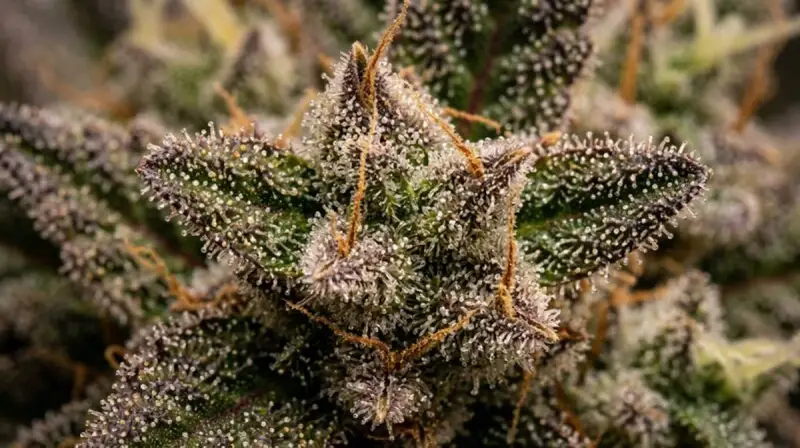
The rare OGKB phenotype — dense trichomes, deep earthy hash, and a profoundly relaxing body high.
Key Findings: OG Kush Breath at a Glance
Type Indica
THC 20 – 24%
CBD < 0.5%
Flowering 56 – 63 days
Yield (indoor) 350 – 450 g/m²
Top Terpenes Myrcene, Limonene, Caryophyllene
Aroma Earthy, Pine, Hash, Kush
Best For Relaxation, Sleep, Pain
Overview: Genetics & Lineage
OG Kush Breath — universally shortened to OGKB — is one of the most storied rare phenotypes in modern cannabis breeding. It originates from a specific cutting of OG Kush that was selected by California breeders who noticed an anomalous expression: unusually compact, resin-drenched buds with a fragrance profile that leaned far deeper into the hash and earth territory than the typical lemon-fuel OG profile most cultivators were chasing.
Genetically, OGKB traces back to the classic OG Kush lineage, which itself is widely believed to be a cross of Chemdawg 91 and a Hindu Kush or Pakistani Kush landrace — though the exact parentage of OG Kush remains one of cannabis culture's most debated mysteries. What makes OGKB distinct is the phenotypic expression: this particular selection emphasizes the indica-heritage traits of OG Kush far more than its sativa components. The result is a compact plant architecture, a shorter flowering window, and a terpene profile anchored by high myrcene content.
OGKB gained legendary status in the breeding community as a founding parent. It is the maternal or paternal genetic behind strains such as Gelato, Wedding Cake, and several Cookies-family hybrids, making it one of the most influential phenotypes in the last decade of cannabis hybridization. Collectors and breeders actively seek OGKB cuts, and authentic genetics remain relatively scarce outside of California's established cultivation circles. Understanding OGKB means understanding the roots of a significant branch of modern premium cannabis.
Cannabinoid & Terpene Profile
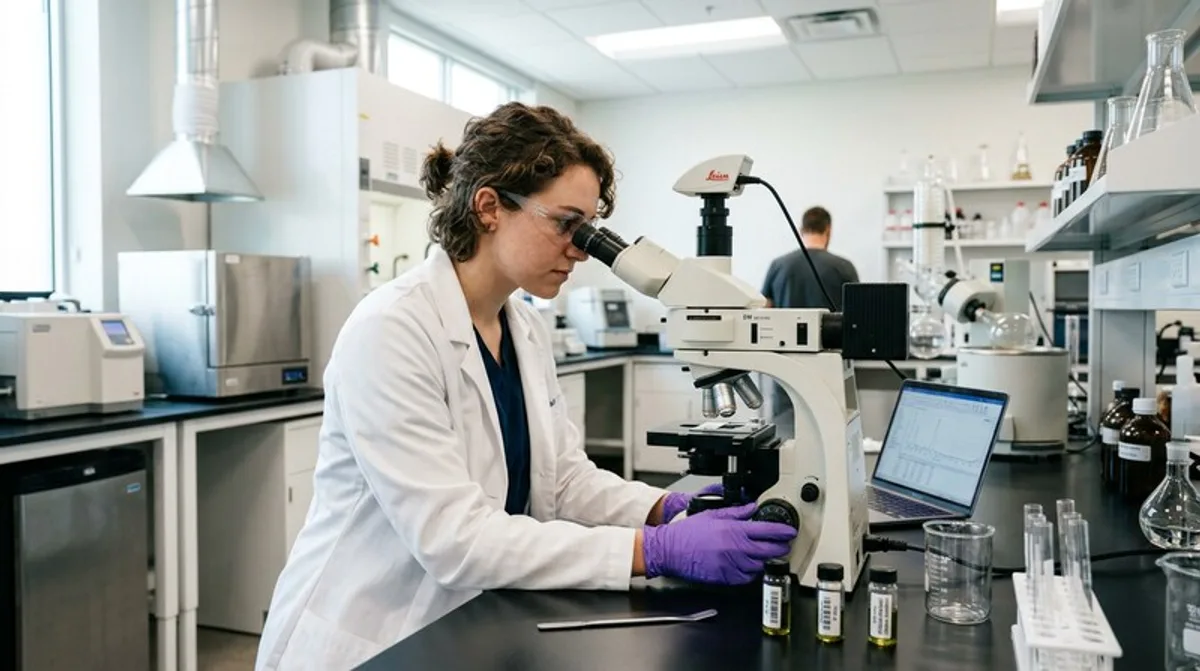
OGKB delivers a robust cannabinoid profile anchored by its high THC concentration. Below is a representative analytical breakdown based on laboratory testing data from multiple cultivars of this strain:
Compound
Typical Range
Effect Contribution
THC (Delta-9)
20 – 24%
Primary psychoactive, body relaxation, euphoria
CBD
< 0.5%
Minimal modulation; does not significantly alter THC effect
CBG
0.3 – 0.8%
May enhance anti-inflammatory and focus properties
The high myrcene concentration is the biochemical key to OGKB's reputation as a powerful body-relaxing indica. Myrcene is understood to increase the permeability of the blood-brain barrier, potentially amplifying the uptake of THC and producing a faster, more intense effect onset than its cannabinoid percentage alone might suggest. The caryophyllene content is clinically interesting because beta-caryophyllene is the only terpene known to directly bind to the endocannabinoid system's CB2 receptors, contributing anti-inflammatory activity independent of psychoactivity.
Effects & Experience
The OG Kush Breath experience is distinctly indica in character — but it is the quality and depth of that body effect that sets it apart from standard OG Kush cuts. The onset typically begins 5 to 15 minutes after consumption with a gentle cerebral warmth that spreads behind the eyes and into the temples. This is not a racy, idea-generating sativa effect; it is a soft mental quieting that clears the mental noise of the day without imposing a foggy disconnection.
Over the following 20 to 30 minutes, the body effect progressively deepens. Muscle tension releases from the neck and shoulders downward, and users consistently report a heavy, comfortable sinking sensation. At higher doses — above 0.3 grams in a single session for moderate-tolerance users — OGKB reliably produces couch-lock accompanied by drowsiness. This is not the chaotic, anxious sedation that some high-THC strains produce; it is a clean, progressive deepening of relaxation that most users find deeply pleasurable.
The euphoric component of OGKB is present but subdued compared to more sativa-leaning OG expressions. Mood is lifted, social inhibitions mellow, and there is a general sense of contentment. The duration of primary effects typically runs 2.5 to 3.5 hours depending on tolerance and consumption method. A residual drowsy aftereffect lasting 1 to 2 additional hours is common, making evening the overwhelmingly preferred time for most consumers who use OGKB.
Potential adverse effects include dry eyes, dry mouth, and — at high doses especially in inexperienced users — temporary paranoia or anxiety. Starting with a small amount and waiting for the full onset before re-dosing is the standard recommendation.
Flavor & Aroma
OGKB's aroma is immediately distinguishable from the broader OG Kush family by the profound depth of its earthiness. Where classic OG Kush leads with bright lemon and fuel, OGKB opens with dark, damp earth — the kind that evokes freshly turned soil in a pine forest after rain. This is the myrcene signature at its most expressive.
Beneath that earthy foundation lies a rich hash note that experienced cannabis consumers immediately associate with Kush landraces from Afghanistan and the Hindu Kush mountain range. There is a resinous, almost incense-like quality that becomes more pronounced when the bud is broken apart. Fresh pine resin provides a green, slightly sharp counterpoint that lifts the heavy earthiness just enough to keep the profile from feeling one-dimensional.
On the palate, the smoke or vapor is smooth and full. The earthy-pine notes carry through faithfully, and there is a lingering kushy sweetness on the exhale that coats the palate. The aftertaste is hash and light spice — caryophyllene's contribution — and it persists pleasantly for several minutes. OGKB is generally considered a connoisseur aroma profile: not the fruit-forward sweetness that appeals to newer consumers, but deeply satisfying for those who appreciate classic Kush expressions.
Medical & Therapeutic Applications
OGKB's combination of high THC, dominant myrcene, and significant caryophyllene content makes it a candidate for several therapeutic applications. The following represent commonly reported uses within the medical cannabis community:
Chronic Pain Management: The deep body relaxation and anti-inflammatory terpene profile make OGKB effective for chronic musculoskeletal pain, arthritis discomfort, and nerve pain. Patients report that OGKB addresses pain at a physical level more completely than many sativa-dominant options.
Insomnia & Sleep Disorders: OGKB is frequently the top recommendation for patients struggling with sleep onset and sleep maintenance insomnia. Its sedating myrcene profile combined with high THC consistently produces drowsiness sufficient to assist in sleep initiation within an hour of consumption.
Muscle Spasms & Tension: Multiple sclerosis patients and those with tension-related muscle disorders report significant relief from the pronounced muscle-relaxant effect. The body high produced by OGKB is specifically effective at relieving the involuntary muscle tightness associated with spasticity conditions.
Anxiety & Stress Relief: At moderate doses, OGKB's quieting mental effect can significantly reduce generalized anxiety and stress. However, clinicians typically caution anxiety patients against high doses due to the potential for THC-induced anxiety amplification at very elevated blood concentrations.
Appetite Stimulation: Like most myrcene-dominant indicas, OGKB reliably stimulates appetite. This is beneficial for patients undergoing chemotherapy, those with eating disorders, and patients with wasting conditions associated with HIV/AIDS or cancer treatment.
Nausea: The antiemetic properties associated with cannabinoids generally, and with indica-dominant profiles specifically, make OGKB potentially useful for chemotherapy-induced nausea and general nausea disorders.
Patients using cannabis therapeutically should consult with a cannabis-knowledgeable healthcare provider before beginning treatment and should track their dosing and response in a consumption journal to identify their personal optimal dose window.
Growing OG Kush Breath
OGKB is considered a moderately challenging strain to cultivate. It rewards experienced growers with outstanding quality but can frustrate beginners due to its particular environmental preferences and its sensitivity to humidity and overfeeding. Here is a comprehensive cultivation breakdown:
Plant Structure & Growth Pattern
OGKB grows with a classic indica structure: compact, bushy, and wide rather than tall. Plants typically reach 60 to 90 cm indoors and rarely exceed 120 cm even outdoors. The branching is lateral and dense, which means the canopy can become crowded quickly. This makes training techniques particularly valuable.
Screen of Green (SCROG) is the most popular technique with OGKB because it takes advantage of the strain's natural branching tendency and spreads multiple bud sites evenly across the canopy for uniform light penetration. Low-Stress Training (LST) is also effective and is the preferred technique for less experienced growers since it involves no cutting. Top-Heavy training should be used cautiously — OGKB's dense colas can become top-heavy and branch breakage is a risk without appropriate support structures.
Key Cultivation Parameters
Parameter
Indoor
Outdoor
Flowering Time
56 – 63 days
Mid-October harvest
Yield
350 – 450 g/m²
250 – 400 g/plant
Optimal Temp (Day)
22 – 26°C
20 – 28°C
Optimal Temp (Night)
18 – 21°C
14 – 20°C
Humidity (Veg)
50 – 60% RH
50 – 65% RH
Humidity (Flower)
40 – 50% RH
40 – 55% RH
pH (Soil)
6.0 – 6.8
6.0 – 7.0
pH (Hydro)
5.8 – 6.3
N/A
Nutrients & Feeding
OGKB is relatively sensitive to nutrient excess, particularly nitrogen in the late vegetative and early flowering stages. A nitrogen-heavy feed schedule during the transition to flower can cause "nitrogen toxicity" — characterized by clawing leaves, dark over-green coloration, and ultimately reduced bud development. The recommended approach is to taper nitrogen at the first signs of pre-flower development and shift to a phosphorus and potassium-forward flowering formula.
Cal-Mag (calcium and magnesium) supplementation is beneficial when growing OGKB in RO-filtered water or in soilless media such as coco coir. The strain responds well to humic acid amendments in organic growing setups, which improve mycorhizal activity and terpene expression. Flushing 10 to 14 days before harvest in soil or 7 days in hydro helps clear residual mineral salts and is widely reported to improve the final flavor profile.
Pest & Disease Resistance
OGKB has average resistance to common cannabis pests. It is moderately susceptible to spider mites and aphids in hot, dry conditions, and requires particular vigilance against botrytis (gray mold) during late flowering due to the extreme density of its colas. Preventive airflow management — running oscillating fans directly across the canopy and maintaining 45 to 50% RH during the final two weeks — is the most effective defense against late-flowering botrytis.
Consumption Methods
OGKB performs exceptionally well across multiple consumption modalities. Each method produces a somewhat different experience worth understanding:
Flower (Pipe or Bong): The most common consumption method. Glass pieces that allow the full smoke to be tasted without filtration preserve the earthy pine hash terpene profile most completely. Water filtration reduces throat irritation and is preferred for larger doses.
Joint or Blunt: Joints combusted at relatively low temperature through slow, even burning preserve terpene expression well. Blunts can add tobacco-related flavors that partially obscure OGKB's complex base notes, though many users enjoy the combination.
Dry Herb Vaporizer: Vaporizing OGKB at 185 to 195°C (365–383°F) provides the most terpene-rich expression, capturing both the earthy-pine volatile compounds and the heavier hash notes. The body effect is comparable but often feels slightly cleaner and more gradual compared to combustion.
Concentrate (Rosin, Live Resin): OGKB's high resin production makes it an excellent candidate for solventless extraction. Live rosin preserves the full terpene profile including the volatile myrcene fractions, producing a concentrate that accurately represents the strain's aromatic character at elevated intensity.
Edibles: OGKB's indica-dominant effect is amplified significantly in edible form due to the conversion of THC to 11-hydroxy-THC via hepatic metabolism. Edible doses should be conservative (5 to 10mg for experienced users, 2.5mg for sensitive consumers) and onset should be awaited for 90 minutes before considering re-dosing.
Similar Strains to OG Kush Breath
Consumers who enjoy OGKB tend to appreciate other strains that share its deep earthy-kush character, high potency, and indica-dominant body effect. Recommended alternatives and family relatives include:
SFV OG Kush: A sativa-dominant OG expression from the San Fernando Valley that shares the OG genetic foundation but delivers a more cerebral, energetic effect with brighter lemon-fuel aromatics.
Sin City Kush: A heavy indica with Afghani and OG Kush genetics that matches OGKB's sedative depth and earthy-pine aroma profile. Excellent for sleep applications.
Narcotic Kush: The most sedating strain in this comparison group, featuring a hash-forward profile and THC range that overlaps with OGKB's while extending toward even heavier physical sedation.
Gelato #33: A direct descendant that incorporates OGKB genetics alongside Sunset Sherbet. Gelato #33 demonstrates how the OGKB gene base expresses when crossed with sweeter, more fruit-forward profiles.
Rollex OG Kush: A Canadian OG Kush phenotype that shares OGKB's diesel-earth aroma profile and relaxing body effect while adding its own distinct terpene expression.
Cannabis Cultivation Specialist at ZenWeedGuide. Expert in strain genetics, terpene chemistry, and grow room optimization with 12 years hands-on cultivation experience.
Last reviewed: May 2026
Frequently Asked Questions
What is OG Kush Breath (OGKB)?
OG Kush Breath, commonly abbreviated as OGKB, is a rare indica-dominant phenotype of OG Kush selected for its unusually dense trichome coverage, deep earthy pine and hash aroma, and a profoundly relaxing body effect. It became the genetic foundation for several celebrated hybrid strains including Gelato and Wedding Cake.
How strong is OG Kush Breath?
OG Kush Breath tests between 20 and 24 percent THC with CBD levels typically below 0.5 percent. It is considered a high-potency indica recommended for experienced consumers. The onset is gradual but builds into a deeply sedating full-body effect over 20 to 30 minutes.
How long does OG Kush Breath take to flower?
OG Kush Breath has a flowering period of 56 to 63 days (8 to 9 weeks) when grown indoors under a 12/12 photoperiod. Outdoor harvests typically fall in mid-October in the Northern Hemisphere. The strain is considered moderately challenging and rewards experienced growers.
What terpenes are in OG Kush Breath?
The dominant terpenes in OG Kush Breath are Myrcene, Limonene, and Caryophyllene. The high myrcene concentration drives its characteristic earthy-pine base note and its sedative effect profile. Caryophyllene contributes the peppery hash-like finish and provides CB2-receptor anti-inflammatory activity.