
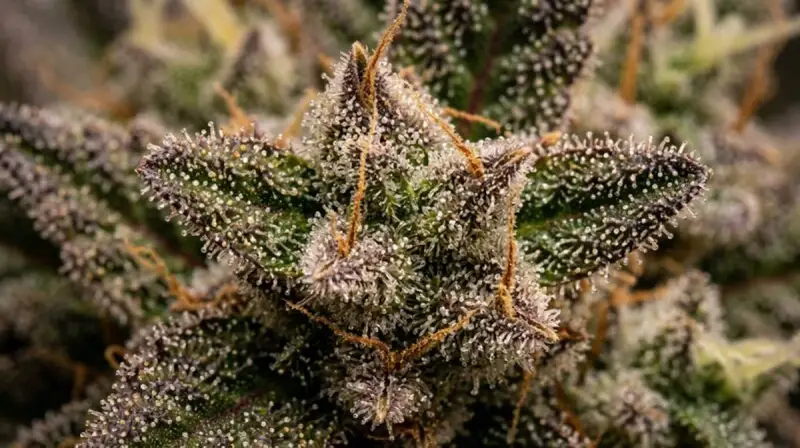









Tahoe OG Kush: The Definitive OG Sedation Experience
Tahoe OG Kush represents one of the most celebrated and most sought-after phenotype selections within the sprawling OG Kush genetic family. Named for its origin in the Lake Tahoe region of the California-Nevada Sierra Nevada — a high-altitude, cold-winter environment that influenced the development of this particular phenotype’s characteristics — Tahoe OG is distinguished by a combination of attributes that few OG cuts match: exceptional speed of onset, powerful physical sedation, high potency, and a deeply satisfying lemon-earth-fuel flavour profile that exemplifies everything that makes OG Kush the most influential American cannabis strain of the modern era.
- Genetics: OG Kush Tahoe cut (phenotype selection, classic OG Kush lineage)
- THC Range: 20–25%
- CBD: <1%
- Top Terpenes: Myrcene, Limonene, Caryophyllene, Pinene
- Aroma: Sharp lemon, pine, earthy fuel, pungent OG base
- Effects: Fast-acting, powerful physical sedation, deep body relaxation, mental quieting
- Medical Uses: Insomnia, severe chronic pain, anxiety, PTSD, muscle spasm
- Growing: Compact OG structure, 8-10 week flower, moderate-advanced difficulty, sensitive to overfeeding
| Attribute | Detail |
|---|---|
| Type | Indica-dominant hybrid (70%+ indica) |
| Genetics | OG Kush — Tahoe phenotype (Lake Tahoe, California/Nevada) |
| THC | 20–25% |
| CBD | <1% |
| Primary Terpenes | Myrcene, Limonene, Caryophyllene, Pinene |
| Aroma & Flavour | Sharp lemon, pine, earthy fuel, pungent OG hash |
| Bud Appearance | Dense, compact OG structure; bright green; thick orange pistils; heavy trichome coat |
| Effects | Fast-acting potent sedation, deep physical relaxation, mental quieting |
| Medical Uses | Insomnia, severe pain, anxiety, PTSD, muscle spasm |
| Flower Time | 8–10 weeks |
| Difficulty | Moderate to advanced |
| Best For | Evening/nighttime use; experienced consumers; medical pain and sleep |
The OG Kush Phenotype Story
To understand Tahoe OG Kush, it is necessary to understand how phenotype selection works within the OG Kush genetic family, because Tahoe OG is not a cross — it is a specific phenotype or “cut” of OG Kush that was selected, preserved, and distributed from its origin in the Lake Tahoe region. The concept of named cuts is fundamental to cannabis connoisseur culture: the same genetic line can produce offspring with meaningfully different characteristics depending on which individual plants are selected for propagation. Over time, specific outstanding individuals are preserved as clones and distributed through grower networks under names that indicate their origin.
OG Kush itself has a disputed but generally accepted origin in the early 1990s California cannabis scene, likely involving Chemdawg genetics combined with Hindu Kush or Lemon Thai from Florida. Whatever its exact origin, OG Kush’s defining characteristics — the lemon-pine-diesel aroma, the deeply physical and euphoric high, the exceptional potency — proved so popular that it became the genetic foundation of a significant fraction of modern American cannabis. Dozens of named OG cuts exist, each representing a specific phenotype selection with particular characteristics.
The Tahoe cut (also known as Tahoe OG, Tahoe OG Kush, and Lake Tahoe OG) was selected in the Lake Tahoe region and is distinguished by its particularly heavy indica effect, fast onset, and prominent lemon-fuel character. The Lake Tahoe environment — high altitude (1,800 metres+), dramatic temperature swings, intense UV radiation, and extended winter cold — may have influenced the development of the Tahoe cut’s characteristics through environmental selection pressure during the plant’s early reproductive cycles in the region, though this remains somewhat speculative. What is documented is the Tahoe cut’s consistent performance characteristics, which have made it one of the most replicated and distributed OG phenotypes in California and beyond.
Cannabinoid and Terpene Profile
Tahoe OG Kush’s terpene profile is the OG Kush signature at its most powerful expression: myrcene-led body sedation, limonene-driven lemon character and mood elevation, pinene-contributed pine freshness and cognitive clarity, and caryophyllene adding spice, depth, and CB2 anti-inflammatory activity.
| Terpene | Aroma Contribution | Effect Role | % Range |
|---|---|---|---|
| Myrcene | Earthy, musky, tropical base | Primary sedation driver; enhances THC permeation; deep muscle relaxation | 0.4–1.0% |
| Limonene | Sharp lemon, citrus, bright | Mood elevation; anxiolytic; produces characteristic OG lemon top note | 0.2–0.6% |
| Caryophyllene | Spicy, peppery, earthy diesel | CB2 anti-inflammatory; stress relief; fuel-diesel aroma contributor | 0.2–0.5% |
| Pinene | Pine, fresh forest | Bronchodilator; memory retention; clarity contribution to OG character | 0.1–0.3% |
| Linalool | Floral, slightly sweet | Anxiolytic; sedation enhancement; smooth effect profile | 0.1–0.2% |
Tahoe OG’s myrcene levels are notably high even within the OG Kush family. This contributes directly to the Tahoe cut’s reputation for faster onset and heavier physical sedation compared to other OG phenotypes. The myrcene-THC interaction — myrcene facilitating THC’s penetration of the blood-brain barrier — means that Tahoe OG’s effects establish more rapidly and with more physical intensity than a comparable THC percentage without elevated myrcene would produce. This is the pharmacological explanation for Tahoe OG’s reputation as a “fast and heavy hitter.”
The balance between the sedating myrcene-THC combination and the mood-elevating, anxiety-reducing limonene creates Tahoe OG’s characteristic effect arc: an initial euphoric, pleasant mood elevation (limonene-driven) that transitions relatively rapidly into deep physical sedation (myrcene-THC) within 30-60 minutes of onset.
Effects: Fast, Heavy, and Deeply Sedating
Tahoe OG Kush’s effect profile is one of the most clearly defined in the indica category. It does not dabble in balanced hybrid territory or equivocate between cerebral stimulation and body relaxation. It is, from onset through tail, one of the most reliably physically sedating strains in modern cannabis — distinguished by speed and depth of physical effect.
Onset (0–10 Minutes)
Tahoe OG’s onset is notably fast — faster than most other OG Kush phenotypes. Within 5-10 minutes of inhalation, a powerful wave of cerebral euphoria establishes itself rapidly. This is not a gentle, gradual mood lift; it is a pronounced, fast-moving shift in mental state — warm, pleasant, intensely mood-positive. The lemon-pine-fuel flavour is immediately pronounced. The physical component arrives almost simultaneously: a spreading warmth and heaviness that moves outward from the chest and establishes throughout the body within the first 10 minutes. The speed of onset is one of Tahoe OG’s defining characteristics and is particularly valued by medical users who need rapid relief.
Peak (15–90 Minutes)
The Tahoe OG peak is dominated by intense physical sedation. The euphoria established at onset deepens into a comfortable, heavy mental state that discourages activity in favour of remaining comfortable and still. The body is profoundly heavy — this is textbook couch-lock territory at moderate-to-high doses. Movement feels effortful and unnecessary. The mind quietens progressively; thoughts slow and become less urgent. There is still a pleasant quality to the experience — the euphoria hasn’t disappeared but has deepened into a warm, satisfying heaviness rather than an active, social mood elevation. Appetite stimulation is typically strong from mid-peak onwards.
Tail (90–180+ Minutes)
The tail of Tahoe OG transitions naturally and almost inevitably into sleep for most users. The physical heaviness becomes near-total, and the mental quieting reaches a point where conscious engagement with the environment ceases. This is the dominant reason for Tahoe OG’s reputation as a premier insomnia treatment — the transition from peak sedation to sleep is smooth and reliable. The sleep that follows is typically described as deep and restorative.
Flavour Profile
Tahoe OG’s flavour is considered one of the finest expressions of the OG Kush flavour family. The hallmarks are immediately recognisable to OG connoisseurs but distinguished from other cuts by their intensity and the balance between the lemon and fuel-earth notes.
The inhale delivers a sharp, almost aggressive lemon-citrus note backed by fresh pine — a combination that is bright and immediately reminiscent of fresh lemon rind and forest air. The mid-palate shifts toward earth and damp pine, and the exhale brings the diesel-fuel note that is characteristic of all OG Kush expressions but is particularly pronounced in the Tahoe cut. A hash-like, resinous quality is detectable underneath all phases — the signature of dense trichome coverage and OG genetics. The finish is long, earthy, and pungent.
Vaporisation between 185–200°C delivers the full terpene range most comprehensively. Traditional combustion produces a full, pungent smoke that is unmistakably OG in character. The aroma in the jar or bag is assertive and immediately identifiable: opening Tahoe OG in an enclosed space leaves a lingering lemon-diesel-earth scent for minutes afterward.
Medical Applications
- Insomnia: Tahoe OG Kush is among the most effective cannabis strains for insomnia. Its fast onset and deep, reliable physical sedation produce consistent sleep facilitation. Best used 45-60 minutes before intended sleep for optimal results.
- Severe Chronic Pain: The combination of high THC, myrcene-amplified potency, and caryophyllene CB2 activity produces strong analgesia suitable for severe chronic pain conditions including neuropathic pain, fibromyalgia, cancer pain, and advanced arthritis. The fast onset provides rapid pain relief initiation.
- Anxiety: The limonene anxiolytic component combined with the deep physical relaxation makes Tahoe OG effective for severe anxiety, including anxiety with significant physical symptom components (tight chest, racing heart, muscle tension).
- PTSD: The rapid, reliable mental quieting and physical sedation are highly valued by PTSD patients managing hyperarousal, intrusive thoughts, and sleep disturbance. The speed of onset is particularly relevant for acute symptom management.
- Muscle Spasm and Spasticity: Myrcene-THC muscle relaxation is pronounced in Tahoe OG. Conditions involving spasticity, cramping, and muscle tension respond consistently to its physical relaxation profile.
- Appetite Stimulation: Consistent, strong appetite stimulation in the peak and tail phases makes Tahoe OG suitable for conditions involving appetite suppression and nausea.
Consult a licensed healthcare provider before using cannabis medicinally. The high potency of Tahoe OG requires careful dose management.
Growing Tahoe OG Kush
Tahoe OG Kush grows with the compact, manageable structure typical of OG Kush phenotypes — a welcome characteristic given the high-maintenance nature of some of its OG cousins. However, it shares the OG family sensitivity to overfeeding, particularly nitrogen toxicity, and requires careful environmental management to produce the potency and flavour it is capable of.
| Factor | Indoor | Outdoor |
|---|---|---|
| Flowering Time | 8–10 weeks | Early to mid-October |
| Yield | Moderate (350–500g/m²) | Moderate (400–550g/plant in good conditions) |
| Height | 60–90cm (compact indica) | 80–130cm outdoors |
| Difficulty | Moderate to advanced | Moderate |
| Climate | 22–28°C; humidity strictly below 50% in flower | Mediterranean or warm continental; frost-sensitive |
| Training | LST and light defoliation; ScrOG optional; avoid heavy topping | Minimal intervention; staking in late flower |
OG Sensitivity Considerations
Tahoe OG shares the OG Kush family sensitivity to calcium and magnesium deficiency under HID and LED lighting. Cal-Mag supplementation from week 2 of veg through late flower is standard practice for experienced OG growers. Nitrogen toxicity (dark, clawing leaves) is a common issue with OG Kush phenotypes grown by growers accustomed to more nitrogen-tolerant genetics — Tahoe OG specifically benefits from a transition to low-nitrogen, high-P/K feeding at the start of flower.
The dense bud structure makes humidity management in late flower critical to prevent botrytis. Maintaining RH below 45% in the final two weeks of flower, combined with adequate air circulation and light defoliation to improve airflow within the canopy, is the standard approach. Trichome monitoring for harvest timing is particularly important with Tahoe OG: harvesting at the correct trichome maturity (predominantly cloudy with 10-15% amber for the optimal sedating effect profile) produces significantly better results than timing by calendar alone.
Tahoe OG Kush vs. Other OG Cuts
| Cut / Strain | THC | Key Distinction |
|---|---|---|
| Platinum OG | 20–24% | OG Kush x Master Kush: heavier, more hash-like; less lemon; comparable sedation |
| WiFi OG | 22–28% | Higher THC ceiling; more cerebral and energetic; less sedating; pine-citrus |
| SFV OG | 20–22% | San Fernando Valley cut; lighter, more earthy and herbal; less lemon-fuel intensity |
| Chocolate OG | 20–24% | True OG base; chocolate character replaces lemon; equally sedating |
| Presidential OG | 20–25% | Similar OG potency range; bubble hash parentage; more floral notes |
Jordan Price
Cannabis Cultivation Specialist — ZenWeedGuide
Jordan specialises in OG Kush phenotype history, indica pharmacology, and the California medical cannabis scene. His research covers myrcene-THC interaction, OG cut identification, and growing techniques for high-maintenance OG genetics.
Frequently Asked Questions
Related Guides
Chocolate OG WiFi OG Myrcene Guide Limonene Guide Cannabis for Insomnia Cannabis for Pain Drug Testing Guide All StrainsDrug Test Detection Windows
| Test Type | Occasional User | Regular User | Daily User |
|---|---|---|---|
| Urine | 3–7 days | 10–21 days | Up to 30+ days |
| Blood | 1–3 days | 3–7 days | 7–14 days |
| Saliva | 24–72 hours | 3–5 days | Up to 7 days |
| Hair Follicle | Up to 90 days | Up to 90 days | Up to 90 days |
See our full drug testing guide for complete metabolite clearance data.