




Nimbin Cannabis Travel Guide
Nimbin is Australia’s most famous cannabis town — a small community of approximately 800 permanent residents in the Northern Rivers region of New South Wales, about 800 kilometres north of Sydney and 90 kilometres west of Byron Bay. The town was transformed in 1973 by the Aquarius Festival, an Australian counterculture event that drew thousands of young people and left behind a permanent alternative community. For over three decades, Nimbin’s identity has been inseparable from cannabis advocacy, hemp culture, and the annual MardiGrass festival. Yet the gap between Nimbin’s reputation and its legal reality is one of the most significant mismatches in cannabis travel, and visitors — especially international ones — should understand both fully before arriving. The ACT decriminalized cannabis in 2020; Nimbin is in NSW, which has not. This distinction matters enormously.
- Legal Status: Cannabis is illegal in NSW — possession is a criminal offense under the Drug Misuse and Trafficking Act 1985; no automatic decriminalization
- Cautioning Scheme: NSW Cannabis Cautioning Scheme allows police to issue warnings for ≤15g (1st/2nd offense) — but this is police discretion, not a legal right
- ACT vs NSW: Canberra (ACT) decriminalized personal possession in 2020 (50g, 2 plants) — Nimbin is in NSW, 850km from Canberra; ACT law does not apply
- MardiGrass: First weekend of May every year since 1993 — Australia’s largest cannabis advocacy event; police present, enforcement occurs
- Hemp Embassy: Legal hemp retail landmark on Cullen Street — not a dispensary; advocacy organization, hemp products, and merchandise only
- Outdoor vs Indoor: Northern Rivers region has a decades-long outdoor cultivation culture in the hinterland — but possession of any product from these crops is illegal in NSW
- Federal Risk: Australian Border Force applies zero tolerance at all airports and ports; international visitors cannot import cannabis into Australia under any circumstances
- International Visitors: NSW caution does not protect visa status; drug-related immigration consequences can include detention and deportation
NSW vs. ACT vs. Federal: Understanding Australian Cannabis Law
Australia has a federal structure in which drug law is primarily state and territory responsibility — this is why the legal situation varies so dramatically within the country. The distinction between NSW and the ACT is the most important fact for understanding Nimbin’s legal context.
New South Wales (NSW): Possession of any amount of cannabis is a criminal offense under the Drug Misuse and Trafficking Act 1985. The Cannabis Cautioning Scheme (established 2000) gives police the discretion to issue a formal caution rather than charging a person for possession of 15g or less — but only for first or second offenses, only when the person accepts the caution, and entirely at the officer’s discretion. There is no legal right to a caution. A caution does not prevent a charge at the third offense or if the officer believes supply is indicated.
Australian Capital Territory (ACT): The ACT passed the Drugs of Dependence (Personal Cannabis Use) Amendment Act 2019, effective September 2020. Adults in the ACT (Canberra and surrounds) may possess up to 50 grams of cannabis and cultivate up to two plants at their residence without criminal penalty. This decriminalization is real, statutory, and genuinely protective. It applies only within the ACT geographic boundary — not in NSW, not in Victoria, not in Queensland. Nimbin is approximately 850 kilometres from the ACT boundary.
Federal: Australian federal law classifies cannabis as a prohibited import/export. The Australian Border Force enforces zero tolerance at all points of entry — Sydney, Melbourne, Brisbane airports; the Darlington Point land border crossing; maritime ports. There is no caution scheme at the federal border. International visitors cannot import cannabis into Australia regardless of any domestic state law.
| Situation | NSW Legal Status | Possible Outcome | International Visitor Risk |
|---|---|---|---|
| Possession ≤15g, first offense | Criminal (caution possible) | Police caution or charge | Moderate — visa consequences possible |
| Possession ≤15g, second offense | Criminal (second caution possible) | Second caution or charge | Moderate-high — immigration concern |
| Possession ≤15g, third offense | Criminal charge — no further caution | Court proceedings | High — deportation risk |
| Possession >15g | Criminal charge | Court; serious offense | Very high |
| Possession >300g (indictable) | Serious criminal charge | Potential imprisonment | Extreme |
| At Australian airport/port | Federal jurisdiction | No caution — immediate prosecution | Maximum — zero tolerance |
| Cultivation (any amount) | Criminal charge — NSW | Court; serious offense | Very high |
MardiGrass: Three Decades of Australia’s Cannabis Festival
MardiGrass was first organized in May 1993 by Nimbin HEMP (Help End Marijuana Prohibition), initially as a street protest against cannabis prohibition, deliberately evoking and contrasting with the Mardi Gras gay rights march in Sydney. Over three decades it has evolved into a multi-day event drawing thousands of visitors from across Australia and internationally. Events include:
- Cannabis Cup: A judged product competition — the most famous element, drawing significant entries from the Northern Rivers cannabis cultivation community
- Growers Ironperson: A timed planting race that has become a signature MardiGrass event
- Hemp Olympix: A series of cannabis-themed athletic and skills competitions
- Law reform seminars: Panels and presentations from academics, lawyers, and advocates covering cannabis policy in Australia and internationally
- Markets and performances: Live music, arts, food, and craft markets that draw visitors independent of the cannabis context
- Parade: The central MardiGrass march down Cullen Street
MardiGrass is extraordinary in its openness — cannabis is consumed publicly in ways that would result in immediate arrest in almost any other Australian setting. NSW Police are present throughout the event, and their approach during MardiGrass has historically been characterised by relative tolerance compared to the rest of the year. However, this tolerance is not legally established, varies year to year, and arrests do occur. During MardiGrass itself, police presence is heavier than at other times of year — the opposite of what many visitors assume — and the event attracts police from multiple commands given the concentrated activity.
For international visitors, MardiGrass carries specific risks beyond those for Australian residents: any drug-related caution or conviction may affect visa status, trigger immigration assessment, or result in detention pending deportation. Australian visas require declaration of criminal history; a NSW cannabis charge — even without conviction — may affect future applications. Consult an immigration lawyer before taking risks at MardiGrass.
The Hemp Embassy and Cullen Street
Nimbin’s Hemp Embassy on Cullen Street has been the physical focal point of Australian cannabis advocacy since the early 1990s. The building — decorated with cannabis-themed murals that are among Australia’s most photographed cannabis-related art — operates as a community organization, hemp retail shop, and organizing hub for MardiGrass. Products sold at the Hemp Embassy are legal hemp goods: hemp textiles, hemp seed foods, CBD-adjacent wellness products, seeds (hemp variety), books on cannabis law reform, and related merchandise.
The Embassy is not a dispensary and does not sell cannabis. Its significance is cultural and advocacy-based rather than commercial cannabis access. For visitors, the Hemp Embassy is an authentic piece of Australian cannabis history and an interesting stop regardless of cannabis legality. The community noticeboards, the library of cannabis law reform publications, and the murals constitute a genuine archive of Australian cannabis advocacy over three decades.
Cullen Street itself, running through the small town centre, is a concentrated strip of alternative culture — hemp shops, cafes, galleries, crystal sellers, and community spaces that create an environment unlike anywhere else in Australia. The street has changed over the years but retains its counterculture character. The Rainbow Cafe and the Nimbin Hotel are landmarks. The overall Cullen Street experience gives a genuine sense of what a community that made a deliberate cultural choice in 1973 looks like half a century later.
Nimbin vs. Byron Bay: The Northern Rivers Cannabis Culture
Nimbin and Byron Bay are often mentioned together in the context of Northern Rivers cannabis culture, but they represent very different environments. Byron Bay is a major surf and wellness tourism destination of approximately 10,000 residents that has grown into one of Australia’s most visited coastal towns. Its cannabis culture is broadly similar to other Australian surf towns — present but less visible than Nimbin’s explicitly advocacy-based scene.
Nimbin is the hinterland town — 90 kilometres inland, much smaller, with a character built around the Aquarius Festival legacy and the continuing presence of intentional community members who have lived alternative lifestyles in the Northern Rivers hinterland for fifty years. The cannabis culture in Nimbin is more visible, more explicitly political, and more historically rooted. Byron Bay is the gateway city; Nimbin is the destination for those specifically interested in Australia’s cannabis culture.
Australia’s TGA Medical Cannabis Program
Australia’s Therapeutic Goods Administration (TGA) has regulated medical cannabis access since amendments to the Narcotic Drugs Act 1967 came into effect in 2016. The program has expanded significantly, with thousands of prescriptions issued annually through two primary pathways:
Authorised Prescriber Scheme: A doctor who is an approved Authorised Prescriber can prescribe specific TGA-approved cannabis medicines to patients without case-by-case TGA approval. This is the streamlined pathway for conditions where there is established evidence.
Special Access Scheme Category B (SAS-B): For medicines not approved under the Authorised Prescriber framework, doctors can apply to the TGA for approval to prescribe to a specific patient. Processing times vary.
For tourists visiting Nimbin or anywhere in Australia: the TGA medical cannabis program is not accessible to short-term visitors without Australian medical registration. It requires an Australian treating physician, Australian residency or healthcare access, and ongoing Australian medical management. Bringing personal medical cannabis into Australia from overseas is also prohibited under federal import restrictions, regardless of medical status in the origin country.
Outdoor Cannabis Culture in the Northern Rivers Hinterland
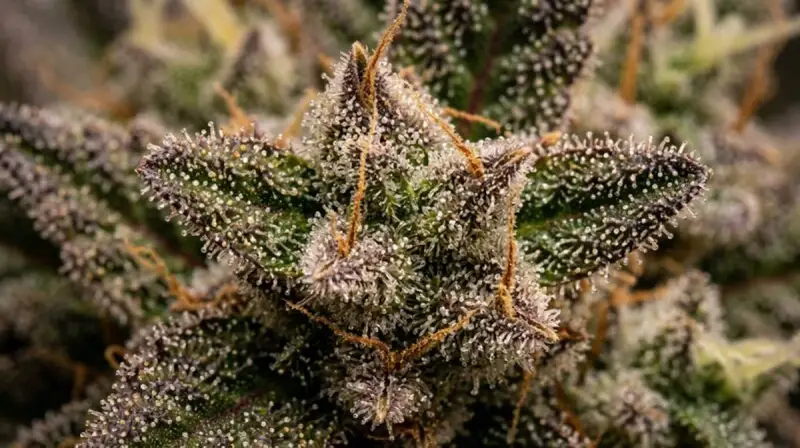
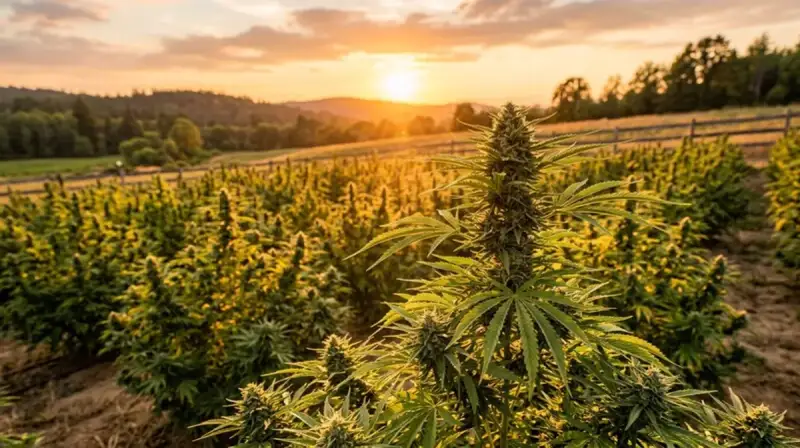
The Northern Rivers region of NSW — the hinterland behind Byron Bay, Lismore, Nimbin — has a decades-long tradition of outdoor cannabis cultivation. The subtropical climate, forested ridgelines, and dispersed landholdings of the region have made it one of Australia’s most significant cannabis cultivation areas. Locally grown Northern Rivers cannabis has a strong reputation within the Australian market.
For tourists, this context matters in one specific way: the cannabis available in Nimbin — to the extent cannabis is accessible — is primarily locally grown outdoor cannabis from the hinterland. It is not imported or commercially processed in the way legal market products in Canada or the US are. This does not affect the legal status — possession of any amount of NSW-grown outdoor cannabis is still a criminal offense in NSW — but it does characterise the product that the town’s reputation is built around.
Getting to Nimbin and Practical Tips
Getting there: Nimbin is not served by public transport. The nearest airports are Ballina Byron Gateway Airport (BNK, approximately 80 kilometres east) and Gold Coast Airport (OOL, approximately 120 kilometres north). From Byron Bay, several tour operators run day trips to Nimbin; self-drive is approximately 90 minutes. Northern Rivers Buslines operates limited weekday services from Lismore (approximately 30km south).
Accommodation: Nimbin has limited but characterful accommodation — backpacker hostels, camping areas, and a small number of B&Bs. Most visitors use Nimbin as a day trip from Byron Bay. During MardiGrass (first weekend of May), accommodation within 50km fills months in advance; book early if attending the festival.
For international visitors specifically: Do not carry cannabis products into Australia from overseas — Australian Border Force at all points of entry applies zero tolerance. Do not purchase cannabis products in Nimbin and attempt to travel through Australian airports with them — domestic aviation screening is thorough. If you are on any Australian visa, a cannabis-related caution or charge may have immigration consequences that substantially exceed the immediate legal sanction.
Marcus Webb — ZenWeedGuide Senior Editor
Marcus covers cannabis policy across Australia and the Asia-Pacific region. He has researched the ACT decriminalization, NSW’s cautioning scheme, and the specific legal risks for international visitors in Australia’s complex multi-jurisdiction framework.
Frequently Asked Questions
Nimbin represents Australia’s deepest cannabis culture heritage — but visitors must navigate the significant gap between the town’s reputation and NSW’s strict legal framework. The ACT decriminalized in 2020; NSW has not.