

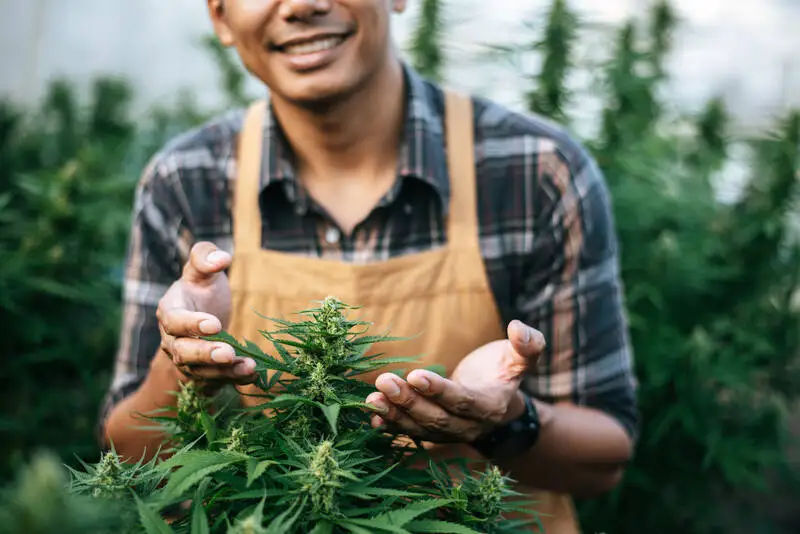

- The binary is real botanically — sativa and indica do describe genuine morphological plant differences rooted in geographic origin.
- The binary is oversimplified for effects — modern genetic analysis shows most commercial strains are deeply hybridized. Indica/sativa label alone is a weak predictor of effect.
- Terpenes predict effects better than classification — myrcene = sedating regardless of label; pinene/limonene = more uplifting; linalool = calming/anxiolytic.
- The cannabis industry is transitioning to chemotype-based classification systems that describe cannabinoid and terpene content rather than botanical origin.
- Individual response varies enormously — personal endocannabinoid system biology, tolerance, set, and setting all outweigh strain classification in practice.
- Practical takeaway: Use indica/sativa as a rough starting point, but read the COA (Certificate of Analysis) for terpene and cannabinoid content to make informed choices.
A Brief History of the Terminology
The words “indica” and “sativa” predate the modern cannabis industry by centuries. Cannabis sativa was first formally described by Swedish botanist Carl Linnaeus in 1753 to classify the European hemp plants then widely cultivated for fiber. The “sativa” designation comes from the Latin “sativus,” meaning cultivated or sown.
Cannabis indica was separately described by French botanist Jean-Baptiste Lamarck in 1785, distinguishing the physically different, intoxicating varieties he observed brought from India. Lamarck noted that these plants were shorter, bushier, more heavily branched, and notably different in intoxicating effect from the tall European fiber hemp. He argued they constituted a separate species.
The scientific debate about whether cannabis represents one species (with multiple subspecies) or multiple distinct species has continued for centuries and remains technically unresolved. For practical cannabis consumers, what matters is how these historical botanical distinctions map (or don’t map) onto the experience of consuming cannabis today — and that’s where the science becomes genuinely interesting and counterintuitive. See our cannabis science section for deeper botanical background.
Botanical Comparison: What Indica and Sativa Actually Mean
| Characteristic | Cannabis Sativa | Cannabis Indica |
|---|---|---|
| Geographic Origin | Equatorial regions: Central America, Southeast Asia, Africa | Hindu Kush mountains: Afghanistan, Pakistan, Northern India |
| Climate Adaptation | Tropical/subtropical — long growing seasons, warm, humid | High-altitude, cooler, shorter growing seasons |
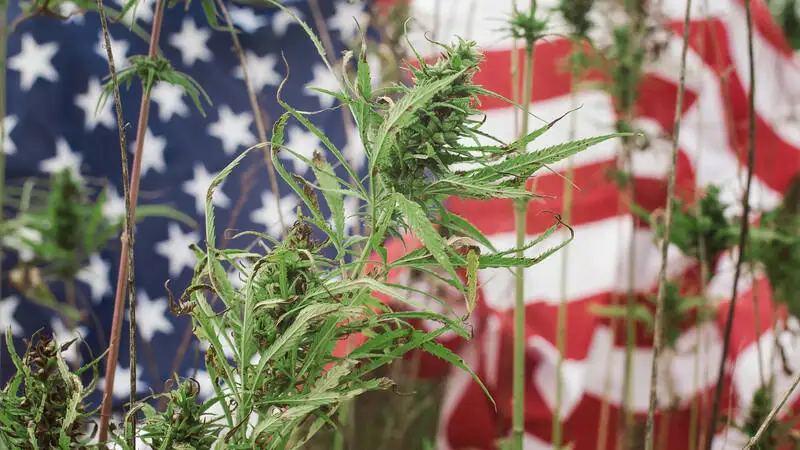
| Plant Height | Tall — up to 3 meters (300 cm) | Short-compact — 60–120 cm |
| Leaf Shape | Narrow, elongated blades, lighter green | Wide, broad blades, darker green |
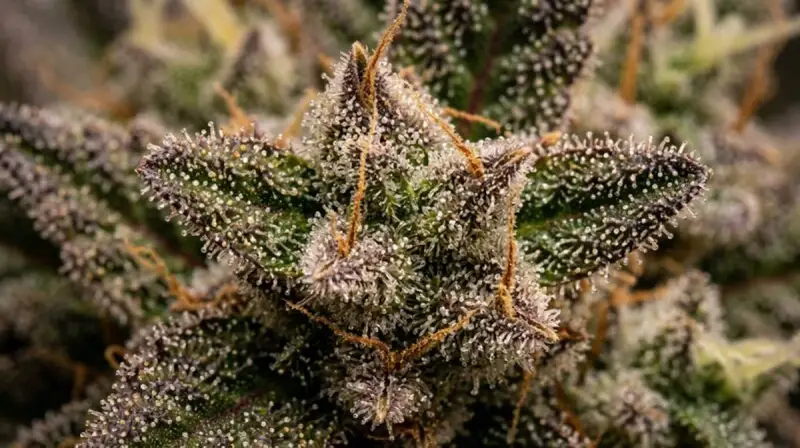
| Bud Structure | Airy, loose, elongated buds | Dense, compact, heavy buds |
| Flowering Time | Long: 10–16 weeks | Short: 7–9 weeks |
| Yield | Large (sativa stretch) | Moderate but dense |
| Resin Production | Moderate (varies by strain) | High (adapted to protect against UV/cold) |
| Ruderalis? | No | Related (autoflowering genetics) |
| Traditional Use | Fiber, food (hemp sativa); intoxicant (drug sativa) | Resin production (hashish); intoxicant |
These morphological differences are real, consistent, and botanically meaningful. The dispute is whether they predict pharmacological effects — and the modern evidence suggests they do so only weakly and indirectly.
The Modern Chemotype Challenge
Multiple peer-reviewed genetic studies, including landmark work published in journals like PLOS ONE and Nature Plants, have analyzed the genomic content of hundreds of cannabis samples — including samples specifically labeled as “indica” or “sativa” in legal markets. The findings consistently show that the genetic divergence between samples labeled indica and those labeled sativa is small. Many strains labeled “sativa” cluster genetically closer to botanical indica genetics, and vice versa. The hybridization that has occurred in commercial cannabis genetics over the past 50+ years has blurred the botanical boundaries to near meaninglessness in the retail market.
Dr. Ethan Russo, one of the most cited researchers in clinical cannabis pharmacology, has argued that the indica/sativa distinction, while useful as a rough communication shorthand, should not be treated as predictive science: “The distinction between Cannabis indica and Cannabis sativa is becoming an increasingly arbitrary one.” Russo and others have advocated for a chemotype-based classification system that characterizes cannabis by its actual chemical content — cannabinoid ratios and terpene profiles — rather than by morphological or geographic origin.
Traditional Claims vs Research Reality
| Traditional Claim | Research Assessment |
|---|---|
| “Indica = body high, sedating, relaxing” | Partially supported — high-myrcene strains DO tend to be more sedating, and many traditional indicas ARE high-myrcene. But the causal factor is the terpene, not the indica label. |
| “Sativa = head high, energizing, creative” | Partially supported — high-limonene and high-pinene strains tend to be more uplifting. Many sativas have these profiles. But the label alone does not guarantee this. |
| “Hybrids = balanced effects” | Weakly supported. “Hybrid” is a nearly meaningless commercial label — nearly all modern strains are hybrids. Effect balance depends on cannabinoid/terpene profile, not hybrid designation. |
| “Indica for nighttime; sativa for daytime” | Useful practical heuristic, but not universally reliable. The terpene profile of the specific strain is a better predictor than the classification. |
| “Indica is more sedating because of physical plant structure” | Not supported. Plant height and leaf shape do not directly cause sedation. Sedation correlates with chemical content, not morphology. |
The Terpene Alternative: A Better Predictor
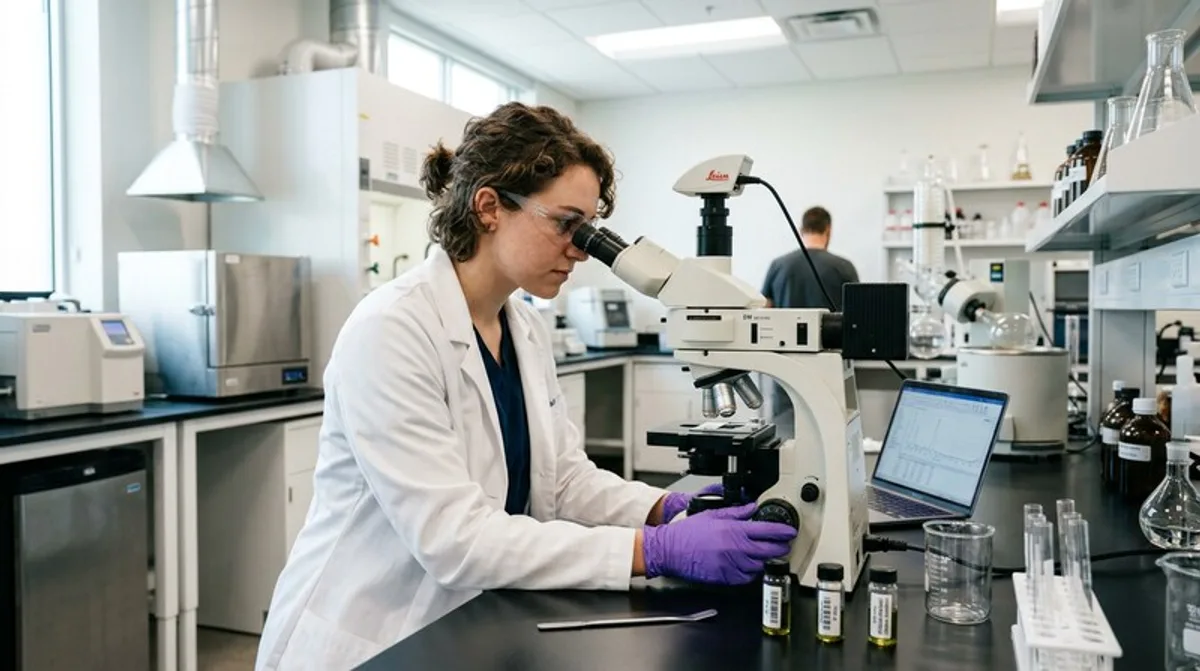
If indica/sativa labels are imperfect predictors of effect, what should consumers use instead? The growing consensus among cannabis researchers and knowledgeable industry professionals is that terpene profiles — ideally obtained from third-party lab testing (Certificate of Analysis) — are significantly more reliable predictors of how a specific cannabis sample will make you feel.
Key Terpenes and Their Effect Associations
| Terpene | Typical Aroma | Effect Association | Common Strain Examples |
|---|---|---|---|
| Myrcene | Earthy, herbal, mango | Sedating, muscle relaxant, “couch-lock” indicator. High myrcene = more indica-like experience regardless of label. | OG Kush, Granddaddy Purple, Blue Dream |
| Limonene | Citrus, lemon, orange | Mood elevation, stress relief, uplifting. Correlates with more “sativa-like” experience. | Super Lemon Haze, Jack Herer, MAC |
| Alpha-Pinene | Pine, fresh, forest | Alertness, memory retention, bronchodilation. Counteracts THC-induced short-term memory impairment. “Clear-headed” effect. | Blue Dream, Jack Herer, Dutch Treat |
| Caryophyllene | Pepper, spice, wood | Anti-inflammatory (CB2 agonist), stress relief, relaxing without sedation. Present in both indica and sativa strains. | GSC, White Widow, Chemdawg |
| Linalool | Floral, lavender, sweet | Anxiolytic, sedating, calming. Reduces THC-induced anxiety. Strong sleep-promoting properties. | Lavender Kush, GDP, Amnesia Haze |
| Terpinolene | Fresh, piney, floral, fruity | Mildly uplifting, fresh quality. Often present in uplifting sativa-leaning strains. | Jack Herer, Ghost Train Haze, Dutch Treat |
| Ocimene | Sweet, herbal, woody | Uplifting, decongestant. Associated with sativa-leaning effects in some studies. | Amnesia, Golden Goat, Space Queen |
| Humulene | Earthy, hoppy, woody | Anti-inflammatory, appetite suppressant. Relaxing without strong sedation. | Girl Scout Cookies, White Widow |
Effect Comparison: Simplified Traditional View vs Chemotype Reality
| Effect | Traditional “Indica” Strains | Traditional “Sativa” Strains | Chemotype Reality |
|---|---|---|---|
| Sedation / Sleep | High | Low | Determined by myrcene + linalool levels, not label |
| Euphoria | Moderate–High | High | Determined by THC level + limonene |
| Creativity | Low–Moderate | High | Determined by pinene + limonene + THC dose |
| Anxiety Risk | Lower | Higher | Determined by THC level + linalool/CBD presence |
| Pain Relief | High (body) | Moderate | Determined by caryophyllene + myrcene + THC |
| Appetite Stimulation | High | Moderate | Determined by THC + myrcene |
| Mental Clarity | Low | High | Determined by pinene + CBD ratio |
How to Actually Choose Cannabis: A Practical Framework
Given everything the science tells us, here is a practical framework for cannabis selection that goes beyond the indica/sativa binary:
Step 1: Define Your Goal
What do you want from this cannabis experience? Sleep and pain relief? Daytime focus and creativity? Social ease? Anxiety management? Your goal determines which terpene and cannabinoid profile to seek.
Step 2: Know Your THC Tolerance
If you are new to cannabis or have experienced THC-induced anxiety, start with lower THC concentrations (<15%) and higher CBD ratios. High THC (>25%) requires established tolerance and is not necessary for most therapeutic applications.
Step 3: Read the Terpene Profile
Ask your dispensary for the COA or terpene test results. Prioritize strains where the dominant terpenes match your goal:
- Sleep/pain/deep relaxation: High myrcene + linalool. Strain examples: Northern Lights, Granddaddy Purple, OG Kush.
- Daytime creativity/focus: High limonene + pinene. Strain examples: Super Lemon Haze, Jack Herer, Blue Dream.
- Anxiety relief without sedation: Moderate THC + high CBD + caryophyllene + linalool. Strain examples: Harlequin, ACDC, Cannatonic.
- Balanced, social use: Balanced THC + caryophyllene + moderate myrcene. Strain examples: MAC, GSC, Gelato.
Strain Recommendation Table by Desired Effect
| Desired Effect | Traditional Label | Key Terpenes | Strain Examples |
|---|---|---|---|
| Deep sleep | “Indica” | Myrcene + Linalool | Granddaddy Purple, Northern Lights, Bubba Kush |
| Chronic pain (nighttime) | “Indica” | Myrcene + Caryophyllene | OG Kush, Skywalker OG, Blueberry |
| Anxiety relief | Mixed or CBD-rich | Linalool + Caryophyllene + CBD | Harlequin, ACDC, MAC (low dose) |
| Daytime creativity | “Sativa” | Limonene + Pinene + Terpinolene | Jack Herer, Durban Poison, Super Silver Haze |
| Social/functional | “Hybrid” | Balanced profile | Blue Dream, MAC, GSC, Gelato |
| Energy / anti-fatigue | “Sativa” | Limonene + Terpinolene | Sour Diesel, Green Crack, Tangie |
| Appetite stimulation | “Indica” | Myrcene + THC (high) | GDP, OG Kush, Mango Kush |
| Creative + relaxed | “Hybrid” | Caryophyllene + Myrcene + Limonene | GSC, White Widow, Chemdawg |
The Future of Cannabis Classification
Multiple leading cannabis organizations, researchers, and forward-thinking dispensaries are moving toward chemotype-based classification. Rather than “indica” or “sativa,” this system categorizes cannabis by its actual chemical content:
- Type I: High THC, low CBD (most commercial “recreational” cannabis)
- Type II: Moderate THC + moderate CBD (balanced, often medical)
- Type III: Low THC, high CBD (hemp, medical CBD products)
Further refinement adds terpene-dominant sub-classifications (myrcene-dominant Type I, limonene-dominant Type I, etc.), creating a much more nuanced and practically useful system than the indica/sativa binary. As third-party lab testing becomes more standard across legal markets, this information is increasingly available to consumers at the point of purchase. See our science section for detailed coverage of evolving cannabis classification research.
Frequently Asked Questions
Is indica really more relaxing and sativa more energizing?
This is a useful heuristic but not reliable science. Modern genetic analysis shows most commercial strains are thoroughly hybridized, making the botanical label a weak predictor of effect. Terpene profiles — especially myrcene (sedating) vs limonene/pinene (uplifting) — are better predictors. Many strains labeled “sativa” produce relaxing effects; many “indicas” can be stimulating. Read the terpene COA, not just the label.
What is the botanical difference between indica and sativa?
Real morphological differences exist: sativas are tall (up to 3m), narrow-leaved, long-flowering, adapted to tropical climates. Indicas are short-compact (60–120cm), wide-leaved, fast-flowering (7–9 weeks), adapted to cooler highland climates. These botanical differences are real. The disputed claim is whether they reliably translate into different effect profiles in commercial cannabis — which the research suggests they do not, compared to terpene chemistry.
What should I actually look for when choosing cannabis?
Look at terpene profiles (ask for COA): myrcene = sedating; limonene = uplifting; pinene = alert/clear-headed; linalool = calming; caryophyllene = anti-inflammatory, balanced. Also check THC:CBD ratio (more CBD = less psychoactivity and anxiety risk) and THC percentage (start lower if new or anxiety-prone). Indica/sativa is a rough starting heuristic, not a reliable chemical guarantee.
Are there any truly pure indica or sativa strains?
True landrace varieties — Hindu Kush (indica), Durban Poison (sativa), Acapulco Gold (sativa), Thai (sativa) — represent relatively pure botanical expressions. However, even these have been altered by commercial breeding. Most commercially available strains are hybrids when examined genetically. Only carefully preserved landrace genetics from specialized seed banks approach botanical purity.