
Burlington Dispensaries: The Complete Buyer’s Guide
Burlington, Vermont offers one of the most distinctive cannabis retail experiences in the United States — not because of scale or market maturity, but because of the specific character it has developed. Vermont’s cannabis market is deliberately small: a limited number of licensed retail outlets, a mandate that all cannabis sold be grown within Vermont state lines, and a consumer culture that treats cannabis as an extension of the state’s celebrated farm-to-table agricultural ethos. Burlington’s dispensaries reflect this character with an emphasis on local, often organic cultivation, detailed provenance information, and a community-oriented shopping experience that feels closer to a farmers’ market than a big-box cannabis chain. Whether you are a Burlington resident, a visitor from Canada (just across Lake Champlain), a UVM student, or a leaf-peeping tourist making an October dispensary visit, this guide covers everything you need for a confident legal cannabis purchase in Burlington, Vermont.
- Legal framework: Vermont legalized possession and home cultivation by legislative act in 2018 (first US state without ballot initiative). The Cannabis Control Board (CCB) was established by Act 164 in 2020. Licensed retail sales began October 1, 2022.
- Possession limit: 1 ounce (28g) flower and 5 grams concentrate for adults 21+. Up to 2 ounces at home. Home cultivation of up to 6 plants per household permitted.
- Tax structure: Vermont 14% cannabis excise tax + 6% Vermont meals and rooms tax applied to retail cannabis + 1% local option tax in municipalities that apply it. Total effective burden approximately 20–22% in Burlington.
- Farm-to-table culture: All cannabis sold in Vermont must be grown in Vermont by licensed Vermont cultivators. Burlington’s dispensaries reflect Vermont’s agricultural culture — small craft grows, organic practices, locally sourced supply chains, and strong cultivator-retailer transparency.
- Small market: Vermont has the smallest population of any legal cannabis state (approximately 650,000 residents). The market is intentionally limited in license numbers, keeping competition moderate and quality high but also limiting variety compared to California or Colorado.
- Church Street proximity: Burlington’s pedestrianized Church Street Marketplace is the heart of the city’s retail and tourism activity. Licensed dispensaries in and near the Church Street area serve both tourists and residents in the walkable downtown core.
- Lake Champlain region: Burlington sits on Lake Champlain between Vermont and New York State. Canadian visitors from the Province of Québec are a significant tourism segment. Note: cannabis cannot be taken across the US-Canada border in either direction under any circumstances.
- No medical program: Vermont does not have a separate licensed medical cannabis dispensary system. The single licensed retail market serves both recreational and patient-oriented consumers under the same CCB framework.
- UVM campus: The University of Vermont (UVM) with approximately 14,000 students is a significant consumer base for Burlington dispensaries, particularly for lower-priced flower and edibles.
Vermont Cannabis Law: The Legislative Approach
Vermont’s cannabis legalization story is unique in the United States for one fundamental reason: Vermont was the first state to legalize cannabis through an act of the state legislature rather than through a voter ballot initiative. Most US cannabis legalizations — from Colorado and Washington in 2012 to Missouri in 2022 — were driven by citizen-initiated ballot measures. Vermont’s Governor Phil Scott signed Act 86 in 2018, which decriminalized cannabis and legalized possession and home cultivation for adults 21 and older, but notably did not create a licensed retail sales framework. Vermont adults could legally possess and grow cannabis starting July 1, 2018, but there was nowhere legal to buy it.
The retail licensing framework came two years later when Governor Scott signed Act 164 in October 2020, establishing the Vermont Cannabis Control Board (CCB) and directing it to create regulations for licensed cannabis retailers, cultivators, manufacturers, and wholesalers. The CCB’s regulatory development process took nearly two years, with the first licensed retail sales beginning on October 1, 2022 — over four years after possession legalization. This slow, careful rollout was deliberate and reflects Vermont’s cautious policy culture.
Vermont’s retail cannabis framework has several distinctive features. All cannabis sold in Vermont must be grown by a Vermont-licensed cultivator within state boundaries — there are no out-of-state supply options as in some multi-state compact proposals. This in-state only requirement means Vermont’s cannabis market is intentionally Vermont-origin-only, supporting local agriculture but limiting product variety in the market’s early years. The CCB issues licenses in a tiered system with separate licenses for cultivators (tier 1 through tier 4 based on canopy size), manufacturers, retailers, and delivery-only operators. Vermont’s license numbers are smaller than most comparable legal states by design, maintaining a manageable market that regulators can effectively oversee.
Vermont’s 14% excise tax plus the 6% meals and rooms tax and potential local option taxes creates a combined effective burden of approximately 20–22% at Burlington dispensaries — comparable to New York and slightly lower than Chicago or Washington DC. Vermont does not have a separate medical cannabis dispensary system; the licensed retail market serves both standard consumers and patients who wish to manage health conditions. A minority recommendation recommendation is available from Vermont physicians for certain conditions, but there is no MMID card system and no tax differential for medical use at point of sale. See our Vermont cannabis guide for the complete legal framework.
“Burlington’s cannabis market is small, Vermont-sourced, and community-oriented in a way that genuinely reflects the state’s agricultural values. If you want the most locally rooted cannabis shopping experience in the US, Burlington delivers it.”
The Burlington Dispensary Scene: Where to Shop
Burlington is Vermont’s largest city with a population of approximately 45,000 — making it one of the smallest major cannabis markets in the country by city size. The dispensary scene is correspondingly intimate: a handful of licensed retailers in and around the downtown Church Street area, with several additional shops in the surrounding Chittenden County region extending into South Burlington, Winooski, Essex, and Williston. Here is the Burlington-area dispensary geography.
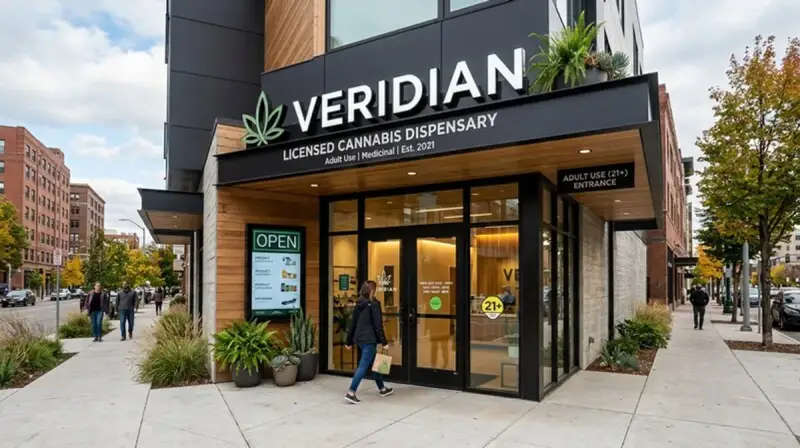
Church Street / Downtown Burlington: Burlington’s pedestrianized Church Street Marketplace is the commercial heart of the city and the most logical starting point for first-time visitors. Licensed dispensaries in the Church Street area and immediately adjacent streets serve the dense foot traffic from tourism, UVM-area visitors, and downtown residents. These shops combine convenience with the kind of knowledgeable, personalized service that defines Burlington’s retail character generally. Church Street dispensaries are within walking distance of most downtown Burlington hotels and the Burlington waterfront area.
South Burlington / Williston: The commercial suburban corridor south of Burlington on Route 2 and the Williston Road area has licensed dispensaries serving the larger residential population of Chittenden County outside the city proper. South Burlington shops tend toward higher square footage with more parking and slightly more product variety than the compact downtown locations. Accessible by car in under 10 minutes from downtown Burlington.
Winooski: The small city of Winooski, immediately north of Burlington, has a notably progressive character and has attracted cannabis retail. Winooski dispensaries serve both local residents and Burlington visitors who prefer the slightly less tourist-dense environment of this small city adjacent to Burlington’s north end.
Essex / North Chittenden County: The northern Chittenden County communities of Essex Junction and Milton have licensed dispensaries serving the suburban residential corridors. These shops prioritize accessibility for local residents over tourism orientation.
What to Bring to a Burlington Dispensary
Vermont’s CCB requires ID verification at all licensed retail locations. Burlington dispensaries tend to have experienced, community-oriented staff who balance compliance requirements with the welcoming character of Vermont’s retail culture. Here is what to bring for a smooth first visit.
- Valid government-issued photo ID: Vermont driver’s license, out-of-state driver’s license, US passport, passport card, military ID, or tribal ID. Must show date of birth and cannot be expired. Canadian visitors from Québec are welcome with a valid Canadian passport or provincial driver’s license (with photo and date of birth) — however, you absolutely cannot take Vermont cannabis across the US-Canada border on your return.
- Cash or debit card: Vermont’s cannabis market’s small scale and the state’s credit union-friendly banking environment mean some Burlington dispensaries have better payment options than most. Some shops accept debit cards through PIN-based processing. Cash remains the safest assumption — confirm payment options on the shop’s website before visiting.
- Pre-order confirmation: Vermont’s limited number of licensed retailers means popular Burlington dispensaries can run low on specific products, especially during peak tourism seasons (leaf peeping in autumn, ski season in winter). Pre-ordering online guarantees product availability and reduces wait time.
- Private consumption plan: Vermont law prohibits all public consumption. Burlington has no licensed cannabis lounges. The Church Street Marketplace, Lake Champlain waterfront, Bike Path, and all public parks and spaces are prohibited zones. Arrange private accommodation that permits cannabis before making a purchase — this is particularly important for visitors staying at hotels, which universally prohibit smoking by property policy.
- Canadian visitors — border note: US Customs and Border Protection (CBP) strictly prohibits bringing any cannabis across the US-Canada border at the Champlain crossing, the Derby Line crossing, or any other US-Canada port of entry. This applies in both directions regardless of Canada’s own federal cannabis legalization. CBP officers actively ask about cannabis at border crossings. Purchasing at a Burlington dispensary is legal; transporting it to Canada is a federal crime on both sides of the border.
Burlington Cannabis: Video Overview
Product Types at Burlington Dispensaries
Vermont’s in-state-only sourcing requirement defines Burlington’s product landscape in a way that no other US cannabis market quite matches. Every product sold at a licensed Burlington dispensary was grown and/or manufactured in Vermont. This constraint limits the total variety available compared to California or Colorado but creates something genuinely distinctive: a Vermont-terroir cannabis market with transparent supply chains and direct cultivator-to-retailer relationships that larger markets rarely achieve.
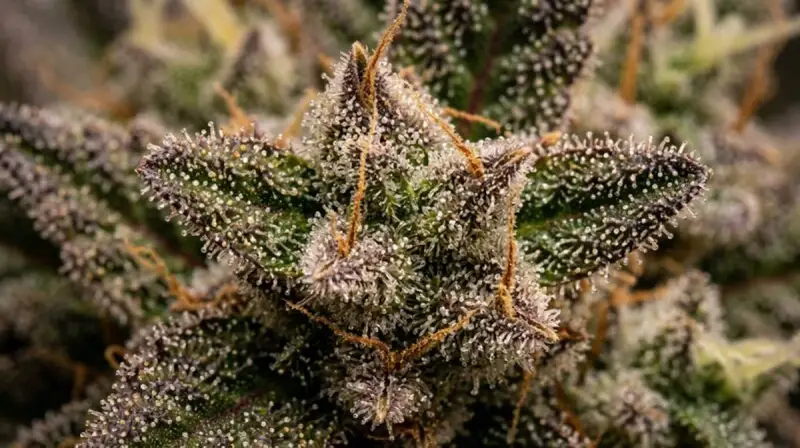
Flower: Vermont-grown cannabis has a character shaped by the state’s climate — short outdoor growing season, cold nights, abundant rainfall, and Vermont’s tradition of small-scale organic farming. Vermont’s licensed cultivators range from small hobby-to-commercial-scale operations growing in living soil using organic inputs to more conventional indoor operations. Burlington dispensaries typically know exactly which cultivator produced each product on their menu, often displaying farm name, cultivation method, and harvest information alongside standard potency data. This cultivar-to-farm transparency is more comprehensive than most larger cannabis markets and aligns with Burlington’s local food movement ethos. Browse our strain library to research cultivar backgrounds.
Edibles: Vermont-licensed edibles are capped at 10mg THC per serving and 100mg per package, consistent with most legal states. The Vermont edibles market reflects the state’s food artisan culture: local chocolate producers, small-batch caramel makers, and Vermont-origin ingredient sourcing appear in premium edible products at Burlington dispensaries. Gummies are the volume category, but Vermont-specific artisan formats — maple-infused products, Vermont honey, and farm-origin ingredients — give the Burlington edible menu a distinctly local character not found elsewhere in the US legal market.
Vape cartridges: Vermont-licensed vape products carry potency and ingredient information per CCB regulations. The state’s small cultivator base means fewer live resin and full-spectrum extract options than California or Colorado, but quality standards among Vermont’s licensed processors are consistently high. Distillate cartridges are the volume category; look for Vermont-specific live resin products when they appear, as these carry distinctive Northeast terpene profiles from Vermont’s outdoor and greenhouse grows.
Concentrates: Vermont’s concentrate market is smaller than most larger legal states but developing. Wax, rosin, and live resin are available at Burlington’s better-stocked dispensaries. Vermont’s craft cultivation tradition makes small-batch solventless rosin a particularly appealing product category — hash rosin pressed from Vermont-grown outdoor cannabis by small Vermont-licensed processors represents one of the most uniquely Vermont cannabis experiences available. See our concentrates guide.
Topicals: Vermont’s wellness-oriented consumer base drives strong demand for cannabis topicals. The state’s tradition in herbal medicine, natural skin care, and organic body products makes cannabis topicals a natural fit for Burlington’s market. CBD and THC-infused salves, balms, and creams from Vermont-licensed manufacturers often incorporate locally sourced herbs, beeswax, and other Vermont agricultural ingredients — products genuinely different from the corporate wellness brands common in other state markets.
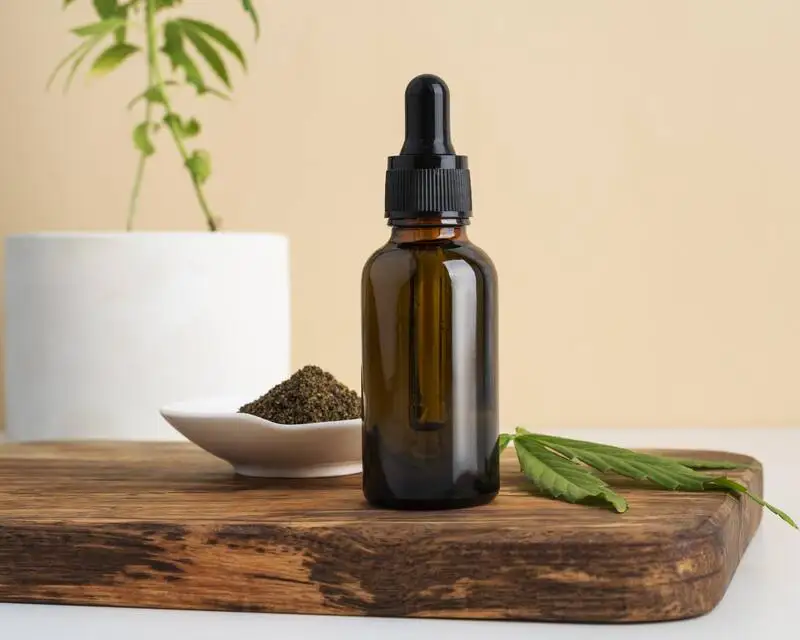
Tinctures: Sublingual cannabis tinctures are well-represented in Burlington’s market, reflecting the city’s health-conscious, wellness-oriented consumer base. Vermont-licensed tinctures carry accurate cannabinoid content per dose labeling, and many use Vermont-origin carrier oils (often Vermont-produced hemp seed oil or locally sourced MCT). High-CBD and balanced 1:1 CBD:THC ratio tinctures are particularly prominent in the Burlington market given the city’s non-intoxicating wellness orientation.
Burlington Cannabis Price Guide
Vermont’s cannabis prices reflect the state’s small market, limited license numbers, and in-state-only sourcing requirement. The combination of modest supply (Vermont’s cultivator base is small) and Vermont’s high cost of living produces prices that are higher than large-market states like California or Colorado but competitive with other small Northeast markets. Vermont’s 14% excise tax plus 6% meals and rooms tax adds approximately 20–22% to pre-tax prices at Burlington dispensaries.
| Product | Budget Range | Mid Range | Premium Range | Notes |
|---|---|---|---|---|
| Flower (1/8 oz, 3.5g) | $30–$45 | $45–$60 | $60–$80 | All Vermont-grown; small market = limited discounting |
| Flower (1 oz) | $140–$190 | $190–$250 | $250–$340 | Seasonal outdoor harvest may bring fall price reductions |
| Pre-rolls (1g) | $10–$15 | $15–$20 | $20–$30 | Vermont-grown single-cultivar pre-rolls at premium tier |
| Vape cartridge (0.5g) | $28–$42 | $42–$58 | $58–$78 | Vermont live resin available but limited; distillate standard |
| Edibles (100mg package) | $16–$25 | $25–$36 | $36–$55 | Vermont artisan formats with local ingredients at premium |
| Concentrates (1g) | $35–$55 | $55–$75 | $75–$100 | VT solventless rosin from outdoor grows a regional specialty |
| Tincture (30mL) | $28–$45 | $45–$65 | $65–$95 | High-CBD and balanced ratios dominant; Vermont herb-infused |
Best Areas for Burlington Dispensary Shopping
Burlington’s compact geography makes most dispensaries accessible within a reasonable distance from any point in the city. Here is the practical area guide for first-time Burlington cannabis shoppers.
Church Street / Downtown: Best for tourists and visitors exploring Burlington for the first time. Walkable from the waterfront hotels, Church Street Marketplace, and the ferry terminal. The most characteristically Burlington dispensary experience — knowledgeable staff in a walkable urban setting with Vermont-origin sourcing transparency. Pre-order when visiting during peak autumn or winter ski season tourist periods.
South Burlington (Williston Road / Route 2): Best for visitors with a rental car who want larger product selection and easier parking than downtown. South Burlington dispensaries serve the commercial strip south of Burlington and are accessible from I-89 exits commonly used by visitors arriving from Montreal or Boston. Larger shop footprints typically mean more inventory variety.
Winooski: Best for visitors who prefer a slightly less tourist-oriented shopping environment while staying close to downtown Burlington. Winooski’s small-city character and its significant French-Canadian heritage community (many Quebec visitors transit through Winooski when entering Burlington from the north) make it a distinctive dispensary destination within a 10-minute walk or 5-minute drive from Burlington’s downtown core.
North Shore / Lake Champlain area: Burlington’s North End and the Colchester communities north of the city along Lake Champlain have licensed dispensaries serving the lake-region residential and summer cottage population. These shops often stock products oriented toward Vermont’s summer outdoor recreation culture — topicals for athletic recovery, low-dose edibles for paddling and hiking, and discrete vape products popular among the summer lake tourism demographic.
Vermont vs. Other Markets: What Makes Burlington Unique
To understand why Burlington’s dispensary experience is genuinely different from larger US cannabis markets, it helps to understand what Vermont explicitly chose not to do in building its cannabis framework. Vermont rejected the high-license-volume approach taken by California or Colorado. Vermont mandated in-state supply chains where California actively courts out-of-state investment and brand partnerships. Vermont refused to prioritize speed-to-market over regulatory rigor. These choices resulted in a slower, smaller, more Vermont-character-appropriate market rollout that continues to define the experience consumers find at Burlington dispensaries.
Burlington’s cannabis culture draws heavily from the broader Vermont ethos around local food: knowing your farmer, understanding cultivation practices, valuing seasonal products, and accepting the premium that comes with genuinely local production. Many Burlington dispensary staff can tell you the name of the farm where your eighth of flower was grown, describe the cultivation method, and explain the reasoning behind the cultivar selection on any given menu. This level of supply chain transparency is genuinely rare in the larger US cannabis market and reflects Burlington’s position as the most farm-to-table cannabis city in the country.
Vermont’s no-medical-program approach — a single licensed retail system serving all consumers — simplifies the shopping experience compared to states with separate medical and recreational licensing tracks. There is no medical card to obtain, no separate entrance or counter, and no tax differential. All consumers shop the same menus at the same prices. This simplicity aligns with Vermont’s regulatory philosophy of building one well-designed system rather than layering separate programs.
Cannabis Consumption Rules in Burlington
Vermont law prohibits cannabis consumption in any public place. Burlington is a notably progressive city, but the prohibition on public consumption is absolute under Vermont statute. The absence of licensed consumption lounges in Vermont creates a genuine challenge for visitors without suitable private accommodation.
Where consumption IS permitted: Private residences where the property owner or tenant consents. Vacation rentals that explicitly permit cannabis — this is the single most important thing for Burlington visitors to arrange before purchasing. Vermont’s summer cottage and ski cabin rental culture means private properties permitting cannabis are relatively common — but must be confirmed before booking. Vermont residents may cultivate and consume at their own private property with up to 6 plants per household.
Where consumption is PROHIBITED: Church Street Marketplace and all downtown Burlington outdoor areas. The Burlington Bike Path along Lake Champlain. Battery Park and Waterfront Park. The Burlington Farmers’ Market grounds at City Hall Park. Oakledge Park, Leddy Park, and all Burlington city parks. All Burlington beaches and lake access points. All vehicles on public roads. All hotels and bed-and-breakfasts by property policy — even those with outdoor smoking areas typically treat these as tobacco-only unless explicitly stated otherwise. The University of Vermont campus grounds. Burlington International Airport (federally regulated).
Canadian visitor warning: Vermont’s proximity to Canada (Champlain ferry to Port Kent, NY; US-Canada border crossing at Champlain, NY less than 45 miles north of Burlington) makes it tempting for Canadian visitors to purchase Vermont cannabis for consumption in Canada or transport home. This is absolutely prohibited. US Customs & Border Protection actively asks about cannabis at US-Canada crossings. Bringing cannabis into Canada from Vermont is illegal under both US federal law and Canadian customs law. Consume all purchased cannabis within Vermont before returning to Canada.
Getting Around Burlington to Dispensaries
Burlington is a genuinely walkable small city by New England standards, with most downtown dispensaries accessible on foot from Church Street hotels and the waterfront district. Here is the practical transport breakdown.
Walking: Downtown Burlington dispensaries in the Church Street area are easily walkable from most Burlington hotels, the waterfront district, and the ferry terminal. The Church Street Marketplace pedestrian zone makes car-free navigation simple in the downtown core. Winooski is a 15–20 minute walk from Burlington’s north end via the Intervale Road / Riverside Avenue corridor.
Green Mountain Transit (GMT) Bus: Burlington’s local bus network serves downtown, the UVM campus, South Burlington, and Winooski. Useful for reaching South Burlington dispensaries without a car. Routes 2 and 4 serve the Williston Road commercial corridor. Service frequency is more limited than urban transit systems — check GMT schedules before relying on bus for a dispensary visit.
Driving and parking: Downtown Burlington has several municipal parking garages off Cherry Street and St. Paul Street that provide paid parking near Church Street dispensaries. South Burlington and Winooski dispensaries have free dedicated lots. Keep all cannabis sealed in packaging while transporting in a vehicle. Vermont law prohibits open containers of cannabis in vehicles.
Rideshare (Uber/Lyft): Available in Burlington but less reliably available than in larger cities, particularly during off-peak hours and winter months. Rideshare is the most practical option for reaching South Burlington dispensaries from downtown hotels. Do not consume cannabis in rideshare vehicles.
Lake Champlain Ferry: The Lake Champlain ferry connects Burlington to Port Kent, New York (adult-use cannabis is legal in New York State). Do not attempt to transport cannabis on the ferry in either direction — it crosses state lines, and cannabis transport between states is a federal offense regardless of both states’ local laws.
Frequently Asked Questions
Is recreational cannabis legal in Burlington, Vermont?
Yes. Vermont legalized possession and home cultivation by legislative act in 2018 (the first US state to do so without a ballot initiative). Licensed retail sales began October 1, 2022 under the Vermont Cannabis Control Board (CCB) framework. Adults 21+ may possess 1 ounce of flower and 5 grams of concentrate.
How much cannabis can I buy in Burlington, Vermont?
Adults 21+ may purchase up to 1 ounce of flower and 5 grams of concentrate per transaction at licensed Vermont retailers. Home cultivation of up to 6 plants per household is permitted. Vermont has no separate medical program — all consumers shop the same licensed retail market under the same CCB rules.
What makes Burlington cannabis unique compared to other markets?
All cannabis sold in Vermont must be grown in Vermont by Vermont-licensed cultivators. This creates a farm-to-table cannabis culture where dispensary staff can identify the specific Vermont farm that grew each product. Vermont’s artisan agriculture tradition, small market size, and community-oriented retail character produce an experience genuinely different from corporate-scale cannabis chains in larger US markets.
Can I consume cannabis near Lake Champlain or Church Street in Burlington?
No. Vermont law prohibits all public cannabis consumption. Church Street Marketplace, Burlington’s Lake Champlain waterfront, all city parks, and all outdoor public spaces are prohibited zones. Consumption is only legal on private property with the owner’s consent. Vermont has no licensed consumption lounges. Canadian visitors must note: do not attempt to cross the US-Canada border with any cannabis purchased in Burlington.