










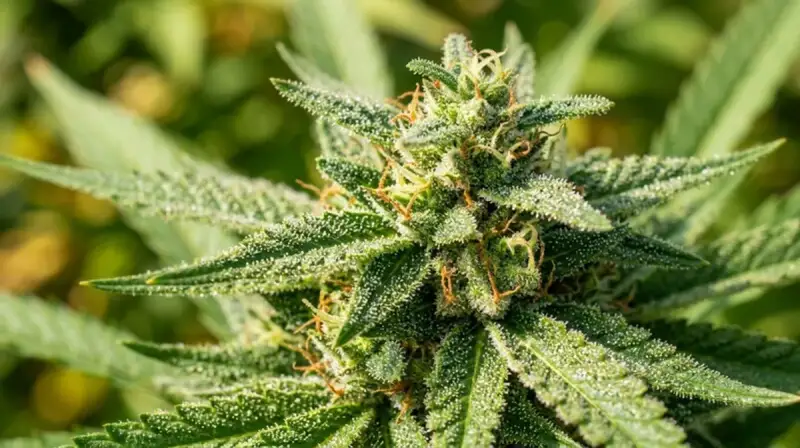
Cannabis concentrates are products made by extracting and isolating cannabinoids and terpenes from plant material, leaving behind cellulose, chlorophyll, and other unwanted compounds. The result is a product that contains dramatically more THC per gram than raw flower. Where premium cannabis flower tops out around 30% THC, concentrates routinely range from 50% to 99% depending on type and process.
- Concentrates are 2–10× more potent than flower, ranging from 50% (hash) to 99% THC (THCA crystalline)
- Solvent-based methods (BHO, CO2, ethanol) use chemicals to extract; solventless methods (rosin, ice water hash) use only heat, pressure, or water
- Live resin is made from fresh-frozen cannabis plants, preserving the full terpene profile that curing and drying would destroy
- Distillate is the purest form of THC (85–99%) but is stripped of terpenes and other cannabinoids — the least full-spectrum option
- Dabbing at temperatures above 600°F destroys terpenes and produces combustion byproducts; low-temp dabs (315–450°F) preserve flavor and reduce risk
- EVALI (vaping lung illness) has been linked to vitamin E acetate found in unregulated vape cartridges — only buy licensed, lab-tested products
- Start with a rice-grain-sized amount when trying concentrates for the first time; overconsumption is the primary risk for new users
What Are Cannabis Concentrates?
The extraction process strips away plant material while concentrating the compounds that matter: cannabinoids like THC and CBD, and terpenes responsible for flavor and aroma. The method used — solvent or solventless, temperature, pressure, and post-processing — determines the final texture, color, terpene content, and potency of the finished product.
All concentrates begin with cannabis plant material, but the starting material quality matters enormously. Trim-run concentrates start with leftover trim and sugar leaves. Nug-run concentrates use whole flower. Live products start with fresh-frozen plants harvested at peak terpene content and frozen immediately to prevent degradation.
Solvent-Based vs. Solventless Extraction
Solvent-based extracts use chemical solvents — typically butane (BHO), CO2, or ethanol — to dissolve and carry cannabinoids and terpenes away from plant material. The solvent is then purged under heat and vacuum, leaving behind concentrated oil. When properly manufactured and tested for residual solvents, these products are safe. They produce shatter, wax, budder, live resin, sauce, and most vape cartridges.
Solventless extracts use only physical forces: heat, pressure, ice water, or mechanical agitation. Rosin is made by pressing cannabis between heated plates. Ice water hash (bubble hash) uses cold water and agitation to knock trichomes free from plant material. Dry sift uses fine mesh screens. Solventless products have no residual solvent risk and tend to preserve terpene complexity, making them the choice of connoisseurs.
Concentrate Types: Complete Reference Table
| Type | THC Range | Method | Terpene Preservation | Consistency | Best For |
|---|---|---|---|---|---|
| Hash | 30–60% | Mechanical (ice water or dry sift) | Good | Pressed block or powder | Traditional use, bowls, joints |
| Kief | 25–50% | Dry sift / grinder collection | Moderate | Fine powder | Adding to flower bowls |
| BHO Wax | 65–85% | Butane solvent | Moderate | Soft, crumbly | Dabbing |
| BHO Shatter | 70–90% | Butane solvent | Low–moderate | Hard, glass-like | Dabbing, potency seekers |
| BHO Budder | 70–90% | Butane + whipping | Moderate | Creamy, butter-like | Easy handling, dabbing |
| Live Resin | 60–95% | BHO from fresh-frozen | Excellent | Sauce-like, viscous | Terpene chasers, flavor |
| Sauce / Diamonds | 70–99% | BHO + crystallization | Very high (sauce fraction) | Liquid + crystals | Connoisseurs, dabbing |
| Rosin | 60–80% | Heat + pressure (solventless) | Good | Waxy to sappy | Solventless preference |
| Live Rosin | 65–85% | Ice water hash + rosin press | Excellent | Creamy, budder-like | Premium solventless dabbing |
| CO2 Oil | 50–75% | Supercritical CO2 | Moderate | Viscous oil | Vape cartridges |
| Distillate | 85–99% | Molecular distillation | Very low (stripped) | Clear, thin oil | Edibles, cartridges, capsules |
| THCA Crystalline | 95–99% | Solvent + crystallization | None (pure THCA) | White crystals | Maximum potency dabbing |
Live Resin vs. Distillate: The Full-Spectrum Difference
Live resin and distillate sit at opposite ends of the spectrum. Live resin starts with fresh-frozen cannabis, preserving volatile terpenes that would normally evaporate during drying and curing. The result is a terpene-rich extract that reflects the actual living plant’s aroma and flavor profile. Many users and researchers believe this terpene preservation contributes to the entourage effect — where terpenes modulate and enhance cannabinoid activity.
Distillate undergoes molecular distillation at precise temperatures to isolate pure THC molecules, removing virtually all other compounds including terpenes, minor cannabinoids, and plant waxes. The result is a nearly colorless, odorless oil that can reach 99% THC. Because it’s tasteless, terpenes are often re-added artificially to distillate cartridges. Distillate is the base for most commercial edibles due to its neutral flavor and consistent potency.
How to Use Cannabis Concentrates
Dabbing is the most common method for consuming concentrates. A dab rig consists of a glass water pipe, a banger (quartz or titanium nail), and a torch. The banger is heated, allowed to cool to the target temperature, then a small amount of concentrate is placed on it and inhaled. Electronic nails (e-nails) maintain precise temperatures automatically.
Vape cartridges are pre-filled with CO2 oil or distillate and attach to a standard 510-thread battery. They are the most accessible concentrate format but vary widely in quality. Only purchase from licensed dispensaries — unregulated cartridges have been associated with EVALI (e-cigarette or vaping product use-associated lung injury) linked to vitamin E acetate as a cutting agent.
Twaxing means adding concentrate to flower: wrapping shatter around a joint, placing wax in a bowl, or mixing kief with ground flower. This increases potency significantly without requiring specialized equipment.
Capsules and edibles can be made from distillate or CO2 oil for oral consumption. The concentrate is decarboxylated and mixed into carrier oil or food fat.
Dabbing Temperature Guide
Temperature is the single most important variable in the dabbing experience:
- 315–450°F (157–232°C) — Low temp: Maximum terpene preservation, smooth flavor, lower vapor production, mild effect. Best for flavor-focused use and terpene-rich concentrates like live resin.
- 450–600°F (232–315°C) — Medium temp: Balanced vapor production and flavor. Most commonly recommended range for daily use.
- 600°F+ (315°C+) — High temp: Maximum vapor production and potency. Destroys most terpenes. Produces benzene and other combustion byproducts at the high end. Not recommended for regular use.
Potency Management for Concentrates
The primary safety concern with concentrates is overconsumption due to their dramatically higher potency compared to flower. A dose of concentrate is measured in milligrams, not grams. For first-time or infrequent users, a starting dab should be approximately 5–10mg — roughly the size of a grain of rice or smaller. This is far less than most people expect.
Heavy flower users often misjudge concentrate doses by applying flower-quantity intuition. A 0.5g joint of 20% THC flower contains 100mg THC. A 0.1g dab of 80% shatter contains 80mg THC in a single breath. The pharmacokinetic difference is significant: inhaled concentrates hit faster and harder than flower.
EVALI and Vape Safety
In 2019, a significant outbreak of serious lung illness (EVALI) was linked primarily to vitamin E acetate used as a cutting agent in unregulated THC vape cartridges. The Centers for Disease Control (CDC) identified vitamin E acetate in samples from the majority of affected patients. Legal, licensed cannabis vape products from regulated markets do not use vitamin E acetate and are tested for residual solvents and contaminants by law.
To minimize risk: purchase only from licensed dispensaries, check the product COA for pesticide and residual solvent panels, and avoid products from unregulated sources regardless of cost savings.
Frequently Asked Questions
What is the strongest cannabis concentrate?
THCA crystalline (also called diamonds) reaches 95–99% cannabinoid content and is the most potent concentrate available. Distillate typically runs 85–99% THC. Live rosin and high-quality BHO shatter generally range 70–90% THC.
What is the difference between wax and shatter?
Both are BHO concentrates with similar potency (70–90% THC). The difference is consistency: shatter is a hard, glass-like amber solid, while wax has a soft, opaque, crumbly texture. The variation comes from differences in agitation and temperature during post-extraction processing. Neither is inherently superior — it’s a matter of personal preference for handling and aesthetics.
Is live resin better than distillate?
Live resin preserves the full terpene profile from fresh-frozen plants, producing a more complex, flavorful, and arguably more therapeutic product via the entourage effect. Distillate is purer THC (85–99%) but stripped of most terpenes and minor cannabinoids. Neither is objectively better — it depends on whether you prioritize full-spectrum flavor and potential entourage effect, or maximum THC potency and consistency.
Is dabbing dangerous?
Dabbing carries specific risks: very high potency makes overconsumption easy, especially for new users. High-temperature dabbing (above 600°F) produces benzene and other combustion byproducts. Unregulated or homemade extracts may contain residual solvents. Purchasing licensed, lab-tested concentrates, using lower temperatures (315–450°F), and starting with micro-doses significantly reduces these risks.