
Denver Dispensaries: The Complete Buyer & Visitor Guide
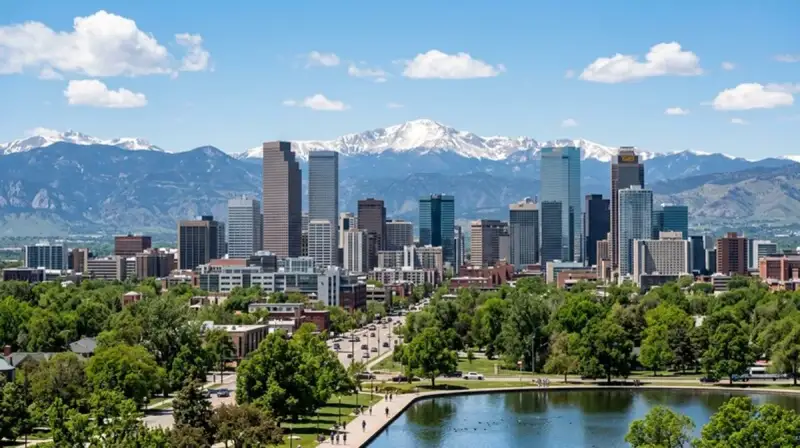
Denver, Colorado is the undisputed capital of legal cannabis culture in the United States. Since Colorado voters approved Amendment 64 in November 2012, Denver has grown from a city with a handful of experimental dispensaries into a market of more than 500 licensed retail shops — a density that rivals or exceeds any city on earth. Whether you’re a first-time visitor curious about Colorado OG from its home state, a medical patient relocating from a prohibition state, or a longtime resident looking for the best neighborhood shop, this guide covers everything you need: the law, the neighborhoods, the taxes, the products, and the culture that makes Denver the gold standard for cannabis tourism and everyday retail.
- Valid ID required: Government-issued photo ID proving age 21+. Out-of-state driver’s licenses, passports, and military IDs accepted. Expired IDs refused — no exceptions.
- Recreational purchase limit: 1 ounce (28g) flower per transaction, or 8g concentrate, or 800mg THC edibles (equivalency rules apply).
- Medical purchase limit: Colorado Red Card holders may purchase up to 2 ounces per day at medical-licensed dispensaries.
- Tax rate recreational: Approximately 26–30% combined (15% state excise + 15% state retail MJ sales tax + Denver city sales tax).
- Tax rate medical: ~8.81% (standard Colorado state sales tax only). A Red Card saves significant money for regular consumers.
- Delivery available: Yes — Colorado law permits licensed delivery to private residences. Many Denver shops offer same-day delivery with a minimum purchase.
- Cannabis lounges: Denver licenses social consumption businesses; some dispensaries have on-site consumption spaces. Ask staff for availability.
- No cross-state transport: Taking cannabis across state lines — even to another legal state — is a federal offense. Consume all purchases within Colorado.
- Public consumption illegal: Parks, sidewalks, vehicles, airports, federal land — all prohibited. Fines apply.
- Home cultivation: Adults may grow up to 3 mature + 3 immature plants per adult (max 6 mature per household).
Colorado Cannabis Law: What Governs Denver Dispensaries
Denver operates under Colorado state law (Amendment 64 / Article XVIII, Section 16 of the Colorado Constitution) while also maintaining its own municipal licensing framework administered by the Denver Department of Excise and Licenses. The result is a dual-oversight system that produces one of the most professionally regulated cannabis retail environments in the world. Every dispensary must hold both a state license from the Marijuana Enforcement Division (MED) and a city-issued Retail Marijuana Store License.
Amendment 64 passed with 55.3% of the vote in November 2012, making Colorado one of the first two states — alongside Washington — to legalize adult-use cannabis. Retail sales began in January 2014. In the years since, Colorado and Denver have built a regulatory infrastructure that covers seed-to-sale tracking, potency testing requirements, packaging and labeling standards, advertising restrictions, and social equity provisions. The result is a market where consumers can be reasonably confident in the accuracy of product labels — a major improvement over unregulated markets.
Adults 21 and older may legally possess up to 1 ounce of cannabis in public and store unlimited amounts in a private residence for personal use. Home cultivation of up to 3 mature and 3 immature plants per adult is permitted, with a household maximum of 6 mature plants regardless of the number of adults resident. The law also permits gifting of cannabis between adults, though commercial transactions require a licensed dispensary. For a complete breakdown of statewide rules, see our Colorado cannabis guide.
Denver’s municipal framework adds layers on top of the state rules. The city controls zoning (dispensaries must be at least 1,000 feet from schools), local licensing, social consumption business permits, and its own tax schedule. Denver has been particularly progressive in implementing social consumption licensing, giving rise to a small but growing ecosystem of cannabis lounges, event permits, and 420-friendly accommodations that are not available in most other Colorado municipalities.
"Denver is what a mature, competitive cannabis market looks like after a decade of development: extraordinary product variety, professional retail, delivery infrastructure, and prices kept sharp by hundreds of competing shops within a few square miles."
The Denver Dispensary Scene: Scale, Culture & History
No city on earth has more dispensaries per capita for a sustained period than Denver at its market peak. At its highest point the Denver metro area had a licensed cannabis retail shop roughly every few blocks in high-density neighborhoods — a competitive density that created intense price pressure, drove rapid product innovation, and forced operators to differentiate on experience, brand, and staff quality rather than simply supply. The competitive era produced a sophisticated consumer base and a sophisticated retail sector to serve it.
Denver’s cannabis culture predates legalization by decades. The city had a well-established medical marijuana framework from 2000, and by 2009 a licensing proliferation had already created a dense medical dispensary network. When recreational sales launched in January 2014, many of those medical operators converted or added recreational licensing, giving Denver a head start that no other city has fully matched.
The Glendale “Green Mile” is one of Denver’s most visible cannabis landmarks: a stretch of South Colorado Boulevard in the independent municipality of Glendale (surrounded by Denver) that became home to a high concentration of dispensaries due to Glendale’s more permissive early licensing environment. While the number of shops has since rationalized as the market matured, Glendale remains a dense and competitive cannabis corridor.
Denver’s role as the originator of cannabis tourism in the United States is well-documented. The city hosted some of the first organized cannabis tours, the first 420-friendly hotel initiatives, and the first cannabis event licensing programs. The Cannabis Cup — High Times magazine’s premier cannabis competition — was held in Denver for multiple years. Today Denver supports an entire ecosystem of cannabis-adjacent tourism: tours that include dispensary visits, cultivation facility tours, cooking classes, art events, and 420-friendly accommodations ranging from hostel rooms to luxury rentals.
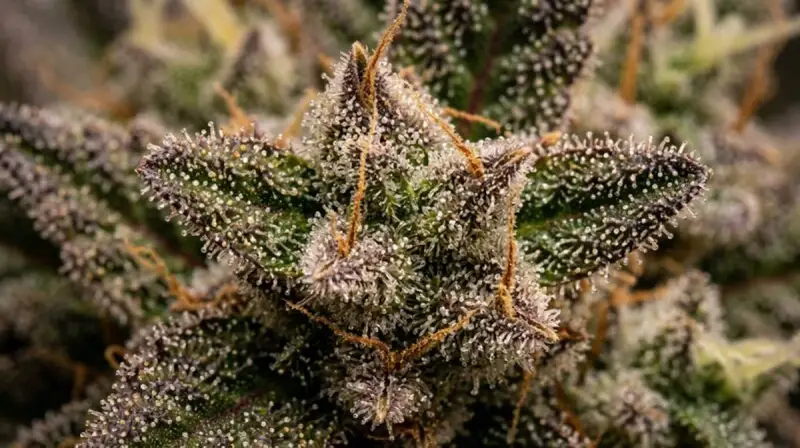
Colorado OG, one of the defining strains of the Colorado cannabis identity, was developed and refined in Denver cultivation facilities. Its characteristics — heavy resin production, balanced hybrid effects, Colorado-adapted genetics — became a template for the state’s cultivation identity. Walking into a Denver dispensary and asking for a recommendation will frequently start with Colorado OG or a descendant strain, reflecting the city’s pride in its homegrown cannabis heritage.
What to Bring to a Denver Dispensary
The buying process at a Denver dispensary is straightforward but requires preparation, especially for first-timers and out-of-state visitors. Dispensary staff — called budtenders — are trained to check identification rigorously and assist customers with product selection.
| Item | Why You Need It | Notes |
|---|---|---|
| Valid government-issued photo ID | Age verification 21+, mandatory | Driver’s license, passport, military ID. Must not be expired. |
| Cash or debit card | Payment | Many dispensaries are cash-heavy due to banking restrictions. ATMs usually on site. Some accept debit (PIN-based). Credit cards generally not accepted. |
| Colorado Red Card (if applicable) | Medical pricing, higher limits | Bring your physician certification and state-issued card for medical pricing at dual-licensed shops. |
| List of what you want | Efficiency, confidence | Browse menus online (Leafly, Weedmaps, dispensary websites) before visiting. Reduces decision fatigue in a large-menu environment. |
| Questions for your budtender | Better outcome | What’s the terpene profile? Do you have lab results? What do you recommend for [specific need]? |
One practical note: cannabis dispensaries in Denver (and Colorado generally) operate as cash-preferred businesses due to ongoing federal banking restrictions that make standard merchant processing unavailable for cannabis sales. Most shops have ATMs on-site, but ATM fees can be $3–$5 per transaction. Bringing cash in advance is the more economical approach. Some dispensaries have adopted cannabis-specific payment processors or PIN-debit workarounds — ask when you arrive.
Budtenders at established Denver dispensaries are typically well-trained in product knowledge. Do not hesitate to ask for guidance on strains, effects, terpene profiles, or consumption methods. The best shops employ staff who can explain the difference between indica-dominant and sativa-dominant hybrids, explain why one concentrate method produces a different experience than another, and help a first-timer navigate a product selection that might include 200+ SKUs.
Watch: Denver Cannabis Overview
Denver Dispensary Products: What You’ll Find on the Menu
Denver’s mature market means the product selection at established shops is genuinely impressive. A well-stocked Denver dispensary typically carries 150–300+ SKUs across multiple product categories. Here is what to expect:
| Category | What’s Available | Typical Price Range | Notes |
|---|---|---|---|
| Flower — Value Tier | House brands, trim, older stock | $20–$28 per 1/8 oz | Often very good quality at Colorado wholesale prices; great starting point |
| Flower — Mid Tier | Branded strains, name-recognition varieties | $30–$45 per 1/8 oz | Consistent quality; most popular category for regulars |
| Flower — Premium/Craft | Small-batch, live-harvested, sun-grown, single-origin | $50–$70+ per 1/8 oz | Connoisseur tier; often from boutique Colorado farms |
| Pre-rolls | Singles (0.5–1g), multi-packs, infused pre-rolls | $5–$20 each | Infused (oil-dipped or hash-coated) pre-rolls deliver much higher potency |
| Vape Cartridges | 510-thread, all-in-one, live resin, CO2-extracted | $30–$60 per 0.5g | Discreet; live resin carts preserve more terpene character |
| Concentrates | Shatter, wax, live resin, rosin, diamonds, sauce | $25–$80 per gram | Denver has excellent local concentrate producers; rosin is cold-press, no solvent |
| Edibles | Gummies, chocolates, beverages, capsules, tinctures | $15–$40 per package | Onset 30–120 min, effects up to 6+ hours; start with 5–10mg for new users |
| Topicals | Balms, lotions, patches, bath salts | $20–$60 | Non-intoxicating; localized relief; no psychoactive effect |
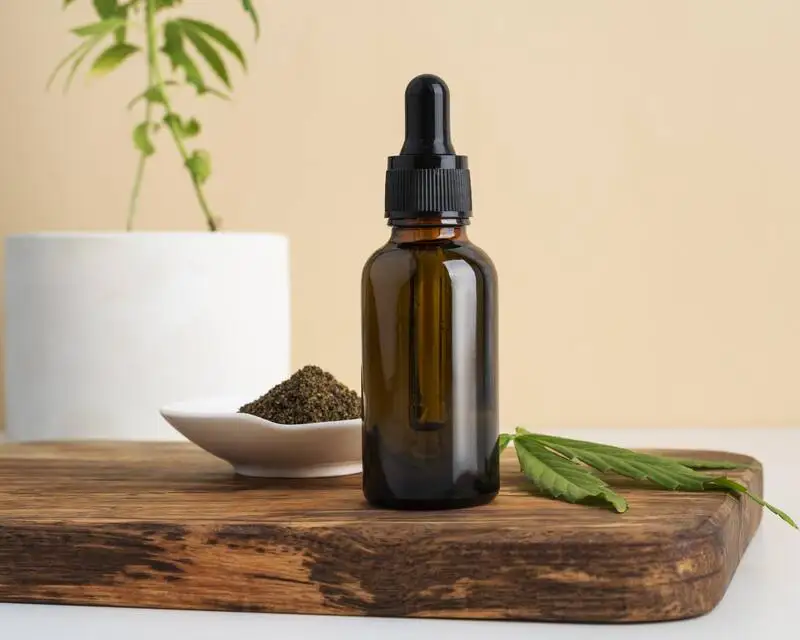
| Tinctures | Full-spectrum, isolate, 1:1 CBD:THC, RSO | $25–$80 per bottle | Sublingual delivery; faster onset than edibles; precise dosing |
Colorado’s craft cultivation sector is particularly strong in flower quality. The combination of high altitude, low humidity, and abundant sunshine (Denver averages 300 days of sun per year) creates growing conditions that many cultivators argue produce superior resin production compared to humid coastal states. Sun-grown Colorado cannabis from farms in the foothills is a niche product that commands a premium and is worth seeking out for flower connoisseurs.
The concentrate market in Denver is among the most developed in the country. Colorado has several nationally respected concentrate producers who operate out of Denver-area facilities. Live resin — produced by flash-freezing freshly harvested plant material before extraction to preserve volatile terpenes — originated as a technique in Colorado and is still produced to very high standards by Denver-area processors.
Denver Cannabis Price Guide
Denver’s competitive market has driven prices to among the most consumer-friendly in any legal US market. Prices vary significantly by tier, shop, and neighborhood, but the following benchmarks reflect typical recreational (post-tax) prices at established Denver dispensaries.
| Product | Budget | Mid-Range | Premium |
|---|---|---|---|
| 1/8 oz flower (3.5g) | $20–$28 | $30–$45 | $50–$70+ |
| 1/4 oz flower (7g) | $40–$55 | $55–$80 | $90–$120+ |
| 1 oz flower (28g) | $130–$180 | $180–$260 | $280–$380+ |
| Pre-roll 1g | $5–$8 | $10–$15 | $15–$25+ |
| Vape cart 0.5g | $25–$35 | $35–$50 | $50–$65+ |
| Concentrate 1g | $25–$35 | $40–$55 | $60–$85+ |
| Edibles 100mg package | $15–$20 | $20–$30 | $30–$45+ |
A practical note on dispensary deals: Denver dispensaries aggressively promote daily specials, loyalty programs, and first-time-visitor discounts. Most shops offer a new customer deal that can be significant — 20%–40% off your first purchase. If you plan to visit multiple shops (legal with no purchase restrictions per location visit), taking advantage of first-time deals at multiple shops can substantially reduce your spending. Check Weedmaps, Leafly, or individual dispensary websites for current promotions.
Medical card holders pay dramatically less. At current pricing, a Colorado Red Card holder purchasing mid-tier flower saves roughly $8–$15 per 1/8 oz compared to recreational pricing. For frequent consumers, the card pays for itself rapidly. Colorado resident patients can obtain a medical card through a licensed physician for a modest fee, plus the state registration fee.
Denver’s Dispensary Neighborhoods: Capitol Hill, RiNo & Colfax
Denver’s cannabis shops are distributed across the city, but certain neighborhoods have become particularly associated with dispensary density and cannabis culture.
Capitol Hill (Cap Hill) is Denver’s densest and most historically significant cannabis neighborhood. Centered on Colfax Avenue between Broadway and Cheesman Park, Cap Hill developed its cannabis cluster during the medical marijuana proliferation of 2009–2010 and has maintained high dispensary density ever since. The neighborhood’s mix of long-term residents, young renters, and counterculture heritage creates a customer base that values independent shops, knowledgeable staff, and diverse product selection over corporate scale. Many of Denver’s most respected independent dispensary brands are headquartered in or originated from Cap Hill.
RiNo (River North Art District) is Denver’s most rapidly gentrifying neighborhood and the site of some of the city’s most design-forward and experiential dispensary concepts. As the neighborhood transformed from light-industrial into an art-gallery and restaurant district over the past decade, cannabis retail followed. RiNo dispensaries tend to emphasize premium aesthetics, curated product selection, and retail experiences that align with the neighborhood’s broader creative identity. Social consumption lounge experiments have been particularly prominent in RiNo.
Colfax Avenue is Denver’s most legendary street — once described as the longest commercial street in America — and its cannabis retail corridor spans a substantial portion of East Colfax and East Colfax through Aurora. Colfax dispensaries range from budget-focused value shops to established mid-market operators, reflecting the corridor’s mix of long-term residential and commercial uses. Colfax is practical for visitors staying in the Capitol Hill, Congress Park, or City Park neighborhoods.
Outside these core neighborhoods, Denver has significant dispensary clusters in Barnum/West Denver (budget-focused), Broadway Corridor (mixed tier), and the South Colorado Boulevard/Glendale corridor that includes the historic Green Mile. The western suburbs of Lakewood and Wheat Ridge also have substantial dispensary density for buyers staying west of the city center.
Medical vs. Recreational Dispensaries in Denver
Denver has three types of cannabis retail licenses: Medical Only (MED license only), Recreational Only (Retail license only), and Dual-Licensed (both medical and recreational). Understanding the difference matters for what you can buy, at what price, and under what rules.
| Factor | Medical Dispensary | Recreational Dispensary | Dual-Licensed |
|---|---|---|---|
| Who can buy | Colorado MMJ card holders only | Any adult 21+ with valid ID | Both, via separate entrances or counters |
| Purchase limit | 2 oz/day | 1 oz/transaction | Depends on which license used |
| Tax rate | ~8.81% (state sales tax) | ~26–30% combined | Medical rate for MMJ card holders |
| Product availability | Medical-specific formulations, RSO, higher-potency tinctures | Full recreational menu | Full combined menu |
| Requires MMJ card | Yes | No | No (recreational side) |
| Age limit | 18+ with qualifying condition (minors with caregiver) | 21+ | 21+ recreational; 18+ medical |
For visitors, recreational dispensaries and the recreational side of dual-licensed shops are the practical choice. For Colorado residents who consume cannabis regularly, obtaining a Colorado Red Card is financially rational: the tax savings on a regular purchase habit typically cover the cost of card registration within a few months. The medical program also offers access to products not available on the recreational menu, including certain high-potency tinctures and formulations developed for specific medical conditions.
Denver Cannabis Consumption Rules
Where you can legally consume cannabis in Denver is as important as where you can buy it. The rules are nuanced and have evolved since legalization, with Denver leading the nation in developing social consumption frameworks.
Private residences: The default legal consumption space. Any private property where the owner permits cannabis consumption is legal. Renters should be aware that lease agreements frequently prohibit smoking (though not necessarily other consumption methods). Short-term rental properties have varying policies; always verify before booking a 420-friendly stay.
Social consumption businesses (Denver’s unique framework): Denver became the first major US city to issue social consumption licenses, allowing businesses to permit on-site cannabis consumption. These range from standalone lounges to dispensaries with consumption areas to event permits. The number of active licensed social consumption businesses has grown steadily since the program launched. Always verify a business is currently licensed before planning consumption on-site.
420-friendly hotels and accommodations: A small but growing segment of Denver accommodation explicitly permits cannabis consumption, typically in designated outdoor areas or as smoking-permitted properties. Several short-term rental platforms in Colorado have developed 420-friendly listing categories. Denver’s cannabis tourism infrastructure has created demand for these accommodations, and the supply has followed.
What remains illegal: Consumption in any public space, including parks (including Denver City Park and Washington Park, both of which see frequent illicit consumption that results in periodic enforcement), streets, sidewalks, parking lots, vehicles (even parked), federal lands, and federal facilities. Cannabis on RTD (public transit) property is also prohibited. Violations can result in fines of $150–$999 depending on the specific offense.
Transporting Cannabis in Denver
Colorado law permits adults to transport legally purchased cannabis within the state under specific conditions. The rules are designed to prevent consumption while driving and to distinguish legal personal transport from intent to distribute.
Cannabis must be in a sealed, child-resistant container (as dispensed) during transport in a vehicle. An opened container in the passenger area is treated similarly to an open container of alcohol. The best practice is to keep all dispensary-purchased cannabis in its original sealed packaging in the trunk or inaccessible area of the vehicle until you reach your private destination.
The absolute restriction: no cannabis crosses Colorado’s state lines. This applies in every direction — Utah, New Mexico, Arizona, Oklahoma, Kansas, Nebraska, and Wyoming are all either prohibition or different-legal-framework states, and the moment cannabis crosses the state boundary it is subject to federal law. Cannabis found at Denver International Airport (DIA) is confiscated; TSA agents are required to contact local law enforcement for cannabis found in screening, though Denver Airport has discretion in enforcement. The safest approach is to consume all purchased cannabis before any interstate or international travel.
Author
Frequently Asked Questions: Denver Dispensaries
Do I need a medical card to buy cannabis at Denver dispensaries?
No. Any adult aged 21 or older with a valid government-issued photo ID can purchase recreational cannabis at any licensed Denver dispensary without a medical card. A Colorado Red Card is optional but offers meaningful advantages: higher daily purchase limits (2 oz vs 1 oz), lower effective tax rates (roughly 8.81% vs 26–30%), and access to medical-only products and formulations not available on the recreational menu.
How much cannabis can I buy at once in Denver?
Recreational customers can purchase up to 1 ounce (28 grams) of cannabis flower per transaction. Equivalency rules apply: 8 grams of concentrate or 800mg THC in edibles equates to 1 ounce. Medical patients holding a valid Colorado Red Card can purchase up to 2 ounces per day.
Can tourists buy cannabis in Denver?
Yes. Any adult 21+ with a valid government-issued photo ID — including out-of-state driver’s licenses, passports, and military IDs — can purchase recreational cannabis at Denver dispensaries. You cannot take cannabis across state lines; all purchases must be consumed within Colorado.
Where can I legally consume cannabis in Denver?
Denver permits consumption in private residences (with property owner’s permission) and at licensed social consumption businesses (cannabis lounges, hospitality establishments). Public consumption on streets, in parks, in vehicles, or on federal land is illegal. Many hotels prohibit smoking on premises; check policies before booking.