

- First in the world: Colorado retail cannabis opened January 1, 2014 — the first legal recreational sales on Earth. Amendment 64 passed November 2012 with 55.3% of votes.
- Medical since 2000: Amendment 20 established Colorado’s medical cannabis program November 2000 — one of the earliest medical cannabis states in the US.
- Possession: Adults 21+ may possess up to 1 oz (28 g) flower in public. Per-transaction limits: 1 oz flower, 8 g concentrate, 800 mg THC edibles.
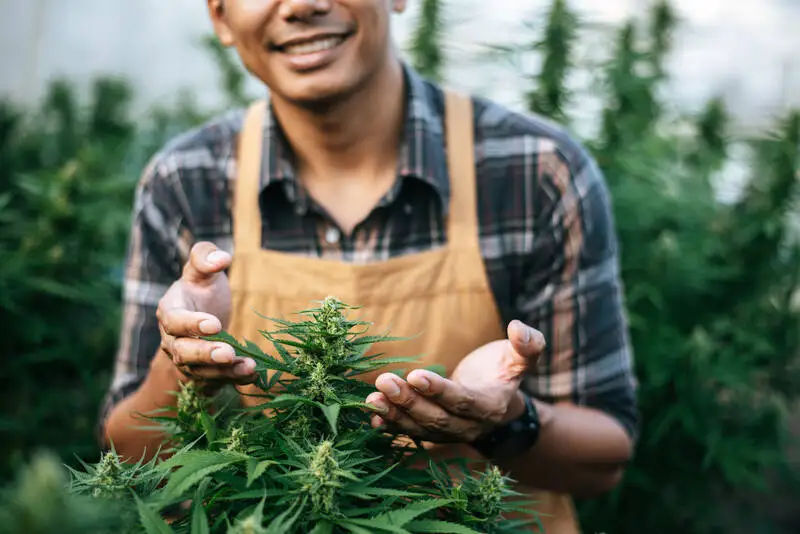
- Home grow (3+3): Up to 6 plants per adult (max 3 flowering at one time); maximum 12 plants per residence. Enclosed, locked, not visible. Enables continuous harvest cycle.
- Tax structure: 15% state excise (wholesale) + 15% state retail sales tax = ~30% combined state burden. Local taxes 3–8% additional. Medical: 2.9% state sales tax only.
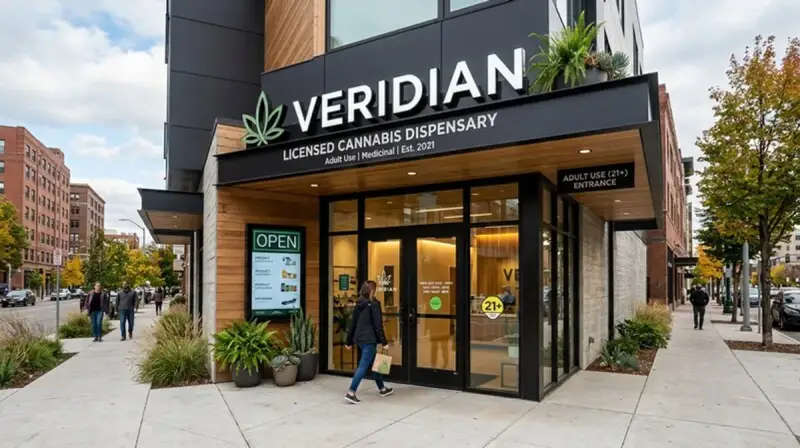
- 600+ dispensaries: Statewide. Denver 200+, Boulder, Pueblo, Colorado Springs. I-70 ski corridor (Summit Co., Eagle Co.) is tourist-focused with Breckenridge, Vail, Keystone area shops.
- Social consumption clubs: Licensed under HB23-1032 (2023). Denver, Boulder permit consumption lounges — a US first.
- DUID law: 5 ng/mL THC in whole blood creates permissive inference of impairment (C.R.S. 42-4-1301). Criticized by scientists for poor correlation with actual impairment.
Quick Legal Reference — Colorado
| Category | Rule / Limit |
|---|---|
| Recreational legal since | Amendment 64: November 2012; retail sales January 1, 2014 (world first) |
| Medical legal since | Amendment 20: November 2000 |
| Regulatory body | Marijuana Enforcement Division (MED), Colorado Department of Revenue |
| Public possession — flower | 1 oz (28.35 g) |
| Public possession — concentrate | 8 g |
| Per-transaction edible limit | 800 mg THC |
| Home cultivation | 6 plants per adult (3 flowering max); 12 plants per residence max; enclosed, locked, not visible |
| Home possession | No specific ceiling for documented homegrown or purchased |
| Minimum purchase age | 21+ recreational; any age with valid medical Red Card |
| State excise tax (wholesale) | 15% |
| State retail sales tax | 15% |
| Combined state tax burden | ~30% |
| Medical cannabis tax | 2.9% state sales tax only |
| Local sales tax | Typically 3–8% |
| Public consumption | Illegal; petty offense, $100 fine |
| Social consumption clubs | Licensed in Denver, Boulder and opted-in municipalities (HB23-1032, 2023) |
| Delivery | Legal in opted-in municipalities (HB21-1317, 2021) |
| DUID threshold | 5 ng/mL whole blood THC — permissive inference under C.R.S. 42-4-1301 |
| Licensed dispensaries statewide | 600+ |
| I-70 ski corridor | Summit Co., Eagle Co., Clear Creek Co. — tourist dispensaries near Breckenridge, Vail, Keystone |
Amendment 64: Colorado’s Legal Cannabis History
Colorado’s path to recreational legalization began with Amendment 20 in November 2000, when voters approved medical cannabis with a 54% majority — one of the first states to do so. The medical program grew over the following decade, building regulatory and commercial infrastructure.
Amendment 64 — “Regulate Marijuana Like Alcohol” — passed in November 2012 with 55.3% of the vote, running simultaneously with Washington State’s Initiative 502. Colorado became the first jurisdiction in the world to adopt a full commercial recreational cannabis regulatory framework.
The Colorado General Assembly established regulations by July 2013, and the Marijuana Enforcement Division (MED) developed the licensing system that allowed retail stores to open on January 1, 2014 — the first legal recreational cannabis sales in world history. Hundreds of consumers queued in Denver in freezing temperatures to make the first purchases.
Amendment 64 has since been amended multiple times: delivery added in 2021 (HB21-1317), social consumption licenses expanded in 2023 (HB23-1032), social equity provisions enhanced, and automatic expungement enacted (HB21-1090).
Home Cultivation — The 3+3 Rule
| Category | Recreational (21+) | Medical (Red Card) |
|---|---|---|
| Plants per adult | 6 (max 3 flowering at one time) | 6 (or more with physician approval) |
| Plants per residence max | 12 (regardless of number of adults) | 12 (or more per physician approval) |
| Cultivation requirements | Enclosed, locked; not visible from public or neighboring property | Same |
| Public possession — flower | 1 oz | 2 oz |
| Public possession — concentrate | 8 g | 40 g |
| Per-transaction edible limit | 800 mg THC | 800 mg THC |
| Gifting between adults | Up to 1 oz without compensation | N/A |
Colorado’s 3+3 rule (3 flowering, 3 vegetative) enables a continuous harvest cycle. The 12-plant-per-residence cap applies even if three or more adults share a home — roommates cannot multiply individual allowances. Plants must not be visible from any public street, sidewalk, or neighboring property.
Tax Structure & Revenue
| Tax Type | Rate | Applies To | Revenue Destination |
|---|---|---|---|
| State Excise Tax | 15% | Recreational — levied at wholesale (cultivator to retailer) | BEST Program: public school construction |
| State Retail Sales Tax | 15% | Recreational — levied at point of sale | Marijuana Cash Fund: enforcement, education, healthcare |
| Medical Cannabis Sales Tax | 2.9% | Medical cannabis (excise-exempt) | General fund |
| Local Sales Tax | Typically 3–8% | Both recreational and medical | Municipal general funds |
| Effective total — recreational | ~28–33% | Consumer-facing including local | Multiple state and local programs |
Colorado has generated over $1.7 billion in total cannabis tax revenue since 2014. The BEST Program excise tax funds $40+ million in public school construction annually. Red Card (medical) holders pay only 2.9% state sales tax vs. ~30% combined for recreational — saving roughly 25–27% per purchase, which sustains the medical program.
Dispensaries: Denver, I-70 Corridor and Beyond
Over 600 licensed dispensaries operate statewide as of 2026, spanning standalone recreational, dual-license (rec+medical), and medical-only operations under MED licensing.
| Location | Character | Notable Notes |
|---|---|---|
| Denver | 200+ locations; highest density statewide | Social consumption lounges available; first major city to permit consumption clubs |
| Boulder | Premium boutique; strong craft flower and concentrate market | University city; high menu quality; younger demographic |
| Colorado Springs | Large retail presence; conservative regulatory environment | El Paso County; military presence creates distinct market dynamics |
| Pueblo | Competitive pricing; production hub | High dispensary-to-population ratio; lower prices than Denver metro |
| I-70 Ski Corridor | Tourist-focused; Summit Co., Eagle Co., Clear Creek Co. | Breckenridge, Vail, Keystone, Aspen area; high-volume tourist dispensaries; premium pricing |
| Aspen | Luxury positioning; concentrate specialists | Highest prices in state; boutique presentation |
Social consumption clubs (HB23-1032, 2023): Denver and Boulder permit licensed venues where adults may purchase and consume on-site. This addresses the hotel consumption challenge for tourists. Delivery (HB21-1317, 2021) is available in opted-in municipalities including Denver and Boulder.
Visitors may purchase from any licensed dispensary with valid ID showing age 21+. Cannabis purchased in Colorado cannot legally cross state lines — a federal offense regardless of neighboring states’ laws.
DUID, Federal Land and Penalties
Colorado law (C.R.S. 42-4-1301) establishes a permissive inference of impairment for drivers with 5 ng/mL or more of active THC in whole blood. Unlike a per se standard, the defendant may attempt to rebut the presumption. AAA Foundation for Traffic Safety research found no reliable correlation between blood THC levels and driving impairment, particularly in frequent users who maintain elevated baseline levels long after impairment resolves.
| Offense | Classification | Penalty |
|---|---|---|
| Public consumption | Petty offense | $100 fine; not a criminal record |
| Possession over 1 oz, under 2 oz | Petty offense | $100 fine |
| Possession 2–6 oz | Level 2 drug misdemeanor | Up to 12 months jail, $750 fine |
| Possession over 6 oz | Level 1 drug misdemeanor | Up to 18 months jail, $5,000 fine |
| Unlicensed sale | Drug felony (level varies by quantity) | 1–3+ years prison |
| DUID (5 ng/mL+ blood THC) | DUI offense | First offense: 5 days–1 year jail, $600–$1,000 fine, license suspension |
| Sale to minor | Drug felony | 2–6 years prison |
| Possession on federal land | Federal misdemeanor | Rocky Mountain NP, national forests, BLM land — state law does not apply |
Federal land: Rocky Mountain National Park, Mesa Verde, national forests, and BLM land all prohibit cannabis under federal law — including many popular skiing, hiking, and camping destinations.
Social Equity, Employment and Expungement
Colorado’s Social Equity Program (expanded 2021–2022) provides priority review, fee waivers, and technical assistance for applicants from communities disproportionately impacted by prior drug enforcement. HB 21-1090 established automatic sealing of eligible cannabis conviction records — the first state to do so at scale. Tens of thousands of records have been sealed as of 2024.
Employment protections under Colorado’s HELPS Act (HB23-1325) provide some protection against adverse employment action based solely on off-duty cannabis use for employers with 20+ employees in some municipalities. Significant exceptions remain for safety-sensitive roles, federally regulated employment, and federal contractors.
Colorado vs. Other Early-Legal States
| State | Rec Retail Since | Home Grow | State Tax | Consumption Lounges | Delivery |
|---|---|---|---|---|---|
| Colorado | Jan 2014 (world first) | 6 plants (3 flowering); 12/household | ~30% combined | Licensed (HB23-1032) | Opt-in municipalities |
| Washington | July 2014 | None recreational; 6 plants medical | 37% excise | Not permitted | Not permitted |
| Oregon | Oct 2015 | 4 plants; 8 oz home | 17% state + 3% local | Licensed | Legal |
| California | Jan 2018 | 6 plants per adult | 15% excise + 7.25% sales | Licensed (LA, SF, WeHo) | Statewide |
Watch: Cannabis Laws Overview
Related State Guides
- California Cannabis Laws →
- New York Cannabis Laws →
- Nevada Cannabis Laws →
- Massachusetts Cannabis Laws →
- Florida Cannabis Laws →
- Washington Cannabis Laws →
View All 50 US State Cannabis Laws → | Legalization by State Overview →
How Long Does Weed Stay in Your System? → | Cannabis Effects Guide →