
St. Louis Dispensaries: The Complete Buyer’s Guide
St. Louis, Missouri became one of the Midwest’s most significant cannabis markets almost overnight when Missouri voters passed Amendment 3 in November 2022, legalizing recreational cannabis with one of the broadest possession limits in the country — 3 ounces of flower, matching New York’s limit and doubling what most other states allow. St. Louis dispensaries began recreational sales in February 2023, and the metro area — spanning both Missouri side neighborhoods like Clayton, South Grand, and the Grove and Illinois suburbs across the Mississippi — has seen one of the fastest recreational market growth rates of any US city that launched post-2020. For the millions of residents and visitors in the greater St. Louis bi-state region, this guide provides everything needed for a confident, legal cannabis purchase in the Gateway City.
- Legal framework: Missouri Constitutional Amendment 3 (November 2022) — recreational sales began February 3, 2023. Missouri DHSS (Department of Health and Senior Services) regulates all cannabis licensing.
- Recreational possession limit: 3 ounces (85g) of flower in public. Up to 6 ounces in a private residence. Up to 3 grams of concentrate. Infused products up to 500mg THC.
- Tax structure: Missouri 6% state cannabis excise tax + standard Missouri sales tax (4.225% state + local add-on). St. Louis City and St. Louis County have additional local taxes. Total effective burden approximately 15–20% — among the lowest in the US for major markets.
- Medical program: Missouri voters approved Amendment 2 in November 2018 establishing the medical cannabis program. Dispensaries began medical sales in 2020. Medical patients pay no recreational excise tax and have higher purchase limits.
- Social equity: Amendment 3 included provisions for expungement of prior cannabis convictions and social equity licensing considerations. Missouri expunged hundreds of thousands of cannabis records following Amendment 3’s enactment.
- Home cultivation: Adults 21+ may cultivate up to 6 plants per person (maximum 12 per household) for personal use. Plants must be grown in an enclosed, locked space not accessible to people under 21.
- Public consumption: Prohibited in all public places and vehicles. Only permitted on private property with owner’s consent. No licensed consumption lounges in St. Louis.
- Rapid growth: Missouri’s cannabis market grew from zero recreational sales to one of the top-10 monthly revenue markets in the country within 12 months of Amendment 3 recreational launch.
Missouri Cannabis Law: Amendment 3 and the St. Louis Market
Missouri’s path to recreational cannabis legalization was built on a foundation established by Amendment 2 in November 2018, which created the state’s medical cannabis program. The Missouri Department of Health and Senior Services (DHSS) administered the medical rollout, licensing cultivation, manufacturing, and dispensary operations beginning in 2020. The medical program’s relatively rapid rollout — by Midwest standards — gave Missouri’s operators valuable infrastructure experience before recreational legalization arrived.
Amendment 3, which passed with 53% voter support in November 2022, added Section 7 to Article XIV of the Missouri Constitution — the highest-level protection available for cannabis legalization in Missouri’s legal structure, making it significantly more difficult for future legislatures to restrict or reverse. The amendment established the 3-ounce public possession limit (unusual in its generosity compared to most 1-ounce states), directed automatic expungement of eligible prior cannabis convictions, and required DHSS to issue recreational sales endorsements to existing licensed medical operators by February 3, 2023.
Missouri’s 6% state cannabis excise tax is one of the lowest in the country for major legal markets. Combined with Missouri’s standard state sales tax of 4.225% and local St. Louis taxes, the total effective burden at St. Louis dispensaries is typically 15–20% — substantially lower than Chicago (35–40%), NYC (20–26%), or California (23–28%). This tax advantage, combined with Missouri’s central US location and St. Louis’ position as a major regional hub, contributed to the market’s exceptional first-year growth velocity. Missouri residents and visitors from neighboring states (Tennessee, Kentucky, Arkansas, Iowa, Kansas, and Nebraska — all with more restrictive cannabis laws) find St. Louis a practical legal cannabis destination. See our Missouri cannabis guide for full legal details.
Missouri’s Amendment 3 expungement provisions directed courts to automatically expunge or seal records for offenses that are now legal under the amendment. Convictions for possession of 3 ounces or less, cultivation of 6 plants or fewer, and related offenses became candidates for automatic expungement. The Missouri Courts and prosecutor’s offices processed hundreds of thousands of eligible records in the months following the amendment’s enactment, representing one of the most significant mass expungement actions in state history.
“Missouri’s 6% cannabis excise tax and 3-ounce possession limit combine to make St. Louis one of the most consumer-friendly legal cannabis markets in the entire Midwest region.”
The St. Louis Dispensary Scene: Neighborhoods & Key Areas
St. Louis’ dispensary landscape spans both the city proper and the broad suburban counties of St. Louis County, St. Charles County, and Jefferson County. The city’s bi-state character — with East St. Louis and several Illinois suburbs across the Mississippi River — creates cross-border shopping considerations similar to those in the Chicago metro area, where Illinois legalization preceded Missouri by nearly two years. Here is the neighborhood-by-neighborhood St. Louis cannabis retail guide.
The Grove / Forest Park Southeast: The Grove, St. Louis’ LGBTQ-friendly arts and entertainment district, has emerged as a notable dispensary zone. The neighborhood’s progressive character and dense retail corridor make it a natural fit for cannabis retail. Multiple licensed dispensaries on Manchester Avenue and surrounding blocks serve the Grove’s resident and nightlife visitor mix. MetroLink light rail access via the Forest Park/DeBaliviere station is within reasonable walking distance.
South Grand / Tower Grove: South Grand’s diverse, walkable restaurant row and Tower Grove Park’s adjacent neighborhoods have licensed dispensaries serving one of St. Louis’ most walkable and diverse residential communities. Shops here often combine competitive pricing with a neighborhood-oriented character that differs from the more commercial suburban dispensary experience.
Clayton: St. Louis County’s seat and central business district, Clayton hosts dispensaries serving the business and professional community with premium product orientations and efficient service. MetroLink access at Clayton station provides connectivity to the broader metro area. Clayton dispensaries tend toward higher-end product selection matching the neighborhood’s upscale commercial character.
Midtown / Grand Center: The Midtown arts district near Grand Center, Soulard, and the Benton Park neighborhoods have licensed dispensaries serving St. Louis’ arts community, young professional base, and established residential neighborhoods. These shops combine reasonable pricing with a community-centered character.
St. Louis County suburbs: Florissant, Kirkwood, Chesterfield, Ballwin, and St. Peters in St. Charles County all have licensed dispensaries serving their substantial suburban populations. These suburban shops tend toward high-volume operations with wide product menus, ample parking, and competitive loyalty pricing. For visitors staying at suburban St. Louis hotels, these shops are typically the most convenient option.
East St. Louis / Illinois side: Illinois legalized recreational cannabis in January 2020, nearly three years before Missouri. East St. Louis and the Metro East Illinois communities have had licensed dispensaries since 2020. However, these are Illinois-licensed shops operating under Illinois law and Illinois tax rates (which are higher than Missouri’s). Missouri-side St. Louis dispensaries are generally more price-competitive than their Illinois counterparts due to Missouri’s lower tax structure. Do not attempt to bring Illinois cannabis purchases into Missouri.

What to Bring to a St. Louis Dispensary
Missouri dispensaries require ID verification at every visit per DHSS regulations. Here is what to bring for a smooth first visit to any St. Louis cannabis shop.
- Valid government-issued photo ID: Missouri driver’s license, out-of-state driver’s license, US passport, passport card, military ID, or tribal ID. Must show date of birth and cannot be expired. Missouri dispensaries record ID information under DHSS compliance requirements. This is standard at all licensed Missouri retailers and is not optional.
- Cash or debit card: Missouri’s cannabis banking environment is similar to most states — many dispensaries use cashless ATM systems or PIN-based debit processing. Cash is universally accepted at all St. Louis licensed dispensaries. Some higher-volume St. Louis shops have better banking relationships allowing broader card acceptance — confirm options when placing a pre-order or calling ahead.
- Missouri medical patient card (if applicable): Missouri medical cannabis patients with a valid DHSS patient registry card pay only standard Missouri sales tax on purchases (no 6% recreational excise) and may access higher purchase limits. The financial benefit of medical registration for regular St. Louis consumers is meaningful at approximately 6% savings per purchase plus potential access to medical-specific products.
- Pre-order confirmation: St. Louis dispensaries in the Grove and South Grand corridors, as well as Clayton business district locations, can have significant wait times during peak evening and weekend periods. Pre-ordering online for express pickup through the shop’s website, Leafly, or Weedmaps reduces wait time significantly.
- Private consumption plan: Missouri prohibits public consumption statewide. St. Louis has no licensed cannabis consumption lounges. If you are visiting St. Louis for tourism — the Arch, Forest Park, Busch Stadium, Soulard Market — all of these are public spaces where consumption is prohibited. Arrange a private accommodation that permits cannabis before purchasing.
St. Louis Cannabis: Video Overview
Product Types at St. Louis Dispensaries
Missouri-licensed St. Louis dispensaries carry the full range of cannabis product categories permitted by DHSS regulations. All products must be produced by DHSS-licensed Missouri cultivators and manufacturers, third-party lab-tested for potency and safety, and packaged in child-resistant labeled containers. Here is what to expect on the St. Louis menu.
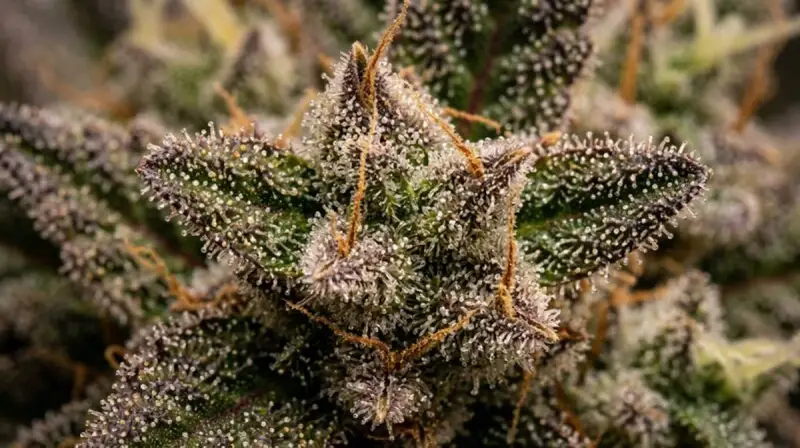
Flower: Missouri’s cannabis cultivation sector expanded rapidly following medical legalization in 2020 and has matured significantly since recreational sales began. St. Louis dispensaries carry a growing range of Missouri-grown flower from both large licensed multi-state operators and smaller Missouri-based craft cultivators. As the market develops, expect increasing availability of small-batch Missouri-origin cultivars. THC percentages range from mid-teens on value products to high-twenties and above for premium craft offerings. Browse strain profiles to prepare for what you’ll find on St. Louis menus.
Edibles: Missouri-licensed edibles are capped at 10mg THC per serving under DHSS regulations. Gummies, chocolates, hard candies, beverages, and baked goods are available across St. Louis dispensaries. The breadth of Missouri’s licensed manufacturer base is still developing compared to California or Colorado, but product variety has improved significantly in the first years of recreational sales. Start with a single 10mg serving and wait 90 minutes before evaluating effects.
Vape cartridges: Distillate and live resin cartridges are widely available across St. Louis dispensaries. Missouri’s DHSS requires potency testing on all vape products. The St. Louis market is still developing its premium extract product selection — expect broader variety as Missouri-licensed processors expand their capabilities.
Concentrates: Wax, shatter, live resin, rosin, and related extracts are available at most St. Louis dispensaries targeting experienced consumers. Missouri’s concentrate market is younger than California or Colorado’s but growing. Several St. Louis dispensaries have developed exclusive relationships with Missouri-based concentrate producers offering quality comparable to more established markets.
Topicals: THC and CBD-infused topicals are available at St. Louis dispensaries serving the city’s broad demographic mix. Non-intoxicating when applied topically. Popular among older consumers and medical patients managing localized pain conditions.
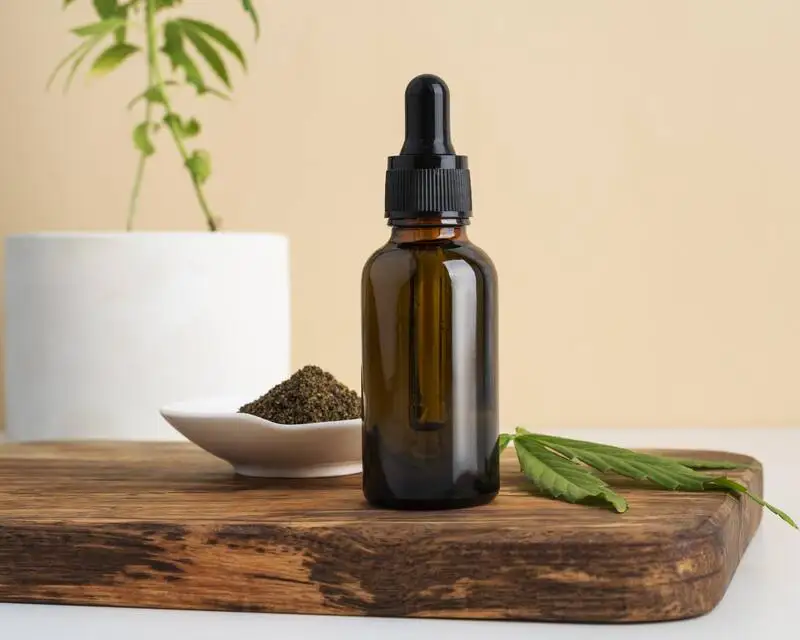
Tinctures: Missouri’s medical cannabis program established strong demand for precise-dosing sublingual tinctures before recreational legalization. Missouri-licensed tinctures carry accurate cannabinoid content labeling per mL for reliable dosing — important for medical patients and health-focused consumers.
St. Louis Cannabis Price Guide
Missouri’s 6% cannabis excise tax is among the lowest in the US legal cannabis market, making St. Louis one of the most price-competitive major markets in the country. Combined with standard state and city sales taxes totaling 15–20%, St. Louis cannabis prices are typically more accessible than Chicago, NYC, or California equivalents. The following reflects typical pre-tax pricing at licensed St. Louis dispensaries.
| Product | Budget Range | Mid Range | Premium Range | Notes |
|---|---|---|---|---|
| Flower (1/8 oz, 3.5g) | $28–$40 | $40–$55 | $55–$72 | Market still maturing; prices declining as supply expands |
| Flower (1 oz) | $130–$180 | $180–$240 | $240–$310 | 3 oz possession limit means ounce purchases practical |
| Pre-rolls (1g) | $10–$15 | $15–$20 | $20–$30 | Growing pre-roll variety as Missouri market develops |
| Vape cartridge (0.5g) | $28–$40 | $40–$56 | $56–$78 | Live resin premium; distillate most common |
| Edibles (100mg package) | $16–$24 | $24–$34 | $34–$50 | 10mg/serving cap; Missouri market developing variety |
| Concentrates (1g) | $35–$52 | $52–$72 | $72–$100 | MO concentrate market still maturing |
| Tincture (30mL) | $28–$44 | $44–$62 | $62–$90 | Medical-oriented market; good tincture selection |
Missouri’s 6% excise tax plus state/local sales taxes typically add 15–20% to pre-tax prices — among the lowest combined tax burdens for major US cannabis markets.
Best Neighborhoods for St. Louis Dispensary Shopping
St. Louis’ dispensary geography spans both a dense walkable urban core and broad suburban corridors. Here is the practical neighborhood guide for cannabis shoppers across the metro.
The Grove (Manchester Ave): Best for a neighborhood-oriented experience with a progressive, arts-community character. Multiple dispensaries within walking distance along Manchester Avenue. MetroLink access from Forest Park-DeBaliviere station. Best for visitors staying in midtown St. Louis and those exploring the Grove entertainment district.
South Grand / Tower Grove: Best for combining cannabis shopping with St. Louis’ most diverse restaurant row. Tower Grove Park is adjacent — but remember, park grounds are a public space where consumption is prohibited. Walkable neighborhood character with dispensaries serving a community-focused customer base.
Clayton: Best for business visitors and those staying in Clayton’s hotel corridor. MetroLink Clayton station provides easy access from the airport (Lambert-St. Louis International) and downtown. Premium product orientation matching Clayton’s professional commercial character.
Suburban St. Louis County (Kirkwood, Chesterfield, Florissant): Best for visitors without car-free transit preference who want ample parking, wide product selection, and competitive everyday pricing. Suburban shops typically have more inventory than boutique urban shops and run loyalty programs oriented toward regular neighborhood customers.
Medical vs. Recreational in St. Louis
Missouri’s medical cannabis program began with Amendment 2 in 2018 and dispensaries started medical sales in 2020. The medical program established the operational foundation that made Amendment 3’s recreational rollout in 2023 smooth — licensed operators already had staff, supply chains, compliance systems, and patient consultation experience in place. Missouri medical patients registered with DHSS are exempt from the 6% recreational cannabis excise tax and may purchase higher amounts per two-week period (up to 4 ounces every 30 days under medical certification). Qualifying conditions include cancer, epilepsy, glaucoma, intractable migraines, debilitating psychiatric disorders, terminal illness, chronic pain, and other conditions where a physician certifies that cannabis may benefit the patient. See our medical cannabis guide for full Missouri enrollment details.
Cannabis Consumption Rules in St. Louis
Missouri prohibits public cannabis consumption statewide. All consumption must occur on private property with the property owner’s consent. There are no licensed cannabis consumption lounges operating in St. Louis. Here are the essential rules for St. Louis cannabis consumers.
Where consumption IS permitted: Private residences — your own home or a private rental where the property owner permits cannabis. Outdoor private property not visible from a public space, where the property owner consents. Some vacation rentals and Airbnb properties in St. Louis explicitly permit cannabis — confirm this in writing before booking.
Where consumption is PROHIBITED: All public parks including Forest Park, Tower Grove Park, and all city and county parks. All vehicles. All streets and sidewalks. All hotels by property policy. The Gateway Arch National Park and all federally controlled property. All entertainment venues — Busch Stadium, Enterprise Center, Hollywood Casino Amphitheatre. Within 1,000 feet of schools and childcare facilities. The Soulard Market public area.
Practical visitor note: St. Louis is a popular tourism destination with the Arch, Forest Park museums, the brewery district, and major sports events drawing visitors year-round. All of these environments prohibit cannabis consumption. Visitors whose accommodations prohibit smoking should consider edibles and tinctures as discreet, smell-free alternatives that can be consumed in a bathroom or private hotel bathroom under some interpretations — though guests should always check property policy before consuming any cannabis product on hotel premises.
Getting Around St. Louis to Dispensaries
St. Louis has the MetroLink light rail system connecting the airport, downtown, and Clayton with key Metro East Illinois stations. Most suburban dispensaries require a car. Here is the practical transport breakdown.
MetroLink: The two-line MetroLink system serves downtown St. Louis, the Central West End, Forest Park, Clayton, and Shrewsbury. Dispensaries near the Grove and Forest Park areas are accessible by MetroLink plus a short walk or rideshare connection. Clayton’s dispensaries are directly accessible from the Clayton MetroLink station.
Driving: The most practical option for most St. Louis dispensary visits, especially for suburban shops. Keep all cannabis purchases sealed in packaging during transport in a vehicle. Do not consume in the car. Missouri law prohibits open containers of cannabis in the passenger compartment.
Rideshare (Uber/Lyft): Widely available throughout St. Louis proper and inner-ring suburban areas. Practical for visitors exploring the Grove, South Grand, and Clayton dispensary zones without driving. Do not consume cannabis in rideshare vehicles.
Frequently Asked Questions
Is recreational cannabis legal in St. Louis, Missouri?
Yes. Missouri voters passed Amendment 3 in November 2022, legalizing recreational cannabis for adults 21+. St. Louis dispensaries began recreational sales February 3, 2023. Adults may possess 3 ounces of flower in public. DHSS regulates all Missouri cannabis licensing.
How much cannabis can I buy in St. Louis?
Adults 21+ may purchase up to 3 ounces of flower, 3 grams of concentrate, and infused products up to 500mg THC per transaction. Missouri medical patients registered with DHSS have higher purchase limits and pay lower effective tax rates (no 6% recreational excise tax).
How fast has the St. Louis cannabis market grown since Amendment 3?
Missouri’s recreational market grew from zero to one of the top-10 monthly revenue US cannabis markets within 12 months of Amendment 3’s February 2023 recreational launch. The low 6% excise tax, generous 3-ounce possession limit, and the city’s position as a regional hub for surrounding states with more restrictive cannabis laws drove exceptional first-year growth velocity.
Can I consume cannabis in public in St. Louis?
No. Missouri prohibits all public cannabis consumption statewide. Consumption is only permitted on private property with the owner’s consent. St. Louis has no licensed consumption lounges. All public venues — parks, streets, the Arch grounds, sports venues — prohibit cannabis. Hotels prohibit smoking by property policy.