










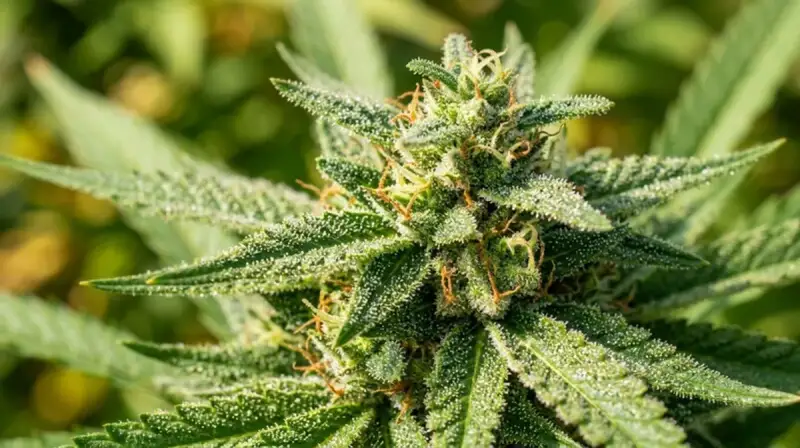
- Olfactory hijack (Soria-Gomez 2014). CB1 receptors in the olfactory bulb are normally suppressed when satiated; THC reverses this suppression and activates them, making food aromas dramatically more intense and appealing even in a fully-fed state. Mice with CB1 removed from the olfactory bulb showed significantly reduced munchies despite intact hypothalamic hunger pathways.
- Ghrelin release (Tucci 2004). THC stimulates ghrelin release from gastric and pancreatic cells via CB1 receptors in the arcuate nucleus of the hypothalamus, raising the primary hunger hormone independently of caloric status or time since last meal.
- POMC paradox (Cohn 2015, Cell Metabolism). THC transiently activates pro-opiomelanocortin (POMC) neurons in the arcuate nucleus via inhibitory GABA interneurons, causing them to release beta-endorphin and hunger-promoting signals rather than their normal satiety output — a neurochemical hijack of the fullness system to produce hunger.
- Dopamine hedonic eating (Volkow 2014). NAcc CB1 activation amplifies dopamine reward responses to food cues, making eating for pleasure rather than metabolic need far more motivating — particularly for calorie-dense sweet and fatty foods.
- Anandamide-chocolate connection. Anandamide occurs naturally in chocolate (Bruinsma & Taren 1999); THC’s structural and functional similarity to anandamide partially explains the specific chocolate craving intensity reported by many cannabis users.
- Medical approval for wasting. Dronabinol (synthetic THC) has been FDA-approved since 1985 for chemotherapy-induced anorexia and since 1992 for HIV/AIDS wasting syndrome — the medical legitimization of the same mechanism behind the recreational munchies.
- THCV as countermeasure. THCV acts as a CB1 antagonist at low doses, blocking the hunger signal; Durban Poison (0.2–1.0% THCV) and Doug’s Varin (up to 25% THCV) are the most pharmacologically significant options for appetite-suppressing cannabis use.
The Olfactory Hijack: Soria-Gomez et al. (2014)
The most counterintuitive and elegant discovery in cannabis appetite science comes from a 2014 paper by Soria-Gomez et al. published in Nature Neuroscience. The research team discovered that the olfactory bulb — the brain’s scent-processing region — is not just incidentally affected by cannabis but is one of its primary hunger mechanisms.
Under normal physiological conditions, the olfactory bulb has a built-in satiety switch: when well-fed, inhibitory circuits in the olfactory cortex suppress CB1 receptor activity in the olfactory bulb, reducing the intensity with which food odors are perceived and processed. The logic is metabolically adaptive: when you are full, food smells should be less compelling to prevent overeating. When you are hungry, CB1 activity rises in the olfactory bulb, food smells become more intense, and appetite is aroused.
THC disrupts this elegant regulation by activating olfactory bulb CB1 receptors directly, regardless of metabolic state. In a fed animal, THC reverses the satiety-induced CB1 suppression and restores the hungry-state olfactory sensitivity. Suddenly, food smells as intensely appealing as it does after fasting — even though a full meal was consumed an hour earlier. The research team proved this was a necessary mechanism (not just a contributory one) by generating mice with CB1 receptors specifically deleted from the olfactory bulb: these mice showed significantly reduced food intake after THC administration despite having intact hypothalamic hunger pathways, confirming that the olfactory mechanism was independently essential to the munchies effect.
For cannabis users, this explains a consistent experiential feature: the munchies are often triggered by smell before any other sensory input. Walking past a restaurant, opening a refrigerator, or even seeing a food commercial can trigger intense appetite during cannabis intoxication in a way that does not happen to the same degree while sober and recently fed.
Ghrelin and the Hypothalamic Hunger Signal
Ghrelin is the body’s primary appetite-stimulating hormone, produced by enteroendocrine cells in the stomach and pancreas. Under normal physiology, ghrelin rises before meals (when the stomach is empty) and falls steeply after eating as gastric distension and intestinal nutrient sensors signal satiety. This pre-meal rise is what produces the physical sensation of hunger — the rumbling, gnawing feeling that motivates food-seeking.
THC disrupts this elegant post-meal ghrelin suppression. Through CB1 receptors in the arcuate nucleus of the hypothalamus, THC stimulates NPY (neuropeptide Y) and AgRP (agouti-related protein) neurons, which override the post-meal ghrelin signal and maintain elevated appetite-promoting output. Tucci et al. (2004) confirmed that THC increases circulating ghrelin in fed animals at a level comparable to fasting, creating a hormonal state of hunger superimposed on a recently-fed physiological state. The body believes it is hungry (ghrelin elevated, NPY/AgRP signaling) even though the stomach is full and nutrient levels are adequate.
The POMC Paradox: Cohn et al. (2015)
Perhaps the most scientifically fascinating element of cannabis-induced hunger is the POMC (pro-opiomelanocortin) neuron paradox, documented by Cohn et al. in 2015 in Cell Metabolism. POMC neurons in the arcuate nucleus are the brain’s canonical satiety signaling cells: when activated, they release alpha-MSH, which binds melanocortin 4 receptors (MC4R) in the paraventricular nucleus and strongly suppresses appetite. Activating POMC neurons should make you less hungry, not more.
Cohn’s team found that THC transiently activates POMC neurons — exactly as expected — but that these neurons, under THC, do not release alpha-MSH to suppress appetite. Instead, they release beta-endorphin and increase the output of orexigenic (hunger-promoting) neuropeptides. The mechanism is an intermediate step: THC activates GABA interneurons that project onto POMC cells, and the GABA signal shifts POMC neurons’ output profile from anti-appetite to pro-appetite. The satiety system is not just disabled — it is actively repurposed to produce hunger. This neurobiological reversal explains why cannabis can produce compelling hunger in individuals who have just eaten a full meal and are by any metabolic measure satiated.
Dopamine and Hedonic Eating
The dopamine mechanism adds a qualitatively distinct dimension to cannabis-induced hunger. Volkow et al. (2014) in PNAS confirmed that THC administration increases dopamine release in the nucleus accumbens and amplifies dopamine responses to food cues — the visual, olfactory, and contextual signals that predict food reward. The practical consequence is that eating during cannabis intoxication is more dopaminergically rewarding than eating while sober: food tastes better, the pleasure of eating is amplified, and the motivation to continue eating past satiety is increased through sustained dopamine reward signaling.
This hedonic eating mechanism explains the specific foods craved during the munchies. Sweet, fatty, and salty foods produce higher baseline dopamine reward than low-calorie foods; cannabis’s CB1-mediated dopamine amplification magnifies this reward differential. The foods that were already the most rewarding become disproportionately more rewarding, explaining why cannabis users rarely report craving plain vegetables during the munchies but very often report intense craving for chocolate, chips, pizza, and ice cream.
| Mechanism | Brain Region | Effect on Appetite | Key Research |
|---|---|---|---|
| Olfactory CB1 activation | Olfactory bulb | Dramatically enhanced food aroma perception even when satiated | Soria-Gomez et al., Nature Neuroscience 2014 |
| Ghrelin release via CB1 | Hypothalamic arcuate nucleus | Primary hunger hormone raised; overrides post-meal suppression | Tucci et al., Endocrinology 2004 |
| POMC neuron hijacking via GABA | Arcuate nucleus | Satiety neurons repurposed to produce hunger signals | Cohn et al., Cell Metabolism 2015 |
| Dopamine reward amplification | Nucleus accumbens | Food reward elevated; hedonic eating motivation amplified | Volkow et al., PNAS 2014 |
Medical Applications of Cannabis Appetite Stimulation
| Condition | Mechanism Targeted | Evidence Level | Regulatory Status |
|---|---|---|---|
| HIV/AIDS wasting syndrome | Ghrelin + NPY/AgRP; reverses weight loss | Strong — multiple RCTs | FDA-approved dronabinol (1992) |
| Chemotherapy-induced anorexia/nausea | Appetite stimulation + anti-nausea (DVC CB1) | Strong — RCTs; clinical standard | FDA-approved dronabinol, nabilone |
| Cancer cachexia | Appetite and caloric intake; anabolic support | Moderate — multiple trials | Medical cannabis in qualifying states |
| Anorexia nervosa | Appetite stimulation; body image anxiety reduction | Emerging — small trials | Investigational |
| COPD/chronic illness wasting | Appetite stimulation; weight maintenance | Limited observational data | Medical cannabis where available |
High-Munchies Strains
| Strain | THC % | THCV % | Hunger Terpenes | Munchie Intensity | Notes |
|---|---|---|---|---|---|
| OG Kush | 20–26% | <0.1% | myrcene (high), limonene, caryophyllene | 9.5 / 10 | Classic high-munchie strain; very low THCV |
| Granddaddy Purple | 17–23% | <0.1% | Myrcene (very high), Caryophyllene, pinene | 9.3 / 10 | Intense sedating munchies; medical appetite use |
| Mango Kush | 16–20% | <0.1% | Myrcene (very high), Pinene, Caryophyllene | 9.2 / 10 | Fruity flavor amplifies olfactory munchie effect |
| Girl Scout Cookies | 19–28% | <0.1% | Caryophyllene, Limonene, Humulene | 9.0 / 10 | Sweet craving + dopamine reward food motivation |
| Durban Poison | 18–26% | 0.2–1.0% | Terpinolene, Ocimene, Myrcene (low) | 4.0 / 10 | High THCV suppresses appetite; minimal munchies |
Managing the Munchies: Practical Strategies
For recreational users who do not want to gain weight from cannabis-induced eating: choose high-THCV strains (Durban Poison, Doug’s Varin) that pharmacologically suppress appetite via CB1 antagonism. Prepare healthy snacks in advance so impulse food choices are nutritious rather than calorie-dense. Drink water throughout the session — mild dehydration mimics hunger and compounds the munchie effect. Time cannabis sessions shortly after a full meal rather than before eating, so the ghrelin override acts on a genuinely satiated baseline rather than a pre-meal hungry state.
For medical patients deliberately using cannabis for appetite stimulation: high-THC, low-THCV strains (OG Kush, Granddaddy Purple, Girl Scout Cookies) maximize the appetite effect. Administer 30–60 minutes before intended meal time to synchronize the peak appetite effect with the meal. Liquid cannabis preparations (tinctures, beverages) are often better tolerated by patients with severe nausea than inhaled delivery.
Frequently Asked Questions
Does CBD cause the munchies?
CBD alone does not produce the munchies. CBD does not directly activate CB1 receptors in the olfactory bulb or hypothalamus and does not raise ghrelin levels. At high doses, CBD may actually modestly suppress appetite through PPAR-gamma activation and indirect effects on energy metabolism. CBD-dominant or CBD-only products are appropriate for patients who need the anti-inflammatory, anxiolytic, or analgesic benefits of cannabis without appetite stimulation.
Why do cannabis munchies end when the high ends?
As THC is metabolized and plasma concentrations fall, CB1 receptor activation in the olfactory bulb, hypothalamus, and nucleus accumbens returns to baseline. The olfactory hijack reverses — food smells become normally appealing again. Ghrelin levels normalize as the CB1-mediated ghrelin stimulus is removed. POMC neurons return to their normal satiety-signaling mode. The dopamine reward amplification for food resolves. All four hunger mechanisms deactivate in parallel as THC metabolizes, which is why the munchies resolve cleanly rather than lingering after the high.
Does tolerance reduce the munchies?
Yes, significantly. Regular cannabis users develop tolerance to the appetite-stimulating effects of THC via CB1 receptor downregulation, including in the hypothalamic and olfactory regions that drive the munchies. Chronic daily users often report minimal appetite effect compared to their initial cannabis experiences. This is relevant for medical patients using cannabis for appetite stimulation: periodic tolerance breaks are recommended to restore the therapeutic appetite effect.
Is cannabis-induced eating dangerous for people with eating disorders?
Cannabis-induced appetite stimulation is therapeutically investigated in anorexia nervosa, where it has shown promise in small trials for increasing caloric intake and reducing body image anxiety. However, for individuals with binge eating disorder or bulimia, the cannabis-driven hedonic eating mechanism and dopamine food reward amplification could potentially exacerbate binging behaviors. Cannabis for eating disorders should only be used under direct medical supervision with an eating disorder specialist involved in the care plan.