
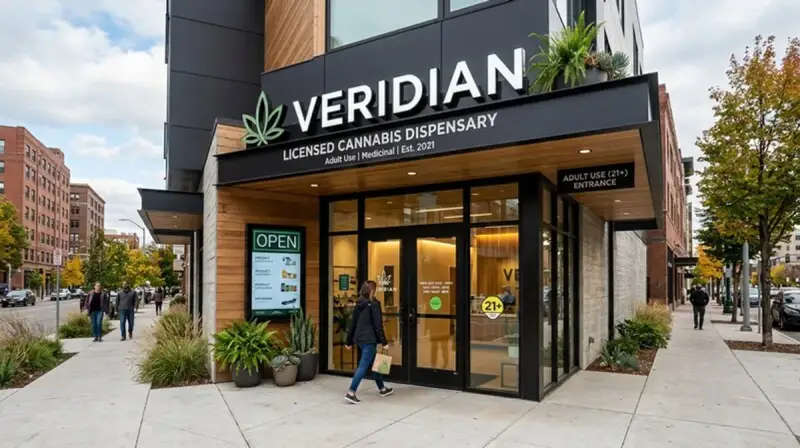
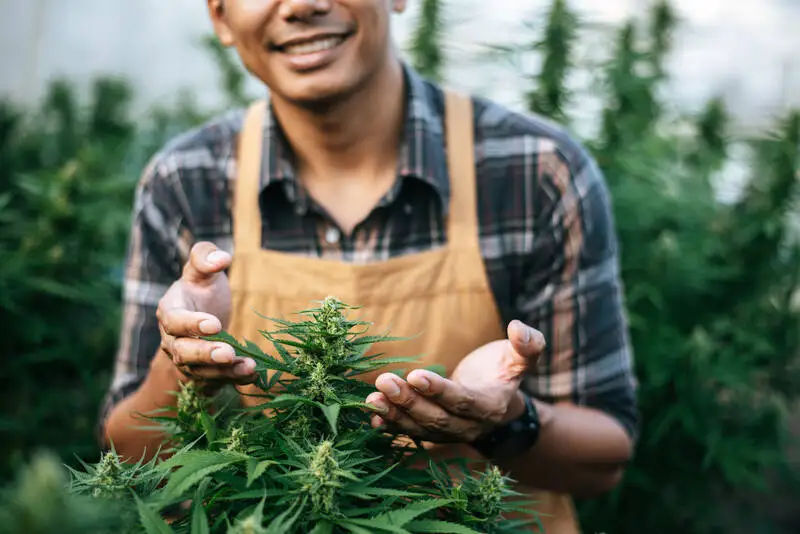



- A cannabis budtender is a state-licensed retail professional who guides consumers through product selection — the cannabis equivalent of a pharmacist-sommelier hybrid.
- Effective budtender consultations start with effect goals, not strain names — “what do you want cannabis to do for you?” consistently outperforms “what strain do you want?”
- 70% of cannabis consumers rely on budtender recommendations for product selection; 61% credit a budtender recommendation as influencing their most recent repurchase.
- Budtenders cannot legally diagnose or prescribe — they share product information, cannabinoid profiles, and customer-reported outcomes within clear compliance boundaries.
- Over 80% of new consumers believe higher THC% means a stronger or better experience — correcting this misconception is one of the most high-value things a budtender does.
- Required state compliance training includes responsible vendor programs, age verification, purchase limit enforcement, and Metrc traceability system operation.
- Median budtender wages are $14–$18/hour, with tips and commissions common; California, Washington, and Colorado pay highest given cost of living and regulatory overhead.
- The career path from entry-level budtender to dispensary manager, purchasing specialist, or cannabis educator is a growing professional development pathway in the legal industry.
The Budtender Role: What It Actually Requires
A cannabis budtender is a trained retail professional employed at a licensed dispensary who serves as the primary point of contact for consumer education, product selection, and compliance enforcement. The term emerged from the medical cannabis movement of the 1990s and became formalized as a defined occupational category when state licensing systems began requiring documented training and background checks for dispensary employees.
The role combines elements of several traditional retail professions: the product expertise of a specialty wine shop sommelier, the harm reduction orientation of a pharmacist, the salesmanship of a specialty retail associate, and the regulatory vigilance of a compliance officer. In a mature, well-operated dispensary, a skilled budtender does not simply process transactions — they conduct a brief but substantive intake consultation, match product characteristics to individual customer needs, explain dosing guidance for each product category, and identify compliance requirements (age verification, purchase limits) without creating a negative customer experience.
Strain Knowledge Requirements
Competent budtenders must maintain working knowledge of the dispensary’s current inventory, which typically rotates frequently. This requires ongoing self-education as new products arrive. The baseline strain knowledge requirements include:
- Cannabinoid pharmacology: how THC, CBD, CBG, CBN, THCV, and CBC differ in effect profile and therapeutic application
- The endocannabinoid system: how CB1 and CB2 receptors function and where they are distributed in the body
- Terpene profiles: the distinct effect contributions of myrcene, limonene, caryophyllene, linalool, pinene, terpinolene, humulene, and ocimene
- THCA vs. THC conversion: the decarboxylation process and why raw THCA percentage differs from actual psychoactive THC delivered
- Indica/sativa/hybrid classification: what it means in practice, its limitations as a predictive system, and how to use it constructively with customers
- Cultivar naming conventions: how strain names are assigned, why the same name can mean different things from different cultivators, and how to navigate menu inconsistencies
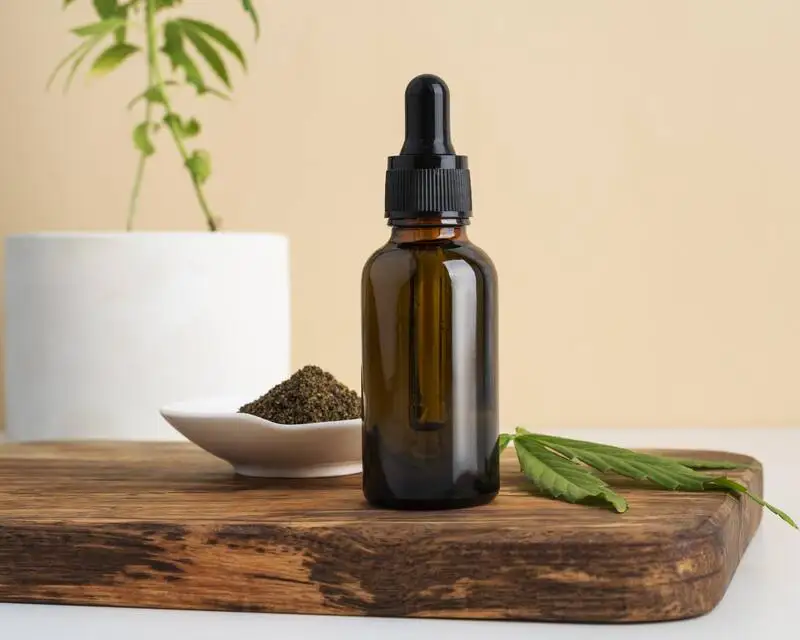
- All product category formats and their bioavailability differences: flower, concentrates, edibles, tinctures, topicals, transdermal patches, and vape cartridges
- Extraction methods for concentrates: hydrocarbon BHO, CO2, and solventless (rosin, hash), and how they differ in product quality and safety profile
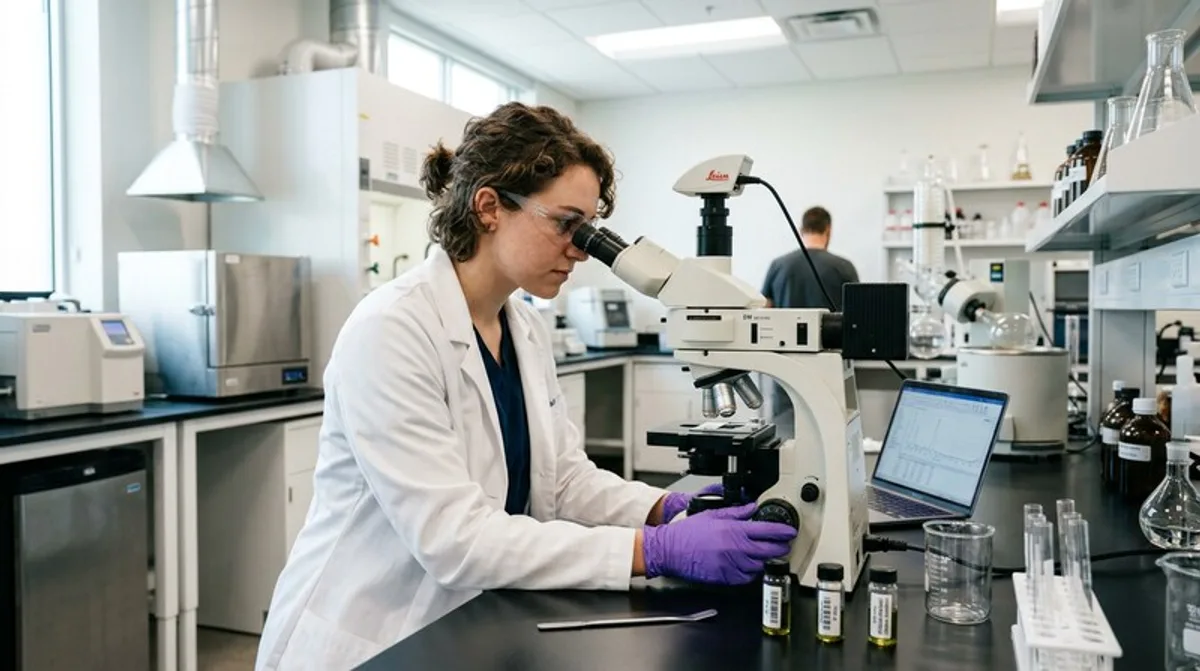
- COA reading: how to interpret laboratory certificates of analysis, explain potency numbers, and identify red flags
Most states require budtenders to complete a state-mandated responsible vendor training program before or shortly after employment. Some states (California, Colorado) require annual renewal. Certifications from organizations like the National Cannabis Industry Association (NCIA), the Cannabis Regulatory Association (CANNRA), or private training companies like Wurk and Green Flower supplement state requirements with more comprehensive product and pharmacology education.
The Consultation Flow: A Structured Framework
High-performing budtenders follow a structured consultation approach that consistently produces better customer outcomes than unguided browsing. The framework below represents best practice as documented by industry training organizations and supported by consumer satisfaction research.
Step 1: Open with Effect Goals, Not Strain Names
The most common consultation mistake — by customers and inexperienced budtenders both — is starting with a specific strain name or product category. A customer asking “do you have Blue Dream?” may be better served by something else entirely, and a budtender who immediately pivots to showing them Blue Dream has failed the consultation before it began. The opening question should always establish the desired outcome: “What are you hoping cannabis does for you today?” or “What kind of experience are you looking for?”
Common outcome categories customers describe: relaxation without sedation; deep sleep support; daytime energy and focus; social ease and mood elevation; pain or tension relief; creative stimulation; anxiety reduction; appetite stimulation; and general wellness. Each of these maps to a different product and cannabinoid profile strategy.
Step 2: Assess Experience Level and Tolerance
Experience level and current tolerance change the appropriate product range entirely. A first-time consumer and a daily-use experienced consumer describing the same desired outcome (“I want to feel relaxed”) require very different recommendations. Relevant intake questions: “Have you used cannabis before, and how recently?” — “Do you have a sense of your tolerance?” — “Have you had any negative experiences with cannabis in the past?” A history of anxiety or paranoia on THC is critical information that fundamentally changes the recommendation toward CBD-dominant or low-THC products.
Step 3: Establish Consumption Method Preference
The consumption method affects onset time, duration, bioavailability, and convenience. Smoking flower: 2–10 minute onset, 1–3 hour duration. Vaping: 2–10 minute onset, similar to smoking. Edibles: 30–90 minute onset, 4–8 hour duration; first-time edible consumers should always start at 5mg regardless of their flower tolerance. Sublingual tinctures: 15–45 minute onset, 2–4 hour duration. Topicals: 15–45 minute onset (localized effect only for non-transdermal products). Understanding which format the customer prefers or has experience with sets the category for the recommendation.
Step 4: Match Products to the Profile
With outcome goal, experience level, and format preference established, the budtender narrows the inventory to 2–3 options across price points and explains the distinguishing characteristics of each. Key explanation points: dominant terpenes and what they contribute; THC:CBD ratio and how CBD modifies the experience; why a specific product has worked for other customers with similar goals; and dosing guidance specific to the chosen format. Presenting options rather than a single recommendation respects consumer autonomy and allows the customer to choose based on budget as well as effect preference.
Recommending for Specific Conditions: Compliance-Safe Frameworks
Budtenders regularly encounter customers seeking cannabis for specific medical or wellness conditions. Navigating these conversations requires understanding both the product knowledge and the legal boundaries: budtenders cannot diagnose, cannot prescribe, cannot claim products treat or cure medical conditions (which would violate state cannabis advertising regulations), but can share product characteristics, cannabinoid profile information, and reported customer experiences.
Sleep
For customers describing sleep difficulty, the product profile most commonly reported as helpful includes: high-myrcene flower (myrcene is consistently associated with sedating effects); CBN-containing products (CBN, formed by THC degradation, has mild sedative properties and is increasingly available as an isolated additive in tinctures and edibles); moderate-to-high THC in experienced consumers, lower THC in beginners; indica-profile cultivars; and edibles or tinctures for consumers seeking longer-duration effects. Budtenders should note that high-THC cannabis can disrupt REM sleep in some consumers with regular use, and that tolerance breaks often restore cannabis’s sleep-promoting effects when they have diminished.
Anxiety
Anxiety is the most common reason consumers seek cannabis for wellness purposes — and also the condition where incorrect product recommendations most commonly cause harm. High-THC products can exacerbate anxiety rather than relieve it, particularly in new users and in those with genetic predispositions to THC-induced anxiety. Recommended product profile for anxiety: CBD-dominant (10:1 CBD:THC or higher) or balanced 1:1 THC:CBD products; terpene profiles featuring linalool (known anxiolytic properties), caryophyllene (CB2 agonist; may modulate anxiety via endocannabinoid pathways), and lower limonene content; low THC doses (5mg or less) in beginners. Always recommend consulting a mental health professional for clinical anxiety disorders.
Pain Management
Cannabis for pain is among the best-supported medical applications in the published evidence base. For general pain: full-spectrum products with THC, CBD, and caryophyllene-dominant terpene profiles are most commonly reported as effective; higher-THC products in experienced consumers; 1:1 ratios for consumers seeking functionality alongside relief. For localized pain: transdermal patches deliver cannabinoids systemically through the skin; topical balms with THC provide localized receptor interaction without significant psychoactivity (non-transdermal topicals do not cross into the bloodstream). Always recommend medical consultation for chronic pain conditions and be clear that cannabis products sold in dispensaries have not been FDA-approved for pain treatment.
The THC Misconception Correction
Over 80% of new consumers enter a dispensary believing that higher THC% automatically means a stronger or better experience. This belief is wrong, well-documented in the literature, and one of the most common drivers of negative first experiences (overconsumption of high-THC products leading to anxiety, paranoia, or dysphoria). The most high-value thing a budtender does for any new consumer is this correction: explain that terpene profile shapes the character of the experience, that THC% measures concentration in a sample but not bioavailability or effect quality, and that a 22% flower with a rich terpene profile will typically outperform a 30% THC flower with minimal terpenes in terms of consumer satisfaction. This conversation, done well, prevents negative first experiences and builds long-term customer relationships.
Upselling Ethics: Revenue vs. Harm Reduction
Cannabis retail faces a genuine ethical tension around upselling. Dispensaries are commercial operations with revenue targets, but their products alter consciousness and can cause harm when misused. This tension is sharpest with new or occasional consumers who may be steered toward premium, high-THC products they would be better served avoiding. Industry best practice holds that the following upselling behaviors are ethically appropriate:
- Recommending a higher-quality product in the same potency range based on terpene profile or cultivation quality
- Suggesting a premium concentrate to an experienced consumer who has asked about stepping up from flower
- Offering a larger quantity at a per-gram discount to a regular customer with established tolerance
- Recommending a complementary product that genuinely adds to the intended experience (e.g., a terpene-rich vape pen alongside a purchase of edibles for different-timing use cases)
The following upselling behaviors are ethically problematic and in some states explicitly prohibited by regulation:
- Steering a first-time consumer toward the highest-THC product on the menu
- Recommending a larger serving size of an edible than the customer has asked about without explicit experience-level context
- Implying or stating that a more expensive product will cure, treat, or medically address a specific condition
- Discouraging a consumer from a smaller or lower-potency purchase to hit a sales metric
Budtenders who prioritize harm reduction over upselling consistently develop the highest customer retention rates over time — customers who have good first experiences, or who avoid negative ones, become loyal repeat customers. The ethical and commercial interests align when the time horizon extends beyond the immediate transaction.
Compliance Training: State Requirements
Cannabis compliance training is not optional — in most legal states, it is a condition of employment and continued licensure. The specific requirements vary by state but share common elements across all legal markets.
| Compliance Area | Key Requirements | Consequence of Violation |
|---|---|---|
| Responsible vendor training | State-mandated program (varies by state); must complete before or soon after hire; annual renewal in many states | Employee and dispensary license suspension or revocation |
| Age verification | Government-issued photo ID required; birthdate calculation for edge cases; fake ID detection training; refusal of service protocols | Fine ($500–$10,000+); license suspension; mandatory retraining |
| Purchase limit enforcement | State purchase limits tracked per transaction; Metrc integration prevents over-limit sales in most states; limits differ for medical vs. recreational | Regulatory violation; fine; potential license impact |
| Metrc traceability | All inventory movements logged; sales recorded against consumer record; batch tracking from cultivator to point-of-sale | Metrc violations trigger audit; discrepancies lead to fines and corrective action plans |
| Cash handling and reconciliation | Dual-count drawer procedures; safe management; cash transport protocols; reconciliation against POS records | Internal audit failure; potential termination; theft investigation trigger |
| Marketing and claims compliance | No disease/treatment claims on product or in conversation; no advertising to minors; social media compliance; packaging language restrictions | State regulatory action; FTC referral in extreme cases |
| Medical patient handling | Verification of medical card validity; separate purchase limit tracking; HIPAA-aligned data handling in some states | Medical program license violations; privacy law exposure |
Budtender Compensation: Wages, Tips, and Commission
Budtender compensation varies significantly by state, market maturity, dispensary type (independent boutique vs. multi-state operator vs. medical dispensary), and experience level. The following data reflects industry averages as of current reporting periods.
| Market / State | Entry Hourly Wage | Experienced Hourly Wage | Tip Prevalence | Notes |
|---|---|---|---|---|
| California | $16–$18/hr | $20–$26/hr | Common; $2–$5/hr average | High cost of living; union organizing active in some markets |
| Colorado | $15–$17/hr | $18–$22/hr | Common; $2–$4/hr average | Mature market; high competition among experienced staff |
| Washington | $16–$18/hr | $19–$23/hr | Variable; less common than CA/CO | Strong minimum wage baseline; Seattle premium |
| Michigan | $14–$16/hr | $17–$20/hr | Occasional; $1–$3/hr average | Rapidly maturing market; wage pressure increasing |
| Illinois | $15–$17/hr | $18–$22/hr | Variable by dispensary policy | Limited license supply creates premium; Chicago market pays highest |
| Arizona/Nevada | $14–$16/hr | $17–$21/hr | Common in tourist markets | Las Vegas Strip dispensaries see high tourist tip volumes |
| National median | $15/hr | $18/hr | ~50% of dispensaries allow tipping | BLS data limited; industry surveys suggest these ranges |
Commission structures are used by some dispensary groups, typically paid on total units sold, specific product category targets, or loyalty program enrollments. Commission-heavy models create the ethical upselling tensions described above and have been criticized by consumer advocates; a growing number of dispensaries have moved to flat-wage models without commission to reduce this pressure. Benefits availability (health insurance, PTO, 401k) varies dramatically — larger multi-state operators typically offer more comprehensive packages than independent boutique dispensaries.
Career Path: From Budtender to Senior Cannabis Professional
The cannabis industry has developed a recognizable career ladder from entry-level retail into specialist and leadership roles as the sector has matured. Budtending is increasingly viewed not as a terminal position but as the foundational entry point to a diverse set of cannabis career trajectories.
Dispensary Lead / Senior Budtender: Increased product knowledge responsibility, mentoring junior staff, handling complex customer consultations and complaints, supporting inventory management. Typically achieved with 12–18 months of dispensary experience.
Assistant Manager / Store Manager: Full staff scheduling, P&L responsibility, regulatory audit management, hiring, and training oversight. Competitive path requiring both product knowledge and retail management skills.
Purchasing / Inventory Specialist: Manages vendor relationships, evaluates new product offerings, oversees COA review processes, maintains inventory accuracy in Metrc. Often the path for budtenders with strong analytical skills and product knowledge depth.
Cannabis Educator / Training Manager: Develops and delivers staff training programs, customer education content, and sometimes community outreach. Requires deep product knowledge and communication skills. Growing as dispensary groups formalize their training functions.
Compliance Officer: Ensures dispensary operations meet all state regulatory requirements, manages audit responses, and monitors regulatory changes. Requires legal/regulatory aptitude alongside cannabis knowledge.
Brand Ambassador / Territory Manager: Moves into the supplier side, representing specific cannabis brands across multiple dispensary accounts. Sales, product knowledge, and relationship management skills are all required.
External certifications from organizations like the Cannabis Regulators Association, the Oaksterdam University cannabis curriculum, and specialized pharmacology programs can accelerate career advancement and differentiate candidates in a competitive job market. As the industry continues to professionalize, formal credentialing standards are expected to become more consistent across states.
Frequently Asked Questions
What knowledge does a cannabis budtender need?
A competent budtender needs working knowledge of cannabinoid pharmacology, the endocannabinoid system, terpene profiles, all product formats, extraction methods, COA reading, state compliance regulations, age verification, purchase limit rules, and consumption method bioavailability differences. Most states require completion of a responsible vendor training program before employment.
How should a budtender recommend cannabis for specific medical conditions?
Budtenders cannot legally diagnose or prescribe — they share product information and reported customer outcomes within compliance boundaries. For sleep: high-myrcene, high-CBN products. For anxiety: CBD-dominant or 1:1 ratios; avoid high-THC in anxious new users. For pain: full-spectrum with caryophyllene; consider topicals for localized pain. Always recommend consulting a healthcare provider for serious conditions.
How much do cannabis budtenders earn?
Median hourly wages range from $14–$18/hour in most legal states, with experienced budtenders at premium urban dispensaries earning $18–$24/hour. Tips are common and can add $2–$6/hour. California, Washington, and Colorado pay highest reflecting cost of living and regulatory overhead.
What compliance training do budtenders need?
Required training includes: state-mandated responsible vendor program (required in California, Colorado, Michigan, and most legal states), age verification and fake ID detection, purchase limit enforcement, Metrc traceability system operation, cash handling, and marketing claim restrictions. Many states require completion before first day of work, with annual or biannual renewal.