



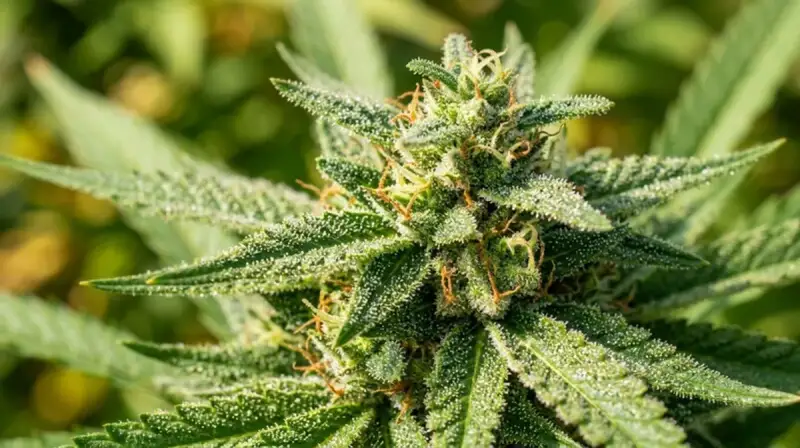
- Only 4 countries have fully legalized recreational cannabis nationally: Canada, Uruguay, Malta, and Germany (2024). Luxembourg has a partial framework.
- 50+ countries have some form of medical cannabis program, though access and product availability vary enormously.
- Portugal decriminalized all drugs in 2001 — including cannabis — with no imprisonment for personal possession of any substance.
- The US is a split jurisdiction: 24+ states have legal recreational cannabis, but federal law still classifies it as Schedule I with no accepted medical use.
- Asia remains the most restrictive region: Singapore, Indonesia, Japan, and South Korea impose severe criminal penalties, including the death penalty for trafficking.
- Thailand’s legal status is in flux: Decriminalized in 2022, partially re-restricted in 2024. Verify before traveling.
- Global momentum is toward reform: More countries are moving toward decrim or medical access than toward prohibition — but movement is slow and reversals happen.
Fully Legal Recreational Cannabis: The Current Short List
Despite widespread media coverage of cannabis normalization, fully legal national recreational markets are rare. As of mid-2026, only a handful of countries have created a complete legal framework for adult recreational cannabis use, possession, and purchase:
- Canada (2018) — Legalized nationally under the Cannabis Act. Adults may possess up to 30 g in public, purchase from licensed retailers, and grow up to 4 plants per household. Canada was the first G7 country to legalize.
- Uruguay (2013) — The world’s first national recreational legalization. Cannabis is sold through pharmacies. Purchase is limited to citizens and permanent residents — tourists cannot legally purchase.
- Malta (2021) — First EU country to legalize adult personal possession and home cultivation, though no commercial retail sales. Possession of up to 7 g in public and cultivation of up to 4 plants at home is permitted.
- Germany (2024) — Adults may possess up to 25 g in public and 50 g at home. Home cultivation of up to 3 female plants is allowed. Non-commercial social clubs may supply members. No commercial retail market as of 2026.
- Luxembourg — Moving toward legalization; personal possession and home cultivation permitted, commercial sales framework in development.
US legal status is more complex: federal law classifies cannabis as Schedule I, but 24+ states have created legal recreational frameworks. This creates a patchwork where cannabis is legal to buy in California but remains a federal crime everywhere in the country simultaneously.
Americas: Country-by-Country Status
| Country | Status | Medical | Notes |
|---|---|---|---|
| Canada | Legal (recreational) | Yes | Federal legalization 2018; 30 g public possession |
| USA | Federal illegal; 24+ states legal | Yes (state-level) | Schedule I federal; state patchwork |
| Mexico | Decriminalized; legalization stalled | Yes | Supreme Court decrim ruling; legislature delayed full framework |
| Uruguay | Legal (recreational) | Yes | First national legalization 2013; residents only |
| Brazil | Decriminalized (personal) | Yes | No prison for personal use; sale remains criminal |
| Colombia | Decriminalized (20 g) | Yes | Major medical exporter; personal decrim constitutional |
| Argentina | Decriminalized (personal) | Yes | Supreme Court rulings protect personal use |
| Jamaica | Decriminalized (2 oz) | Yes | Petty offence for small amounts; Rastafari religious use protected |
Europe: Country-by-Country Status
| Country | Status | Medical | Notes |
|---|---|---|---|
| Germany | Legal (adult possession) | Yes | 2024: 25 g public, 50 g home, 3 plants, social clubs |
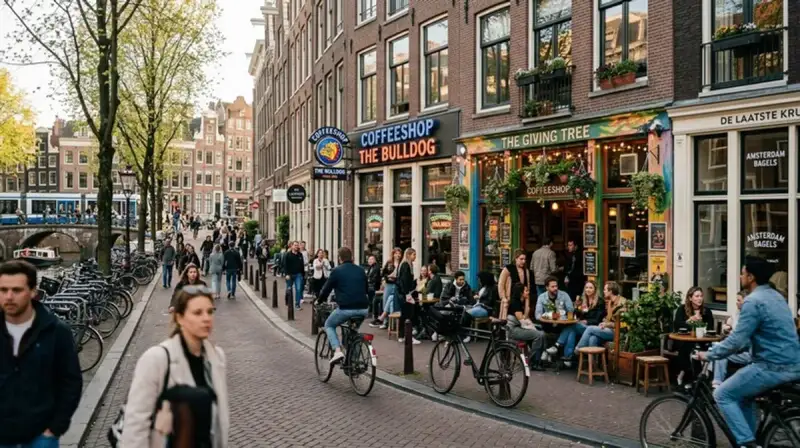
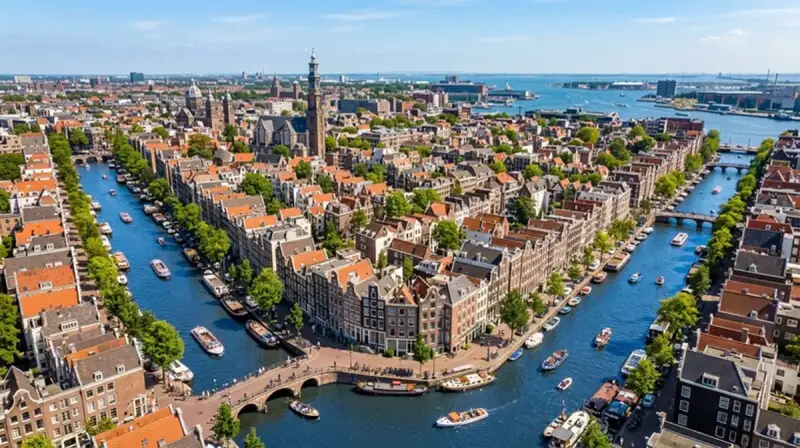
| Netherlands | Tolerated (gedoogbeleid) | Yes | Coffeeshop sales tolerated; production technically illegal |
| Portugal | Decriminalized (all drugs) | Yes | 2001: no criminal penalty for personal possession of any drug |
| Spain | Decrim + private clubs | Limited | Public use/sale fined; private clubs operate in gray area |
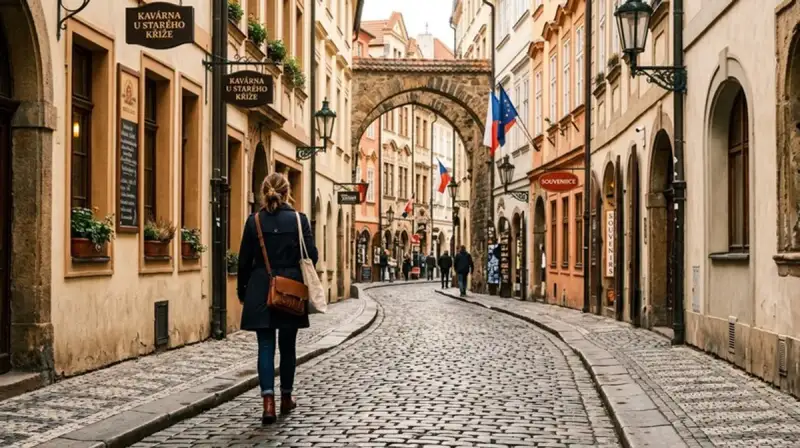
| Czech Republic | Decriminalized (10 g) | Yes | Minor offence; legalization legislation debated |
| Malta | Legal (personal/home) | Yes | First EU legal framework; no commercial retail yet |
| Luxembourg | Partial legalization | Yes | Home cultivation legal; commercial framework developing |
| United Kingdom | Class B controlled drug | Yes (2018) | Medical legal since 2018; access severely limited in practice |
| France | Prohibited | Trial program | Europe’s highest cannabis use rate; strict criminal law |
| Italy | Decrim (personal) | Yes | Administrative penalties for small amounts; medical established |
| Switzerland | Decrim; pilot programs | Yes | Adult-use pilot sales ongoing in Zurich, Basel; CBD legal |
Asia-Pacific: Country-by-Country Status
| Country | Status | Medical | Notes |
|---|---|---|---|
| Australia | State-dependent | Yes (national) | ACT (Canberra) legalized personal use; other states criminal |
| New Zealand | Prohibited | Yes | 2020 referendum failed (53% opposed); medical program active |
| Thailand | Medical / in flux | Yes | Decrim 2022, re-restricted 2024; verify before travel |
| Japan | Prohibited (zero tolerance) | No | Extremely strict; foreign nationals prosecuted |
| South Korea | Prohibited | Very limited | Citizens prosecuted for overseas use under Korean law |
| Singapore | Prohibited (zero tolerance) | No | Death penalty for trafficking; caning + prison for possession |
| Indonesia | Prohibited (zero tolerance) | No | Death penalty for trafficking; Bali arrests common for tourists |
| Israel | Decrim + medical leader | Yes | Global cannabis research hub; decrim 2022; recreational pending |
Germany 2024: What the New Law Actually Changed
Germany’s Cannabis Act (Cannabisgesetz), which came into force in April 2024, is the most significant European cannabis policy reform in decades. The law made Germany the first major European economy to legalize adult cannabis possession. Key provisions:
- Adults 18+ may possess up to 25 g in public and up to 50 g at home.
- Home cultivation of up to 3 female cannabis plants is permitted.
- Non-commercial cannabis social clubs (Anbauvereinigungen) may grow and distribute to members.
- Commercial dispensary sales — the model familiar from North America — are not part of this phase. A pilot program for regulated retail sales is being planned.
- Possession near schools, playgrounds, or pedestrian zones is prohibited regardless of amount.
Critically, Germany’s law does not create a legal import route. Cannabis purchased legally in Canada or a US state cannot be brought into Germany. The law governs domestic possession only.
Thailand 2022–2024: The Cautionary Tale
Thailand’s cannabis trajectory offers a warning about the fragility of partial reforms. In June 2022, Thailand removed cannabis from its Category 5 narcotics list, effectively decriminalizing it and enabling a rapid expansion of cannabis dispensaries, cafes, and tourism. Over 6,000 cannabis businesses opened within the first year.
However, the government’s intent had always been limited to medical and industrial uses, and recreational use was never explicitly legalized. By 2024, new legislation was passed to re-restrict recreational cannabis use, limiting legal access to medical patients and research programs. The thousands of businesses operating in the interim face an uncertain legal environment. As of May 2026, the situation remains in flux. Travelers should not assume that cannabis is freely available or legal in Thailand without checking current official government guidance.
Medical Cannabis: The Global 50+ Country Expansion
Medical cannabis programs now exist in over 50 countries, though the range of access varies from robust dispensary networks to highly restricted prescription-only programs with limited availability:
- Comprehensive access: Canada, Israel, Australia, Germany, Netherlands
- Established but limited access: UK, France, Poland, Italy, Denmark, Switzerland
- Restricted medical programs: Greece, Cyprus, Croatia, Romania
- Medical recently introduced: Thailand (medical only post-2024), South Africa, Zimbabwe, Zambia
- No medical program: Most of Southeast Asia, most of Middle East and North Africa
US Federal vs. State: The Ongoing Split
The United States operates under dual sovereignty on cannabis. Federal law classifies cannabis as Schedule I under the Controlled Substances Act — alongside heroin, with no recognized medical use. State law in 24+ states permits adult recreational use, and 38+ states permit medical use. This creates genuine legal contradictions: a licensed dispensary operating legally in California is simultaneously violating federal law with every transaction.
Practical implications: federal banking restrictions mean many dispensaries operate cash-only. Cannabis businesses cannot deduct most business expenses from federal taxes. Employees in cannabis-legal states can still be fired under federal contractor drug policies. Federal background checks for firearm purchases ask about illegal drug use, and cannabis use — legal at state level — technically disqualifies applicants under federal law.
Global Trend Analysis: Where Policy Is Heading
The global trajectory over the past decade has been clearly toward liberalization, though the pace is uneven and reversals occur (Thailand being the most prominent recent example). Key trend indicators:
- UN treaty reform: In 2020, the UN Commission on Narcotic Drugs voted to reclassify cannabis and cannabis resin, acknowledging medical value for the first time in international drug law history.
- European momentum: Switzerland, Czech Republic, and Netherlands are all piloting or advancing regulated adult-use frameworks. The EU has no direct competence over drug scheduling, leaving reform to individual member states.
- African expansion: South Africa decriminalized personal use via Constitutional Court ruling. Zimbabwe, Zambia, and Malawi have introduced medical programs, partly driven by export revenue potential.
- Latin America: Mexico’s legalization legislation remains stalled, but decriminalization is broadly established. Multiple countries are developing medical export industries.
Frequently Asked Questions
Is cannabis legal in Europe?
It depends on the country. Germany legalized adult recreational possession in 2024. Malta and Luxembourg have partial frameworks. Netherlands tolerates coffeeshop sales. Portugal decriminalized all drugs in 2001. Most other European countries still treat cannabis possession as a criminal offence, though penalties vary from fines to years in prison.
Which country legalized cannabis first?
Uruguay became the first country to fully legalize recreational cannabis at the national level in 2013. Canada was the first G7 country and first major economy to legalize nationally in 2018 under the Cannabis Act. US states began legalizing in 2012 (Colorado and Washington), but federal law still classifies cannabis as Schedule I.
Is cannabis legal in Thailand?
Thailand removed cannabis from its controlled substances list in 2022, which sparked a major cannabis tourism boom. However, the government moved to re-restrict recreational use in 2024, limiting legal cannabis to medical and research purposes. The legal status remains in flux — check current official guidance before traveling.
What is the difference between decriminalization and legalization?
Decriminalization removes criminal penalties for possession of small personal-use amounts but does not create a legal regulated market. Sale and supply remain illegal. Legalization creates a regulated commercial framework with licensed producers, retail dispensaries, age limits, and quality controls. Decriminalization protects the user; legalization protects both the user and provides a legal supply chain.