




- Singapore, UAE, Japan, and Indonesia operate zero-tolerance policies — imprisonment is virtually guaranteed for any possession, even trace amounts.
- Decriminalization does not mean legal for tourists. In decrim countries, police still have discretion to detain, fine, or deport foreign nationals.
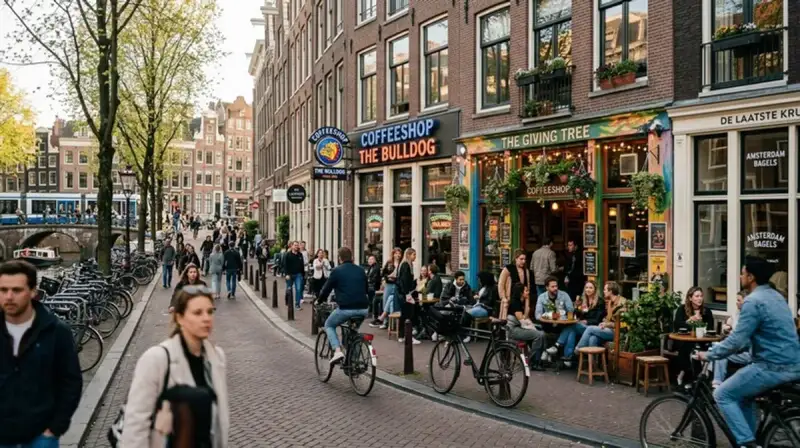
- Netherlands coffeeshops allow purchase and consumption on site, but transporting cannabis out of the Netherlands into any other EU country is a criminal offence.
- US airports enforce federal law regardless of state law. TSA must refer drug matters to law enforcement even at LAX or Denver International.
- Trafficking thresholds are low in many countries. Singapore’s trafficking threshold for cannabis is just 500 grams — a quantity easily reached with a few ounces.
- Germany (2024) legalized adult possession of up to 25 g in public, but importing across German borders remains illegal under EU law.
- Consular assistance is limited. Your embassy cannot get you released, pay fines, or override foreign courts. They can only visit you and provide a list of local lawyers.
Why This Matters More Than Most Travelers Realize
The single most dangerous misconception in cannabis travel is that origin-country legality provides any protection at a foreign border. It does not. The moment you cross into a new jurisdiction — whether by plane, land, or sea — you are subject entirely to that country’s law. A Colorado resident carrying a legal dispensary purchase into Mexico faces Mexican federal drug law. A Canadian citizen arriving in Japan with a residue amount faces Japanese criminal prosecution.
This matters especially in the era of cannabis tourism. As legal markets expand, travelers increasingly assume a kind of legal continuity that simply does not exist in international law. Cannabis remains classified as a Schedule I or equivalent controlled substance under the 1961 UN Single Convention on Narcotic Drugs, which over 180 countries have signed. Domestic legalization is an exception carved out within that framework — not a global permission slip.
Country-by-Country Penalty Table
The table below covers 20 key countries. “Possession penalty” refers to small personal-use amounts. Trafficking penalties apply above country-specific thresholds, which are often very low.
| Country | Legal Status | Possession Penalty | Trafficking Penalty |
|---|---|---|---|
| USA (federal) | Schedule I (state laws vary) | Up to 1 year (federal, first offense) | 5–40 years federal |
| United Kingdom | Class B controlled drug | Up to 5 years imprisonment | Up to 14 years |
| Germany | Legal (25 g public, 50 g home) | Fine for excess; criminal above limits | Up to 5 years |
| Netherlands | Tolerated (gedoogbeleid) | 5 g tolerance; above = prosecution | Up to 4 years |
| Canada | Fully legal (Cannabis Act) | Legal up to 30 g in public | Up to 14 years |
| Thailand | Medical / limited adult use | Varies; recreational re-restricted 2024 | Up to life imprisonment |
| Singapore | Prohibited (zero tolerance) | Up to 10 years + caning | Death penalty (>500 g) |
| UAE | Prohibited (zero tolerance) | Minimum 4 years; deportation | Life imprisonment |
| Japan | Prohibited (zero tolerance) | Up to 5 years imprisonment | Up to 10 years |
| Portugal | Decriminalized (all drugs) | Administrative sanction, no criminal record | Up to 12 years |
| Spain | Decrim + private clubs | Fine for public use/possession | 1.5–6 years |
| Mexico | Decriminalized (5 g) | No criminal penalty under 5 g | 10–25 years |
| Australia | State-dependent (ACT legal) | Fine to 2 years (state dependent) | Up to 25 years |
| New Zealand | Prohibited (medical legal) | Up to 3 months or fine | Up to 14 years |
| Jamaica | Decriminalized (2 oz) | Petty offence fine under 2 oz | Up to life imprisonment |
| Morocco | Prohibited (major producer) | Up to 5 years + fine | Up to 30 years |
| Brazil | Decriminalized (personal use) | Community service, no prison | 5–15 years |
| India | Prohibited (bhang exception) | Up to 1 year for small amounts | 10–20 years |
| South Korea | Prohibited (prosecutes abroad) | Up to 5 years; applies to citizens overseas | Up to life imprisonment |
| Indonesia | Prohibited (zero tolerance) | Up to 4 years; rehabilitation possible | Death penalty (large amounts) |
“Decriminalized” Does Not Mean Safe for Tourists
This distinction is critical. Decriminalization removes criminal penalties for residents in possession of personal-use amounts. It does not create a legal right to possess cannabis, and it does not always extend the same protections to foreign nationals. In Portugal, the 2001 decriminalization law applies to all persons including tourists. But in other decriminalized jurisdictions, enforcement discretion means police can still detain, search, and fine a tourist even when they would not pursue the same action against a local.
The Netherlands is the clearest example of this ambiguity. Coffeeshop purchases are tolerated within Amsterdam, but the moment you drive toward Germany or Belgium with even a gram, you are committing a drug-smuggling offence under EU law. Dutch police at border checkpoints do enforce this. German police have made arrests of tourists transporting cannabis purchased legally in the Netherlands.
Airport and Border Rules: The US Federal Trap
Legal cannabis states create a false sense of security at airports. All US airports operate on federal property under federal jurisdiction. The TSA’s mandate is to screen for security threats, but agents who discover cannabis are required to notify local law enforcement. At Los Angeles International Airport — in California, a legal state — local law enforcement has discretion not to prosecute small amounts. But at any federally-operated facility, federal law applies, and federal law classifies all cannabis as Schedule I.
Crossing state lines in a vehicle with cannabis is a federal offense regardless of the laws of both states involved. Interstate commerce is federal jurisdiction. This applies to car travel on federal highways, bus travel, train travel, and any flight that crosses state lines.
What to Do If You Are Arrested Abroad
If you are detained or arrested in a foreign country for cannabis possession, follow these steps:
- Remain calm and do not attempt to bribe officials. Bribery charges in some countries carry penalties more severe than the original drug offence.
- Request consular notification immediately. Under the Vienna Convention on Consular Relations, you have the right to contact your country’s embassy or consulate.
- Do not sign documents you cannot read. Wait for a translator or consular officer before signing any statement, confession, or agreement.
- Contact your embassy. US citizens can call the US Embassy’s American Citizen Services line 24/7. The embassy can provide a list of local lawyers and notify family — but cannot pay legal fees, get charges dropped, or override local courts.
- Retain a local lawyer. Embassy-provided lawyer lists do not imply endorsement, but a local criminal lawyer is essential in non-English-speaking countries.
EU Schengen Zone: Special Considerations
The Schengen Area covers 27 European countries with no internal border controls for passport purposes. This creates a dangerous illusion for cannabis travelers: no passport check between Germany and Austria does not mean no law enforcement presence. Drug laws remain entirely national within Schengen. German law applies in Germany, Austrian law in Austria. Schengen police cooperation means that drug-related intelligence is shared across borders, and drug-detection dogs are deployed at train stations and major road crossings regardless of border controls.
Germany’s 2024 legalization does not provide cover for cannabis tourists traveling through Germany to other Schengen states. German law allows possession of 25 g within Germany. The moment you cross into France, Czech Republic, or any other EU country, that country’s law applies entirely.
Frequently Asked Questions
Can I travel between US states with cannabis?
No. Even when both states have legal cannabis, crossing state lines with cannabis is a federal crime under the Controlled Substances Act. TSA agents at any US airport are required to refer drug matters to law enforcement. Federal law governs all interstate travel including cars on federal highways.
What countries have zero tolerance cannabis laws?
Singapore, UAE, Japan, South Korea, Indonesia, Saudi Arabia, and the Philippines impose extremely severe penalties including imprisonment, caning, or the death penalty for trafficking. Even possession of tiny amounts can result in years in prison for foreign nationals.
Is it legal to buy cannabis in Amsterdam?
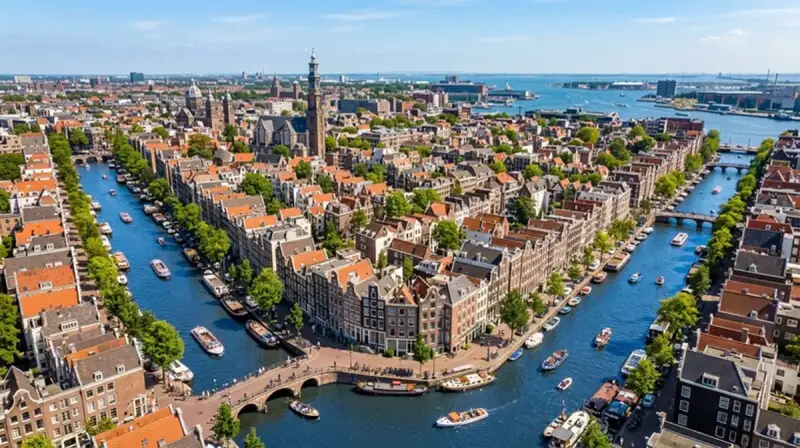
Amsterdam coffeeshops operate under a tolerance policy. You can purchase and consume cannabis in coffeeshops and local police will not arrest you. However, transporting any cannabis out of the Netherlands into another EU country is illegal and a criminal offence. Consume it there and leave it behind.
Can I bring CBD products internationally?
CBD laws vary significantly by country. In the EU, CBD products below 0.2% THC are generally permitted. In Japan, South Korea, and the UAE even CBD may be illegal. Always check specific country rules and carry original packaging with lab certificates proving THC content below legal thresholds. When in doubt, leave it at home.