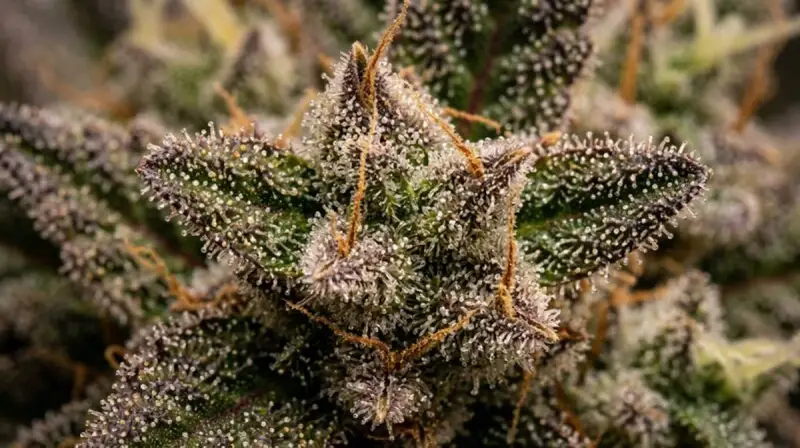
CBD oil bottle with hemp leaves" loading="eager"
style="position:absolute;inset:0;width:100%;height:100%;object-fit:cover;z-index:0;">
Safety Guide
Cannabis and Pets: What Pet Owners Need to Know
THC is toxic to dogs and cats. CBD may offer genuine therapeutic benefits. This guide covers what every cannabis-using pet owner must know about safety, toxicity, and responsible storage.
AK
Ann Karim — Cannabis Health Writer
13 min read
Emergency Information
If your pet has ingested cannabis (especially edibles), call your veterinarian or an emergency animal poison control line immediately. Do not wait for symptoms to appear.
ASPCA Animal Poison Control: (888) 426-4435 — available 24/7 (consultation fee may apply)
Key Facts at a Glance
TOXIC
THC is toxic to dogs and cats
Researched
CBD showing promise for pet use
Dogs
Higher risk than cats (CB1 density)
Edibles
Highest toxicity risk for pets
Why THC Is Dangerous for Pets
THC (tetrahydrocannabinol) affects animals very differently from humans. Dogs, in particular, have a significantly higher density of CB1 receptors in the cerebellum and brainstem compared to humans. This neurological difference means that doses of THC that produce a pleasant high in humans can cause severe neurological distress in dogs.
The toxic dose in dogs is estimated at 3mg of THC per kilogram of body weight — but clinical signs of toxicity (ataxia, sedation, anxiety) can appear at much lower doses in sensitive individuals. A single chocolate edible containing 10mg of THC could be significantly toxic to a small dog. The situation is worse with edibles that also contain xylitol or chocolate, which add additional toxicity layers on top of the THC.
Cats are less commonly reported as THC toxicity cases, partly because they are more discriminating eaters, but their CB1 receptor density and body weight mean they are actually more sensitive per kilogram than dogs when they do consume cannabis. Secondhand cannabis smoke can also affect cats, who have small lung capacity relative to body mass and absorb airborne THC more efficiently than larger pets.
Veterinary emergency calls for cannabis ingestion in pets have increased dramatically in states where cannabis has been legalised recreationally, primarily driven by pets accessing edibles left within reach. The most dangerous products are high-dose edibles, cannabis-infused butter, and cannabis tinctures.
Symptoms of THC Toxicity in Pets
Symptoms typically appear within 30 minutes to 2 hours after ingestion (longer for edibles due to the digestive absorption delay) and can last 18–24 hours or more depending on dose and individual animal metabolism.
Symptom
Description
Severity
Ataxia (wobbly gait)
Loss of coordination, stumbling, inability to stand normally
Moderate
Dilated pupils
Abnormally wide pupils regardless of light conditions
Can be dangerous if pet is too sedated to swallow safely (aspiration risk)
Serious
Tremors / seizures
Shaking, muscle tremors; seizures at high doses
Severe — seek vet immediately
Bradycardia
Abnormally slow heart rate
Serious — vet required
What to Do If Your Pet Ingests Cannabis
1
Stay calm and act immediately
Do not wait for symptoms to appear. If you know or strongly suspect your pet has consumed cannabis, contact your vet or emergency animal hospital right away. Time matters because inducing vomiting (if safe to do) is only effective within a short window after ingestion. Provide as much information as possible: estimated dose, product type, time of ingestion, and your pet’s weight.
2
Do not induce vomiting without veterinary instruction
Contrary to some online advice, inducing vomiting at home without guidance is risky. If your pet is already sedated from the THC, they may aspirate vomit into their lungs. Veterinarians may use apomorphine or other controlled agents to safely induce emesis under supervision, particularly if ingestion was recent (within 30–60 minutes).
3
Be honest with your veterinarian
Many pet owners are reluctant to admit their pet consumed cannabis out of embarrassment or fear of legal repercussions. This is a significant problem because accurate information about what was consumed is essential for appropriate treatment. Veterinarians are not obligated to report cannabis use to authorities. Honesty could save your pet’s life. Tell them exactly what product it was, the THC content if known, and how much was consumed.
4
Supportive care while awaiting veterinary help
Keep your pet warm, calm, and in a quiet environment. Do not offer food or water if they are showing signs of sedation or coordination problems (aspiration risk). Place them on their side (recovery position) if they are very sedated. Monitor breathing continuously. Keep them away from stairs, heights, or other hazards where their impaired coordination could cause injury.
5
Veterinary treatment options
A vet may administer activated charcoal to bind remaining toxins in the gastrointestinal tract, provide IV fluid support to maintain hydration and blood pressure, anti-nausea medications, and temperature regulation. In severe cases, lipid emulsion therapy can be used to bind fat-soluble THC out of the bloodstream. Most dogs recover fully within 24–36 hours with appropriate supportive care.
CBD for Pets: What the Research Shows
CBD (cannabidiol) without THC is an entirely different matter from recreational cannabis where pets are concerned. CBD products for pets are a rapidly growing veterinary wellness category, and the research — while still in early stages — is showing genuine promise.
Anxiety & Stress
A Cornell University study found CBD significantly reduced anxiety behaviours in dogs. Pet owners report improved responses to fireworks, thunderstorms, separation anxiety, and car travel. Mechanism: CBD modulates serotonin receptor signalling (5-HT1A) without psychoactive effects.
Pain & Osteoarthritis
Cornell University’s 2018 study (Gamble et al.) found that 2mg/kg CBD twice daily significantly improved mobility and decreased pain in dogs with osteoarthritis, with no adverse effects in blood work. This is the strongest clinical evidence available for CBD in dogs.
Epilepsy / Seizures
A Colorado State University study found a significant reduction in seizure frequency in dogs with epilepsy treated with CBD oil (89% of CBD-treated dogs showed reduction vs 34% placebo). The FDA has approved Epidiolex (CBD) for certain epilepsy types in humans; veterinary application is under active research.
Nausea / Appetite
CBD activates 5-HT1A serotonin receptors involved in nausea regulation. Preclinical animal models suggest anti-nausea effects. Many pet owners use CBD for pets undergoing cancer treatment or with chronic nausea, though this application lacks strong controlled trials specifically in pets.
Choosing a CBD Product for Your Pet
Not all pet CBD products are equal, and the unregulated nature of the market means significant quality variation exists. Here are the non-negotiable criteria for a safe, effective product:
Criterion
What to Look For
Why It Matters
Third-party lab testing (COA)
Certificate of Analysis from independent lab
Verifies CBD content, confirms THC <0.3% or 0%, checks for pesticides/heavy metals
THC content
THC-free isolate or broad-spectrum (0% THC)
Even trace THC amounts can accumulate with daily dosing in small animals; 0% is safest
Species-specific formulation
Product specifically formulated for dogs or cats
Human CBD products may contain xylitol, essential oils, or other compounds toxic to pets
Avoid grape seed oil (toxic to dogs) or macadamia nut oil
Dosing Considerations
CBD dosing for pets is not standardised and varies by product concentration, individual animal, and condition being addressed. General guidelines from veterinary researchers:
Starting dose: 1–2mg of CBD per kilogram of body weight, once or twice daily
Cornell osteoarthritis study dose: 2mg/kg twice daily showed significant effect
Observe for 2–4 weeks before adjusting dose; CBD effects in pets build gradually
Signs of too-high CBD dose: increased sedation, diarrhoea, elevated liver enzymes (check with vet after 4–6 weeks of use)
Always consult your veterinarian before starting CBD, particularly if your pet is on any medications (CBD inhibits CYP450 enzyme metabolism, which can increase blood levels of other drugs)
Safe Storage: Protecting Your Pets
The majority of cannabis toxicity incidents in pets are preventable through proper storage. Cannabis-using households with pets should treat cannabis products with the same level of precaution as prescription medications or cleaning products.
Locked storageUse childproof containers stored in a locked cabinet. Dogs especially are motivated and capable chewers who can access unlocked containers with ease.
Edibles are highest riskCannabis edibles — particularly baked goods, gummies, and chocolates — are extremely attractive to dogs by smell. Never leave them on accessible surfaces even briefly.
Secure wasteCannabis stems, trim, and spent vaped material still contain enough residual cannabinoids to cause toxicity. Use a covered bin for cannabis waste that pets cannot access.
Ventilate smoking areasDo not smoke cannabis in enclosed spaces with pets. Secondhand cannabis smoke affects cats and small dogs significantly due to their smaller body mass and lung capacity.
Legal Status of Pet CBD Products
The legal landscape for pet CBD is complex. Hemp-derived CBD (from plants with <0.3% THC) is federally legal in the United States under the 2018 Farm Bill, and many commercial pet CBD products operate in this space. However, the FDA has not approved any CBD product for use in animals beyond human Epidiolex (which is occasionally prescribed off-label for veterinary seizure cases).
The National Animal Supplement Council (NASC) has created a quality seal for pet supplement manufacturers meeting their manufacturing and testing standards — looking for NASC certification is a useful proxy for product quality when evaluating pet CBD brands. Several US states have also passed specific legislation allowing veterinarians to recommend CBD products for pets, removing previous ambiguity around vet-client discussions.
Ann Karim specialises in cannabis pharmacology and practical wellness. Her work covers both the therapeutic applications and safety considerations of cannabinoids for human and animal health.
Frequently Asked Questions
Can dogs get high from cannabis?
Dogs do not experience cannabis the way humans do. What humans experience as a high is experienced by dogs as toxicity, producing disorientation, ataxia, sedation, anxiety, and physical symptoms like incontinence and vomiting. Dogs have much higher CB1 receptor density in their cerebellum than humans, meaning THC impacts their motor control and balance much more severely. There is no safe recreational THC dose for dogs.
Is CBD safe for all pets?
CBD appears safe for dogs and is showing promising results in peer-reviewed research for pain, anxiety, and epilepsy. The evidence base for cats is thinner, and cats metabolise drugs differently due to reduced glucuronidation capacity. Cats are more sensitive to many compounds that dogs tolerate. For cats specifically, always consult a veterinarian before starting any CBD regimen. All pets on medications should have CBD discussed with a vet due to CYP450 enzyme interaction potential.
How quickly do symptoms of cannabis toxicity appear in pets?
For smoked cannabis inhaled or absorbed through the skin/mucous membranes, symptoms can appear within 30 minutes. For ingested cannabis (flower or edibles), symptoms typically appear within 30 minutes to 2 hours, depending on what the pet ate alongside the cannabis and their individual gastric emptying rate. Edibles that contain fat (butter, oil) may slow absorption somewhat. Symptoms can persist for 18–36 hours depending on dose.
What is the difference between pet CBD and human CBD?
Pet CBD products are specifically formulated to be safe for animals — avoiding carrier oils, flavourings, and additives that may be toxic to pets (such as xylitol, certain essential oils, or grape seed oil). They are typically dosed in lower concentrations appropriate for smaller body weights and come with weight-based dosing guides. Human CBD products should never be given to pets without veterinary guidance, as many contain ingredients that are safe for humans but dangerous for animals.
Share:
ZW
ZenWeedGuide Editorial
Reviewed by our editorial team — cannabis researchers, policy analysts, and medical writers with expertise across clinical research, dispensary operations, and US cannabis law. Content is fact-checked and updated regularly.










 CBD oil bottle with hemp leaves" loading="eager"
style="position:absolute;inset:0;width:100%;height:100%;object-fit:cover;z-index:0;">
CBD oil bottle with hemp leaves" loading="eager"
style="position:absolute;inset:0;width:100%;height:100%;object-fit:cover;z-index:0;">