










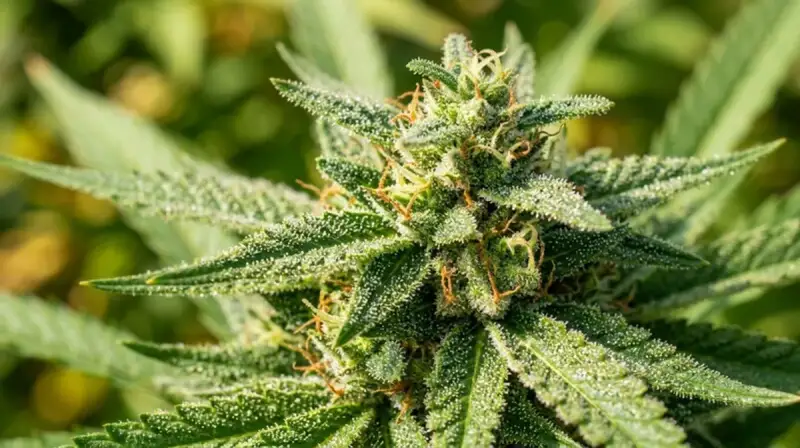
Cannabis dosing is genuinely complex because there is no single “right dose” that applies to everyone. Two people of identical weight and experience can consume the same product and have dramatically different experiences. This guide gives you a framework for finding your starting point for each method and dialing in safely from there — whether you are a first-time user or a daily consumer looking to optimize.
Why Dosing Is Complex: The Individual Variables
Several biological factors determine how any given dose of cannabis affects you:
- CB1 receptor density: People vary naturally in how many CB1 cannabinoid receptors they have in their brain. Higher baseline density generally means more sensitivity to THC.
- Tolerance: Regular users have downregulated CB1 receptors and need significantly higher doses for the same effect.
- CYP enzyme genetics: Genetic variants in liver enzymes (CYP2C9) mean some people process THC faster or slower than average, directly affecting duration and intensity.
- Body composition: THC distributes into fat tissue, so body fat percentage affects both peak blood levels and how long THC lingers.
- Stomach contents: For edibles, consuming on an empty stomach produces faster, more intense effects than dosing after a fatty meal (though the opposite can occur with fat-soluble formulations).
- Set and setting: Psychological state and environment significantly modulate the subjective experience regardless of dose.
Dosing by Tolerance Level: Complete Reference Table
| Tolerance Level | Flower (per session) | Vaporizer | Edible | Concentrate | Expected Effect |
|---|---|---|---|---|---|
| First time | 1 puff, wait | 1 puff at low temp | 2.5mg | Avoid | Mild relaxation, curiosity |
| Low tolerance | 1–2 puffs | 2–3 puffs | 2.5–5mg | Rice-grain-sized dab | Light euphoria, relaxation |
| Moderate | 0.2–0.3g | 3–5 puffs | 5–10mg | Small dab | Clear high, moderate impairment |
| High tolerance | 0.3–0.5g | Full session | 10–25mg | Medium dab | Strong high, significant impairment |
| Very high | 0.5g+ | Multiple sessions | 25–50mg+ | Large dab | Intense; consider tolerance break |
Method-Specific Dosing
Flower (Smoking)
Flower dosing is the most self-regulating method because effects onset within 5–10 minutes, giving you clear feedback before you continue. A session dose of 0.1–0.5g is typical depending on tolerance. For new users: take one slow puff, hold briefly (not long — most THC absorbs in the first second), exhale, and wait 10 minutes before deciding whether to continue. A single puff from a typical 20% flower delivers approximately 1–3mg of THC to your system.
Vaporizer
Temperature matters significantly with vaporizers. Lower temperatures (356–374°F / 180–190°C) produce lighter, terpene-rich vapor with milder effects. Higher temperatures (392–446°F / 200–230°C) produce denser vapor and stronger effects but degrade terpenes. New users: start at lower temperatures with 1–2 puffs, same pacing as flower. Vaporizers tend to be more efficient than smoking — expect stronger effects per gram of flower used.
Edibles
Edibles are the highest-risk method for accidental overconsumption. The delayed onset (45–90 minutes, sometimes up to 2 hours) means many users consume more before feeling the first dose, leading to unexpectedly intense experiences. The golden rules: start at 2.5mg for your first experience; always wait a full 90 minutes before considering any additional dose; do not drive for at least 6 hours after an edible regardless of how you feel.
Edibles also produce a longer-lasting experience — typically 4–8 hours compared to 2–3 hours for inhalation — because 11-OH-THC (the liver metabolite) takes longer to clear. Plan your timing accordingly.
Tinctures (Sublingual)
Tinctures placed under the tongue for 60–90 seconds before swallowing have a faster onset than edibles (15–30 minutes for sublingual absorption) and more predictable dosing. Starting dose: 5–10mg THC or 10–25mg CBD. Use the graduated dropper to measure precisely. If you swallow the tincture immediately instead of holding it under the tongue, it behaves more like an edible with delayed onset.
Concentrates (Dabs)
Concentrates contain 60–90%+ THC and are suitable only for experienced users with established tolerance. Starting dose: rice-grain-sized amount (approximately 10–20mg THC). Effects onset within 1–3 minutes. Do not use concentrates as your first or even fifth cannabis experience. For regular flower users moving to concentrates, expect significantly stronger effects than your usual flower dose would suggest.
Microdosing: Functional Use Without Impairment
Microdosing refers to consuming 1–2.5mg of THC — low enough to receive therapeutic or mood-elevating benefits without noticeable cognitive impairment. Research on microdosing is still emerging, but many users report benefits for anxiety management, creative focus, mild pain, and social ease at doses that do not interfere with work or daily function.
Practical microdosing approaches: vaporizers with precise temperature control (1–2 short puffs at low temperature); tinctures with measured droppers (0.5–1ml of a low-concentration formula); commercial microdose edibles labeled 1–2.5mg per piece. The goal is to find the minimum effective dose for your desired benefit — not a noticeable high.
Medical Dosing Considerations
Medical applications such as chronic pain, cancer-related nausea, treatment-resistant insomnia, and spasticity often require higher doses than recreational use. Clinical research on chronic pain management commonly uses 10–30mg THC doses. Neuropathic pain and MS spasticity trials have used up to 30–50mg per day in divided doses. These ranges are not appropriate for self-administration without physician guidance.
Medical patients typically start with low doses and increase slowly over weeks under supervision. Tolerance builds with consistent medical dosing, requiring dose adjustments over time. Periodic tolerance breaks (1–2 weeks off) may help prevent escalating dose requirements.
Preventing the “Too High” Experience
If you take too much THC, the experience can include intense anxiety, racing heart, paranoia, disorientation, and nausea. These symptoms are temporary (typically 1–4 hours, longer with edibles) and not medically dangerous. Actionable steps if you feel too high:
- Go to a safe, comfortable, familiar environment immediately.
- Lie down. The physical sensations are more manageable when horizontal.
- CBD can reduce THC-induced anxiety by competing for CB1 receptor binding — if you have a high-CBD product available, 20–50mg CBD may help.
- Black peppercorns: sniffing or chewing whole black peppercorns has reported anxiolytic effects in acute cannabis anxiety (beta-caryophyllene, a shared terpene, may be responsible).
- Time is the primary cure. Remind yourself the effects will pass.
CBD Dosing: Separate Framework
CBD dosing operates on a different framework than THC dosing because CBD is non-intoxicating and does not produce impairment. Common starting doses and applications:
- General wellness and mild anxiety: 10–25mg per day
- Sleep: 25–75mg taken 30–60 minutes before bed
- Significant anxiety or inflammation: 25–100mg per day
- Epilepsy (Epidiolex reference): 10–20mg/kg/day in clinical settings — far higher than OTC products
Unlike THC, taking too much CBD typically produces drowsiness and mild GI discomfort rather than acute distress. Some people find CBD stimulating at very low doses and sedating at higher doses — individual variation is high. CBD does not produce a dose-response ceiling in the same way as some compounds, but higher doses do not necessarily produce proportionally better effects.