




- THC% is not the only number that matters. Terpene profile, cannabinoid ratio, and consumption method all determine effect more reliably than potency alone.
- THCa and THC are not the same. Raw flower menus often show THCa — the inactive precursor that converts to THC only when heated. Always calculate Total THC.
- Indica/sativa labels are mostly marketing. All commercial strains are hybrids. Terpene listings predict effects far more accurately than botanical classification.
- Edible dosing is completely different. 5–10 mg THC is a beginner dose for edibles. The same person may comfortably smoke 100 mg+ in flower form across a session.
- COA (Certificate of Analysis) confirms lab testing for potency, pesticides, heavy metals, and microbial contamination. Always ask for it on concentrates.
- Price per gram is the only fair comparison metric across different weights and sizes. Most menus do not calculate this automatically.
THC% Is Not the Only Number That Matters
The first mistake most dispensary beginners make is treating THC percentage as the single quality metric — chasing the highest number on the menu. This is the cannabis equivalent of ordering wine based only on alcohol content. A 28% THC flower with a flat terpene profile will often produce a less satisfying and less nuanced experience than a 19% flower with a rich, diverse terpene profile.
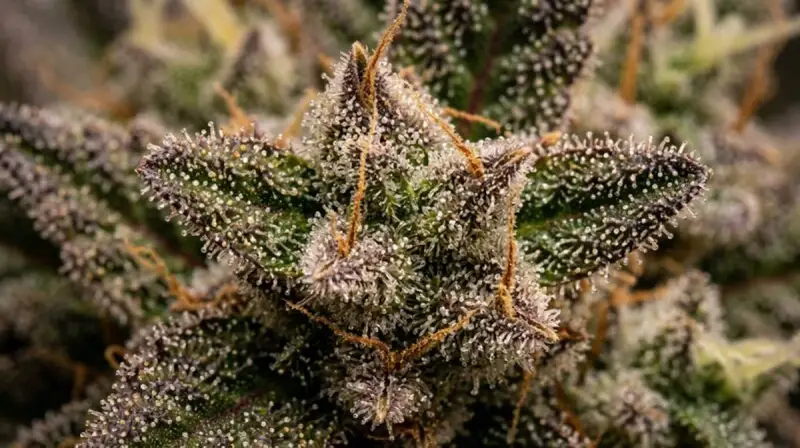
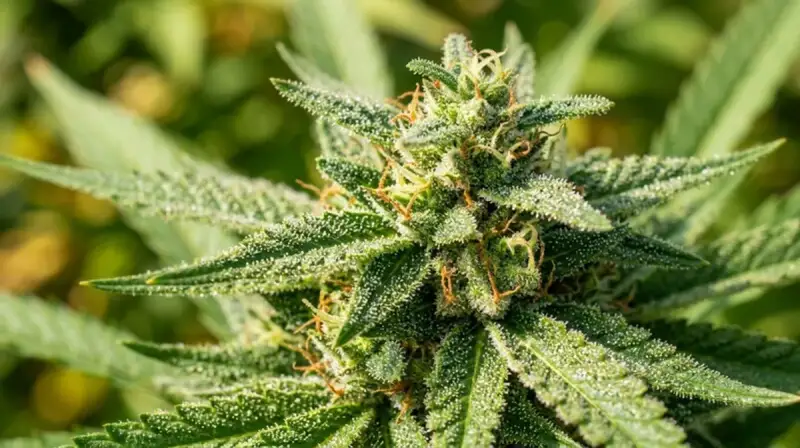
Terpenes are the aromatic compounds that give each strain its distinctive smell and flavor — and they interact with cannabinoids to modulate effects in ways that THC% alone cannot capture. This is called the entourage effect. A budtender who recommends based solely on THC% is doing you a disservice. Ask about the terpene profile first.
Product Type Glossary
Dispensary menus are organized by product category. Here is what each type means and how onset times differ:
| Product Type | What It Is | Onset Time | Notes |
|---|---|---|---|
| Flower | Dried cannabis buds, sold by gram or eighth | 2–10 minutes | Most complete cannabinoid/terpene profile |
| Pre-roll | Pre-made joint, single-use | 2–10 minutes | Convenient; may use shake or trim |
| Vape cartridge | Concentrated oil in a cartridge for a battery pen | 1–5 minutes | Discreet; check for live resin vs. distillate |
| Wax / Shatter | Concentrate extracted with solvents; very high THC | Instant | 60–90% THC; not for beginners |
| Live resin | Concentrate from fresh-frozen cannabis; full terpenes | Instant | Best terpene preservation; premium price |
| Edible | Food or drink infused with cannabis extract | 30–120 minutes | Dosed in mg THC; start at 5–10 mg |
| Tincture | Liquid extract, taken sublingually or added to food | 15–45 min (sublingual) | Precise dosing; good for medical users |
| Topical | Cream, balm, or patch applied to skin | 15–60 minutes | Non-psychoactive; localized relief only |
THC% Ranges: What They Mean for Different Users
| THC Range | Category | Best For |
|---|---|---|
| 0–10% | Low potency | First-timers, microdosing, CBD-dominant effects |
| 10–20% | Moderate potency | Casual users, those with some tolerance, daytime use |
| 20–25% | High potency | Regular users with established tolerance |
| 25%+ | Very high potency | Experienced users; high anxiety risk for beginners |
Total THC vs. THCa: The Raw vs. Activated Distinction
When you see a flower listing that shows “THCa: 24%” alongside “THC: 0.8%” — this is not a low-potency product. THCa is the raw, non-psychoactive precursor to THC found in fresh cannabis. It converts to active delta-9 THC through decarboxylation when the product is heated during smoking, vaping, or cooking.
The conversion is not 1:1. The formula for Total THC is: (THCa × 0.877) + THC. So a product showing 24% THCa and 0.8% THC yields approximately 21.8% active THC when smoked. Some menus helpfully show “Total THC” as a calculated figure. If yours does not, use the formula above.
Terpenes: What They Are and Why They Matter
Terpenes are aromatic organic compounds produced by cannabis (and many other plants). They give each strain its distinctive smell — pine, citrus, diesel, floral, earthy — and interact with cannabinoids at receptors throughout the body. Here are the most common terpenes you will see on dispensary menus:
- myrcene — Earthy, musky, herbal. Most common terpene in cannabis. Associated with sedating, relaxing effects. Often dominant in “indica” labeled strains.
- caryophyllene — Spicy, peppery. Unique in that it also binds to CB2 receptors. Anti-inflammatory potential. Paired with stress relief and mood elevation.
- limonene — Citrusy, bright. Associated with elevated mood, stress relief, and anti-anxiety effects. Common in sativa-leaning strains.
- linalool — Floral, lavender-like. Calming, sedating. Found in many strains marketed for sleep or anxiety relief.
- Terpinolene — Fresh, piney, slightly floral. Associated with uplifting, energizing effects. Less common but notable in strains like Jack Herer.
- pinene — Pine, fresh. May counteract some THC-induced memory impairment. Associated with alertness and focus.
Indica, Sativa, Hybrid: Why These Labels Are Mostly Meaningless
The indica/sativa distinction originated as a botanical classification — indica plants were shorter and bushier, sativa plants taller and more slender. Dispensaries adopted these labels to suggest effect profiles: indica = relaxing/sedating, sativa = energizing/cerebral, hybrid = balanced.
The problem is that virtually all commercially cultivated cannabis today is genetically hybrid. There are no true landrace strains in most dispensaries. The classification is applied inconsistently and varies between brands and states. Two products labeled “sativa” may have completely different terpene profiles and produce completely different effects. Research consistently shows that terpene and cannabinoid ratios predict subjective effects far more reliably. Use indica/sativa as a rough heuristic while you learn, then graduate to reading terpene data.
Lab Testing and the COA: What to Check
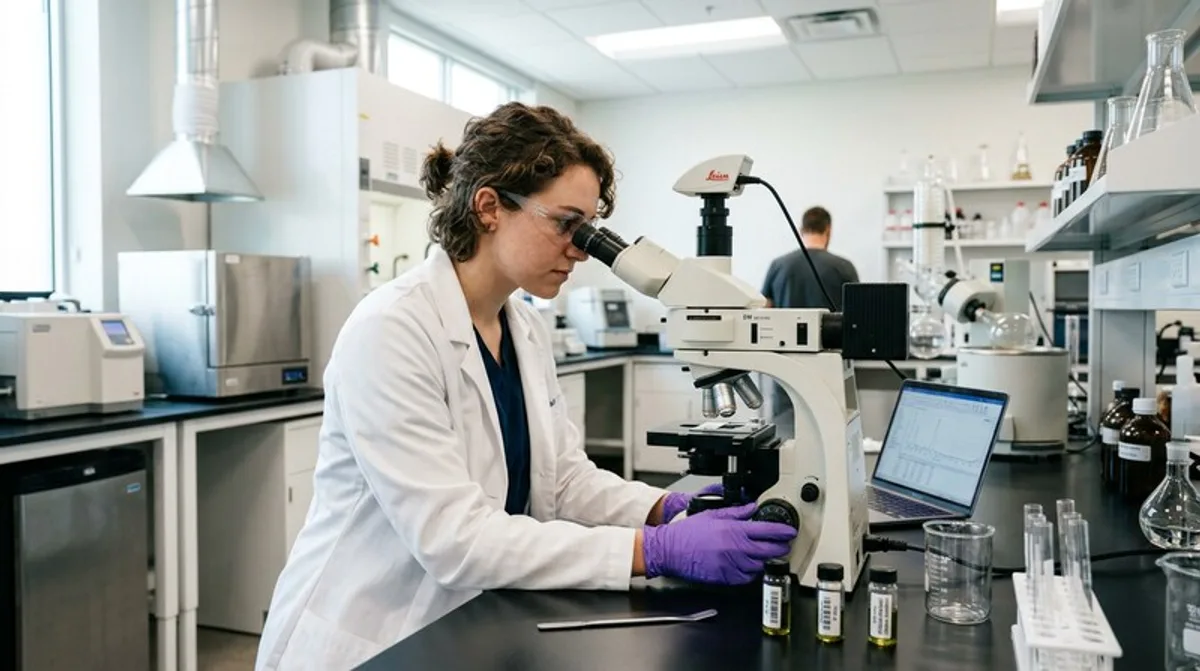
A COA (Certificate of Analysis) is a third-party lab report that should accompany every product in a licensed dispensary. It confirms testing across several panels:
- Potency panel — Confirms THC, THCa, CBD, CBG, and other cannabinoid percentages.
- Pesticide panel — Screens for over 60 pesticide residues. Most states require this. Failures should be disclosed on the product label.
- Mycotoxin/mold panel — Tests for aflatoxin and ochratoxin, which are dangerous at any dose in immunocompromised individuals.
- Heavy metals panel — Tests for lead, cadmium, arsenic, and mercury. Cannabis is a hyperaccumulator — it absorbs soil contaminants efficiently.
- Residual solvents panel — Applies to concentrates made with butane, ethanol, or CO2. Confirms solvent residues are below safe thresholds.
Always verify the COA is from a licensed third-party laboratory — not an in-house test. Ask for the batch number to match the COA to the specific product you are buying. Any reluctance to provide this information is a red flag.
Price Per Gram: The Only Fair Comparison Metric
Dispensary menus sell flower in several weights: gram, eighth (3.5 g), quarter (7 g), half-ounce (14 g), and ounce (28 g). Prices per gram decrease at higher weights. To compare any two products fairly, calculate the price per gram: divide the price by the number of grams. A $45 eighth costs $12.86/g. A $55 eighth costs $15.71/g. Many dispensary apps now calculate this automatically, but many menus still do not.
What Budtenders Can and Cannot Tell You
In adult-use states, budtenders can discuss products in general terms but are legally prohibited from providing medical advice. They cannot diagnose conditions, recommend specific products as treatments, or make clinical claims. In licensed medical dispensaries, staff may have more training and broader latitude to discuss therapeutic applications.
What a good budtender can do: describe flavor profiles, explain terpene differences, suggest products for desired effect categories (sleep, focus, relaxation), and explain how consumption methods affect onset and duration. Be honest about your experience level and goals — you will get better recommendations as a result.
Frequently Asked Questions
What does THC% mean on a dispensary menu?
THC% shows the concentration of delta-9-tetrahydrocannabinol in the product. For flower, it is measured as a percentage of dry weight. A 20% THC flower contains roughly 200mg of THC per gram, though bioavailability when smoked is 30–40%. Higher THC% does not automatically mean a better or more desirable effect — terpene profile and cannabinoid ratio matter more.
What is the difference between THC and THCa?
THCa is the raw, non-psychoactive form of THC found in fresh cannabis. When heated, THCa converts to active THC through decarboxylation. Total THC = (THCa × 0.877) + THC. A product showing 25% THCa will yield roughly 21.9% active THC when smoked or vaped.
Are indica and sativa labels accurate?
Not really. Modern cannabis strains are virtually all hybrids, and the indica/sativa classification was developed to describe plant morphology — not effect profiles. Terpene profile and cannabinoid ratios are better predictors of effect than indica/sativa labels. Use these labels as a rough starting point but prioritize terpene listings when available.
What is a COA and why does it matter?
A COA (Certificate of Analysis) is a lab report from a third-party testing laboratory confirming the product has been tested for potency, pesticides, heavy metals, residual solvents, and microbial contamination. Any reputable dispensary should be able to provide a COA for any product. Always check that the COA is from a licensed third-party lab and matches the batch number on the packaging.