What Is a Cannabis Tincture? How to Use, Dose & Compare to Edibles
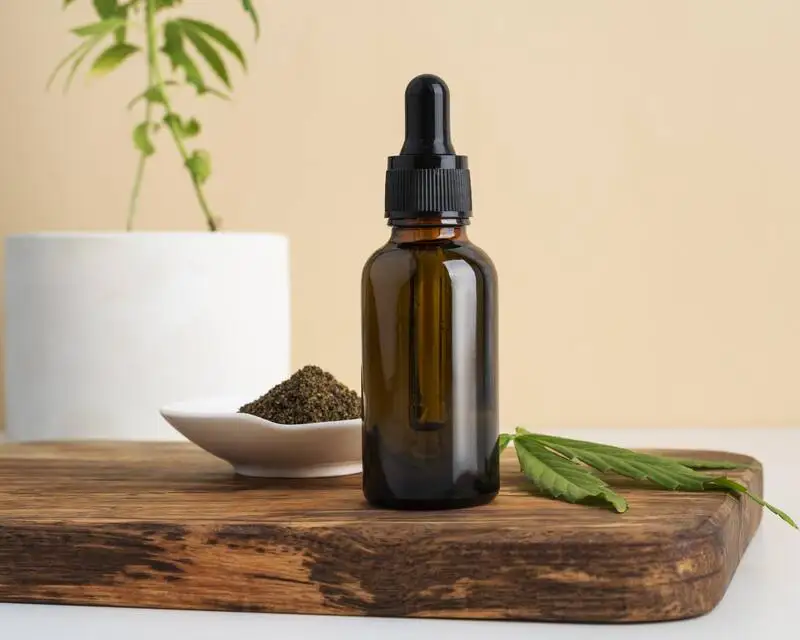
Tinctures are concentrated liquid cannabis extracts taken under the tongue. Onset 15–45 minutes. More precise than edibles, faster than smoking for dose control.
7 Key Findings
Cannabis tinctures are concentrated liquid extracts: typically 200–1,000mg THC per 30mL bottle — most come with a 1mL dropper delivering 5–25mg per dose depending on concentration
Sublingual (under-tongue) absorption bypasses first-pass metabolism — onset 15–45 minutes vs. 45–90 minutes for swallowed edibles, with more consistent blood levels
Oil-based tinctures (MCT oil, hemp seed oil) held under the tongue still undergo significant first-pass metabolism — true sublingual absorption requires alcohol-based or water-soluble formulations
Full-spectrum tinctures contain all cannabis compounds (THC, CBD, terpenes, minor cannabinoids) — the entourage effect makes full-spectrum tinctures more effective per mg of THC than distillate products
CBD-dominant tinctures (20:1 or CBD isolate in MCT) are the most widely available OTC cannabis product in the US — effective for mild anxiety and anti-inflammatory benefits without psychoactivity
Microdosing with tinctures is highly precise: 0.5mL doses let users titrate in 2.5mg increments — far more precise than edibles or smoking
Shelf life: alcohol-based tinctures 2–3 years if refrigerated; oil-based tinctures 6–12 months — always check for rancidity (off smell) in oil-based products
How Tinctures Are Made
A cannabis tincture begins with decarboxylation — the heat process that converts THCA (non-psychoactive) to THC and CBDA to CBD. Raw cannabis contains minimal THC. Decarboxylation (typically 230–250°F / 110–121°C for 25–45 minutes) activates the cannabinoids before extraction begins.
Alcohol extraction (QWET: quick wash ethanol) is the traditional tincture method. High-proof food-grade ethanol (190 proof grain alcohol such as Everclear) dissolves cannabinoids, terpenes, and some plant waxes. The plant material is strained out, and the alcohol is partially evaporated to reach the desired concentration. The result is a green-gold liquid with a characteristic cannabis flavor and fast sublingual absorption.
MCT oil infusion is the most common commercial method. Decarboxylated cannabis is heated in MCT (medium-chain triglyceride) coconut oil, allowing fat-soluble cannabinoids to bind to the oil. The plant matter is filtered out. MCT tinctures have a neutral taste, no alcohol, and are popular for children’s CBD products. However, fat-based carriers do not absorb sublingually as efficiently as alcohol — they require GI absorption.
CO2 extraction followed by MCT dilution produces the cleanest, most consistent commercial tinctures. Supercritical CO2 extracts cannabinoids without solvent residue. The concentrate is then dissolved in MCT oil at a precise mg/mL ratio, enabling accurate label claims. High-end dispensary tinctures and pharmaceutical-grade CBD products use this method.
Full-spectrum vs. isolate: Full-spectrum retains all cannabinoids and terpenes from the source plant. Broad-spectrum removes THC but keeps other cannabinoids. Isolate is a purified single-cannabinoid powder (CBD or THC) dissolved in a carrier. Full-spectrum products produce the entourage effect — the synergistic interaction of multiple cannabis compounds that research (Russo, 2011; Blasco-Benito et al., 2018) suggests is more therapeutically effective than isolated cannabinoids.
How to Use a Tincture: Sublingual vs. Swallowing
The primary advantage of tinctures over other cannabis products is the ability to absorb cannabinoids directly through the sublingual mucosa — the capillary-rich tissue under the tongue. This bypasses the digestive system and liver first-pass metabolism, delivering cannabinoids more quickly and with greater bioavailability than swallowed edibles.
Proper sublingual technique:
Fill the dropper to your target dose (most droppers are 1mL; check the bottle label for mg/mL)
Lift your tongue and deposit the liquid beneath it
Hold in place for 60–90 seconds without swallowing
Swallow any remaining liquid after the hold period
Avoid eating or drinking for 15 minutes before and after
With alcohol-based tinctures, you will feel a mild burning sensation under the tongue — this indicates absorption. Oil-based tinctures feel smooth but absorb more slowly. If the taste is too strong, the dose can be mixed into a small amount of water or placed under the tongue immediately after eating a fat-containing food (which aids MCT absorption).
Method
Onset
Peak
Duration
Bioavailability
Sublingual (alcohol)
15–30 min
45–90 min
2–4 hours
~20–30%
Sublingual (MCT oil)
30–60 min
60–120 min
3–5 hours
~15–25%
Swallowed (edible-mode)
45–90 min
2–3 hours
4–8 hours
~6–15%
Dosing Guide: Finding Your Starting Dose
Tinctures are the most precise way to dose cannabis short of pharmaceutical-grade formulations. A standard 30mL bottle with a 1mL dropper allows 0.25mL increments (quarter-dropper). For a 500mg/30mL bottle (~16.7mg/mL), this means doses of ~4mg per quarter-dropper — well below the threshold that causes unwanted psychoactivity in most people.
Tolerance Level
Starting Dose (THC)
Expected Effect
Notes
Microdose
0.5–2.5mg
Focus, mood lift, no high
ADHD, anxiety, creativity
Beginner
2.5–5mg
Mild relaxation, slight euphoria
Cannabis-naive users
Standard
5–15mg
Clear euphoria, body relaxation
Most recreational users
Experienced
15–25mg
Strong effects, sedation possible
Regular users with tolerance
Medical / High Tolerance
25–100mg+
Heavy sedation, pain relief
Cancer pain, palliative care
Body weight is a secondary factor in THC sensitivity compared to individual CB1 receptor density, tolerance, and liver enzyme activity (CYP2C9). A lean person with low CB1 expression may be more sensitive than a heavier person with high CB1 density. The conservative rule: start low, go slow. Wait at least 90 minutes after a sublingual dose before considering a second dose.
For CBD-dominant tinctures (no or minimal THC), starting doses are higher: 10–20mg for general wellness, 25–50mg for anxiety management, 100–600mg for epilepsy (Epidiolex clinical dosing range). CBD has a wide therapeutic window with no psychoactive ceiling effect.
Tinctures vs. Edibles vs. Vaping
Factor
Tincture
Edible
Vape / Smoke
Onset
15–45 min
45–90 min
2–10 min
Duration
2–4 hours
4–8 hours
1–3 hours
Bioavailability
15–30%
6–15%
25–56%
Dose Precision
High (dropper)
Medium (labeled mg)
Low (puff-to-puff)
Discretion
High
Very High
Low–Medium
Lung Safety
No risk
No risk
Inhalation risk
Best For
Medical dosing, microdosing, sleep
Long duration, social use
Immediate relief, recreation
Cost per mg THC
$0.05–0.15
$0.10–0.30
$0.03–0.12
Types of Tinctures: Full-Spectrum, Broad-Spectrum, Isolate
Full-spectrum tinctures contain the complete range of cannabinoids, terpenes, flavonoids, and fatty acids naturally present in the cannabis plant. The entourage effect hypothesis — proposed by Dr. Ethan Russo in a widely cited 2011 review — suggests that these compounds work synergistically, with terpenes modulating the effects of THC and minor cannabinoids like CBG and CBN enhancing specific therapeutic outcomes. Full-spectrum products will contain detectable THC (typically 0.3–30%+ depending on whether hemp or cannabis-derived) and will cause a positive drug test result.
Broad-spectrum tinctures remove THC through additional processing while retaining other cannabinoids and terpenes. They are designed for users who want entourage-effect benefits without THC psychoactivity or drug test risk. However, broad-spectrum processing can degrade terpenes and minor cannabinoids, reducing potency. Lab certificates of analysis (COAs) should confirm <0.001% THC for true broad-spectrum products.
Isolate tinctures contain only one purified cannabinoid (CBD, THC, CBG, or CBN) dissolved in a carrier oil. They are the most consistent product from batch to batch and carry minimal drug test risk for CBD isolate formulations. However, they lack the synergistic effects of full-spectrum products — equivalent doses of CBD isolate vs. full-spectrum extract show lower efficacy in several clinical pain and anxiety studies.
COA verification: Always request or look up the certificate of analysis for any tincture before purchase. A legitimate COA from a third-party accredited lab will show: cannabinoid profile (mg/mL of THC, CBD, and minor cannabinoids), terpene profile (optional but valuable), and safety screens (pesticides, heavy metals, residual solvents, microbials). If a brand cannot provide a current COA matching the batch number on the bottle, do not buy the product.
Cooking and Infusing with Tinctures
Tinctures are an efficient alternative to cannabutter for adding cannabis to food and drinks because decarboxylation is already complete — the cannabinoids are active and ready for consumption.
Adding to cold or room-temperature foods and drinks is the simplest use case. Tincture drops into a smoothie, salad dressing, guacamole, or herbal tea take effect exactly as they would sublingually, with the liquid bypassing most first-pass metabolism if consumed without heavy food. The key consideration: dose carefully and account for the delayed onset if you are adding tincture to a fat-rich food, which will trigger edible-mode absorption.
Alcohol evaporation when cooking: Alcohol-based tinctures added to hot food or drinks will lose their alcohol carrier within seconds at temperatures above 173°F (78°C). The cannabinoids remain active. This can be useful if you want to remove the alcohol taste from the tincture, but it can also concentrate the product unexpectedly if you add the tincture to a hot pan and allow the alcohol to fully evaporate before serving.
Dose calculation when cooking: Divide the total bottle mg by the number of servings. Example: a 500mg/30mL tincture at 16.7mg/mL. If you add 4mL (approximately 67mg total) to a 10-serving recipe, each serving contains approximately 6.7mg THC — a standard moderate dose. Always stir the tincture thoroughly into the full batch before portioning; uneven distribution creates inconsistent doses.
MCT oil tinctures blend more seamlessly into fat-based dishes (salad dressings, sauces, hummus) than alcohol tinctures. Alcohol tinctures mix well into beverages and liquid-based sauces where the ethanol taste dissipates during cooking or is masked by other flavors.
Cannabis Science Writer at ZenWeedGuide. Covers cannabinoid pharmacology, medical applications, and regulatory developments across US state markets.
Last reviewed: May 2026
Frequently Asked Questions
What is the difference between a tincture and an oil?
A tincture uses alcohol (ethanol) as the solvent and carrier. A cannabis oil uses a lipid carrier such as MCT oil, hemp seed oil, or olive oil. Alcohol-based tinctures have faster sublingual absorption and a longer shelf life (2–3 years). Oil-based products have a smoother taste, shorter shelf life (6–12 months), and slower sublingual absorption because oil does not permeate mucous membranes as efficiently as alcohol.
How do you dose a cannabis tincture?
Start with 2.5–5mg THC if you are new to cannabis or tinctures. Hold the dose under your tongue for 60–90 seconds before swallowing. Wait at least 90 minutes before redosing — sublingual onset can be slower than expected. The standard starting dose for CBD tinctures is 10–20mg. Microdosing (0.5–2.5mg THC) is highly effective with tinctures due to dropper precision.
Are tinctures better than edibles?
Tinctures offer faster onset (15–45 min sublingual vs. 45–90 min for edibles), more precise dosing via dropper, and shorter duration (2–4 hours vs. 4–8 hours). Edibles are easier to take discreetly and require no sublingual hold. Tinctures are generally preferred for medical dosing and microdosing; edibles are preferred for long-duration effects and recreational use.
How long do tincture effects last?
Sublingual tincture effects last 2–4 hours for most users, significantly shorter than edibles (4–8 hours). When a tincture is swallowed rather than absorbed sublingually, it undergoes first-pass metabolism in the liver and effects become more edible-like: onset 45–90 minutes, duration 4–6 hours, and greater conversion of THC to 11-hydroxy-THC.